
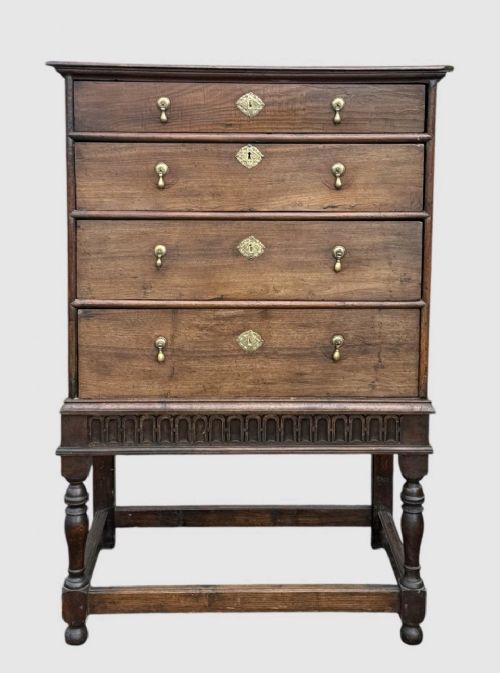

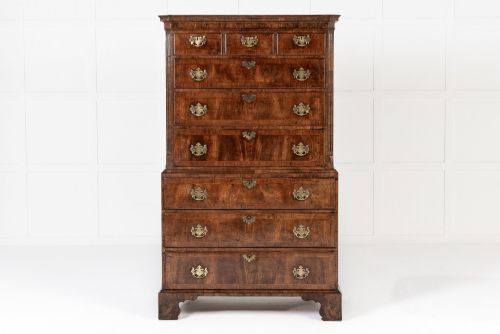


Oak Highboy Cabinet
An oak highboy cabinet offers monumental presence and peerless storage, uniting centuries of master joinery.
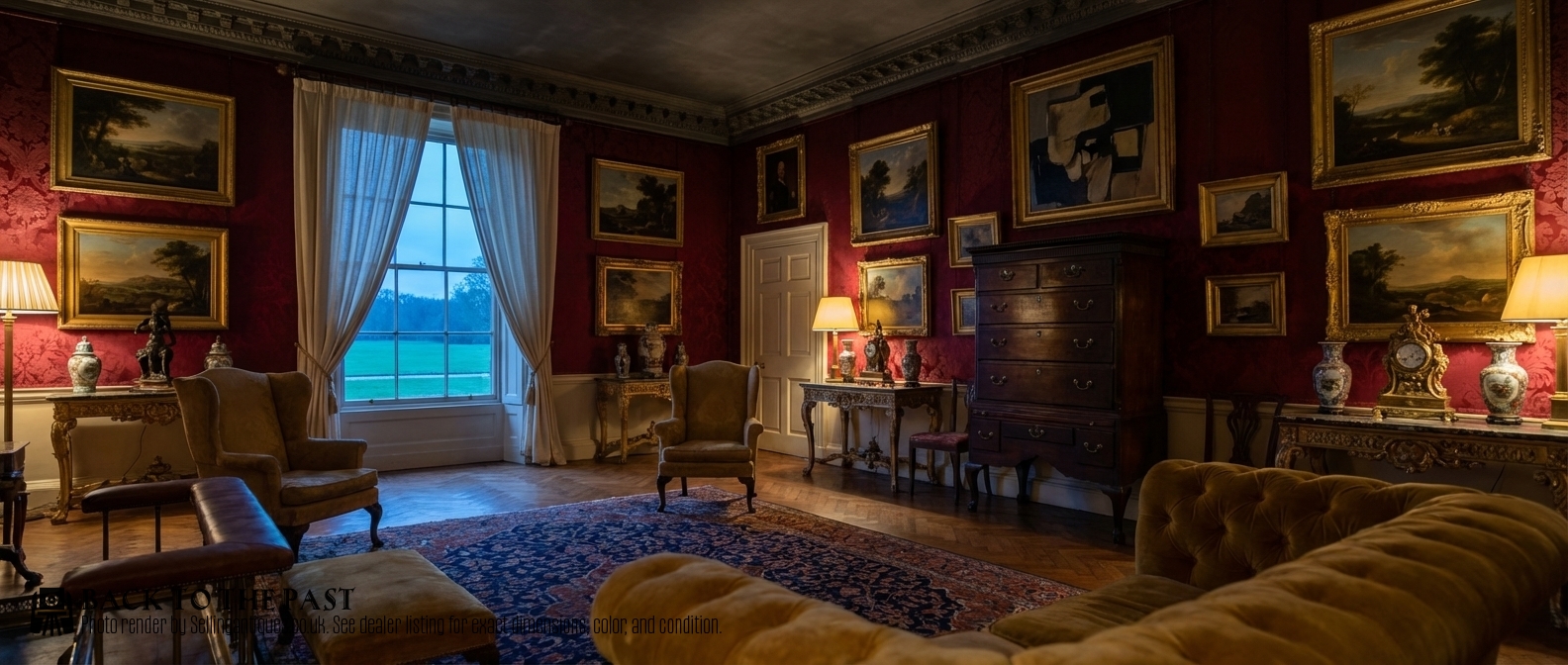
Oak Highboy Cabinet
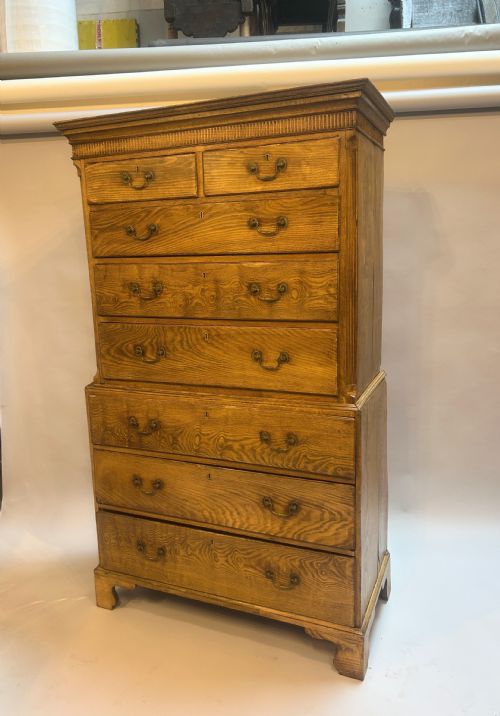
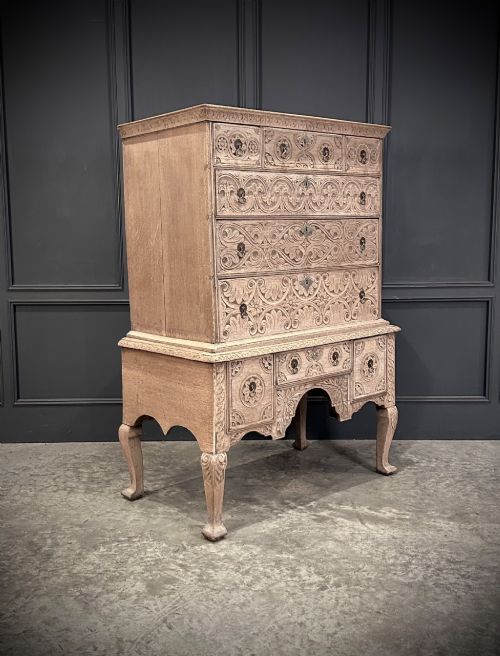
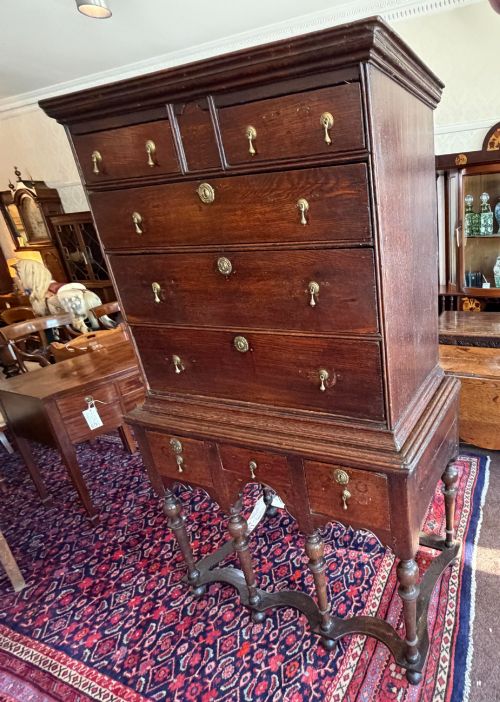
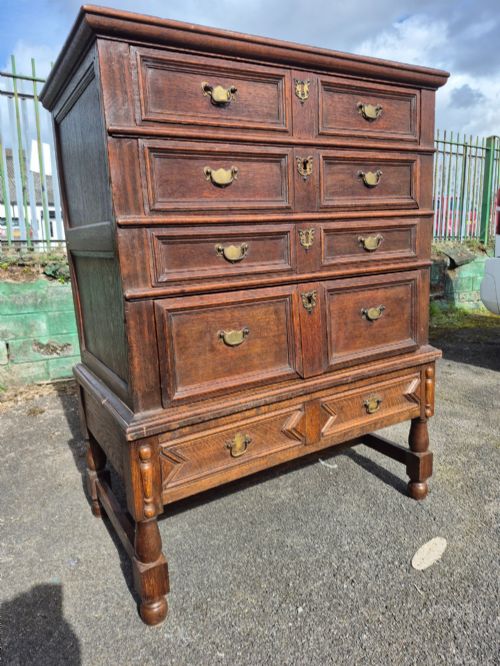
The oak highboy cabinet is a commanding form of domestic storage, primarily encountered here in various iterations dating from the seventeenth and eighteenth centuries. These pieces combine a chest of drawers atop a stand, tallboy, or another chest.
Buyers seeking an oak highboy cabinet will find robust examples spanning the Charles II, Jacobean, William and Mary, and Georgian styles. Many pieces originate from English and Welsh workshops, reflecting regional timber choices.
The primary configurations range from two-drawer stands to elaborate chest on chest designs. Walnut occasionally appears alongside oak and brass hardware, demonstrating the material shifts across periods.
Distinguishing quality
The distinction between standard examples and superior pieces rests on the integrity of the timber and the subtlety of the proportions. Original brass hardware and untouched surface patination elevate a piece significantly.
Finer construction is evident in the precision of the drawer dovetails and the harmony between the upper chest and its underlying stand. Early seventeenth and eighteenth century pieces display the distinct hand-tool marks of their period.
The inventory records regional English and Welsh origins, encompassing chest of drawers and chest on stand configurations.
The Oak Highboy Cabinet Glossary
- Tallboy
- A tall chest of drawers, typically consisting of one chest stacked upon another or upon a stand.
- Chest on stand
- A cabinet form featuring a smaller chest raised on legs or a low frame with drawers.
- Dovetail
- A joint used in drawer construction, formed by interlocking wedge-shaped fingers.
- Escutcheon
- A protective plate surrounding the keyhole of a drawer or cabinet door.
- Patina
- The surface sheen and colour developed by timber and metal over centuries of handling and age.
Oak Highboy Cabinet: Frequently Asked Questions
What is an oak highboy cabinet?
An oak highboy cabinet is a tall storage furniture piece comprising a chest of drawers raised on a stand or lower cabinet structure. These pieces became prominent in British homes during the seventeenth and eighteenth centuries.
They provide substantial vertical storage while occupying a modest floor footprint. The form evolved through several stylistic periods, including Jacobean, William and Mary, and Georgian designs.
How do I date an oak highboy?
Dating relies on observing construction methods, timber selection, and stylistic details such as leg turnings and brass hardware. Seventeenth-century examples often feature heavier framing and simpler stand structures compared to later Georgian pieces.
Changes in drawer assembly, such as hand-cut dovetails and the presence of walnut veneers, also help place a piece within its historical period.
Where were these cabinets made?
These cabinets were produced in workshops across England and Wales by regional joiners and cabinetmakers. Local timber supplies strongly influenced whether the primary material was native oak or imported walnut.
Regional cabinetmakers adapted metropolitan London styles to suit local preferences, creating distinct variations in proportions and leg designs.
How do I care for antique oak?
Antique oak benefits from stable indoor environments away from direct sunlight and sudden temperature shifts. Maintaining consistent humidity prevents the timber from splitting or warping.
Gentle dusting with a dry cloth preserves the historic surface patination without stripping the natural oils accumulated over centuries.