
Colonial Indian Box
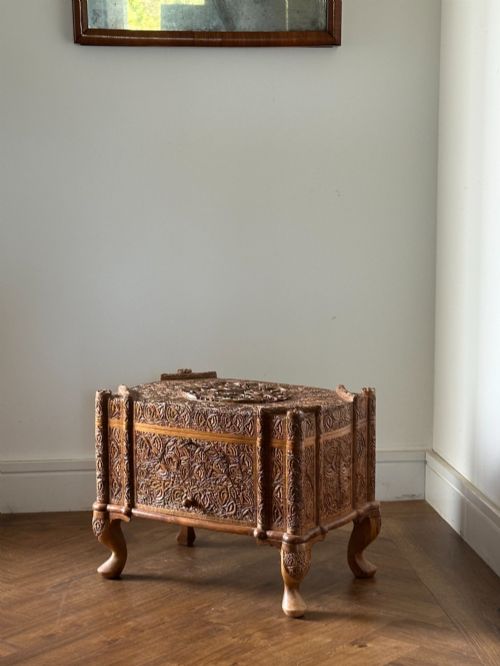
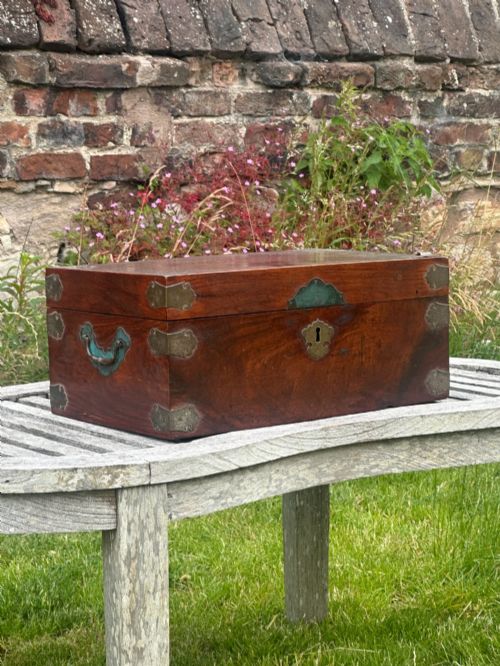
A colonial indian box bridges domestic utility and exotic craftsmanship, offering a glimpse into British rule through utilitarian storage and intricate silver.
Colonial Indian Box
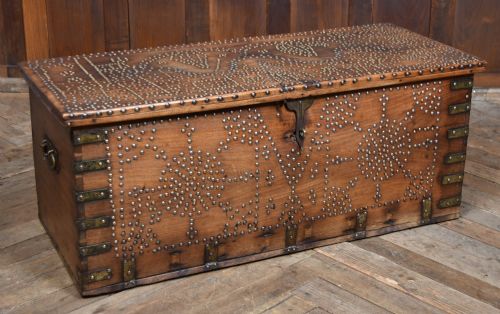
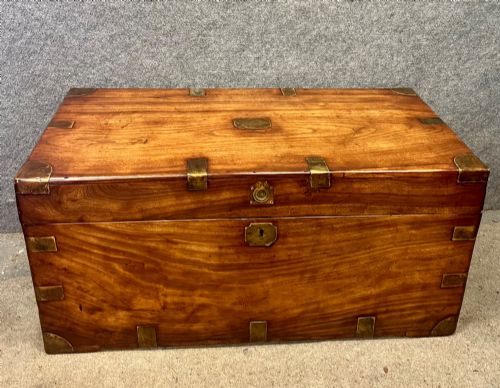
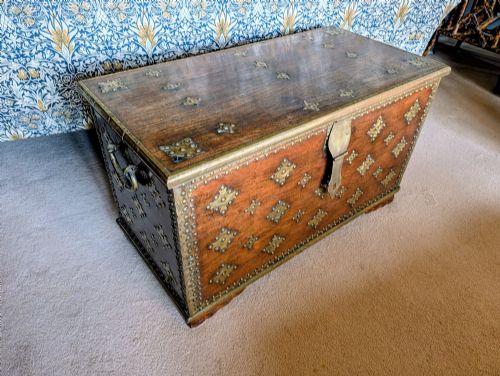
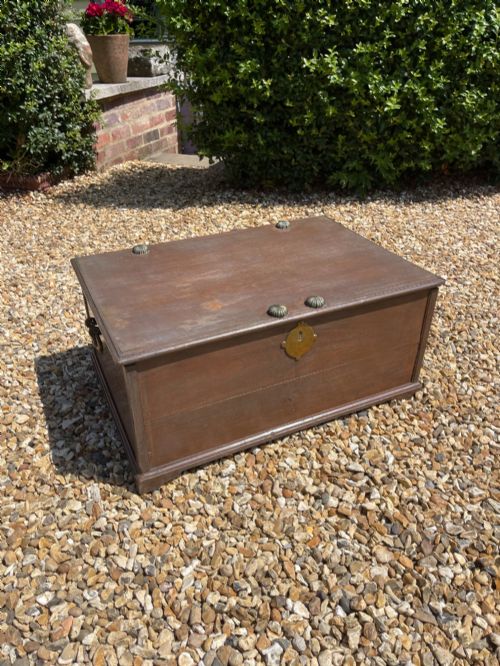
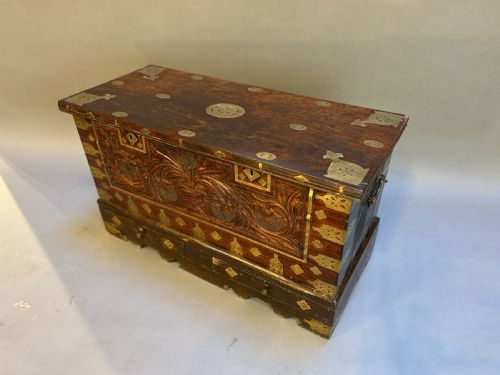
Smaller tabletop items sit alongside substantial floor trunks, such as Zanzibar chests bound in brass or studded with iron. Whether utilised for correspondence, tea storage, or personal adornment, each colonial indian box represents the convergence of local artisan skill with British administrative needs.
How they were made
Carpenters and joiners utilised dense tropical hardwoods such as teak, padouk, ebony, and camphor wood to withstand tropical climates and rigorous travel. These timbers were frequently combined with contrasting materials like bone, ivory, and porcupine quill arranged in geometric mosaic patterns.
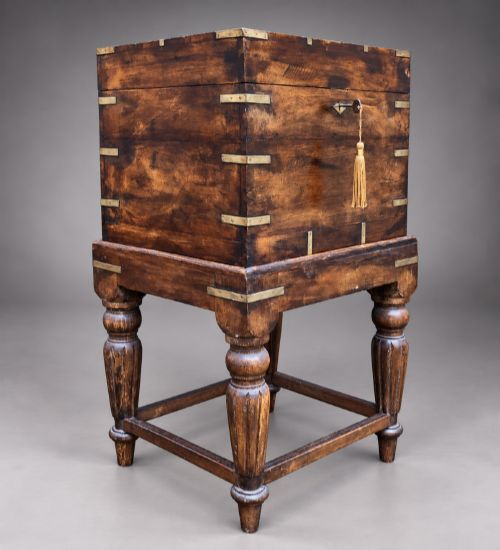
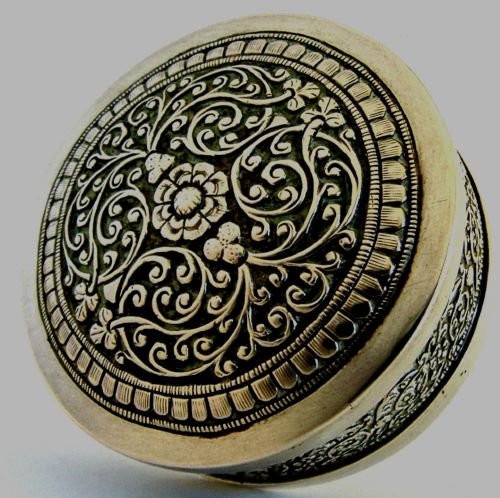
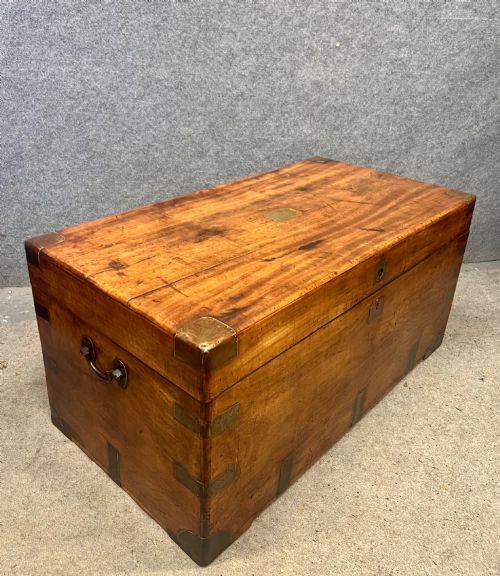
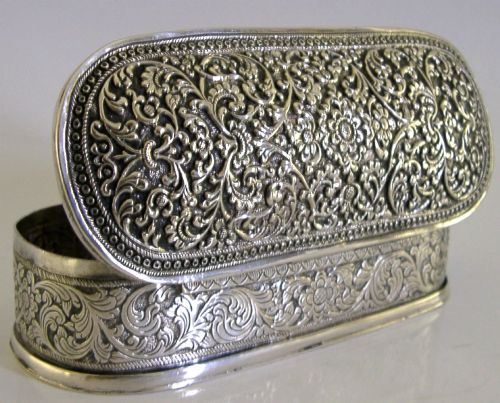
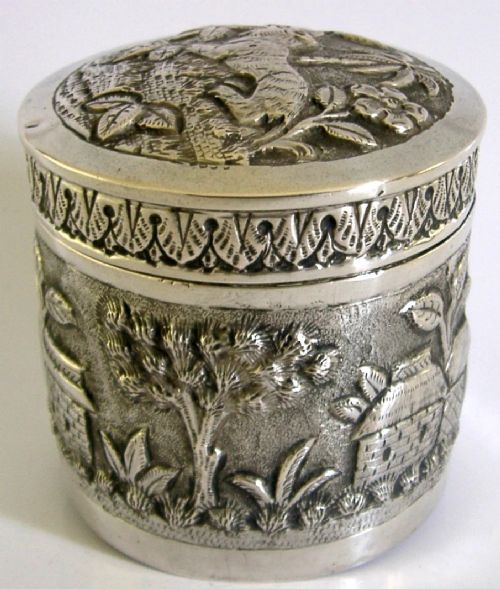
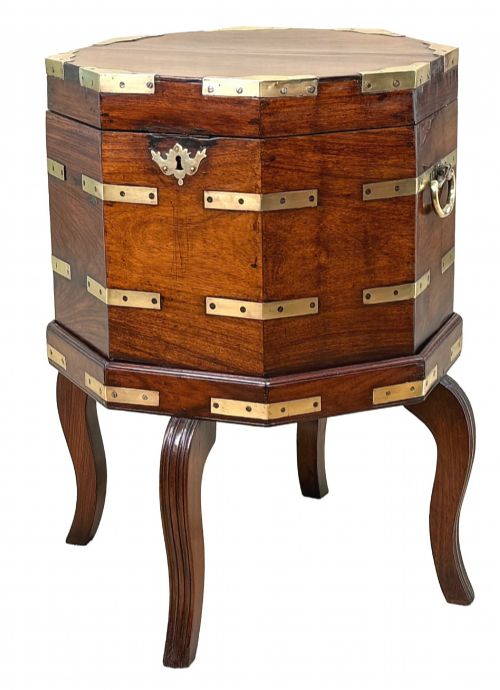
Metalwork played a critical structural and decorative role, with heavy brass strapping, corner brackets, and flush-fitting carrying handles protecting the corners of campaign trunks. For smaller boxes and vessels, silversmiths hammered, embossed, and chased solid silver into floral and folkloric motifs.
Listings span the 18th century through the Edwardian era, incorporating padouk, teak, solid silver, bone, and porcupine quill.
What varies in quality
The standard of carving and inlay work dictates much of the distinction between ordinary utility pieces and exceptional examples. Crisp, deeply undercut foliage and tight, precise bone or porcupine quill marquetry demonstrate superior workshop capability.
Original hardware integrity and timber selection further separate pieces at the higher end. Solid padouk or calamander with intact brass strapping and working locks retain greater fidelity than replacements applied during later restorations.
The Colonial Indian Box Glossary
- Campaign trunk
- A robust chest or box made in sections with recessed brass fittings, designed for military officers on the move. These items prioritised durability and modular packing.
- Zanzibar chest
- A heavy wooden storage box featuring elaborate brass studding and strapwork, originating from trade routes touching the western Indian Ocean. They were favoured by merchants for security and transport.
- Sadeli mosaic
- A micro-mosaic technique employing tiny triangular prisms of bone, horn, and metal arranged in intricate geometric borders. It is commonly found on Vizagapatam boxes.
- Porcupine quill box
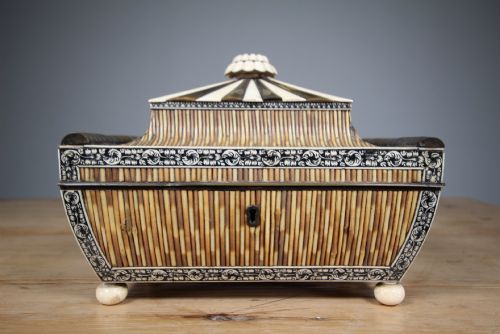
- A decorative container clad in quills arranged in sunburst or linear patterns, often framed in ebony. Ceylonese workshops produced these notable export pieces during the 19th century.
- Cellarette
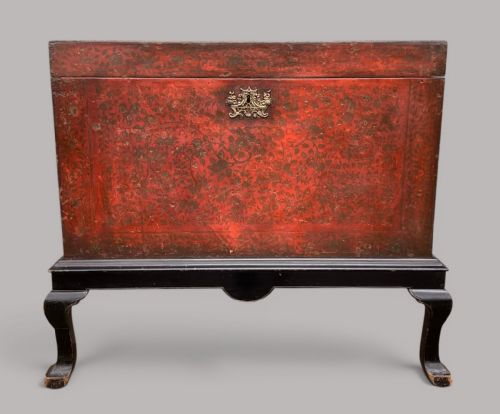
- A fitted box or chest designed to hold bottles of wine or spirits safely during transport. Early examples often rest on dedicated stands.
Colonial Indian Box: Frequently Asked Questions
What is a campaign box?
A campaign box is a portable piece of furniture built for military officers or colonial administrators on active service. These items feature recessed brass handles and reinforced corners to endure frequent transport.
They break down into modular sections or include fitted interiors for writing materials, medicine, or uniforms.
Why use camphor wood?
Camphor wood was chosen for trunks and chests because its strong natural aromatic scent repels insects and protects stored textiles from humidity and moths.
This functional timber property made it the primary choice for officers transporting clothing through tropical maritime climates.
How do I identify Sadeli work?
Sadeli work is identified by its complex micro-mosaic patterns constructed from tiny pieces of bone, horn, and pewter. Artisans glued these segments together to form geometric bands on small caskets.
Closer inspection reveals the microscopic precision of the individual interlocking tesserae.
Where were porcupine quill boxes made?
Porcupine quill boxes were largely produced in Ceylon during the 19th century as luxury export items for European travellers. Workshops combined natural quills with ebony frames and carved ivory feet.
They served as decorative vanity or writing accessories for Victorian households.