







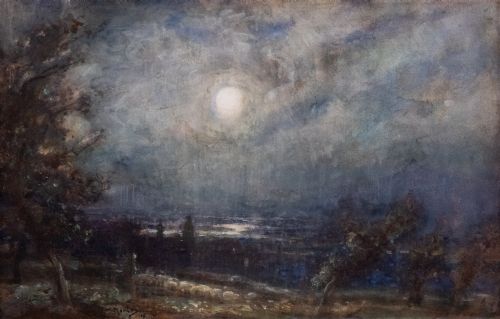
Coastal Maritime Painting
A coastal maritime painting captures the changing mood of the sea, offering a window into historic harbours, fishing vessels, and rugged shorelines.
Coastal Maritime Painting
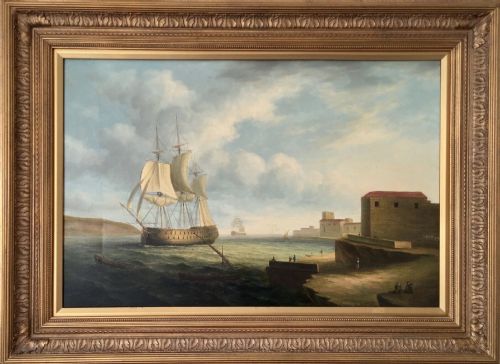
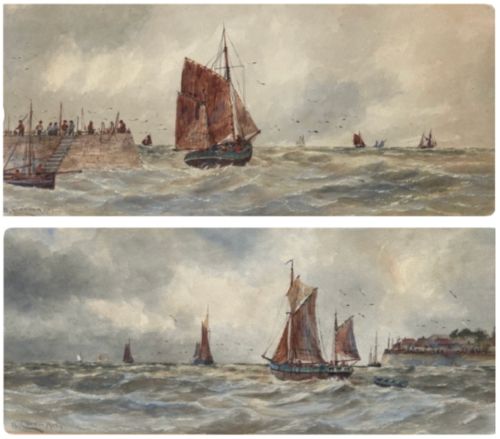
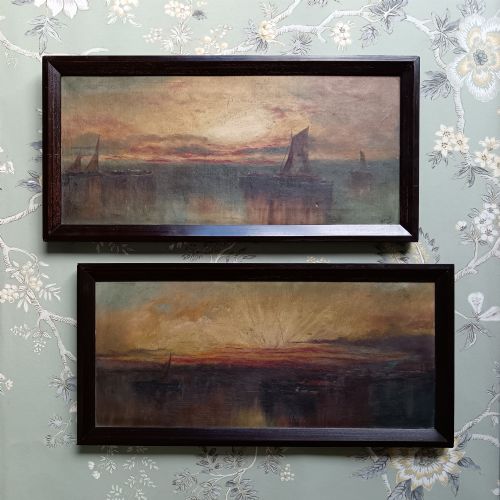
A coastal maritime painting depicts marine subjects, vessels, and shorelines, spanning periods from the nineteenth century through the mid twentieth century. These works range from detailed depictions of warships and bustling harbour scenes to impressionistic coastal landscapes and tranquil seascapes.
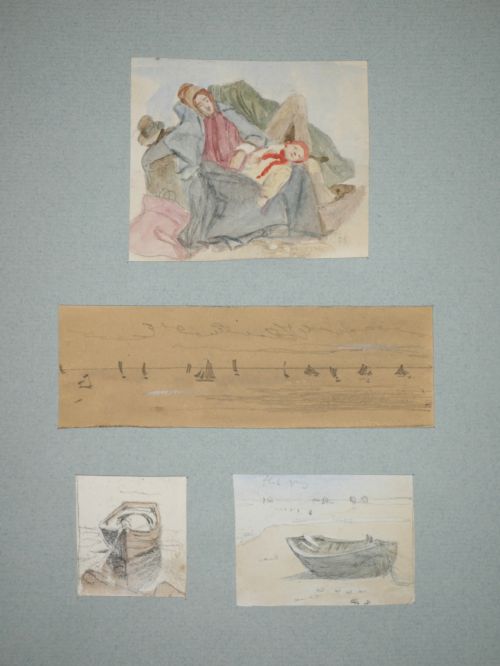
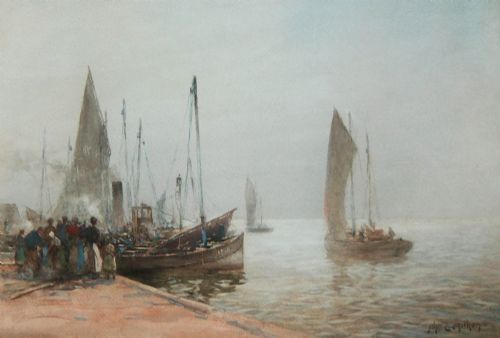
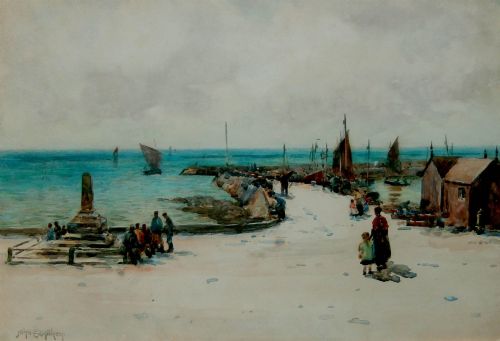
Buyers will encounter various formats on this page, predominantly works on paper including watercolours alongside oil paintings executed on canvas or board. Many pieces capture specific British and European coastal locations, such as Cornish harbours, Scottish havens, and foreign ports.
The aesthetic of a coastal maritime painting reflects its period of creation, moving from Victorian and Edwardian traditional maritime accuracy towards freer British Impressionism and modern interpretations. Subjects frequently centre on daily maritime life, including fishing boats, local catch landings, and coastal paths.
Materials and Techniques
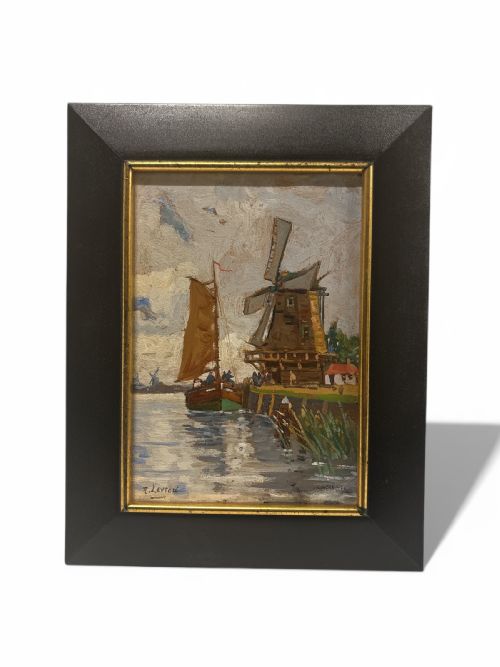
Artists utilise oil paint and watercolour as the primary media, applying pigment to stretched canvas, wooden panels, thick paper, or card. Oil paintings often incorporate impasto techniques to build texture in crashing waves or rocky coastal scenery, while watercolours rely on paper supports for luminous washes of light.
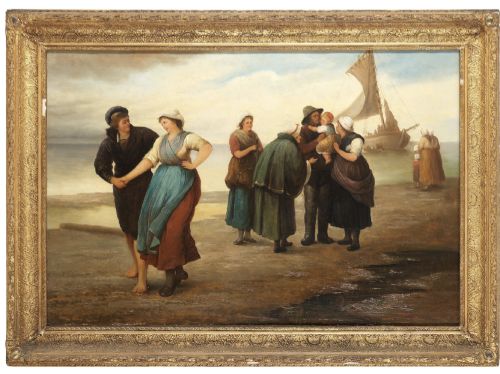
Framing plays a defining role in the presentation of these artworks, with many period pieces housed in original gilt wood frames that complement the composition. Glass frequently protects works on paper, preserving delicate watercolour pigments from environmental degradation.
Look closely and you might spot a meticulous ship in a bottle diorama hiding among the flat-surface paintings.
Assessing Quality and Execution
The quality of a coastal maritime painting rests upon the artist's command of light, atmosphere, and maritime architecture. Superior works demonstrate precise perspective in rigging and hull construction alongside a convincing rendering of water movement and coastal weather.
Compositional balance and brushwork distinguish accomplished works from standard decorative pieces. Stronger examples reveal confident, purposeful handling of paint or pigment that conveys the dynamic energy of the sea without relying on excessive detail.
James Hardy·Kenneth Cozens·James Orrock·William Cannon·R Leyton·B. Nash·Edward Mills·James E. Aitken·John E. Aitken·William Banks Fortescue·Thomas William Morley·Bonaventura Peeters·Peter Brannan·Paul Bret·Hector Caffieri·Bernard Benedict Hemy·Thomas Creswick·Lucy Pratt·Thomas Maidment·TB Hardy·Donald McIntyre·Cecil Allan Mould·John Wilson Carmichael·Alfred G. Morgan·Abraham Cooper
The Coastal Maritime Painting Glossary
- Watercolour
- A painting method in which the paints are made of pigments suspended in a water-based solution. These works are typically executed on paper supports and protected behind glass.
- Impasto
- The process of applying paint thickly on a canvas or board so that it stands out from the surface. This technique adds tactile depth and texture to representations of rough seas or rocky cliffs.
- Seascape
- A work of art that depicts the sea, ocean, or coastal views. It serves as the marine equivalent of a landscape painting.
- Gilt wood
- Wood that has been treated with a thin layer of gold leaf or gold-coloured finish. This material is standard for period frames associated with nineteenth and early twentieth century art.
Coastal Maritime Painting: Frequently Asked Questions
What subjects appear in coastal maritime paintings?
These artworks depict a wide array of marine subjects, including galleons, fishing smacks, and steamships navigating coastal waters or docked in busy harbours. Scenes often feature specific locations such as Whitby, St Ives, and foreign ports alongside tranquil or stormy coastal landscapes.
Artists frequently documented the working life of coastal communities, capturing fishermen landing their catch, boats departing at sunrise, and figures gathered along shorelines and cliffs.
How do I date a maritime painting?
Dating relies on stylistic clues, artists' active working periods, and the clothing or vessel types depicted within the composition. Victorian and Edwardian pieces often display traditional academic precision, whereas works from the mid twentieth century favour impressionistic or modern approaches.
Signatures, dates inscribed on the reverse, and original framing materials also provide reliable indicators of a painting's era of production.
Where should I hang an oil painting?
Oil paintings on canvas or board suit rooms with stable humidity and indirect lighting to protect the pigment and support over time. Positioning the artwork away from direct heat sources and intense sunlight preserves both the paint layers and any original gilt wood frame.
Choosing a wall with adequate space allows the composition and frame to command attention without competing with surrounding furnishings.
How do watercolours differ from oils?
Watercolours are created with water-soluble pigments on paper, resulting in transparent washes of colour that rely on the white of the paper for luminosity. They require framing under glass to protect the delicate surface from moisture and dust.
Oil paintings use pigment suspended in drying oils applied to canvas or board, yielding a durable, textured surface with rich depth that does not strictly require glass protection.