

Grey Coastal Landscape Artwork
Grey coastal landscape artwork brings the moody tones and maritime atmosphere of the shore directly onto paper and canvas.
Grey Coastal Landscape Artwork
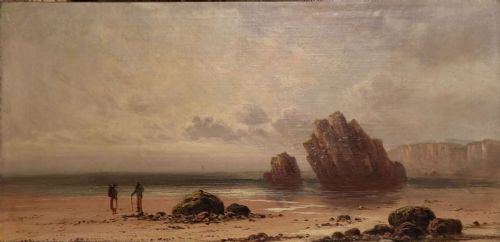
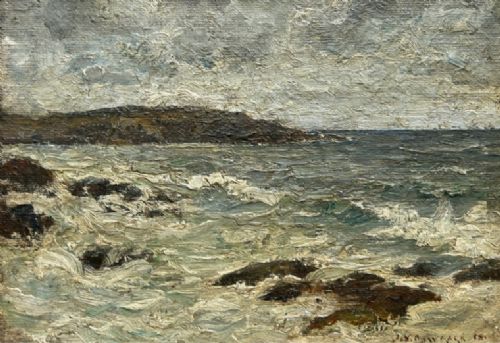
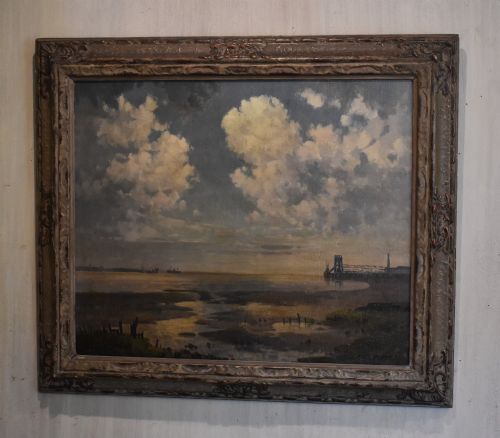
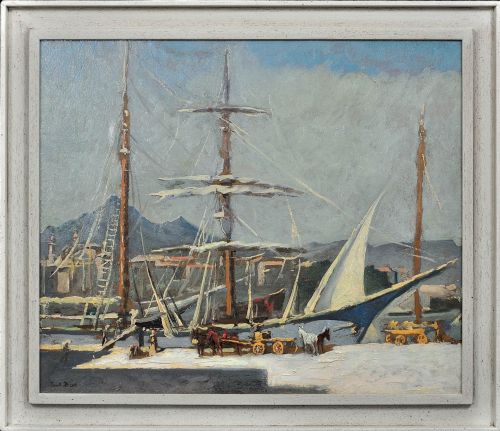
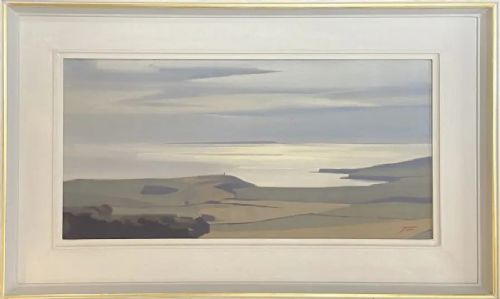
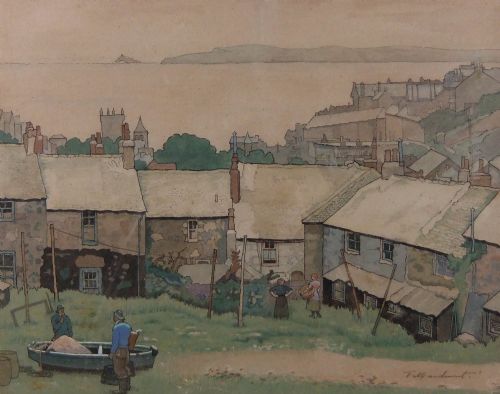
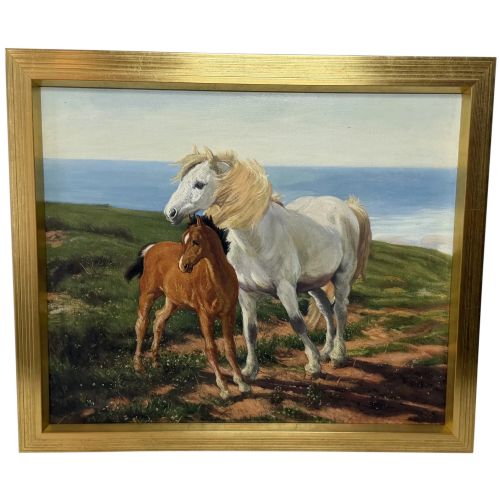
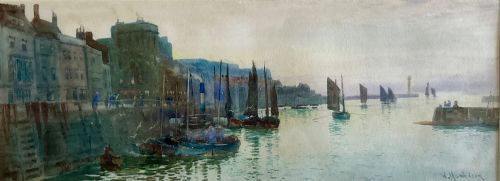
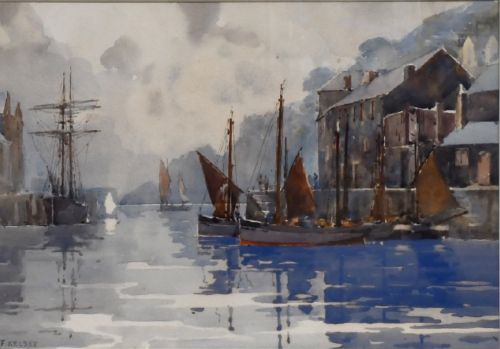
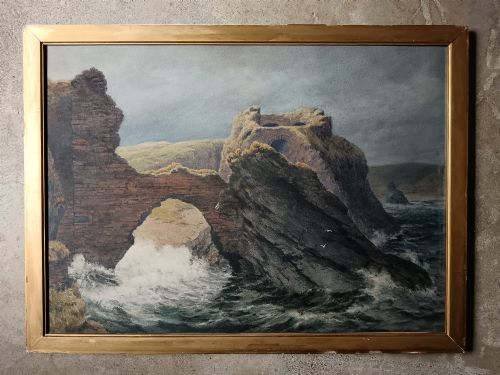
When you search for grey coastal landscape artwork, you encounter paintings capturing harbours, rocky shores, and estuaries through muted palettes. The pieces span from the Victorian era into the mid-twentieth century, recording British and European maritime scenes.
Watercolours and oil paintings dominate this selection, frequently framed under glass or set on board and canvas. You will find works originating from traditional artist communities such as Staithes and Whitby alongside continental harbours.
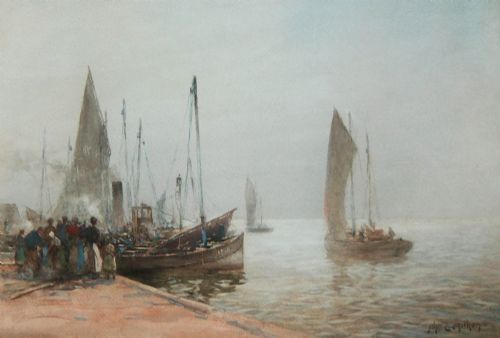
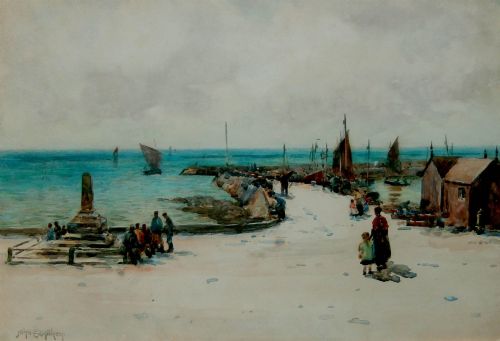
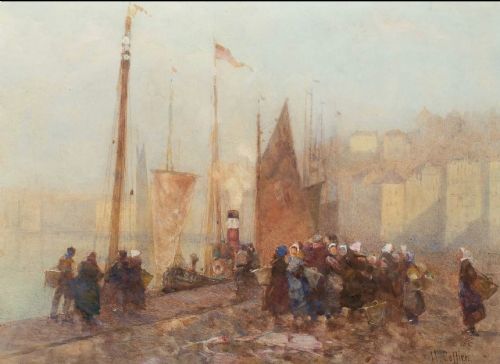
The subjects range from quiet beach views and fishing boats to bustling quaysides rendered by named regional painters. These depictions rely on atmospheric greys and weathered tones to convey the character of the sea.
How they were made
Artists utilised watercolour pigment on paper or oil paint applied to canvas and board, often capturing the scene outdoors in front of the subject. These mediums allowed painters to record shifting light on the water and heavy coastal skies.
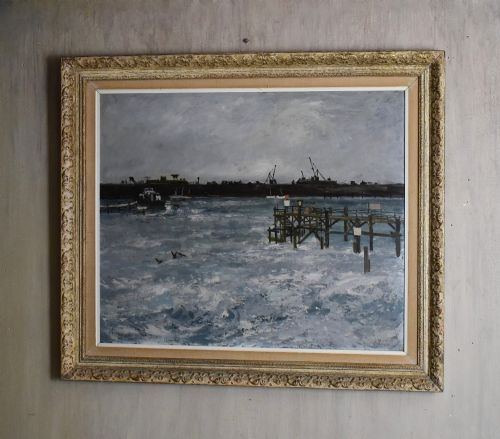
Impasto techniques appear in oil works, building texture on the surface to suggest churning waves and rocky terrain. Watercolour pieces employ washes to build the transparency of mist and harbour spray.
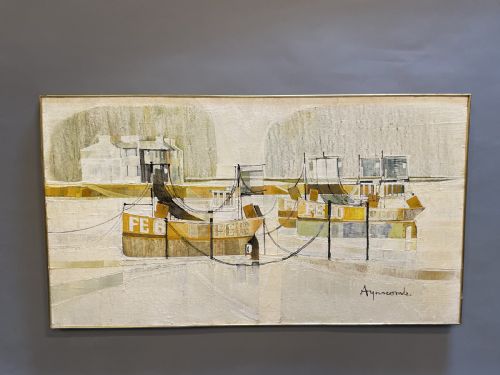
Listings span from Victorian maritime watercolours to mid-century oil paintings on board.
What varies in quality
The strength of composition and the artist's ability to command light separate the standard examples from the finest works. A confident hand captures the movement of water and the weight of clouds with economy and precision.
Condition of the medium and the integrity of the original framing influence the overall standing of a piece. Works retaining their early mounts and untouched surfaces hold greater visual harmony.
Kenneth Cozens·Clive Browne·Peter Brannan·Paul Bret·Hector Caffieri·James Fry·Thomas Maidment·William Matthison·Frank Kelsey·John Moxon·Charles William Adderton·Raymond Picque·Edward Seago·Arthur Tucker·Robert Leslie Howey·Herbert Royle·Tom Clough·William Greaves·James Watson·George Hamilton Constantine·John Mitchell·H.E. Tidmarsh·Ernest F. Hill·Frederick Stuart Richardson·Thomas Bush Hardy
The Grey Coastal Landscape Artwork Glossary
- Impasto
- Paint applied thickly to a canvas or board so that it stands proud of the surface. This technique preserves the physical gesture of the brush.
- Watercolour
- A paint consisting of pigment suspended in a water-based solution, typically worked on paper. It relies on the white of the paper to provide luminosity.
- Estuary
- The tidal mouth of a large river where the tide meets the stream. These locations offered artists complex interplay between land, water, and shifting light.
- Sea stack
- A geological landform consisting of a steep and often vertical column or columns of rock in the sea. They feature prominently in dramatic nineteenth-century shore views.
Grey Coastal Landscape Artwork: Frequently Asked Questions
What subjects appear in these coastal artworks?
The works depict harbours, fishing boats, rocky beaches, and estuary views under overcast or atmospheric skies. Many capture specific ports along the British coastline and European waters.
Scenes range from quiet shorelines with sea stacks to busy quaysides featuring vessels unloading their catch.
How do I care for antique watercolours?
Watercolours require protection from direct sunlight to prevent the pigments and paper from fading over time. Keep them in rooms with stable humidity to protect the paper and mount.
Ensure the framing is properly sealed to prevent dust and atmospheric pollutants from reaching the surface.
How do I date these paintings?
Dating relies on artist signatures, period framing styles, and exhibition labels found on the reverse of the work. Subject matter and clothing styles of any figures depicted also provide clues.
Medium choices and board stamps can further narrow down the decade of creation.
Where were these coastal scenes painted?
Artists gathered in known coastal colonies such as Staithes, Whitby, and various Cornish fishing ports. Others travelled to continental harbours in France, Italy, and the Netherlands.
These locations offered dramatic light and working maritime communities that appealed to painters.