


20th Century Seascape Art
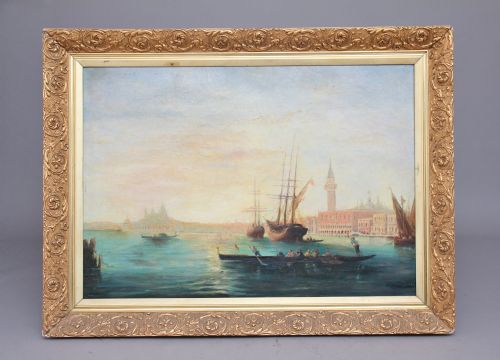
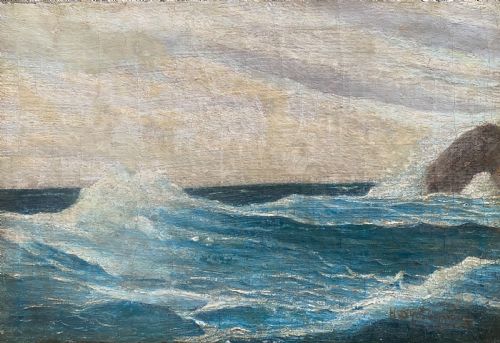
20th century seascape art captures the enduring power and restless movement of open water through the eyes of artists working across several decades.
20th Century Seascape Art
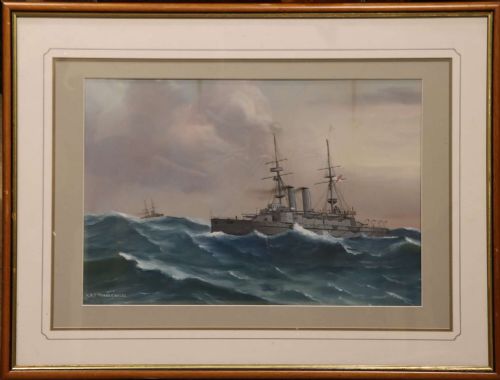
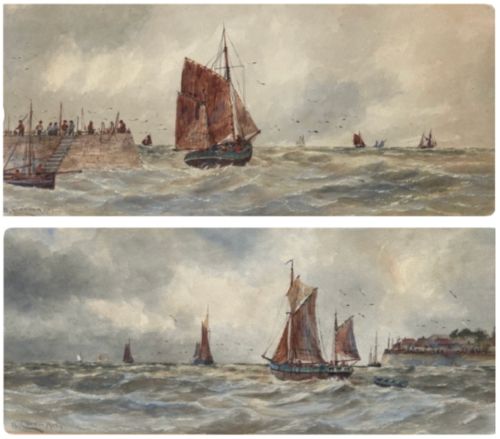
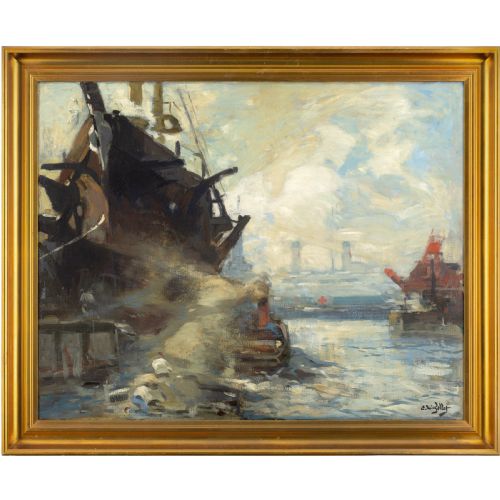
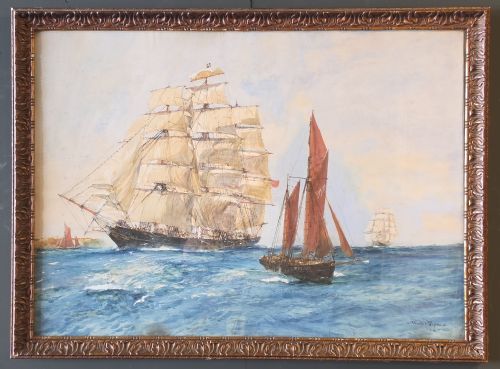
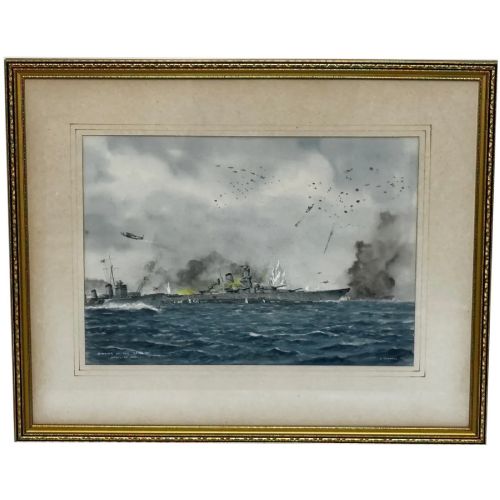
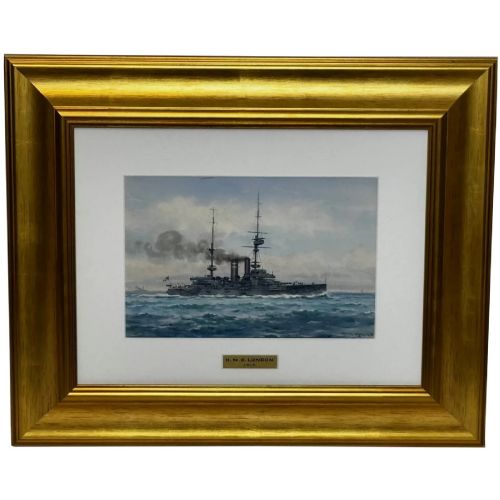
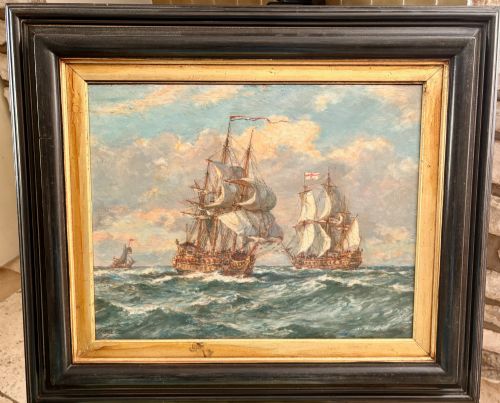
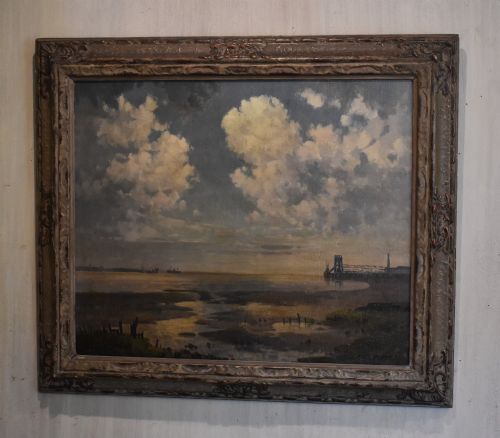
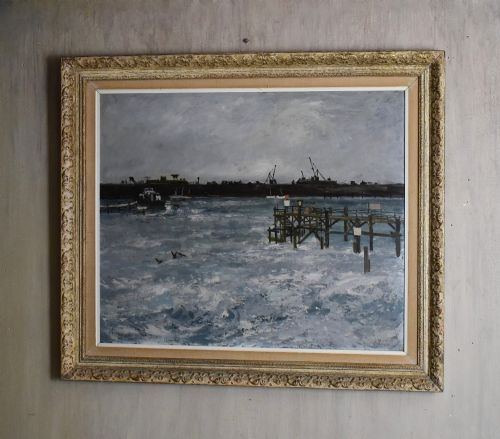
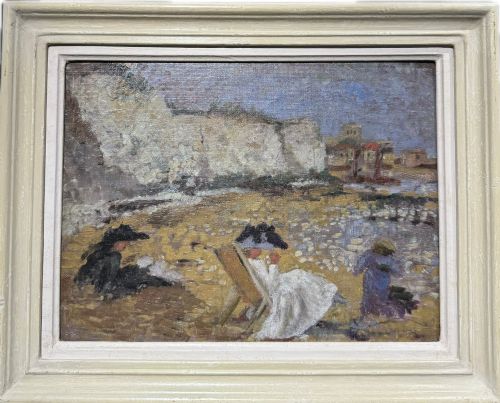
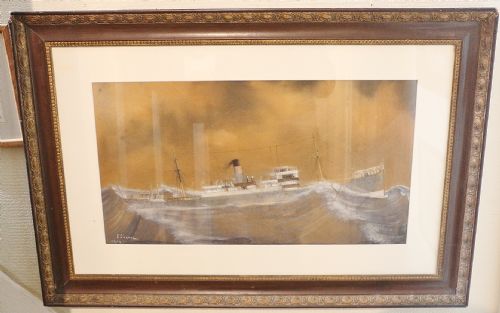
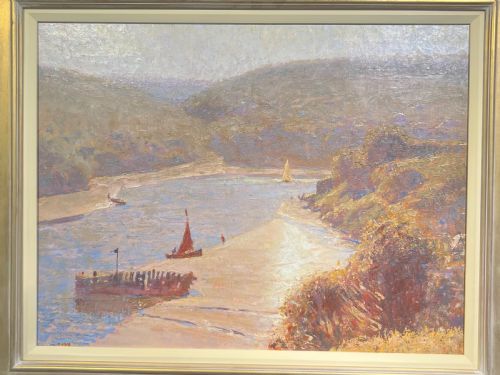
Buyers exploring 20th century seascape art encounter a diverse array of framed original paintings and works on paper depicting coastal views, harbour scenes, and open waters. These works span from Edwardian interpretations to mid-century modernist expressions, capturing maritime subjects from British shores to the Mediterranean and beyond.
Materials and techniques
Artists working within this category relied primarily on oil paint applied to canvas, wood panels, or artist boards, allowing for rich texture and deep tonal variation. Watercolours and gouache on paper were similarly utilised, particularly for detailed maritime records and atmospheric harbour views.
Support materials varied according to the period and the artist's preference, with wooden panels and heavy paper providing stable bases for fluid brushwork. Framing typically involved period wooden surrounds, sometimes ebonised, which complemented the maritime subject matter.
20th Century Seascape Art Retail Price Guide 2026
Typical asking prices for 20th century seascape art among the pieces listed under this phrase on Sellingantiques today, from the lower quarter to the upper quarter. They describe what is for sale here now, not the wider market.
Listings feature works spanning from the Edwardian era through the 1960s, executed in oil, watercolour, and gouache.
Distinctions in quality
Quality in these works rests upon the artist's ability to convey light, atmosphere, and movement with conviction. Stronger pieces demonstrate confident brushwork and a sure sense of composition, whether capturing the static architecture of a harbour or the turbulent motion of a wave.
The handling of medium also defines the tier of a piece, with adept layering of oils or transparent washes of watercolour distinguishing accomplished works from more formulaic productions.
Kenneth Cozens·William Cannon·Eugène-Louis Gillot·Charles Edward Dixon·Eric Tufnell·Frank Watson Wood·Bernard Gribble·Gustave Vidal·Gyrth Russell·Edward Seago·John Falconer Slater
The 20th Century Seascape Art Glossary
- Gouache
- An opaque water-based paint that dries to a matte finish. It allows for vibrant colour application and fine illustrative detail on paper or board.
- Impressionism
- An art style characterised by relatively small, thin, yet visible brush strokes and an emphasis on accurate depiction of light. It shaped much of the maritime painting of the period.
- Maritime painting
- Artwork that depicts ships, seas, harbours, or coastal landscapes. This broad genre includes both naval records and atmospheric coastal scenes.
- Panel painting
- A painting executed on a flat panel of wood rather than canvas. It offers a rigid support that was favoured by many early to mid-century painters.
20th Century Seascape Art: Frequently Asked Questions
How do I identify the date of a seascape?
Dates are often indicated by signatures, exhibition records, or stylistic markers inherent to specific decades within the twentieth century. Costumes of figures or types of vessels depicted can also offer chronological clues.
Material choices, such as the specific type of board or canvas backing used during the Edwardian era versus the mid-century, further help narrow down the period of creation.
Were these works intended for interior display?
Most of these framed artworks were created as decorative or contemplative pieces for domestic interiors, reflecting a widespread cultural fascination with coastal life and naval history. Collectors often hung them in reception rooms or studies to evoke the open sea.
Larger oil canvases served as focal points, while smaller watercolours and miniatures offered intimate glimpses of harbours and coastal inlets.
What is the difference between oils and watercolours here?
Oil paintings utilise slow-drying pigments suspended in oil, allowing artists to build up thick textures and rich, luminous depths. They are typically executed on canvas, wood panels, or board.
Watercolours employ water-soluble pigments on paper, producing lighter, more transparent effects that rely on the white of the paper to illuminate the scene.
How should I care for a vintage maritime painting?
Preserving these works requires hanging them away from direct sunlight and maintaining stable indoor humidity to protect both the paint surface and the paper or canvas support. Avoiding extreme temperature fluctuations prevents warping in wooden panels and degradation of older frames.
Dusting should be done gently with a dry, soft cloth, leaving any deeper cleaning to professional conservators.