



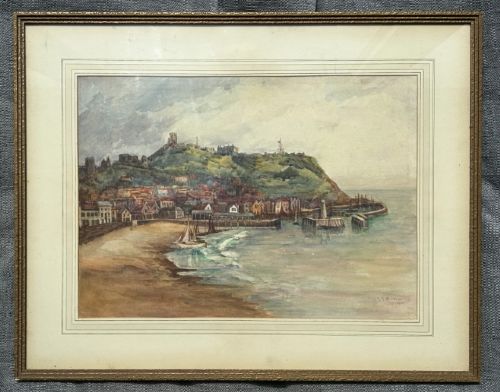
Blue Marine Watercolour
These blue marine watercolour works capture coastal scenes and maritime subjects on paper through delicate pigment and brushwork.
What blue marine watercolour works are
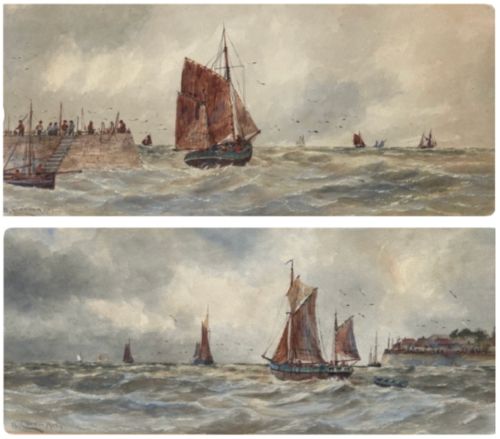
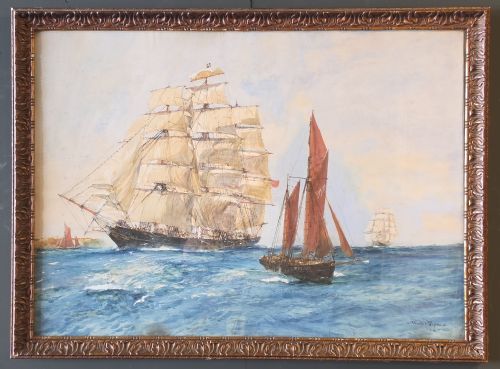
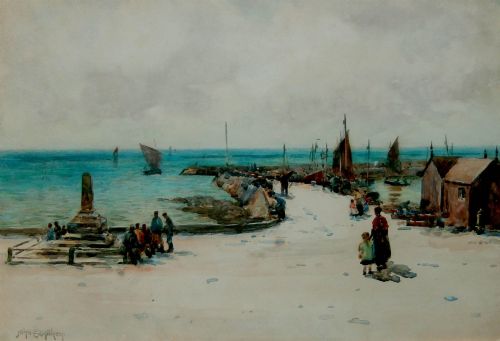
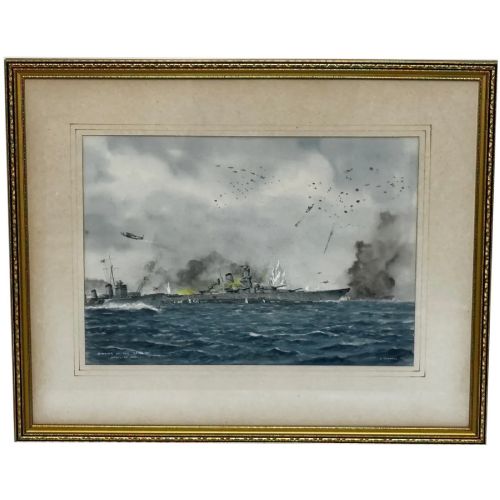
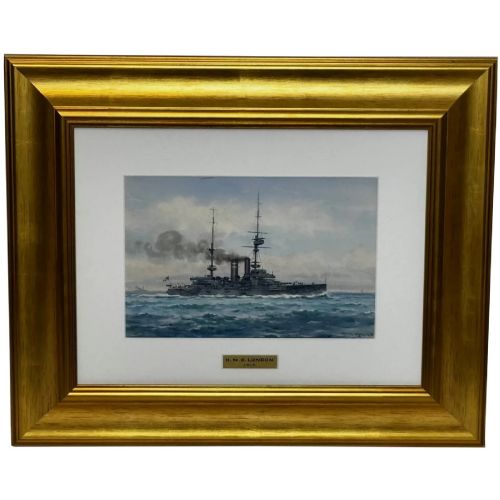
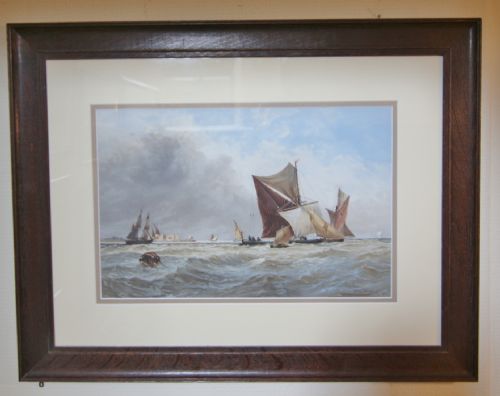
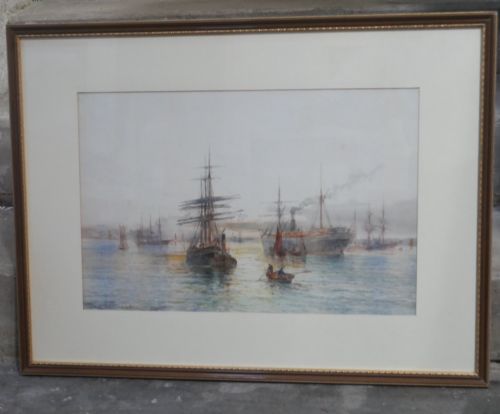
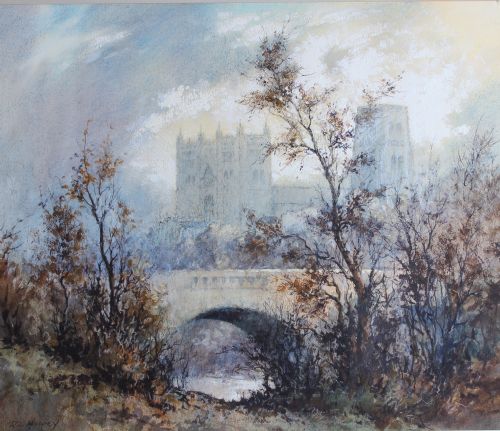
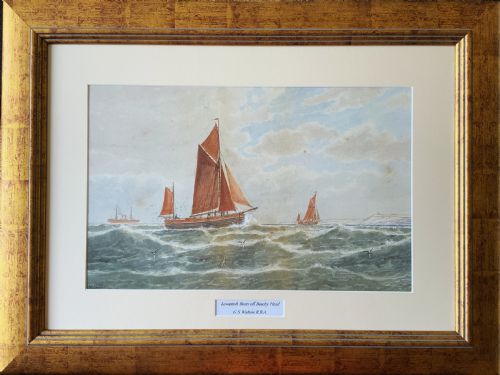
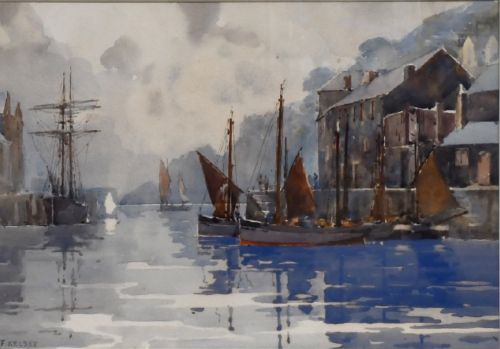
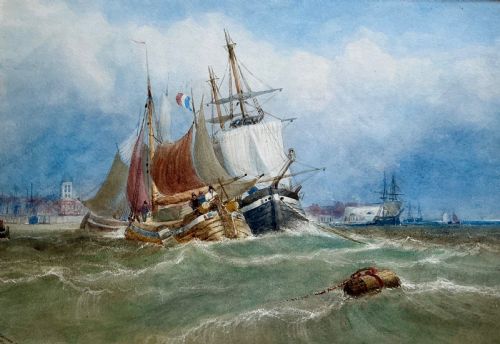
A blue marine watercolour represents coastal harbours, fishing vessels and seaside villages recorded across the early twentieth century. These paintings depict specific British coastal locations including Whitby, Staithes, Runswick Bay, Mousehole and Mevagissey.
The pieces on this page span several decades from the nineteen-tens through to nineteen-fifty, reflecting British Impressionism and Edwardian marine realism. Collectors encounter framed paintings executed as fine art works on paper.
Materials and methods
Artists applied watercolour pigment and gouache directly onto paper surfaces to capture atmospheric coastal light and sea spray. Works were subsequently mounted and glazed behind glass within wooden frames.
Makers utilised fluid washes and controlled brushstrokes to render coastal water and skies, relying on the white of the paper to provide luminosity.
Retail Price Guide 2026
Typical UK retail prices for blue marine watercolour, calculated from the Sellingantiques database of over a million retail prices indexed since 2003. This retail price guide relies exclusively on Sellingantiques data; no external sources or auction records are used, so the figures do not describe the wider market.
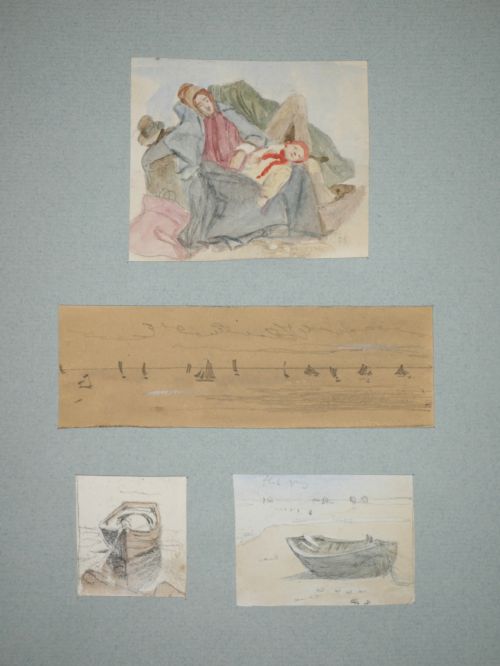
Several paintings record fishing cobles resting in Yorkshire harbours, preserved on paper long after the wooden boats vanished.
Judging quality
Quality rests upon the artist's ability to capture the movement of water and the atmosphere of specific coastal towns with economy of line. The strength of the composition and the preservation of the pigment against fading determine the standing of each piece.
Handling of light across the paper and the precision in depicting maritime vessels or architectural details separate standard topographical sketches from accomplished works by recognised practitioners.
Ernest F Hill·William Kay Blacklock·Robert Leslie Howey·Snaffles
The Blue Marine Watercolour Glossary
- Watercolour pigment
- Colouring matter ground with a water-soluble binder, applied in translucent washes upon paper. It allows artists to achieve luminous effects that reflect light through the paint layer.
- Gouache
- An opaque watercolour paint containing an added inert white pigment to increase opacity. Artists utilise it alongside transparent watercolour to pick out highlights on water and foam.
- British Impressionism
- A painting style developed in the late nineteenth and early twentieth centuries focusing on everyday subjects and natural light. Practitioners recorded transient effects outdoors directly from nature.
- Framed painting
- A work enclosed in a protective wooden housing behind glass. This method safeguards delicate works on paper from atmospheric moisture and dust.
Frequently Asked Questions
What subjects do these marine paintings show?
These works depict British coastal villages, fishing cobles pulled up on the shore, and harbour hotels. Locations range from Cornish fishing ports to Yorkshire seaside towns.
Artists focused on working boats, tidal inlets and coastal architecture observed directly from life during the early and mid twentieth century.
How should I hang watercolour paintings?
Watercolour paintings require protection from direct sunlight to prevent the pigments and paper from fading over time. Position them on interior walls away from strong windows.
Maintain stable room temperatures and avoid humid spaces such as kitchens or unheated bathrooms to preserve the paper and wooden frames.
What periods do these paintings represent?
The available works date from the nineteen-tens, nineteen-twenties and nineteen-fifties. These decades encompass Edwardian marine realism and mid-century British painting traditions.
Stylistic shifts appear between the earlier Edwardian depictions and the bolder mid-century coastal watercolours.
Are these works signed by the artists?
Many of these watercolours bear signatures or inscriptions identifying the specific artist and coastal location. Professional painters of the period typically signed their finished exhibited works.
Inscriptions often record the exact Yorkshire or Cornish village depicted, providing a clear provenance for each piece.