




Canvas Seascape Oil Painting
Canvas seascape oil painting captures the dramatic moods of the sea, offering buyers historical maritime scenes and atmospheric coastal views.
Canvas Seascape Oil Painting
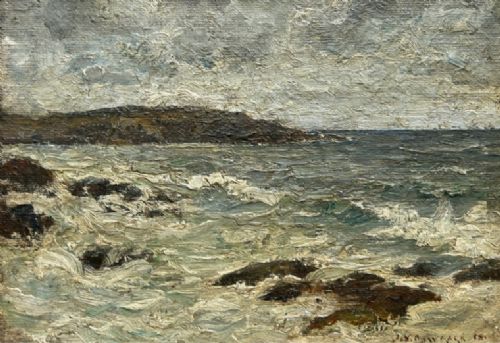
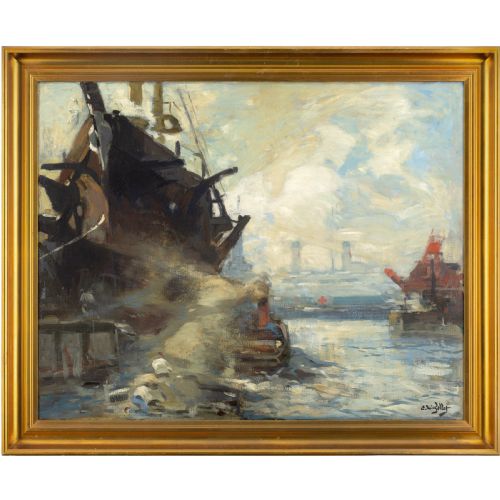
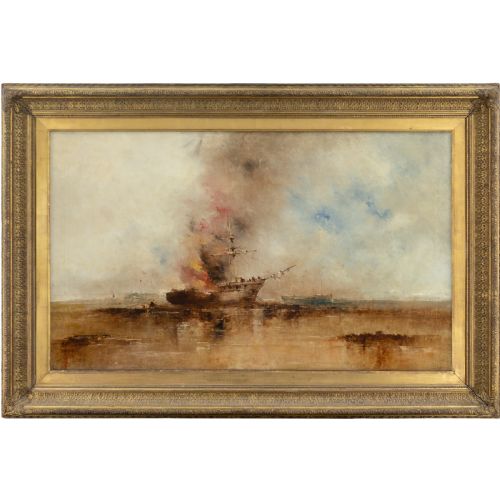
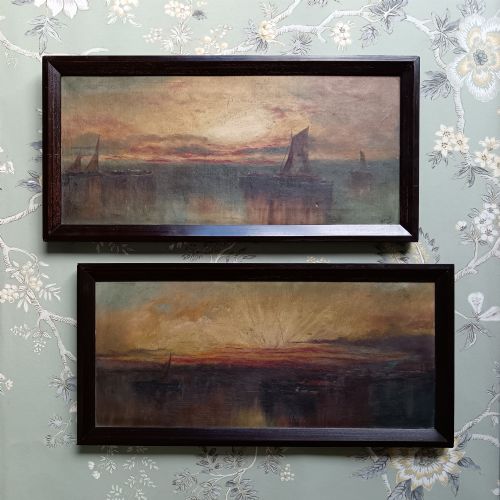
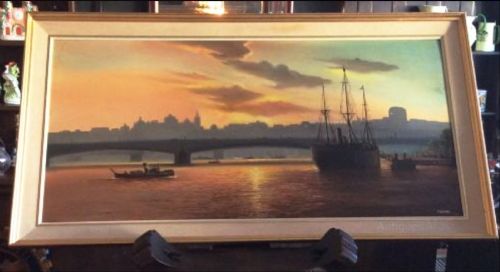
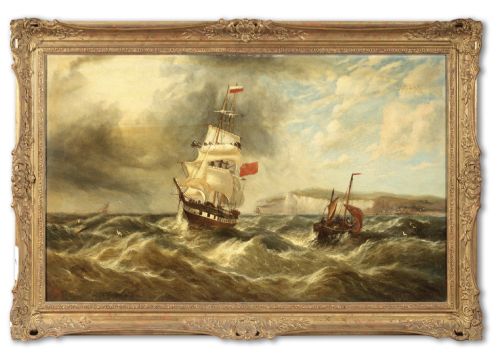
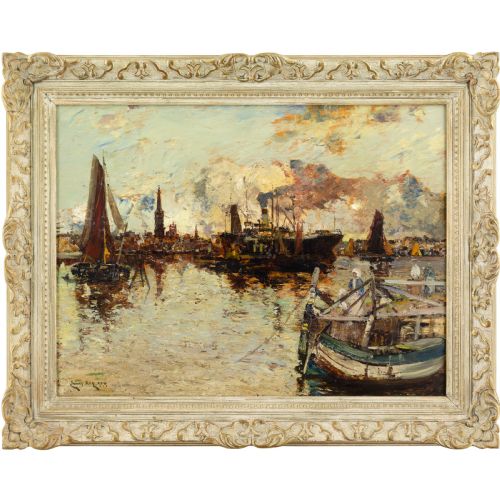
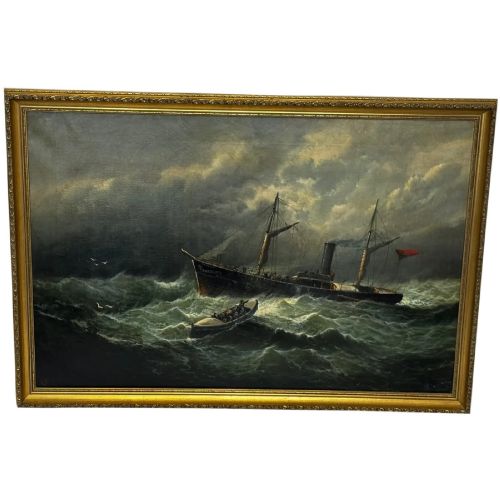
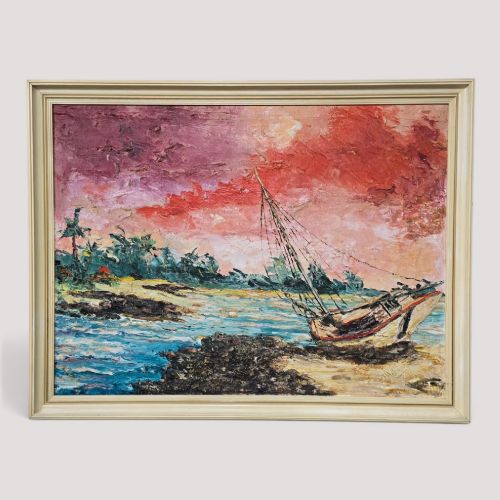
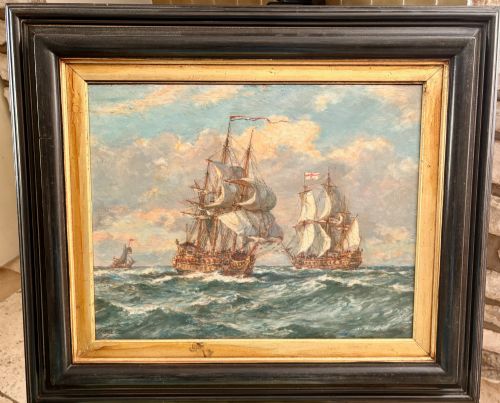
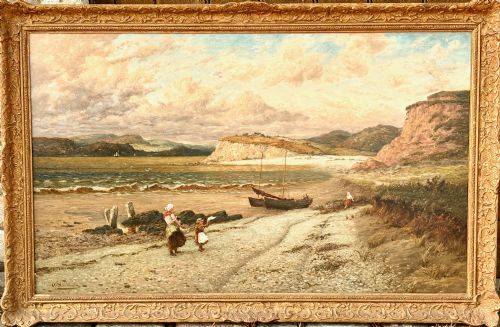
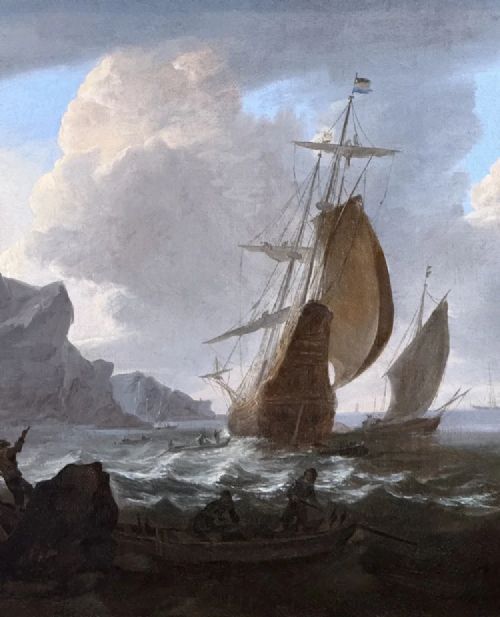
When searching for a canvas seascape oil painting, buyers encounter works depicting maritime life, coastal harbours, and stormy seas from the nineteenth century onward. These pieces range from calm river estuaries and quiet beach scenes to tumultuous open-water shipwrecks and bustling port arrivals.
The selection includes Victorian maritime studies, Edwardian coastal landscapes, and mid-twentieth-century interpretations. Works frequently capture specific locations such as Venetian lagoons, Yorkshire fishing ports, and international shipping lanes.
Framed examples often retain their original giltwood surrounds, while others present unframed canvas or board supports ready for display. Collectors find both signed works by known artists and accomplished pieces from regional British and European schools.
How They Were Made
Artists painted primarily with oil paint applied to stretched canvas, though certain works utilise canvas attached to board or wood panels. The medium allowed painters to build rich textures, from smooth water glazes to heavy impasto waves.
Gilt and giltwood frames completed the presentation, providing decorative borders that enhanced the depth and luminosity of the oil pigments. Many nineteenth and early twentieth-century examples relied on traditional wooden stretchers to maintain canvas tension.
Canvas Seascape Oil Painting Retail Price Guide 2026
Typical asking prices for canvas seascape oil painting among the pieces listed under this phrase on Sellingantiques today, from the lower quarter to the upper quarter. They describe what is for sale here now, not the wider market.
Listings feature oil on canvas alongside works on board, spanning Victorian marine studies to mid-century modern coastal views.
What Varies in Quality
Quality rests in the artist's handling of light, atmosphere, and movement across water and sky. Master painters capture the weight of rough seas and the subtle shifts of sunrise and sunset with assured brushwork.
Composition and historical detail distinguish finer works, particularly in depictions of rigging, vessel architecture, and coastal topography. The integrity of the original canvas and the preservation of the painted surface further define the standing of each piece.
Kenneth Cozens·Clifford Hanney·Eugène-Louis Gillot·William McAlpine·James Kay·Bonaventura Peeters·Clive Browne·Peter Brannan·Francis Moltino·Bernard Benedict Hemy·Thomas Creswick·Willem Bos·Charles Euphraisie Kuasseg·John Wilson Carmichael·Joseph Farquharson·Erich Mercker·Thomas Hodgson Liddell
The Canvas Seascape Oil Painting Glossary
- Impasto
- Paint applied thickly to a canvas, standing out in relief from the surface. This technique adds tactile dimension to crashing waves and turbulent skies.
- Giltwood
- Wood carved and covered with a thin layer of gold leaf or gold-coloured metal. It provides ornate framing for traditional marine artworks.
- Stretcher
- The wooden framework that holds a canvas taut. Period stretchers offer clues to the age and origin of an oil painting.
- Maritime Art
- Depictions of the sea, ships, and coastal views. This genre encompasses historical naval battles, merchant shipping, and quiet fishing harbours.
Canvas Seascape Oil Painting: Frequently Asked Questions
How do I date a canvas seascape?
Dating relies on stylistic evidence, artist signatures, and framing materials. Nineteenth-century works often feature traditional wooden stretchers and heavier gilt frames, while later pieces reflect twentieth-century modernist movements.
Examining the type of canvas weave and any inscriptions on the reverse helps narrow the period of creation.
Were these paintings always framed?
Most antique marine oils were sold within complementary frames, often ornate giltwood designs meant to enhance the artwork. Surviving period frames frequently stay with the canvas.
Unframed canvases or works on board also appear, sometimes indicating they were intended for alternative display or subsequent framing by the collector.
How should I care for an oil painting?
Keep paintings away from direct sunlight, excessive moisture, and rapid temperature changes to protect the oil paint and canvas. Dust the surface gently with a soft, dry brush without applying pressure.
Avoid using liquid cleaners or attempting DIY restorations on historic canvas works.
What subjects are most common?
Common subjects include bustling Victorian harbours, fishing trawlers in heavy seas, and calm coastal inlets. Artists frequently recorded specific British and European ports, merchant ships, and dramatic coastal cliffs.
Views range from tranquil Venetian canals to stormy maritime disasters.