
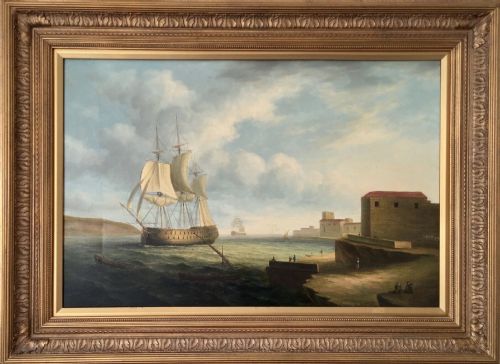


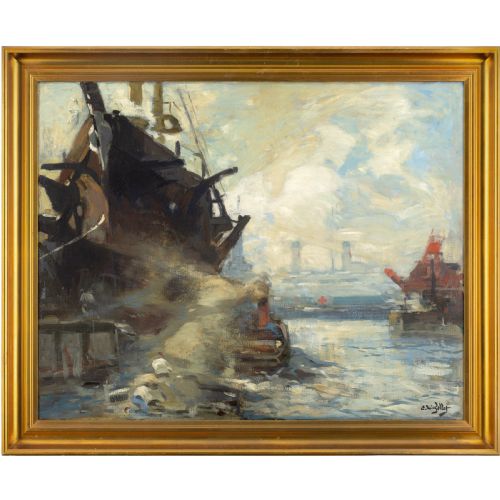
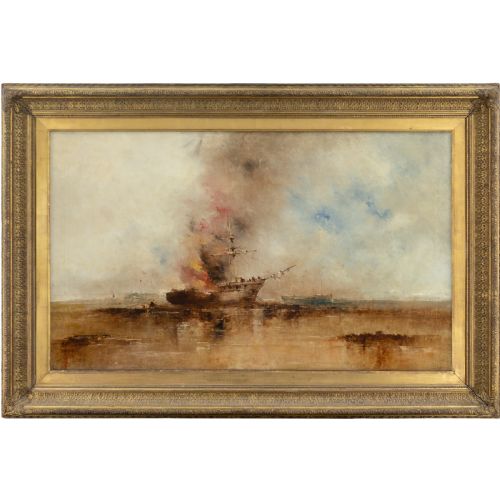

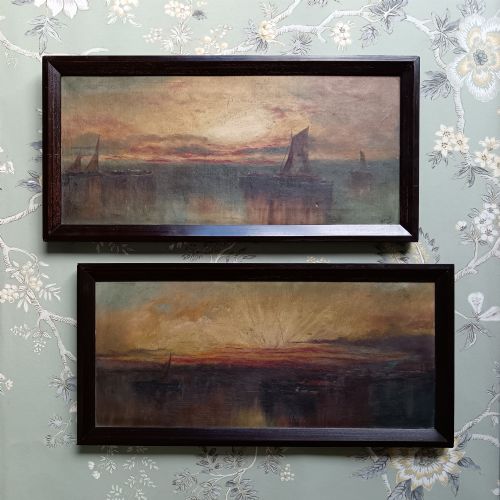


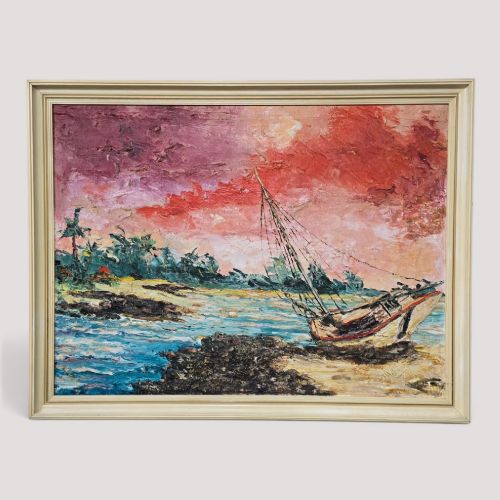
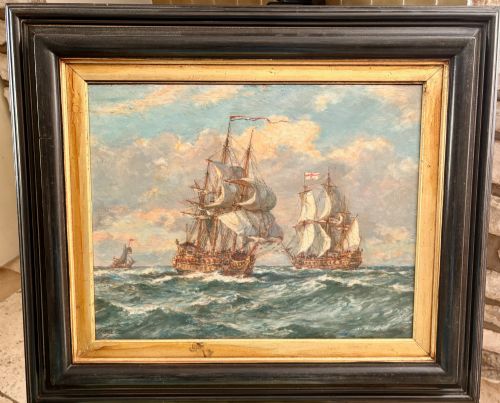
Framed Seascape Oil Painting
A framed seascape oil painting brings the movement of coastal tides and open water directly onto a wall.
Framed Seascape Oil Painting
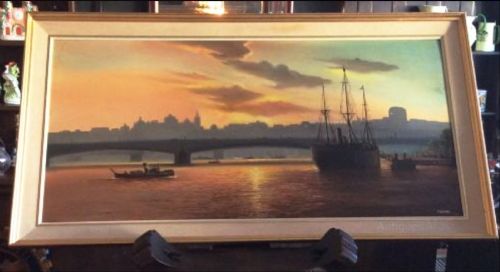
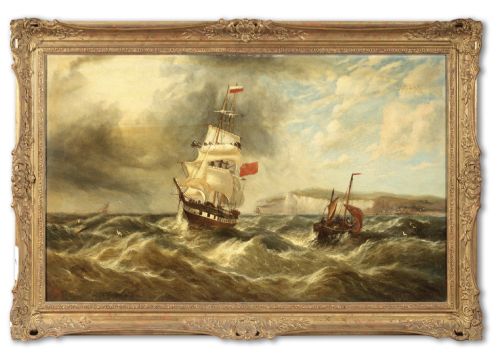
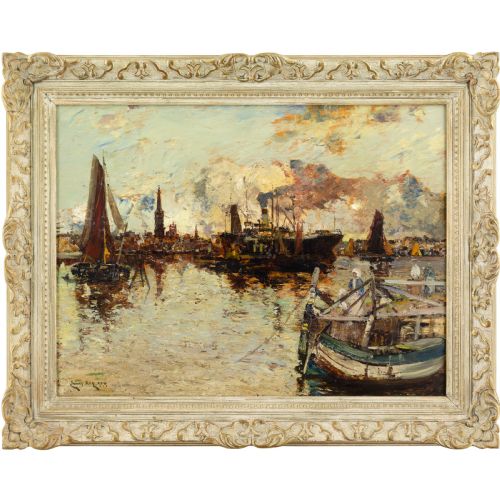
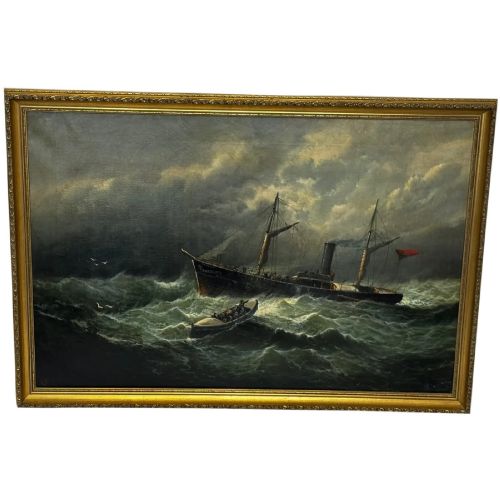
A framed seascape oil painting captures maritime scenes, coastal views and open waters across multiple centuries. The selection ranges from nineteenth-century canvas depictions of shipping vessels in heavy seas to twentieth-century depictions of harbour scenes and coastal inlets.
Most examples originate from the Victorian period through to the mid-twentieth century, encompassing British and European coastal landscapes. Buyers encounter works executed on canvas, wood panel and board, retained within their original or period frames.
How they were made
Artists applied oil paint to stretched canvas, wooden panels or boards, utilising brushwork and palette knives to render the texture of water, clouds and sails. En plein air execution allowed painters to capture changing light directly on the coast.
Works are typically housed in wooden frames finished with gilt, giltwood or paint, which protect the edges of the substrate and complement the palette of the maritime scene.
Framed Seascape Oil Painting Retail Price Guide 2026
Typical asking prices for framed seascape oil painting among the pieces listed under this phrase on Sellingantiques today, from the lower quarter to the upper quarter. They describe what is for sale here now, not the wider market.
Framing materials include carved timber finished with gilt and giltwood alongside simpler painted wooden mouldings.
What varies in quality
Quality rests upon the artist's ability to render light, atmosphere and the specific movement of water or maritime vessels. Finer works display confident brushwork and precise command of perspective, particularly in complex depictions of ships and architectural backdrops.
The construction and finish of the surrounding frame also influence the overall standard, with period giltwood mouldings offering greater visual harmony to the painting they enclose.
James Hardy·Clifford Hanney·Eugène-Louis Gillot·William McAlpine·Sidney A Court·B Nash·Edward Mills·John Rose Miles·James Kay·William Broome·Bernard Gribble·Bonaventura Peeters·F Corpuz·Clive Browne·Peter Brannan·Francis Moltino·Bernard Benedict Hemy·Thomas Creswick·Lucy Pratt·James Fry·Ethel Sands·Willem Bos·Cecil Allan Mould·Charles Euphraisie Kuasseg·John Wilson Carmichael
The Framed Seascape Oil Painting Glossary
- En plein air
- Painting outdoors to capture direct natural light and atmospheric conditions. This technique became prominent in nineteenth-century landscape and marine art.
- Giltwood
- Timber carved and coated with a thin layer of gold leaf or metallic paint. It is frequently found on nineteenth-century and Edwardian picture frames.
- Marine painting
- Artwork depicting ships, harbours, naval battles or coastal views. These subjects span commercial shipping, dramatic rescues and peaceful anchorages.
- Panel painting
- A work executed on a flat piece of wood rather than stretched canvas. This rigid support was common in earlier centuries before canvas became dominant.
Framed Seascape Oil Painting: Frequently Asked Questions
How do I clean the frame?
Dust the moulding gently with a dry, soft-bristled brush to remove surface particles without disturbing the finish.
Avoid using water or chemical cleaners on gilt and wood surfaces, as moisture can lift the gilding or damage the timber.
Can I hang these in direct sunlight?
Direct sunlight causes oil pigments to fade and accelerates the ageing of varnish and wooden panel supports over time.
Position paintings on interior walls away from windows to protect the canvas and the gilt frame from thermal stress.
How do I identify the period?
Examine the construction of the frame, the type of canvas or board, and the style of the brushwork and signature.
Victorian and Edwardian works often feature specific framing profiles and stretcher types that correspond to nineteenth-century workshop practices.
Were these painted outdoors?
Many marine and coastal artists worked en plein air to record accurate observations of changing sea states and coastal weather.
Studio finishing was often applied afterward to larger canvases, combining direct sketches with compositional work.