


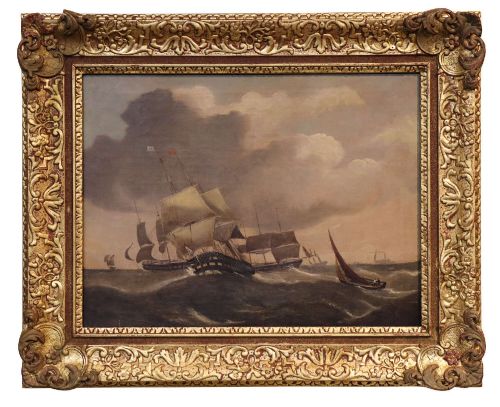
Framed Sailing Ship Art
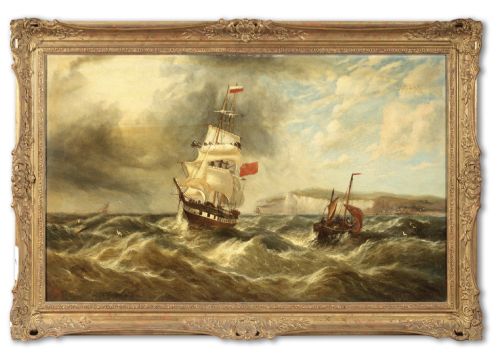
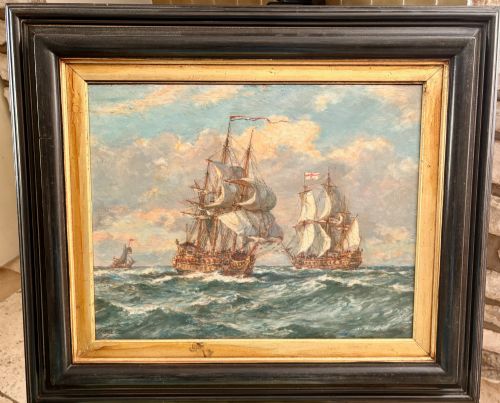
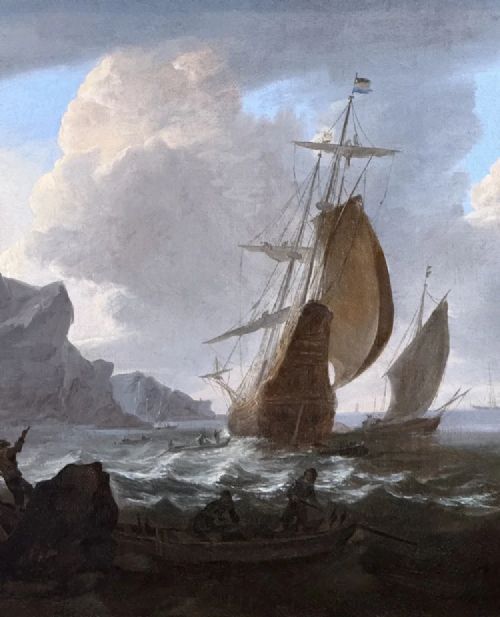
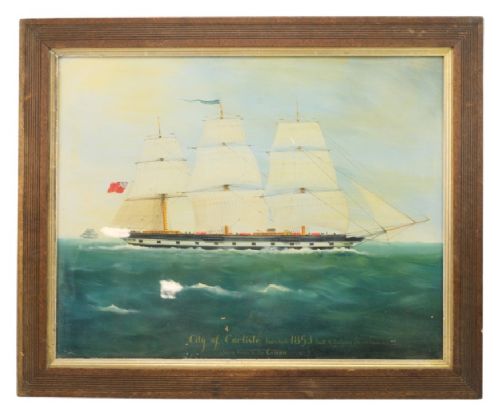
Framed sailing ship art captures historical vessels and coastal waters through traditional oils, watercolours, and detailed three-dimensional models.
Framed Sailing Ship Art
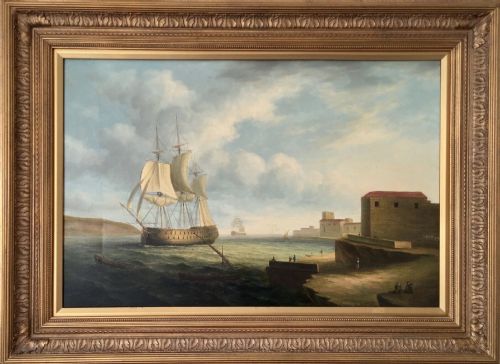
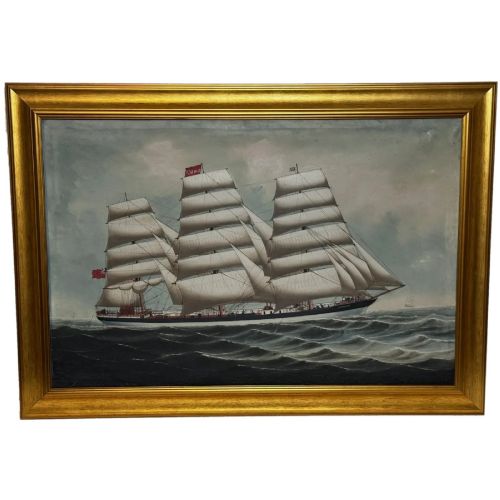
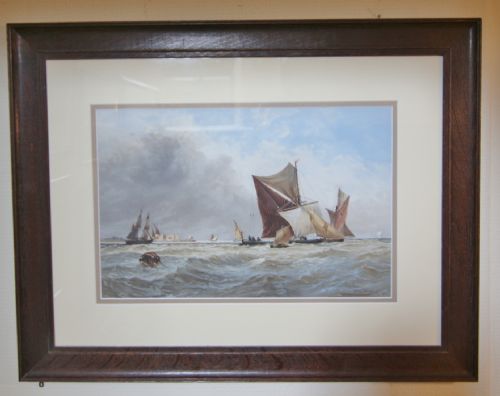
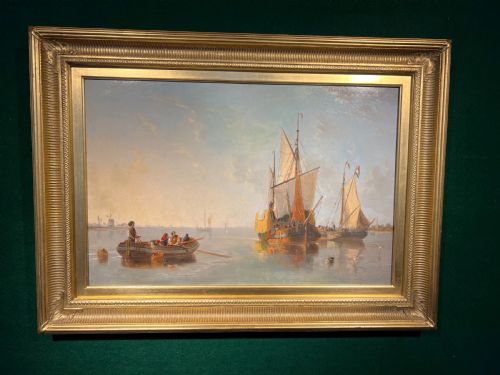
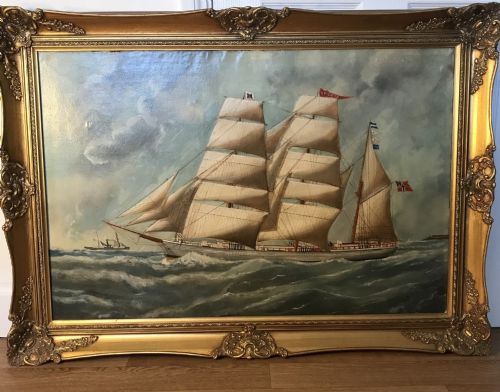
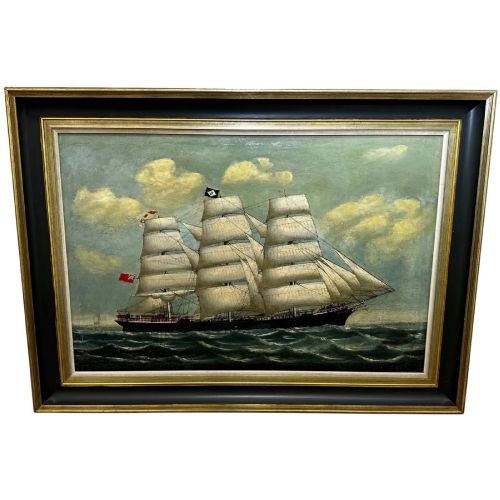
Framed sailing ship art encompasses painted depictions of galleons, clippers, and merchant vessels navigating coastal waters and open seas. Collectors encounter works spanning the eighteenth, nineteenth, and mid-twentieth centuries, executed in diverse regional schools.
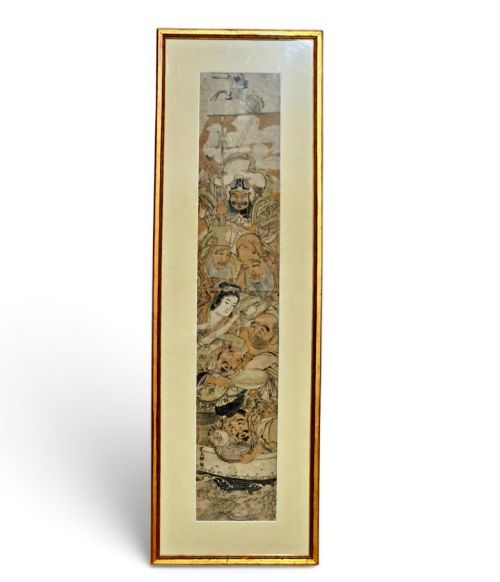
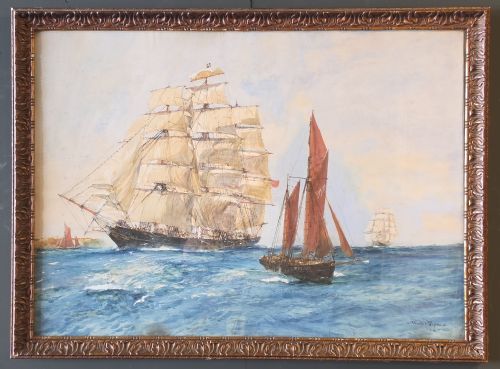
The selections on this page range from flat watercolours and oil paintings on canvas or panel to intricate shadow box dioramas containing handmade model boats. Marine art from this tradition records specific historical vessels, naval engagements, and everyday maritime commerce.
Victorian maritime pieces and Edwardian watercolours dominate the available selection, often preserved in original giltwood frames. These objects reflect a period when maritime trade and naval power deeply influenced visual culture.
Materials and Construction
Painters utilised oil on canvas, board, and panel, as well as watercolour on paper, capturing light on water and vessel rigging. Frames fashioned from wood and giltwood enclose these flat works, providing structural support and period aesthetic context.
Three-dimensional pieces employ carved wood, paper, and glass to construct shadow box dioramas and miniature boat models. These handmade constructions combine flat painted backdrops with physical miniature rigging and hull structures.
Listings feature works spanning the eighteenth century through to the mid-twentieth century, executed in oil and watercolour.
Evaluating Quality
The skill of the maritime artist determines the fidelity of the vessel's rigging, hull proportions, and atmospheric sea conditions. Works by documented marine painters demonstrate superior handling of light, shadow, and maritime architecture compared to anonymous school pieces.
The integrity of the framing, particularly original giltwood surrounds, contributes significantly to the integrity of the piece. In dioramas, the intricacy of the handmade boat model and the preservation behind glass dictate the overall standard.
Reginald Arthur Borstel·Charles Edward Dixon·John Rose Miles·Bernard Gribble·Bonaventura Peeters·John Wilson Carmichael·Lai Fong·Abraham Hulk I·Daniel Sherrin
The Framed Sailing Ship Art Glossary
- Maritime diorama
- A three-dimensional display featuring a model ship set against a painted background, enclosed in a wooden and glass frame. These pieces combine flat art with physical model-making.
- Giltwood
- Wood that has been coated with a thin layer of gold leaf or gilt powder. This material frequently appears on nineteenth-century frames surrounding marine paintings.
- Barque
- A sailing vessel with three or more masts, having the fore and main masts square-rigged and the mizzenmast fore-and-aft rigged. This specific rig appears frequently in nineteenth-century ship paintings.
- Galleon
- A large, multi-decked sailing ship used primarily by European states from the 16th to 18th centuries. Artists rendering historical naval scenes often depict these vessels.
- Watercolour
- A painting method in which the paints are made of pigments suspended in a water-soluble vehicle. Many Edwardian marine works utilise this technique on paper.
Framed Sailing Ship Art: Frequently Asked Questions
How do I identify a nineteenth-century maritime painting?
Examine the materials, stretcher frames, and canvas types used by the artist, as nineteenth-century works often feature hand-mixed oil pigments on heavy linen.
Signatures, framing styles, and historical subject matter such as named merchant ships or naval battles also help establish the date.
What is the difference between a painting and a diorama?
Paintings utilise two-dimensional oils or watercolours on canvas, board, or paper to depict ships upon the water.
Dioramas construct a physical, three-dimensional model of a sailing ship inside a framed box, combining sculpture with a painted backdrop.
How should I care for framed maritime watercolours?
Watercolours are sensitive to direct sunlight, which can fade pigments and discolour paper over time.
Display these pieces away from direct windows and maintain stable indoor humidity levels to protect the paper and frame.