


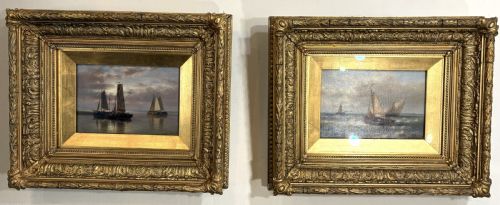

Sailing Boat Oil Artwork
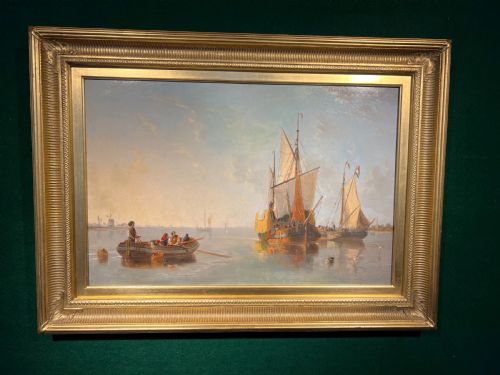
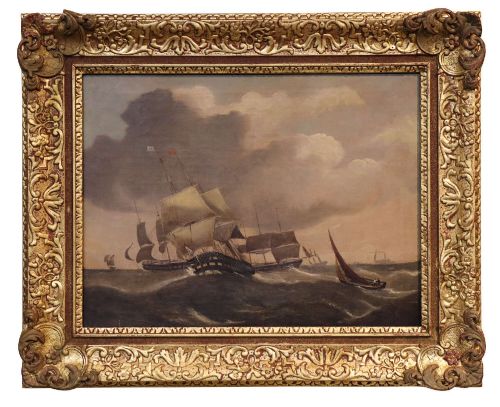
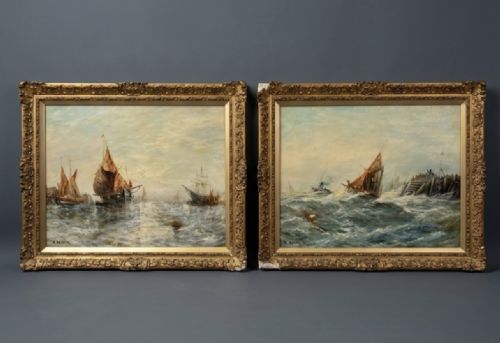
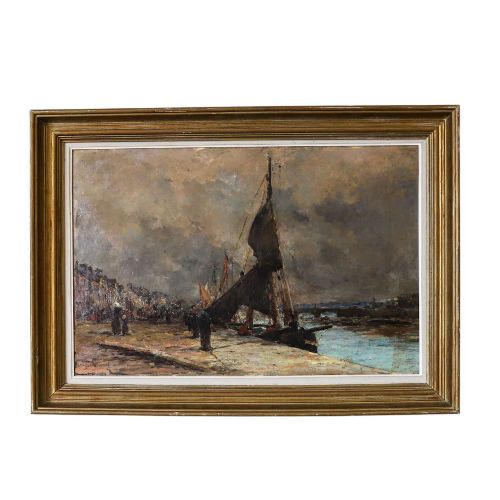
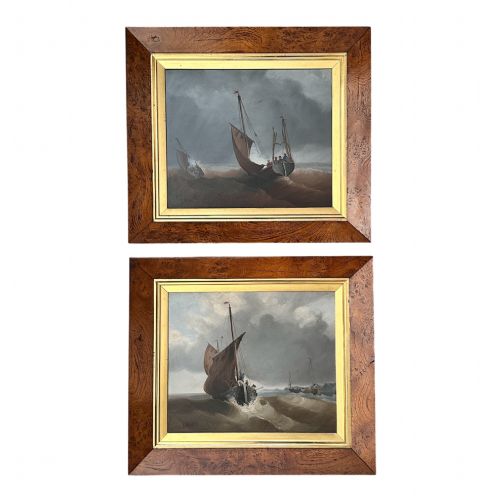
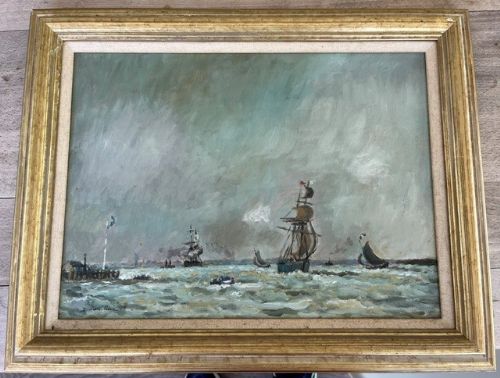
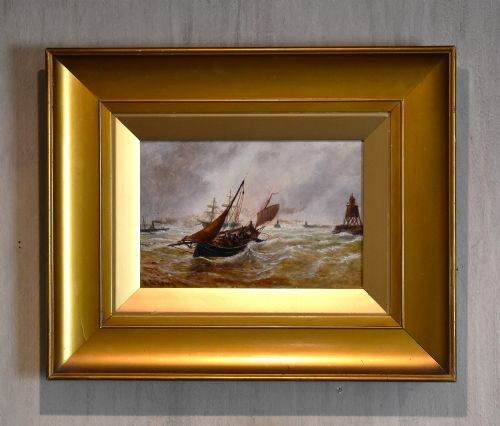
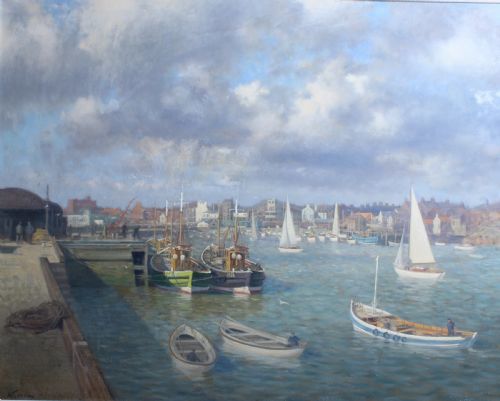
Sailing boat oil artwork captures maritime life, coastal views, and naval history through the rich textures of oil paint.
Sailing Boat Oil Artwork
A sailing boat oil artwork represents maritime subjects rendered in oil paint, encompassing bustling harbours, dramatic storms, and quiet river scenes. When you examine this selection, you encounter pieces originating from the eighteenth, nineteenth, and twentieth centuries.
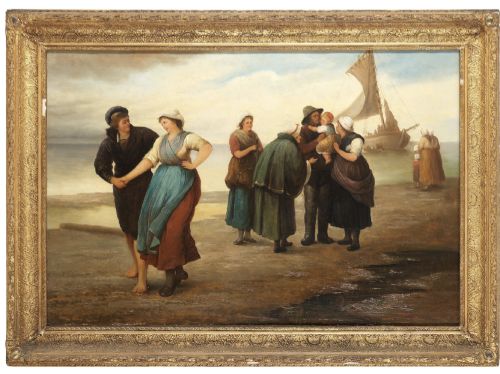
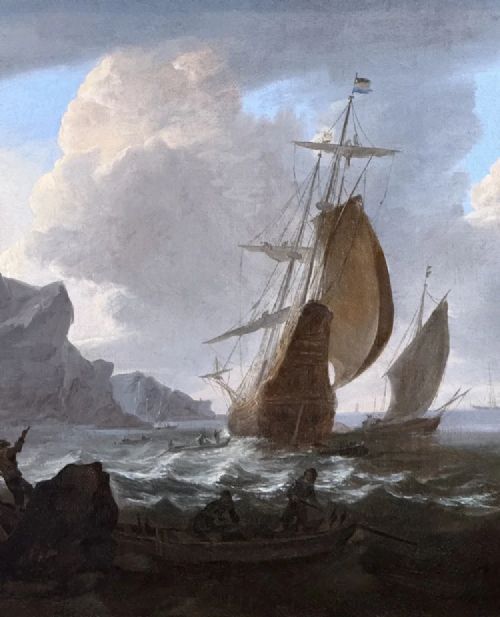
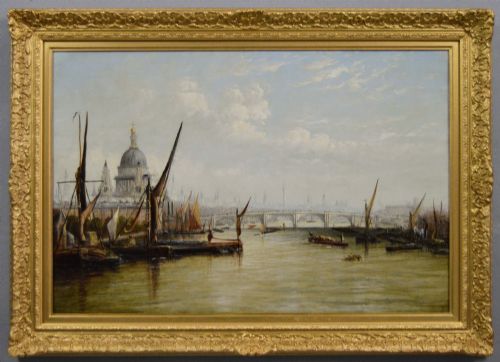
The most common examples on this page are nineteenth-century marine scenes depicting coastal shipping, fishing vessels, and open seas. These works frequently arrive in period gilt wood frames that complement the maritime subject matter.
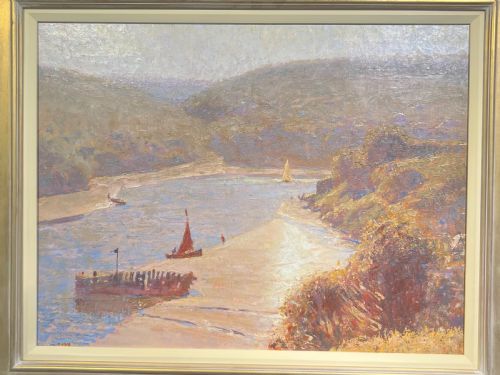
Makers range from named British and European painters working in impressionist or realist styles to anonymous practitioners of the British School. Works stretch from early Georgian depictions of warships to mid-twentieth-century post-war impressionist river views.
Materials and Techniques
Artists painted these works primarily with oil paint applied to stretched canvas, wooden board, or card. The medium allowed for slow drying times, enabling painters to blend colours smoothly and build up heavy impasto textures for rough seas.
Support materials varied according to the period and scale, with sturdy linen canvases holding large maritime vistas and smaller wood panels used for intimate coastal sketches. Many works retain their original gilt wood frames, constructed from carved and gilded timber.
Several canvas scenes capture cannon fire and warships, proving that historic commutes were occasionally louder than yours.
Quality Variations
Quality in these paintings rests upon the artist's command of light, atmosphere, and maritime architecture. Superior works render rigging, hull construction, and water movement with convincing accuracy and confident brushwork.
The handling of the atmosphere distinguishes finer examples, where stormy skies or calm coastal light possess genuine depth. Conservation state and the presence of a period matching gilt frame also influence the standing of an individual piece.
Bonaventura Peeters·Francis Moltino·Cecil Allan Mould·John Wilson Carmichael·John Moore of Ipswich·Bernard Benedict Hemy·Walter Goodin·Abraham Hulk I·Elisabeth Bardon·Charles Napier Hemy·Adrian Van Porten·Edward Henry Eugene Fletcher·George Shaw·Edward Seago·Stephen J. Renard·Edward Henry Holder·Alfred Henry Vickers·George Henry Knight·John Callow
The Sailing Boat Oil Artwork Glossary
- Impasto
- Paint applied thickly to a canvas or board, leaving visible brush or palette knife marks that add physical texture.
- Seascape
- A painting depicting the sea, coastal views, ships, or maritime activity.
- Gilt wood
- Wood that has been coated with a thin layer of gold leaf or gold paint, standard for framing historic art.
- Maritime
- Relating to the sea, navigation, shipping, and coastal trade or warfare.
- British Impressionism
- A late nineteenth and early twentieth-century painting style focusing on light, fleeting moments, and looser brushwork.
Sailing Boat Oil Artwork: Frequently Asked Questions
What periods do these paintings cover?
The works span from the eighteenth century through the Victorian era and into the mid-twentieth century.
Dates represented include Georgian, nineteenth-century, Edwardian, and post-war twentieth-century periods.
What subjects appear in these maritime works?
Subjects include coastal townscapes, fishing boats in heavy seas, naval battles, and quiet river sailing.
Scenes range from Dutch coastal views and French ports to Thames barges and Cornish harbours.
How should I hang an oil painting?
Display oil paintings away from direct sunlight and steady heat sources to protect the canvas and paint layers.
Ensure sturdy wall fixings support the weight of the timber stretcher and gilt frame.
What surfaces were used by the artists?
Artists painted primarily on oil on canvas, while others utilised wooden panels, board, or card.
Supports were chosen based on the scale of the composition and the portable nature of the work.