



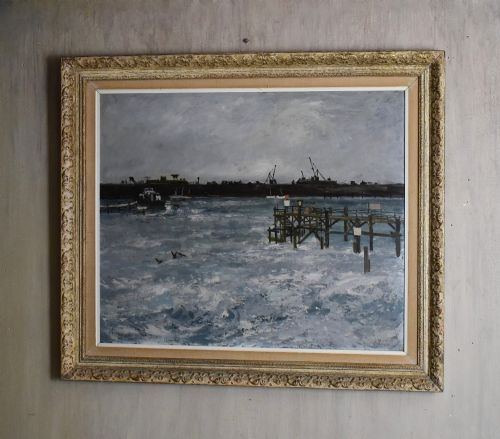
Nautical Canvas Painting
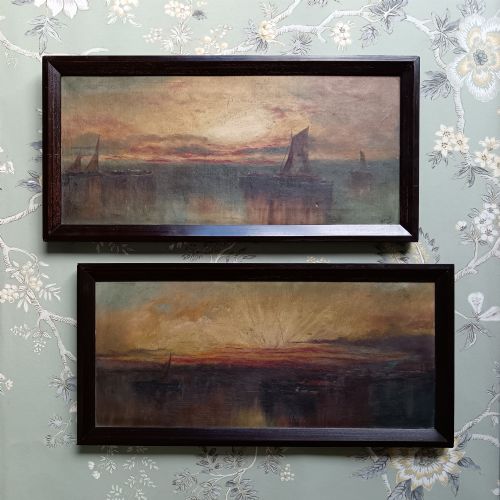
When you want a nautical canvas painting, you are looking for maritime scenes captured in oil that bring historical waters into a room.
Nautical Canvas Painting
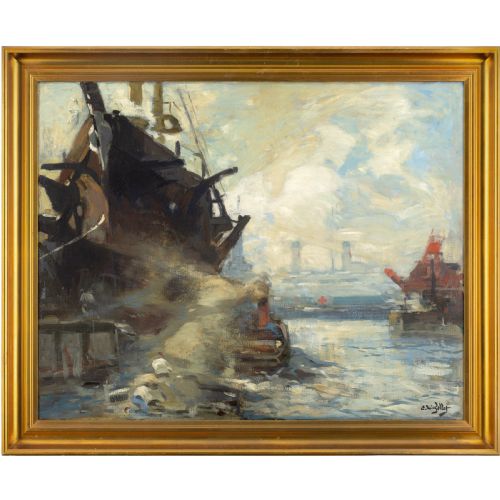
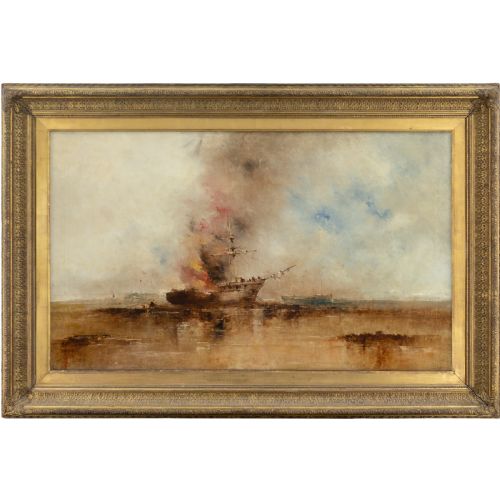
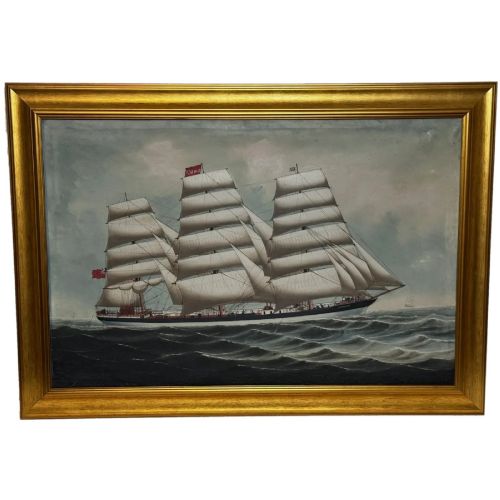
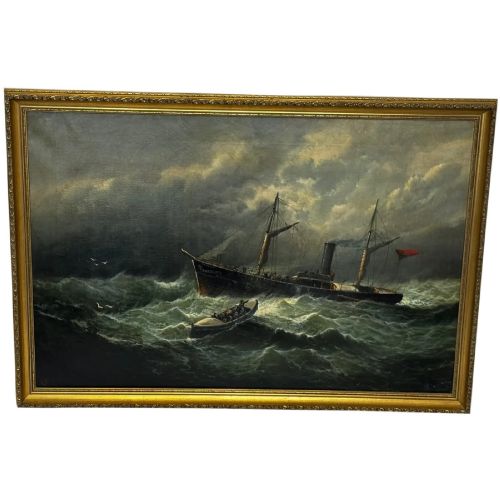
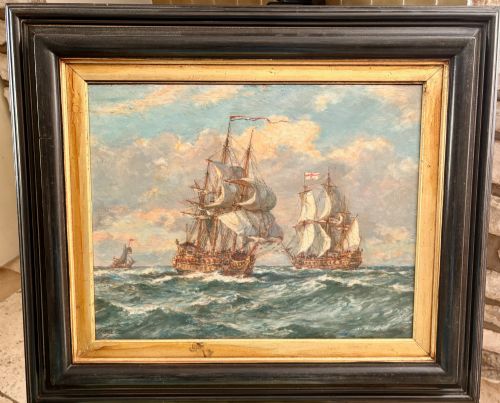
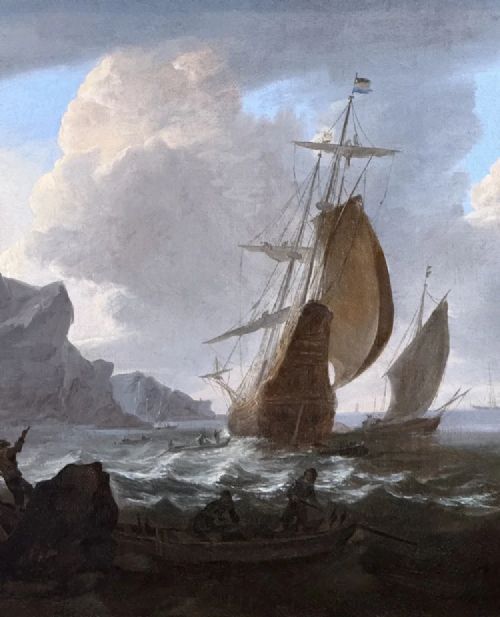
A nautical canvas painting depicts ships, harbours, and open seas, capturing vessels from majestic three-masted schooners to steamships and working barges. These works range from early depictions by named artists to anonymous school pieces spanning several centuries.
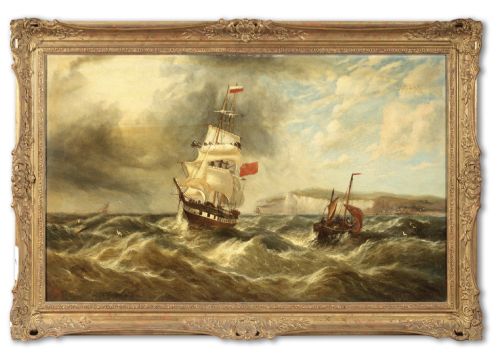
The most common examples encountered on this page date from the nineteenth and early twentieth centuries, framed in period wood or gilt mouldings. They capture dramatic coastal rescues, quiet anchorages, and turbulent ocean crossings.
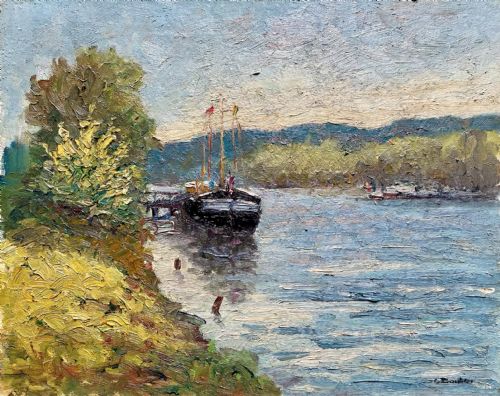
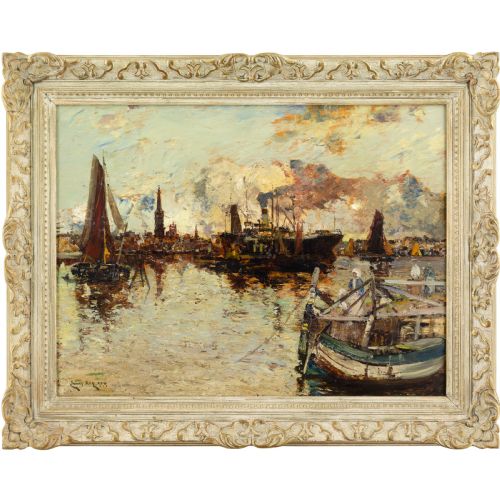
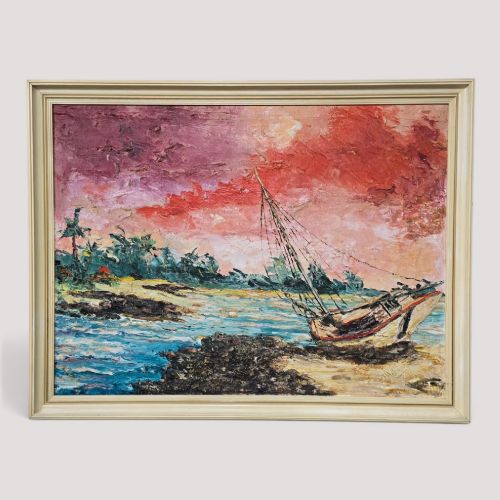
Works in this category also extend into twentieth-century post-impressionist and modernist interpretations of maritime life. These later pieces offer looser brushwork and distinct colour palettes while maintaining the core subject of ships and the sea.
How they were made
These works are executed primarily in oil paint on woven canvas stretched over wooden frames, though some examples appear on wooden board. Oil paint allowed artists to build up thick impasto for churning waves or apply thin glazes for calm coastal waters.
Frames are typically constructed from wood, often finished with gilt or giltwood to complement the maritime subject matter. The combination of durable oil pigments on canvas has helped these seascapes survive damp coastal environments over generations.
Several canvases capture named vessels battling gale-force winds, reminding viewers that the sea rarely stays still for a portrait.
What varies in quality
Quality in a nautical canvas painting rests upon the artist's command of maritime architecture and atmospheric conditions. Superior works demonstrate an accurate understanding of rigging, hull construction, and the way light interacts with water and sky.
The handling of movement distinguishes finer pieces from routine output, particularly in depictions of heavy seas or vessels under full sail. Furthermore, the originality and historical documentation of the specific ship or location add considerable weight to a piece.
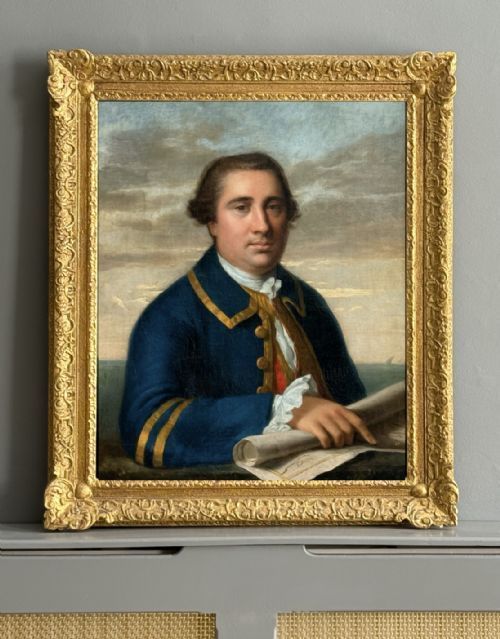
Eugène-Louis Gillot·William McAlpine·Lemuel Francis Abbott·James Kay·Abraham Hulk I·Charles Napier Hemy
The Nautical Canvas Painting Glossary
- Impasto
- Paint applied thickly to a canvas, standing out from the surface so that texture and brush marks remain visible. This technique is frequently used to render the churning foam of ocean waves.
- Giltwood
- Wood that has been coated with a thin layer of gold leaf or gilt powder. Many nineteenth-century marine paintings retain their original giltwood frames.
- Pierhead painting
- A specific genre of ship portrait created for captains or shipowners, usually depicting a named vessel arriving at or leaving a specific port. These works prioritize accurate details of rigging and flag signals.
- Barque
- A sailing vessel with three or more masts, having the foremast and mainmast square-rigged and the mizzenmast fore-and-aft rigged. This rig appears frequently in nineteenth-century maritime art.
- Post-Impressionism
- An art movement developing roughly from the late nineteenth century that rejected naturalistic depiction in favour of expressive colours and forms. In marine art, this yields simplified shorelines and vibrant water.
Nautical Canvas Painting: Frequently Asked Questions
What subjects do these paintings show?
These works depict a wide variety of maritime subjects, including royal navy shipping, merchant vessels, local fishing boats, and dramatic rescues. Scenes range from calm harbour anchorages to turbulent open seas and wartime engagements.
Artists often recorded specific historical ships and recognisable coastal landmarks such as Dover or Plymouth breakwater. This focus on identifiable vessels gives many of these works documentary value alongside their artistic merit.
How can I date a maritime painting?
Dating relies on a combination of canvas preparation, frame style, and the type of vessel depicted in the scene. Rigging configurations and ship architecture changed rapidly between the eighteenth and twentieth centuries, providing clear chronological markers.
Signatures, exhibition labels on the reverse, and artist biographical dates further narrow the period of creation. Unsigned works are often attributed to specific periods or schools based on handling and palette.
Where were these marine scenes painted?
Many works originate from British and European coastal communities where artists gathered to record local fishing fleets and shipping traffic. Other pieces document international ports, from the Mediterranean to the Baltic Sea.
Artists frequently worked plein air along cliffs and piers to capture authentic weather conditions and coastal light. Studio painters then translated these field studies into finished canvas compositions.
How should I display an oil painting?
Oil paintings on canvas require stable environmental conditions away from direct sunlight and sudden temperature fluctuations. Hanging them on interior walls helps protect the fabric and the wooden stretcher from excessive moisture.
Period frames complement these works but should be checked periodically to ensure the canvas remains secure within the rebate. Gentle dusting with a soft, dry brush is sufficient for routine maintenance.