



Vintage Ship Artwork
When you seek out vintage ship artwork, you are looking for maritime history captured in paint, watercolour, and etching from the nineteenth century to the mid-twentieth century.
Vintage Ship Artwork
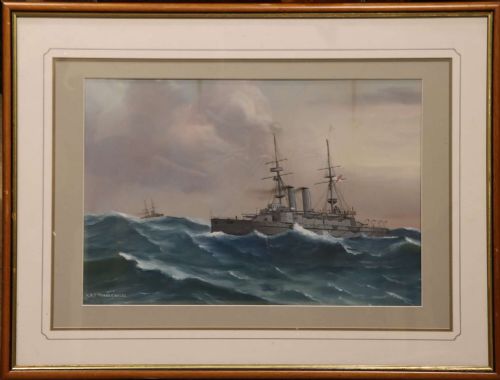
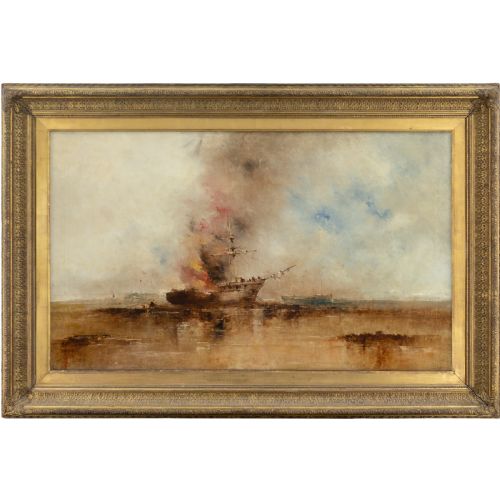
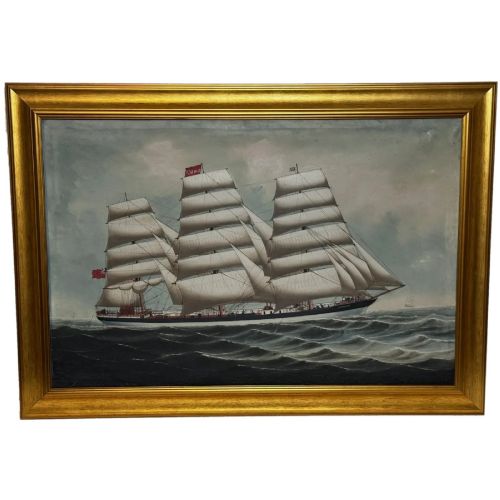
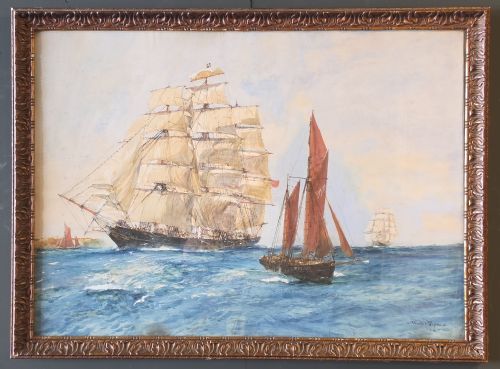
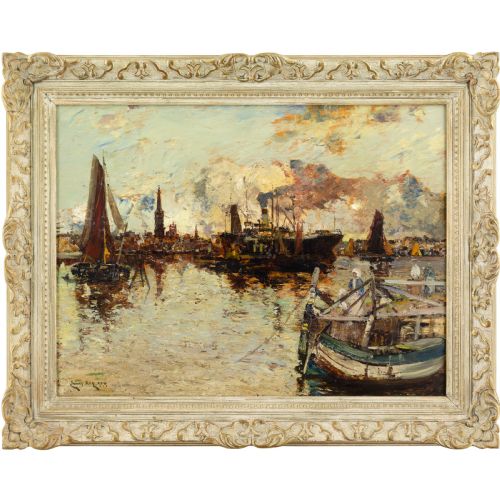
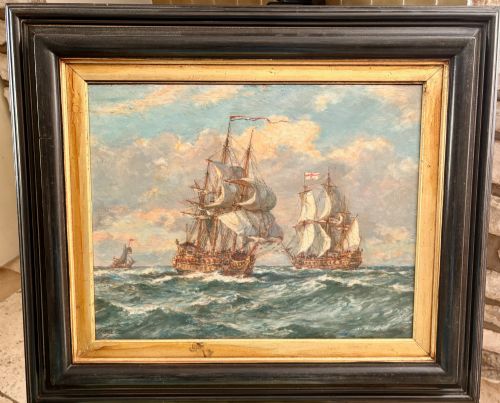
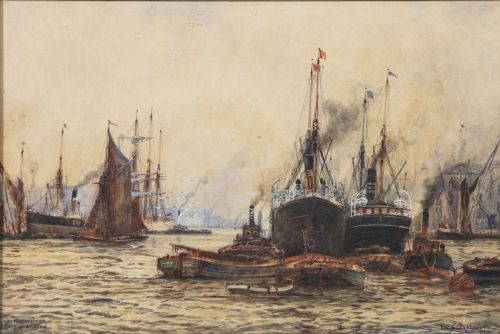
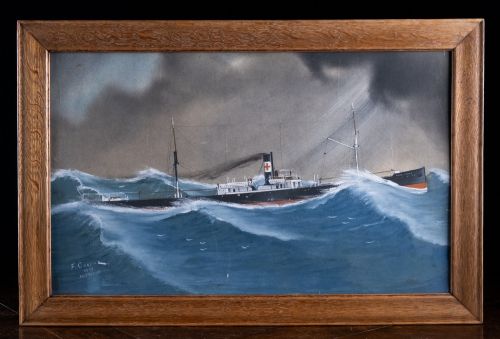
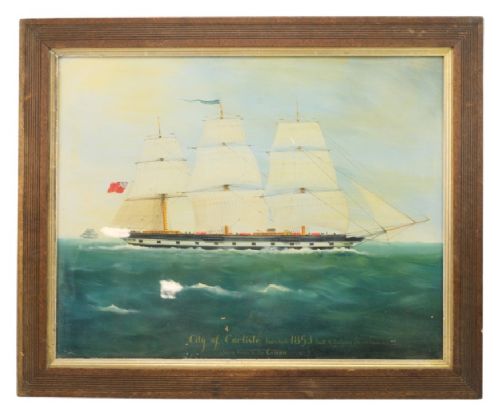
Vintage ship artwork comprises maritime paintings, watercolours, gouache works, and etchings depicting sailing vessels, steamships, and naval engagements. These pieces record commercial shipping, historic naval vessels, and coastal scenes across the nineteenth and twentieth centuries.
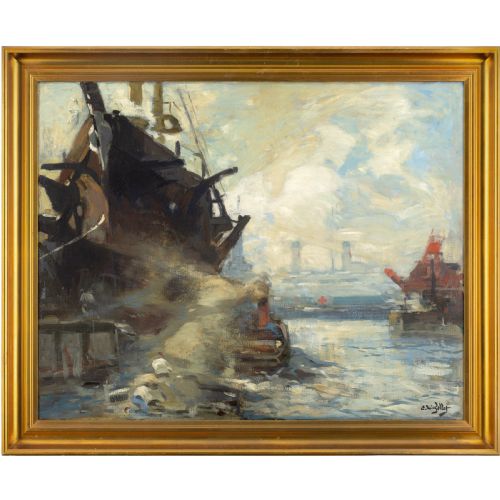
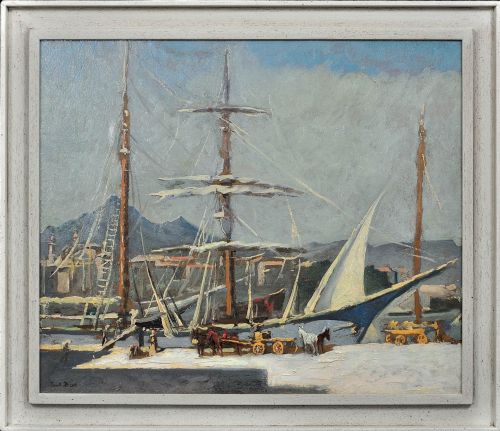
The selections available range from detailed nineteenth century oil paintings on canvas to Edwardian watercolours and mid-century harbour depictions. Buyers frequently encounter framed works depicting specific named vessels alongside broader seascapes and port scenes.
Originating predominantly from British and European studios, these works capture the transition from traditional sailing ships to steam-powered vessels. Each piece serves as both a decorative wall art item and a historical record of maritime activity.
Materials and technique
Artists utilised oil paint on canvas or board to build rich textures for stormy seas and dramatic skies, while others applied delicate watercolours and gouache on paper to render precise vessel rigging and port architecture.
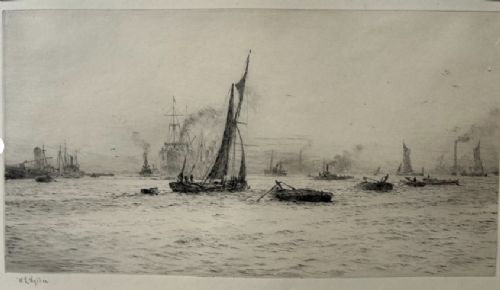
Many works incorporate original gilt frames that complement the maritime subject matter. Etchings on paper demonstrate fine linear control to capture the detail of naval vessels and river traffic.
Sailors sometimes commissioned pierhead portraits just to ensure their ship looked properly heroic, regardless of the weather.
Separating the range
Quality rests upon the artist's command of light, maritime architecture, and atmospheric conditions, distinguishing skilled observational works from standard decorative marine paintings. The precision in depicting rigging, hull construction, and water movement marks the distinction.
Provenance and documentation also elevate certain works, particularly those identifying specific named vessels, historical events, or recognised marine artists of the period.
Eugène-Louis Gillot·William McAlpine·Reginald Arthur Borstel·Charles Edward Dixon·James Kay·Bernard Gribble·William Lionel Wyllie·Frank William Scarbrough·F. Corpuz·Paul Bret·Bernard Benedict Hemy·Cyril Walduck Edwards·Lai Fong·Nicholas Condy·Alexander Harwood·Frank Kelsey·Abraham Hulk I·William Frederick Settle·Eric Tufnell·Vincenzo D’Esposito
The Vintage Ship Artwork Glossary
- Gouache
- An opaque watercolour medium that provides solid colour and sharp detail. It was frequently utilised for crisp depictions of ship hulls and flags.
- Seascape
- A work of art depicting the sea, coastal views, or marine vessels in motion. These scenes focus heavily on the interaction between water, sky, and light.
- Etchings
- Printmaking works created by cutting lines into a metal plate with acid to hold ink. They offer precise monochromatic detail of river traffic and harbour scenes.
- Gilt
- A gold leaf or gold-coloured application used on frames. It highlights the traditional presentation of nineteenth and twentieth century paintings.
- Pierhead painting
- A specific record of a commercial vessel often commissioned by its captain or owner. These portraits prioritized accurate representation of the ship.
Vintage Ship Artwork: Frequently Asked Questions
What is vintage ship artwork?
Vintage ship artwork consists of paintings, watercolours, gouache pieces, and etchings created between the nineteenth and mid-twentieth centuries. These items focus on maritime subjects, including sailing ships, steamships, and naval battles.
They offer a direct view into the maritime history and commercial shipping of past eras. Collectors acquire them for both their historical documentation and their artistic merit.
How were these marine paintings used?
Historically, maritime paintings served as records for ship owners, captains, and naval officers who wished to commemorate specific vessels or voyages. Pierhead paintings were often commissioned to document a particular ship's appearance.
In domestic settings, these artworks functioned as prominent wall decorations in living spaces and studies. They expressed an affinity for the sea, naval heritage, and maritime travel.
How do I date a ship painting?
Dating often relies on the depicted vessel type, such as distinguishing nineteenth-century wooden barques from Edwardian steamships or World War battleships. Clothing styles of any figures present and artist signatures also provide chronological markers.
Framing materials and backing construction offer additional clues to the age of the piece. Written inscriptions on the reverse frequently record specific dates or events.
How do I live with vintage ship artwork?
Displaying these works away from direct sunlight protects watercolours and paper pieces from fading. Choosing an appropriate wall space allows the framing and maritime subject to become a focal point in a room.
Pairing oil paintings with complementary traditional decor enhances their historical character. Regular dusting of original frames maintains their condition over time.