


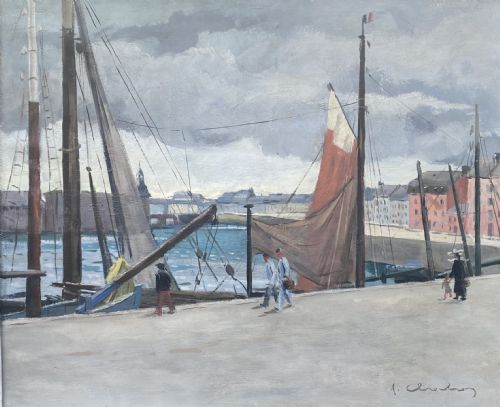


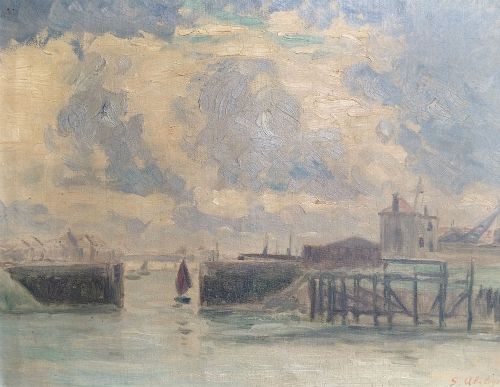


Grey Sky Nautical Painting
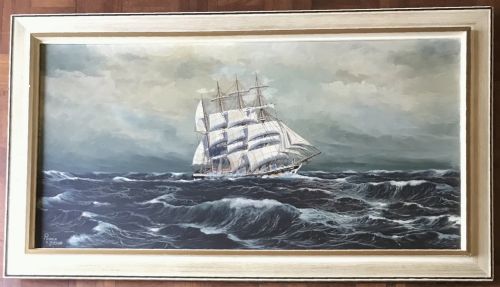
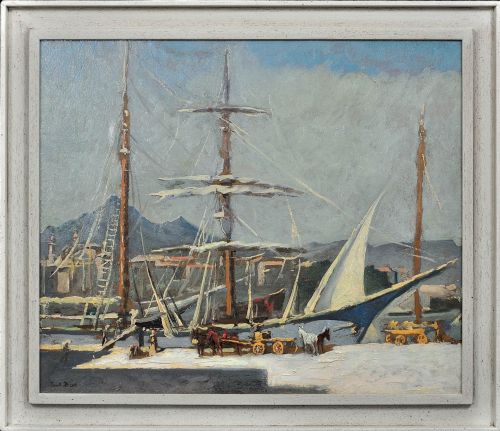
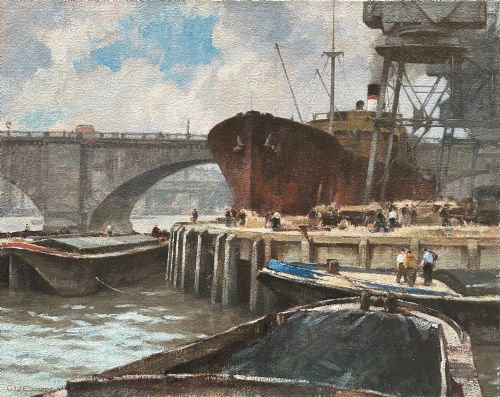
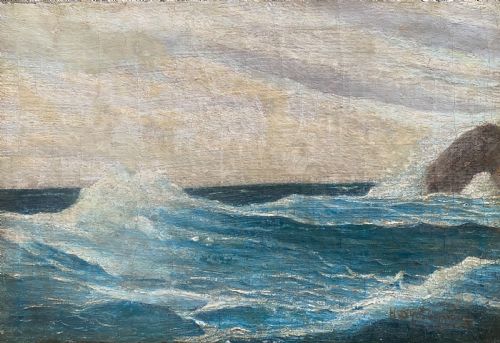
A grey sky nautical painting captures the moody atmosphere of coastal waters, offering buyers a moody glimpse into maritime history.
Grey Sky Nautical Painting
A grey sky nautical painting encompasses marine artworks featuring overcast atmospheres, stormy seas, and harbours, spanning from the Victorian era through the mid twentieth century. These pieces record maritime scenes across Britain, Europe, and Russia.
Buyers encountering this selection will find works rendered in oil paint and watercolour on canvas or paper, frequently housed within wood frames. The subjects range from bustling harbour promenades and unloading ships to quiet North Sea havens.
The selection bridges several movements, including British Impressionism, 20th Century Realism, and Russian Modernism. Pieces date from the nineteenth century up to the 1940s, reflecting changing approaches to marine art over time.
Materials and methods
Artists utilised oil paint on canvas to build rich textures and deep tones suitable for stormy maritime subjects, while others preferred watercolour on paper for delicate atmospheric effects. These mediums were chosen to capture the shifting light of overcast skies and choppy waters.
Finished works were traditionally housed in wood frames, which protected the edges of the canvas or paper and complemented the palette of the marine scene.
Materials recorded across the selection include both oil paint on canvas and watercolour on paper.
Assessing quality and execution
Quality in these marine works rests on the artist's handling of atmosphere and light within the grey palette. Stronger pieces demonstrate a confident command of brushwork, capturing movement in the water and the heavy weight of overcast clouds with precision.
The relationship between the subject and the surrounding space dictates the visual success of the composition. Finer examples balance architectural harbour details or vessels against expansive skies without losing atmospheric depth.
John E. Aitken·Paul Bret·Cyril Walduck Edwards·Dubovsky·Paul Jean Clays·Bertram Priestman·Thomas Bush Hardy·R I Barrow
The Grey Sky Nautical Painting Glossary
- Watercolour
- A painting method where paints are made of pigments suspended in a water-based solution. This technique relies on the white of the paper to provide luminosity.
- Oil on canvas
- A traditional medium involving pigment mixed with a drying oil applied to stretched fabric. It allows for rich layering and varied surface textures.
- Marine art
- Artistic representation of the sea, ships, and coastal views. This genre includes depictions of harbours, naval engagements, and coastal weather.
- Impressionism
- A style of painting that focuses on the accurate depiction of light in its changing qualities. It often employs visible brushstrokes and open compositions.
Grey Sky Nautical Painting: Frequently Asked Questions
What periods do these paintings cover?
The works span from the Victorian era and the nineteenth century through the 1940s. This includes pieces created around 1900, 1910, 1920, and 1930.
Artists across these decades interpreted maritime subjects through various lenses, shifting from traditional marine art towards modernist approaches.
What materials are used?
Paintings are executed in oil paint or watercolour. Supports include canvas and paper.
Many of the works retain their original or period wood frames, which help house and protect the canvas or paper.
Where do these scenes originate?
The locations depicted include British coastal spots such as Littlehampton and the Mersey, alongside European harbours in Italy and France.
International movements are also represented, including Russian modernist seascapes.
How should I display them?
These works suit spaces that benefit from moody, atmospheric tones and historical maritime subjects. Ensuring stable light levels helps protect paper and canvas works.
Pairing the pieces with traditional or complementary wood frames enhances their presence on a wall.