

Chinese Ceramic Pottery
These pieces of chinese ceramic pottery span millennia, offering sculpted tomb figures, delicate porcelain vessels, and robust glazed bowls that anchor any serious room.
Chinese Ceramic Pottery
When you search for chinese ceramic pottery, you encounter a remarkable span of objects ranging from early terracotta figures to intricate Qing Dynasty porcelain vases and bowls. The selection on this page covers utilitarian vessels, scholarly items like brush washers, and monumental funerary sculptures intended for ancient tombs.
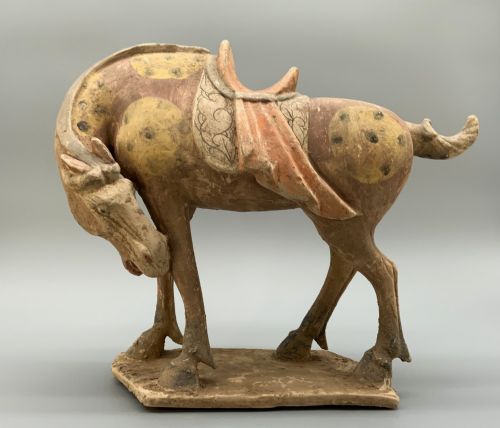
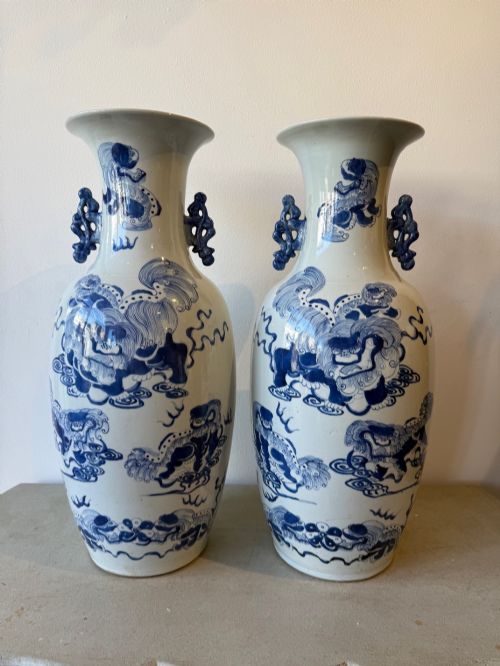
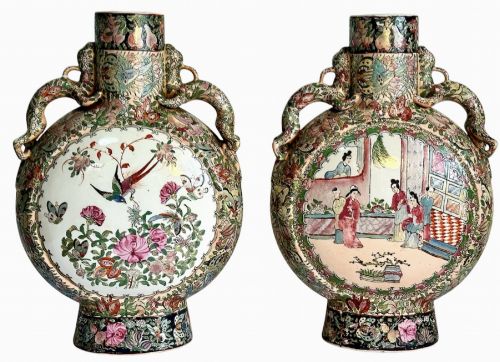
You are most likely to meet pieces originating from the Ming and Qing dynasties alongside later revival pieces and Tang style figures. Forms vary from massive double-gourd vases and moon flasks down to small waterpots and moulded animal figures such as Foo dogs and horses.
Materials and methods
Potters utilised native clays, earthenware, and refined porcelain bodies shaped by hand, on the wheel, or pressed into moulds. These foundations received mineral-rich pigments and liquid slips before firing.
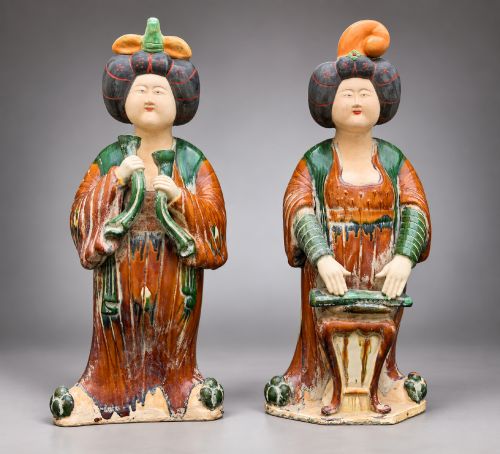
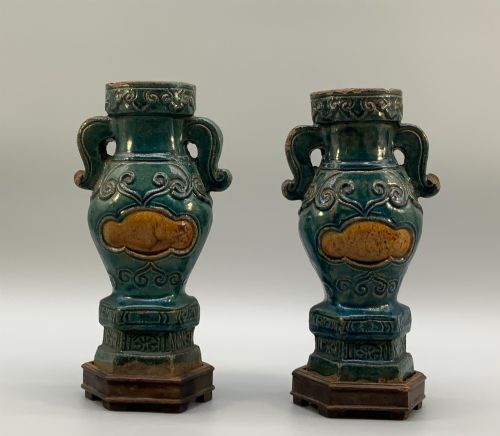
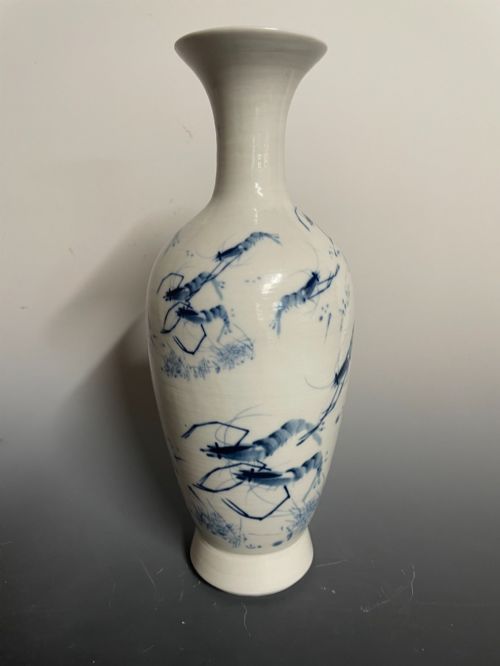
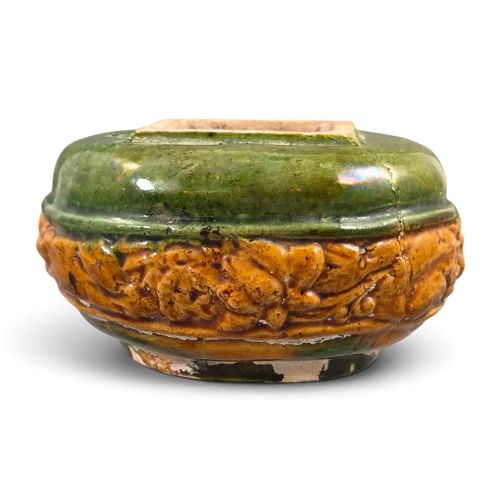
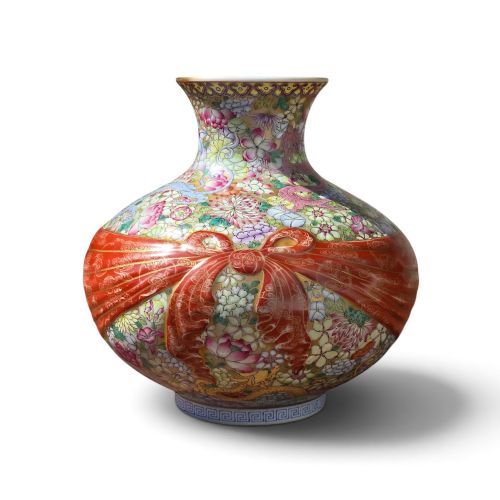
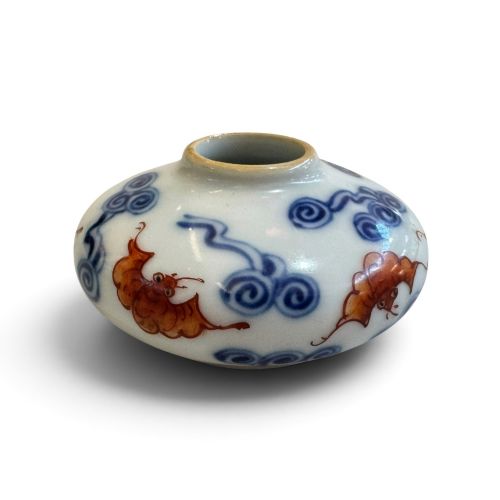
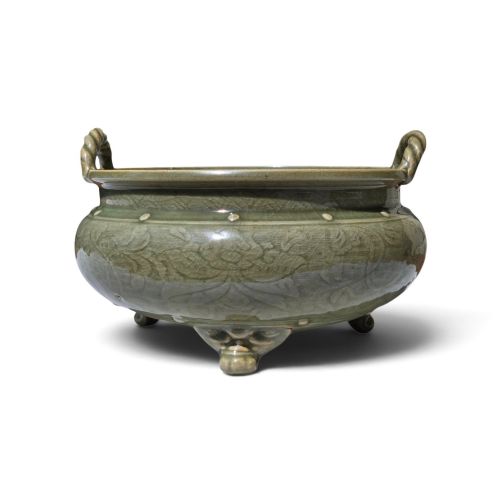
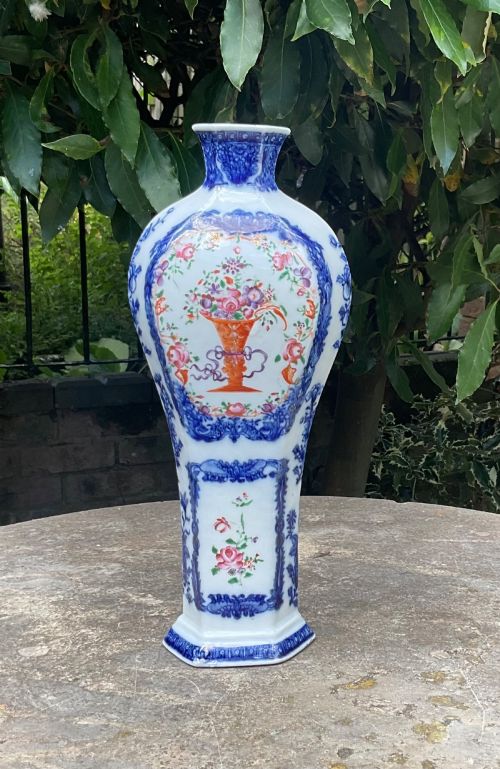
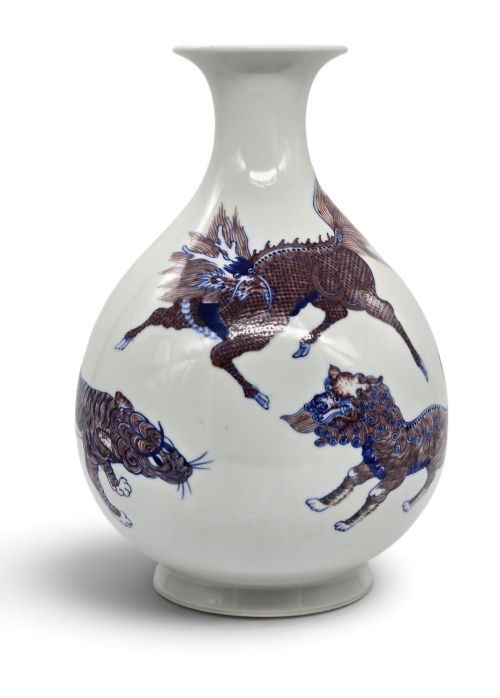
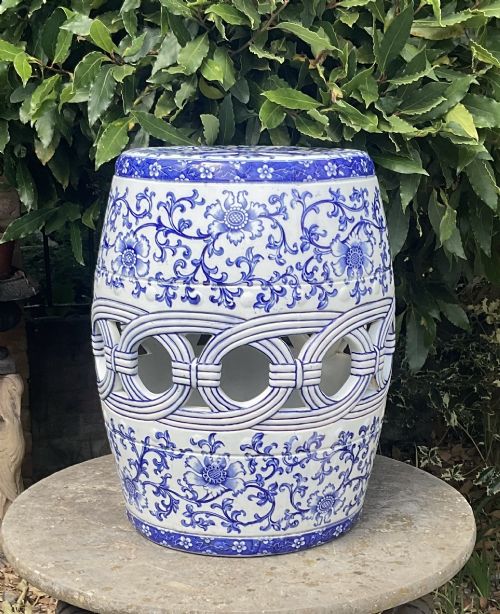
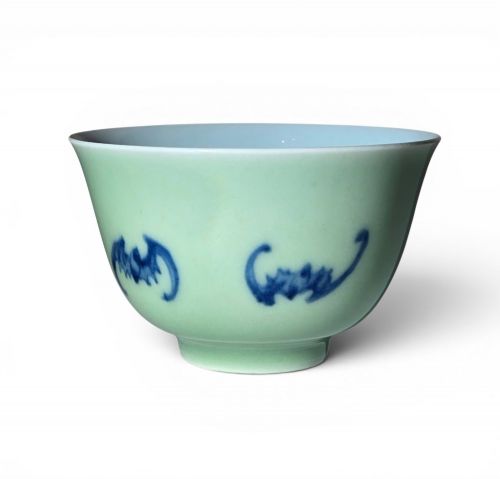
Surfaces display lead glazes, cobalt blue underglaze painting, celadon green washes, and overglaze enamel decoration in famille rose palettes. Sancai multi-coloured glazing techniques create characteristic amber, green, and cream runs across sculptural forms.
Listings feature items spanning from Neolithic Yangshao culture through to the Ming and Qing dynasties and early twentieth-century revivals.
Judging quality
Quality rests upon the crispness of moulded or carved detail and the control evident in high-temperature kilns. Superior pieces show confident brushwork, subtle variations in glaze depth, and precise symmetry in thrown vessels.
The distinction between ordinary production pieces and superior works lies in the liveliness of the modelling, the purity of the clay body, and the harmony of the enamels. Early funerary pottery relies on expressive posture and intact pigments rather than decorative polish.
The Chinese Ceramic Pottery Glossary
- Celadon
- A transparent jade-green glaze over a pale body. This classic finish originated in ancient kilns and values subtle crackle patterns.
- Famille rose
- An opaque pink-dominant enamel palette introduced during the Qing Dynasty. Artisans used it to render delicate floral and figurative scenes.
- Sancai
- A three-colour lead glaze technique characteristic of Tang dynasty wares. It typically combines amber, green, and cream tones.
- Underglaze blue
- Cobalt pigment applied directly to the raw clay body before glazing and firing. This method ensures the decoration remains permanent and protected.
- Terracotta
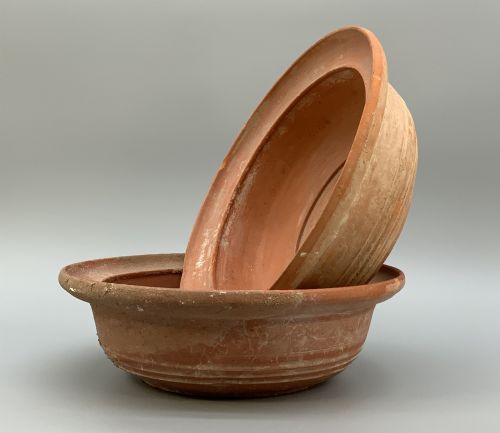
- Fired unglazed clay ranging from reddish-brown to grey. This material forms the basis of many early tomb figures and architectural models.
Chinese Ceramic Pottery: Frequently Asked Questions
What is sancai glaze?
Sancai is a traditional three-colour glazing method primarily associated with Tang dynasty figures and animals. The glazes run naturally during firing to create rich amber, green, and cream effects.
Potters applied these mineral oxides directly onto the earthenware body. This technique produced expressive surfaces that define early Chinese ceramic sculpture.
How do I care for antique pottery?
Display these pieces away from direct sunlight and sudden temperature shifts to protect fragile glazes and earthenware bodies. Stable shelving prevents accidental knocks.
Dust surfaces gently with a dry, soft brush. Avoid using water or cleaning agents on porous terracotta and unglazed surfaces.
What is a brush washer?
A brush washer is a small scholar's vessel designed for cleaning ink brushes during calligraphy and painting sessions. These items formed an essential part of the traditional scholar's desk.
They appear in various ceramic bodies, including porcelain and celadon. Artisans often shaped them as natural forms like lotus leaves or simple compressed basins.
How do I identify a tomb figure?
Tomb figures, known as mingqi, were made to accompany the deceased into the afterlife. They frequently depict attendants, dancers, horses, and guardian lions.
These pieces are typically fashioned from earthenware or terracotta with traces of pigment or lead glaze. Their stylised postures reflect the burial customs of specific ancient dynasties.