
Glazed Earthenware Pot
When you search for a glazed earthenware pot, you find centuries of utilitarian and decorative vessels shaped from clay and finished with liquid coatings.
Glazed Earthenware Pot
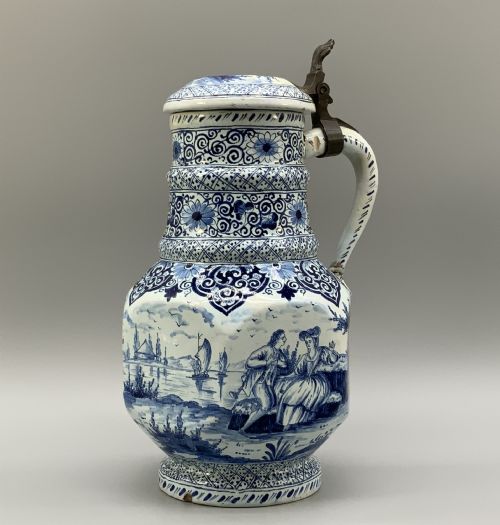
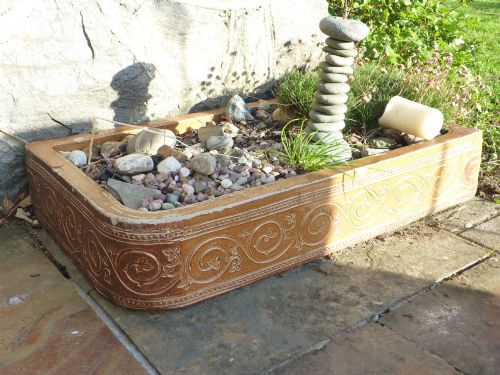
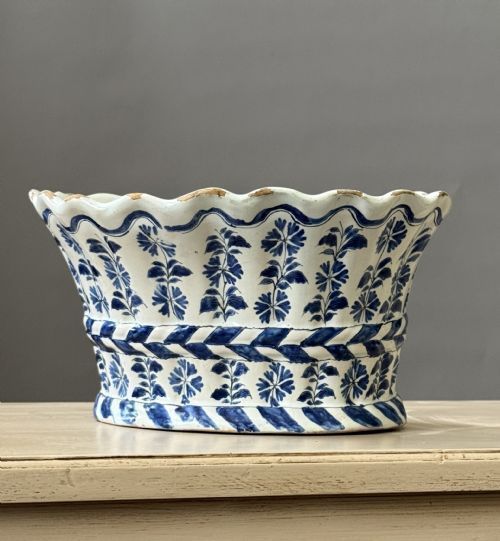
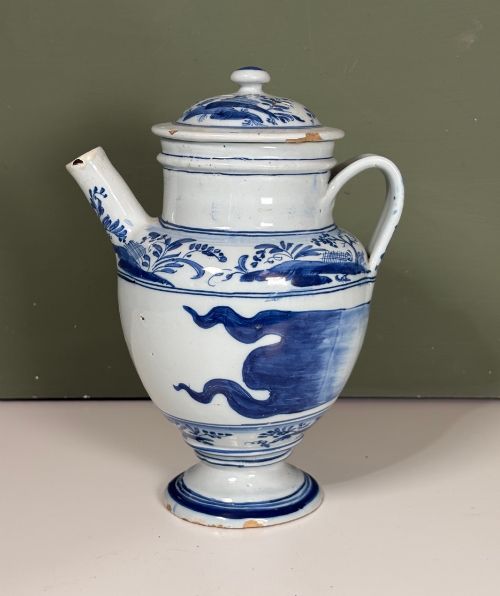
A glazed earthenware pot spans functional domestic vessels and decorative ceramics produced across Europe and Asia. The selection brings together diverse forms including confit pots, apothecary jars, jardinières, and vases.
Most examples originate from the eighteenth and nineteenth centuries, reflecting domestic, pharmacy, and garden uses. Common regional variations include English Delftware, French provincial confit pots, and Dutch delft pieces.
How they were made
Potters shaped local clays, terracotta, and earthenware on the wheel or moulded them into specific utilitarian and decorative forms. Firing hardened the porous body before artisans applied liquid glazes, tin glazes, or salt glazes.
Vessels received either slip coatings, hand-painted polychrome pigments, or rich monochromatic green and blue finishes. Subsequent kiln firings fused the vitreous coating to the clay body to create a liquid-resistant seal.
The listings feature earthenware and terracotta pieces spanning the seventeenth century through the Art Deco period.
What varies in quality
Quality rests on the crispness of the thrown or moulded form and the stability of the clay body. Superior pieces display even glaze coverage without excessive pooling or crawling across the surface.
The sophistication of the hand-painted decoration or the depth of the monochrome glaze distinguishes standard kitchen utility wares from high-status apothecary and display pieces.
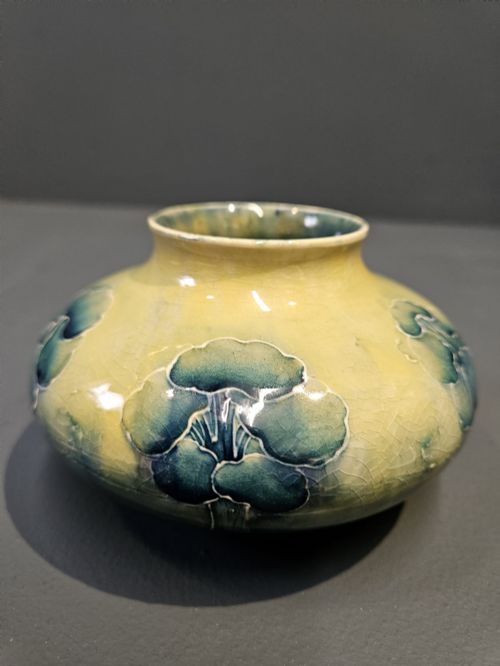
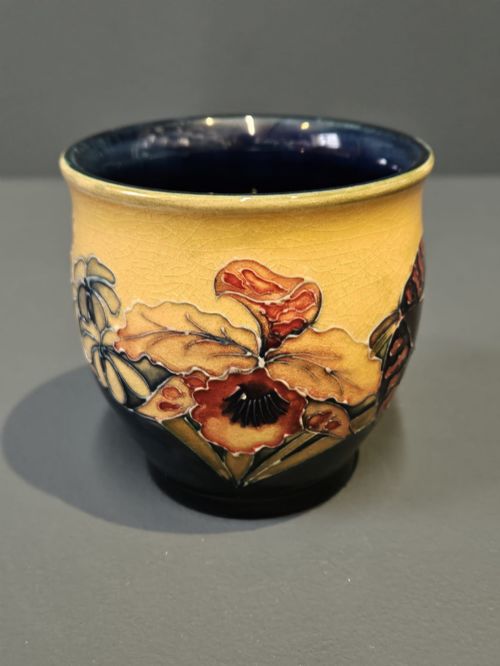
Moorcroft Hazeldene·W.A. Adderley·Doulton Burslem·Doulton Lambeth
The Glazed Earthenware Pot Glossary
- Earthenware
- A porous pottery body fired at lower temperatures that requires a glaze to hold liquids. It forms the core material for traditional domestic pots and jars.
- Tin Glaze
- An opaque white glaze containing tin oxide that provides a smooth surface for hand-painted pigments. It characterises European delftware and faience.
- Confit Pot
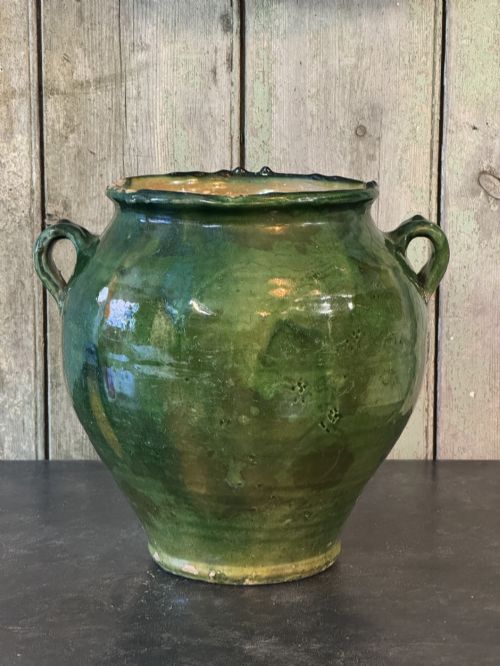
- A deep French earthenware vessel traditionally used for preserving meats and fats. These pots feature partial or full lead glazes in rich green or honey tones.
- Albarello
- A cylindrical earthenware jar designed for storing pharmacy drugs and ointments. Originating in the Middle East, the shape was widely adopted by Italian and European majolica makers.
- Majolica
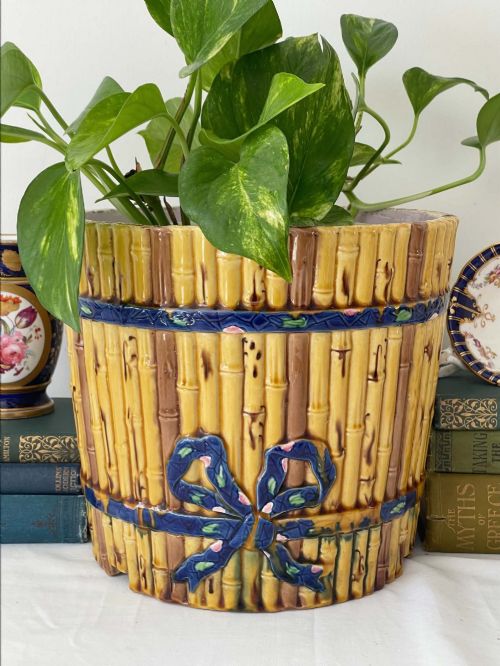
- A type of earthenware decorated with opaque coloured glazes over a tin-glazed ground. The technique produces vibrant hues used on nineteenth-century jardinières and planters.
Glazed Earthenware Pot: Frequently Asked Questions
What is a glazed earthenware pot used for?
These vessels served practical storage roles in kitchens, dairies, and apothecaries, holding liquids, preserves, and dry goods. Many examples also functioned as planters, garden urns, and decorative tablewares.
Over time, utility items transitioned into decorative display pieces valued for their regional glazes and historical forms.
How do I care for antique earthenware?
Keep these pots away from rapid temperature changes and damp environments to protect the porous clay body. Dust them gently with a dry cloth and avoid harsh chemical cleaners.
Display them on stable surfaces where heavy terracotta or ceramic bodies will not risk tipping or impact damage.
How do I identify eighteenth-century delftware?
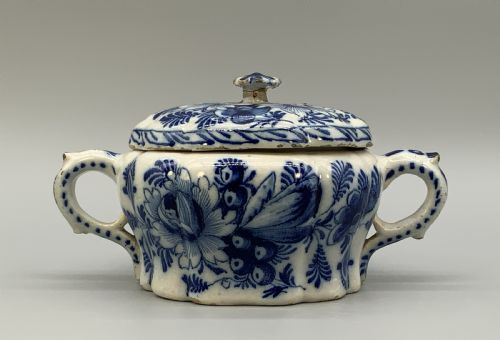
Look for a slightly coarse earthenware body beneath tin-glaze surfaces that may show minor chipping along high-wear rims. Eighteenth-century pieces often display hand-painted blue and white or polychrome floral and figural motifs.
Examine the base for unglazed areas and stacking marks left by traditional kiln furniture during the firing process.
What distinguishes a confit pot?
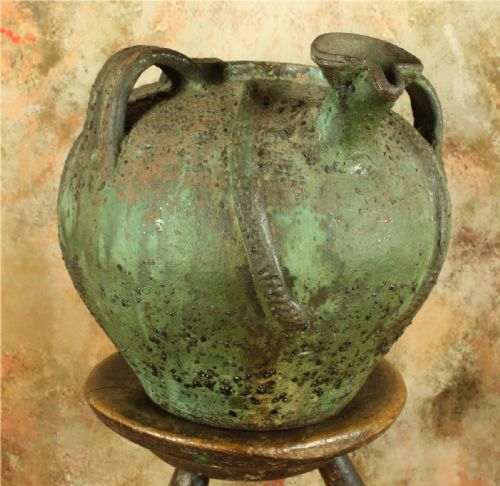
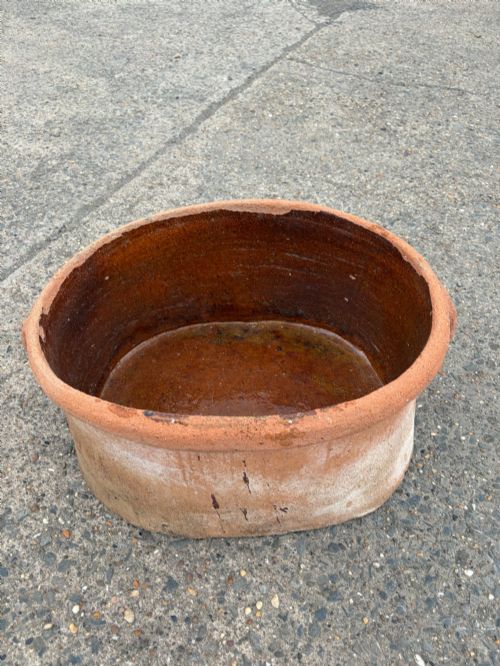
French confit pots feature heavy earthenware or terracotta bodies with distinct loop handles used for lifting heavy storage vessels. The upper section is typically dipped in a glossy green or yellow glaze while the lower body remains unglazed.
Their generous proportions and utilitarian design reflect their original function in rural French farmhouse larders.