



Vintage Green Glaze Jar
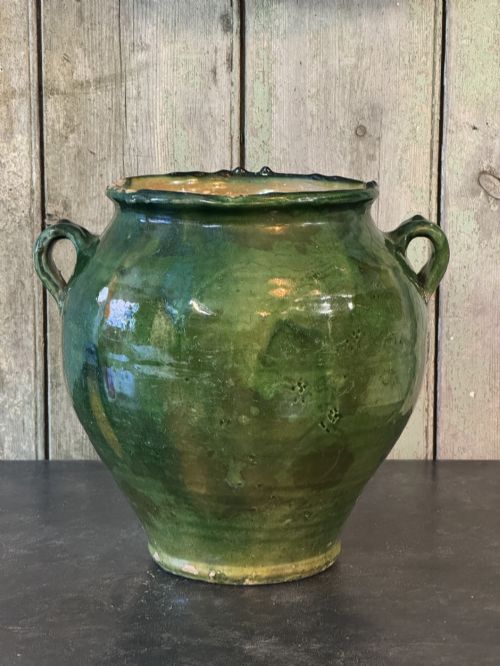
These vintage green glaze jar pieces bring earthy warmth and varied regional character to any room, offering immediate texture and history.
Vintage Green Glaze Jar
The forms range from large olive jugs and confit pots with multiple handles to smaller amphora vessels, planters, and vanity items. These objects span several centuries, including pieces from the eighteenth, nineteenth, and twentieth centuries, demonstrating how simple utilitarian storage evolved into decorative display objects over time.
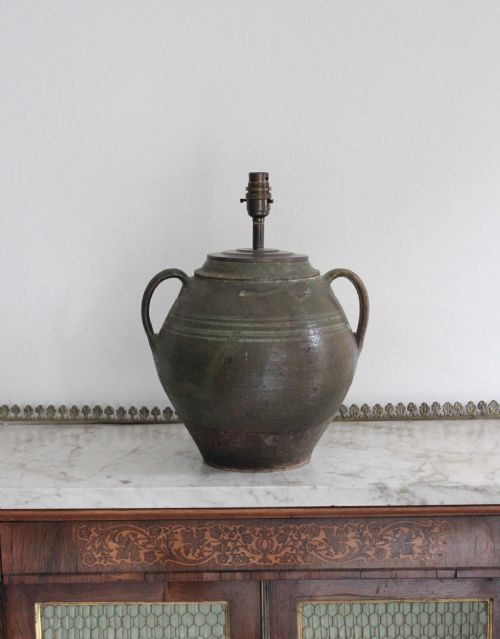
Many of these vessels serve as statement decorative pieces in modern interiors, whether used empty as sculptural objects or repurposed as planters and table lamps. The consistent thread connecting them is the application of green glaze over traditional bodies like terracotta and earthenware.
Materials and construction methods
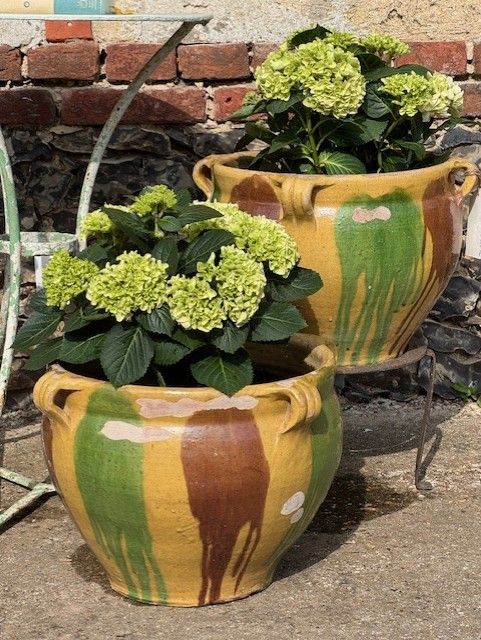
Makers primarily utilised local clay, terracotta, and earthenware as the foundational bodies for these vessels, shaping them by hand or on a wheel to achieve organic, sturdy forms. Potters applied liquid glazes, sometimes creating distinctive dribble effects down the exterior walls during the firing process.
Secondary materials appear in specific forms, such as brass fittings on lamps and carved wood elements associated with vanity sets, while older confit pots rely purely on heavy ceramic construction. The interplay between the porous clay bodies and the rich green surface treatments defines the tactile quality of the group.
Vintage Green Glaze Jar Retail Price Guide 2026
Typical asking prices for vintage green glaze jar among the pieces listed under this phrase on Sellingantiques today, from the lower quarter to the upper quarter. They describe what is for sale here now, not the wider market.
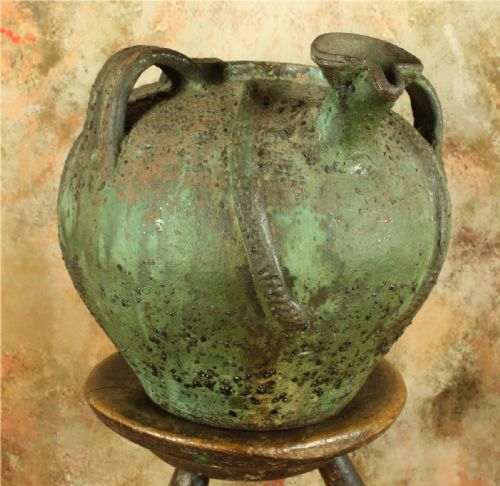
Some nineteenth-century French confit pots feature three distinct handles designed simply to help haul heavy duck fat out of the cellar.
Judging quality and character
The distinction between standard examples and superior pieces rests in the depth and coverage of the glaze, as well as the preservation of the underlying clay body. Fully glazed surfaces and intentional dribble effects show greater technical ambition by the potter than plain utilitarian finishes.
Form also dictates standing within the category, with large multi-handled olive jugs and early handmade confit jars commanding more visual presence than smaller, simpler vessels. The integrity of the form and the harmonious interaction between the green surface and the aged terracotta underneath separate ordinary items from exceptional survivors.
The Vintage Green Glaze Jar Glossary
- Confit pot
- A traditional French earthenware vessel originally designed for preserving and storing food items like duck confit. These pots typically feature sturdy handles and glazed interiors.
- Terracotta
- A porous, brownish-red fired clay commonly used for utilitarian vessels, planters, and pots throughout European folk traditions. It provides a heavy, stable base for various glaze treatments.
- Amphora
- A classical two-handled storage vessel with a narrow neck, historically used for transporting liquids such as oil or wine. Later decorative versions emulate this ancient Mediterranean silhouette.
- Famille Verte
- A Chinese ceramic palette dominated by green enamel colours, frequently seen on porcelain jars and decorative items from around nineteen hundred. This style translates traditional East Asian motifs into sought-after decorative objects.
- Dribble glaze
- A surface treatment where liquid glaze runs unevenly down the sides of a ceramic piece during firing. This technique creates organic, unpredictable patterns across the vessel body.
Vintage Green Glaze Jar: Frequently Asked Questions
What are vintage green glaze jar pieces used for today?
These items serve primarily as decorative accents, interior planters, or sculptural objects within domestic spaces. Larger pots function well on the floor or in gardens, while smaller vessels and vanity sets sit on tables and shelves.
Some pieces have been adapted into functional lighting, such as table lamps, combining historic ceramic bodies with modern electrical fittings. Their versatility stems from strong earthy colours and tactile glazed surfaces that complement various interior styles.
How do I date a vintage green glaze jar?
Dating relies on examining the potting technique, clay body, and glaze characteristics alongside stylistic clues. Eighteenth and nineteenth-century French pieces often display heavy handmade terracotta construction with utilitarian origins, whereas twentieth-century examples might show cleaner Art Deco lines or specific production marks.
Comparing the form and regional style against known historical types helps narrow down the origin period. Subtle wear patterns on the base and glaze surface also indicate age.
Where did these green glazed vessels originate?
The pieces originate from diverse cultural and geographic backgrounds, with a strong representation from French provincial workshops such as Castelnaudary. Other examples reflect Anatolian folk traditions and Chinese porcelain production.
Each region imparted distinct local methods to the clay preparation and glazing process, creating recognisable differences between a French olive jug and a Turkish water pot. This geographic variety gives the category its broad aesthetic range.
Are these jars waterproof?
Many historic earthenware and terracotta jars are porous to some degree, meaning prolonged contact with standing water can seep through the clay body. Using a waterproof liner inside the vessel protects the historic material if you use it for fresh flowers or live plants.
Fully glazed interiors offer better resistance to moisture than entirely unglazed terracotta surfaces. Checking the interior glaze coverage helps determine how safely you can use the vessel with liquids.