
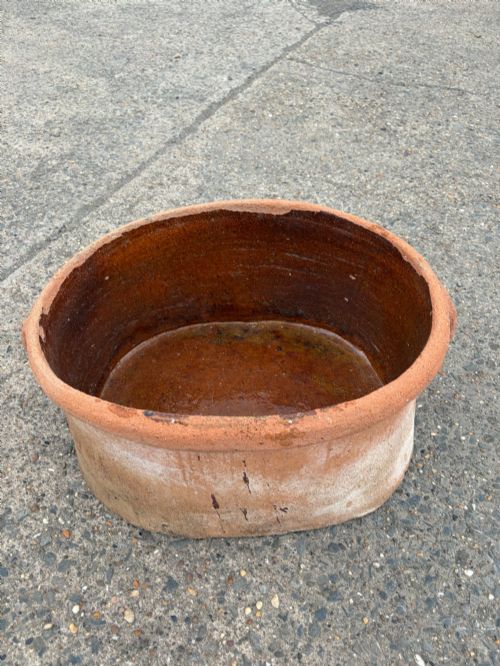
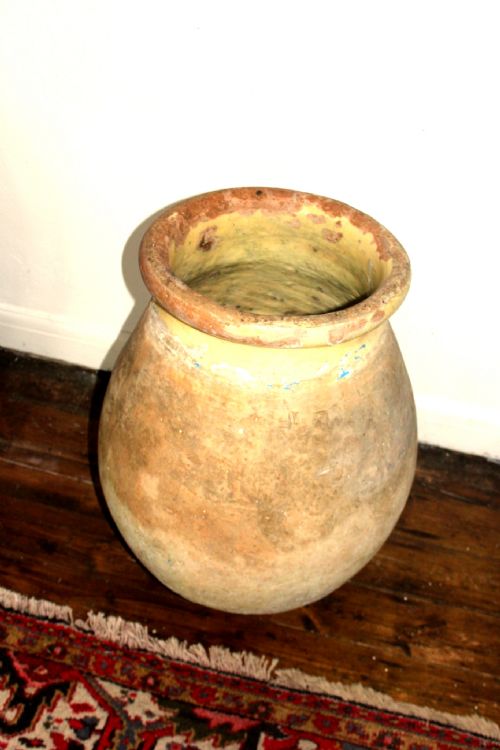


Rustic Terracotta Pot
A rustic terracotta pot brings earthy texture to any space, offering practical garden utility and sculptural warmth shaped by centuries of utilitarian craft.
Rustic Terracotta Pot
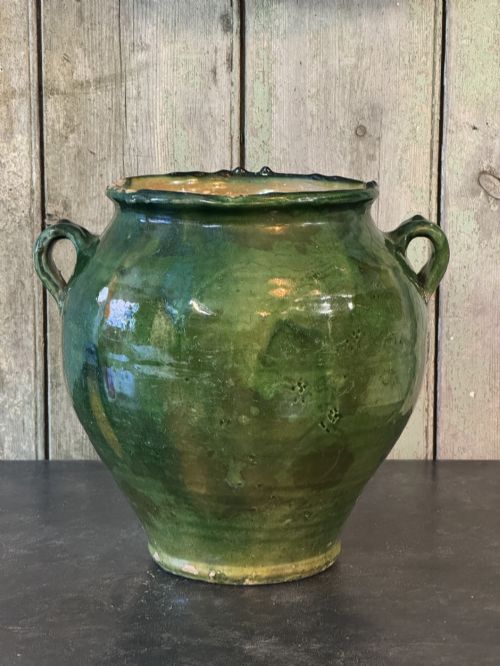
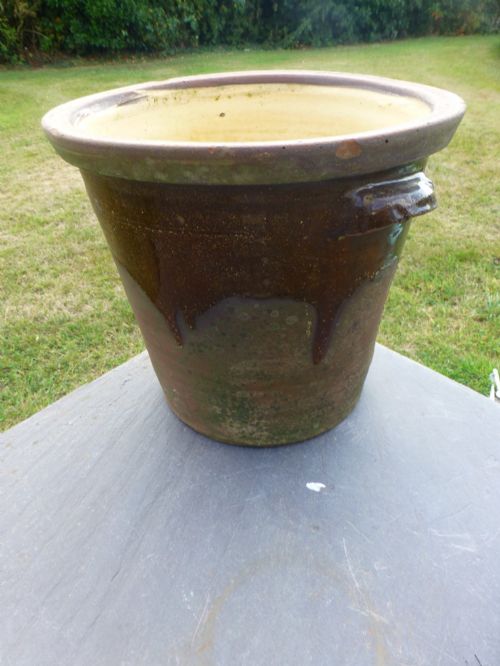
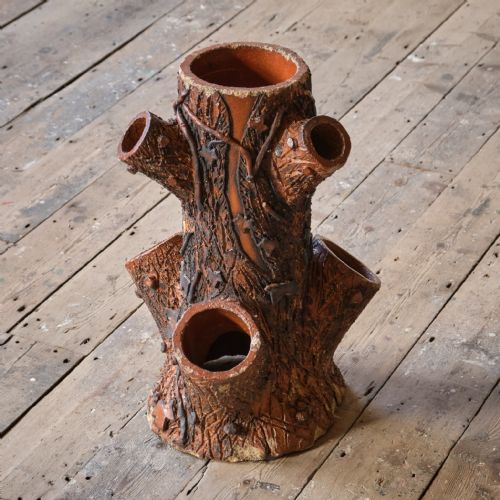
A rustic terracotta pot spans functional vessels and garden containers created across the eighteenth, nineteenth, and early twentieth centuries in various regional traditions. These pieces include French confit jars, Mediterranean olive jugs, dairy salting crocks, and faux bois planters designed for practical use.
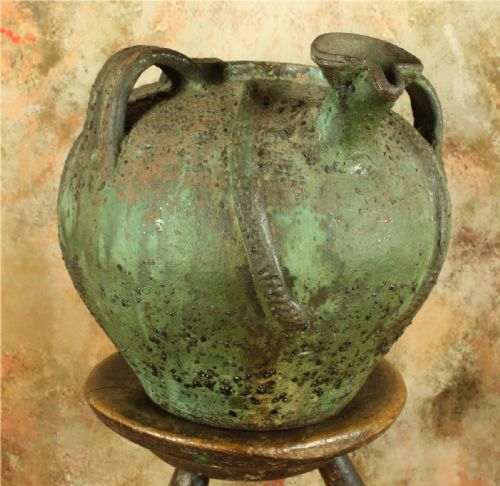
Confit pots and olive jars dominate the forms encountered here, originating primarily from French, Turkish, and Portuguese workshops. Garden planters and naturalistic jardiniere vessels also appear, frequently displaying the marks of heavy domestic or agricultural labour.
The material evidence bridges domestic utility and garden ornament, showing how simple earthenware and stoneware served utilitarian storage and growing needs. Pieces range from unglazed buff clay garden pots to fully glazed green vessels meant for indoor or courtyard display.
Materials and Construction
Potters shaped these items from local terracotta, earthenware, and buff clay, throwing them on wheels or building them by hand to create thick, durable walls. Stoneware and salt-glazed bodies provided alternative denser options designed to hold liquids securely.
Glazes applied to the surfaces include rich green lead glazes and salt glazes that added colour and waterproofing to utility vessels. Many examples remain unglazed, relying on the natural porous properties of fired earth and painted finishes for visual character.
Some olive jars retain interior residue from centuries-old oils, preserving the quiet aroma of Mediterranean agriculture inside the clay.
Assessing Quality and Character
Quality rests in the harmony of proportion, the weight of the thrown clay, and the depth of the natural patina accumulated over generations of use. Superior examples display confident, unhurried throwing marks and stable, heavy walls that speak to utilitarian integrity.
The appeal of a glaze or surface finish also dictates distinction, whether through a lustrous green drip glaze, historic painted details, or weathered terracotta surfaces showing authentic age. Greater visual presence in large olive jars or multi-handled oil pots elevates the piece above standard utilitarian wares.
The Rustic Terracotta Pot Glossary
- Terracotta
- Fired unglazed clay of a brownish-red colour, widely used for garden pots and agricultural storage vessels. This porous material breathes, making it well-suited for planting.
- Confit Pot
- A French earthenware jar featuring handles, traditionally used for preserving food in fat. They often display lead glazes on the upper portion.
- Faux Bois
- An artistic style imitating wood, frequently utilised in nineteenth-century garden planters and naturalistic jardiniere designs. Concrete or terracotta is moulded to mimic tree bark and branches.
- Salt Glaze
- A glossy, slightly textured finish achieved by throwing common salt into the kiln during high-temperature firing. This creates a durable coating resembling orange peel.
- Amphora
- A tall ancient style of storage vessel with two handles and a narrow neck, adapted in later centuries for garden decoration. These large jars typically terminate in a rounded or pointed base.
Rustic Terracotta Pot: Frequently Asked Questions
What were antique terracotta pots used for?
These vessels served essential domestic and agricultural functions, storing foodstuffs like olive oil, confit meats, and walnuts. Others acted as dairy salting crocks or large garden planters for growing plants and trees.
Over time, their robust utility made them enduring decorative elements for courtyards, gardens, and interior spaces.
How do I care for an antique terracotta pot?
Porous earthenware and terracotta require protection from freezing winter temperatures if left planted outdoors, as trapped moisture can crack the clay. Keep them indoors or in sheltered spots during hard frosts.
Clean the surfaces gently with water and a soft brush to preserve the historic patina and any surviving glazes.
Are these pots frost resistant?
Many older utilitarian pots are made from porous earthenware that absorbs moisture and can fracture if subjected to sub-zero temperatures when damp. Glazed pieces and denser stoneware variants offer better resilience against cold weather.
It is safest to empty outdoor planters and store them under cover during the winter months.
How can I tell the age of a terracotta pot?
Age is indicated by hand-thrown irregularities, tool marks from historic production methods, and natural wear to the base and rim. Surface patination, including mineral deposits and historic paint traces, also helps distinguish nineteenth-century pieces.
Comparing the clay body and glaze characteristics to documented regional styles confirms the likely period of manufacture.