



French Country Jar
These French country jar examples are honest earthenware vessels and glass containers that bring rustic utility and warmth into modern spaces.
French Country Jar
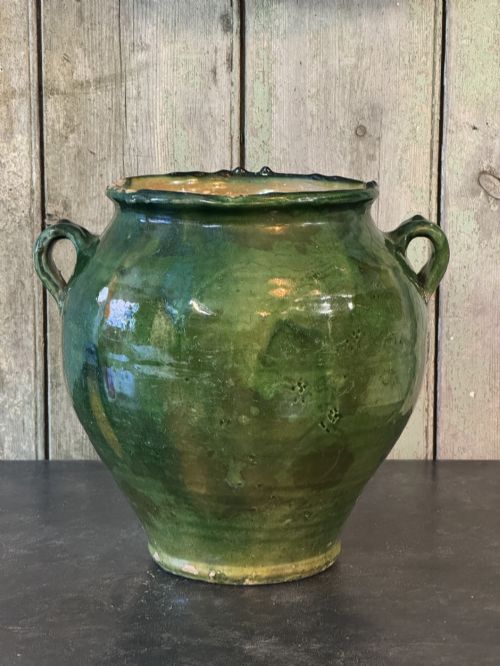
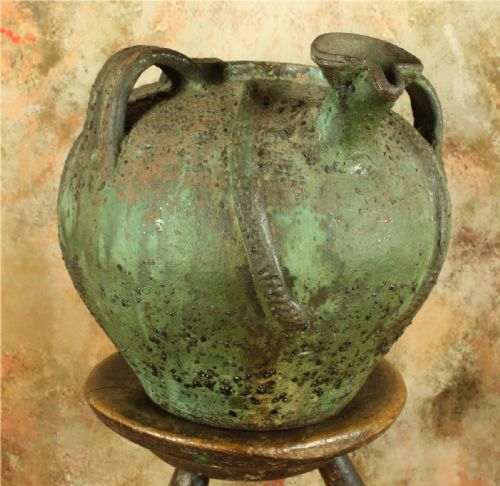
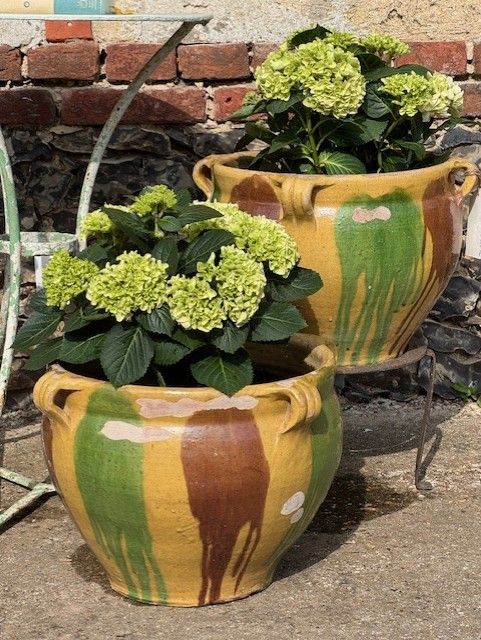
A french country jar encompasses a diverse array of utilitarian storage vessels, garden planters, and drink containers originating from French provinces across the eighteenth and nineteenth centuries. Buyers searching for a french country jar typically encounter green glazed terracotta confit pots, earthenware oil jugs, and glass pickling jars designed for domestic preservation.
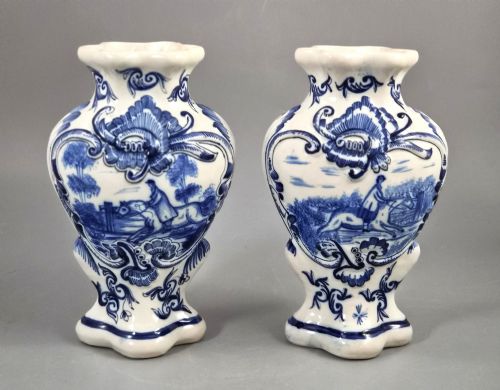
The domestic forms recorded on this page range from walnut oil pots and vinegar barrels to tin-glazed polychrome jugs and enamel cannisters. Many examples display the regional styles of French provincial and rustic farmhouse traditions, utilised daily in kitchens, orchards, and cellars before entering the antique market.
Dating spans from the eighteenth century through to the mid-twentieth century, capturing utilitarian pottery alongside blown glass carboys and demi-johns. The selection reflects both earthenware bodies intended for slow-pouring liquids and sturdy glass jars shaped for pickling and storage.
Assessing Quality
Quality rests in the integrity of the glaze distribution, the balance of the thrown or blown form, and the survival of original surfaces through decades of agricultural or domestic use. Pots retaining rich, even green lead glazes or clear signs of hand-shaping command greater appreciation among collectors.
The presence of handles, spouts, or maker marks - such as those from Desvres faience - distinguishes standard utilitarian storage from finer decorative workshops. Preservation of the vessel walls without extensive modern intervention determines the standing of each piece.
French Country Jar Retail Price Guide 2026
Typical asking prices for french country jar among the pieces listed under this phrase on Sellingantiques today, from the lower quarter to the upper quarter. They describe what is for sale here now, not the wider market.
Listings span earthenware, terracotta, glass, and tin-glaze across periods from the 18th century to the mid 20th century.
Fourmaintraux-Courquin
The French Country Jar Glossary
- Confit Pot
- A traditional French earthenware jar featuring single or dual handles, historically used for preserving and storing meats or fats. These pots typically display a half-dip green glaze over porous terracotta.
- Terracotta
- A reddish-brown unglazed or glazed fired clay used extensively for utilitarian garden pots and storage vessels. It provides a porous body that breathes moisture in agricultural settings.
- Tin-Glaze
- An opaque white tin oxide glaze applied to earthenware, serving as a smooth canvas for polychrome painted decoration. It is characteristic of faience production in regional French potteries.
- Carboy
- A large, rounded glass bottle or demi-john enclosed in a protective basket or standing independently for the storage of liquids. These heavy vessels were essential for bulk transport and fermentation.
French Country Jar: Frequently Asked Questions
What were confit pots used for?
Confit pots were designed for preserving meats, particularly duck or pork, submerged in their own fat within cool cellars. Their glazed interiors kept the contents sealed from air.
Over time, these heavy earthenware vessels became staples of French domestic storage before transitioning into decorative garden and interior pieces.
How do I clean an antique jar?
Warm water and a soft cloth are sufficient for cleaning porous earthenware and historic glass without damaging the surface. Avoid harsh chemical detergents that can penetrate ancient clay.
Dry the vessel thoroughly after washing to protect fragile glazes and historic patinas from moisture retention.
Are glass pickling jars airtight?
Historic glass pickling jars, known as bocal, rely on traditional ground glass or simple lids rather than modern rubber seals. They were designed for general kitchen preservation rather than vacuum canning.
Today, these glass containers serve well for decorative storage or displaying botanical items rather than active food preservation.
How do I date a pottery jar?
Dating relies on observing the potting technique, glaze chemistry, wear patterns, and regional stylistic markers recorded across the nineteenth and eighteenth centuries. Hand-thrown earthenware with irregular lead glazes typically points to earlier provincial production.
Comparing handle placement and rim profiles against documented factory output helps narrow the period of manufacture further.