


Ming Dynasty Vessel
When you handle a ming dynasty vessel, you touch centuries of precise metalwork, ceramic throwing and scholarly taste.
Ming Dynasty Vessel
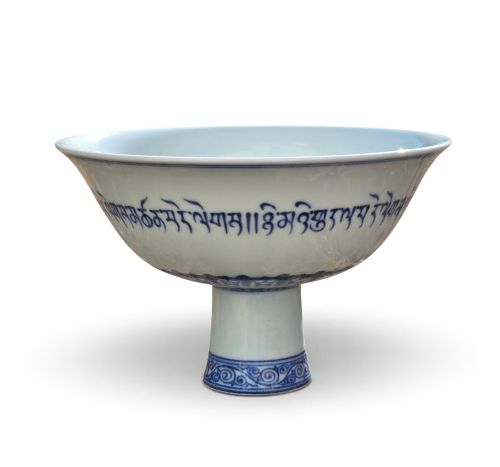
The objects span centuries of production, including pieces made during the Ming period itself, alongside later traditional interpretations and 19th-century or early 20th-century echoes. Forms vary from incense burners and censers to stem cups, decorative pots, teapots and attendant figures. Most pieces reflect either practical scholarly utility or ritual arrangement.
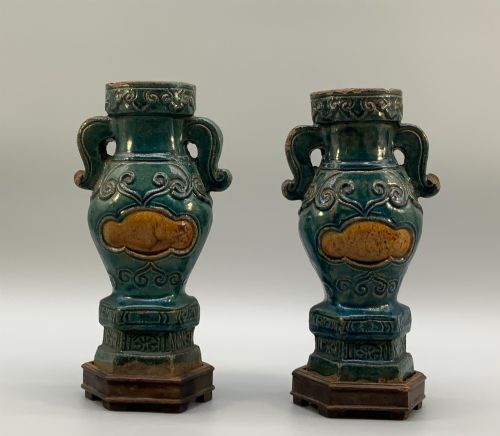
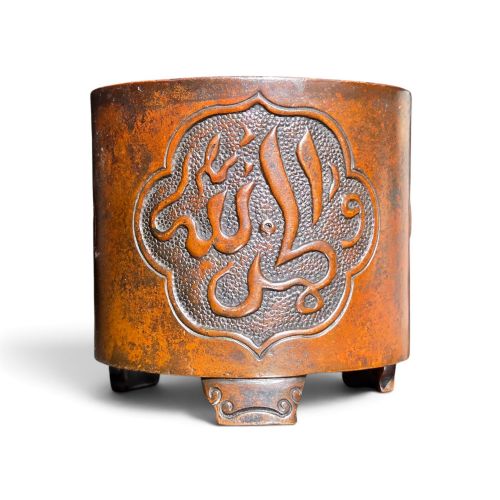
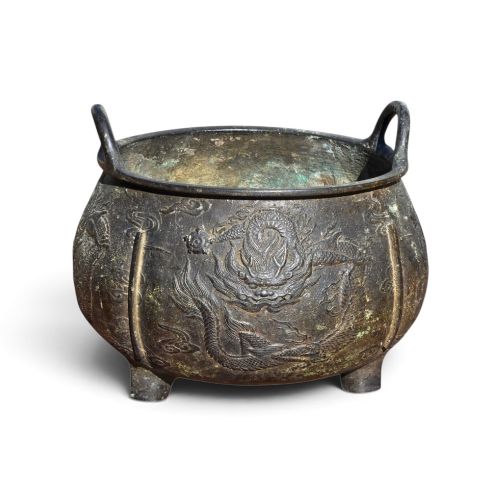
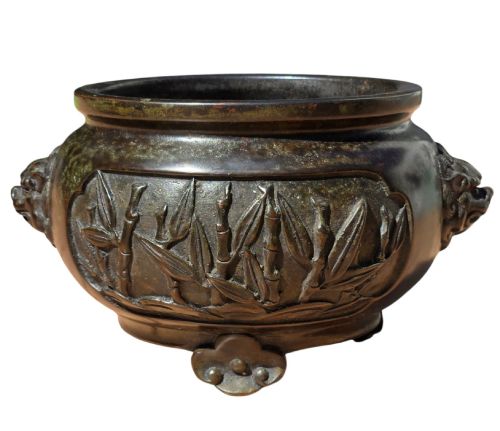
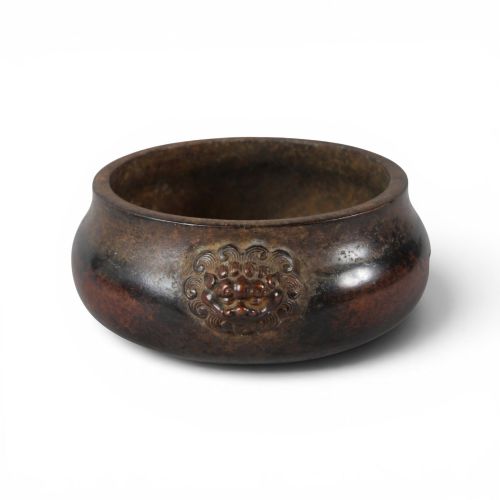
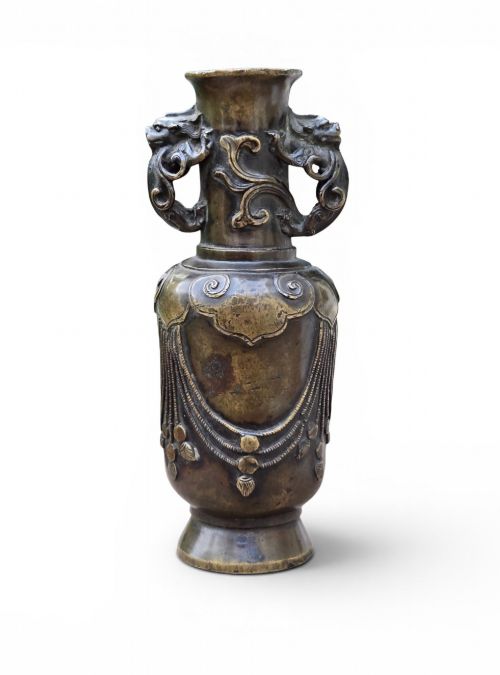
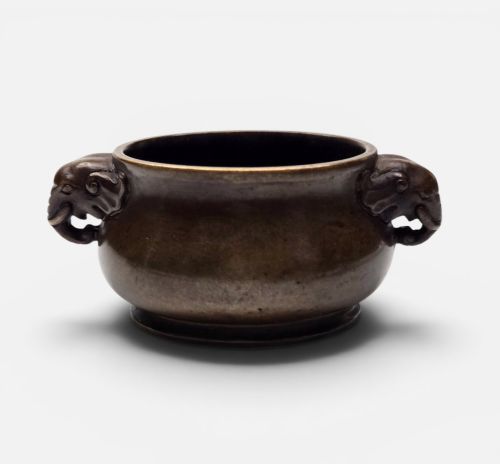
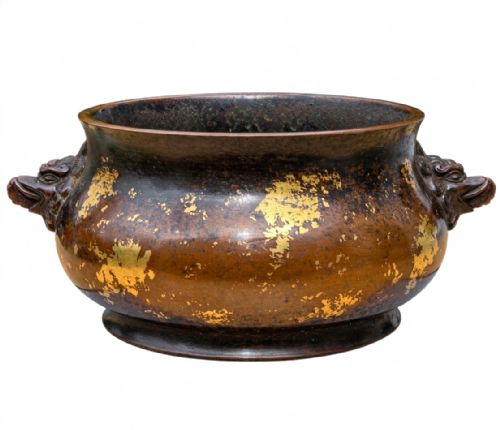
Bronze censers and porcelain vases dominate the available forms, often displaying specific motifs such as taotie masks, dragon handles or relief panels. Buyers encounter both utilitarian scholar's instruments and high-status ritual vessels with bespoke wooden stands. Each item records the manufacturing traditions of its specific century.
Materials and construction methods
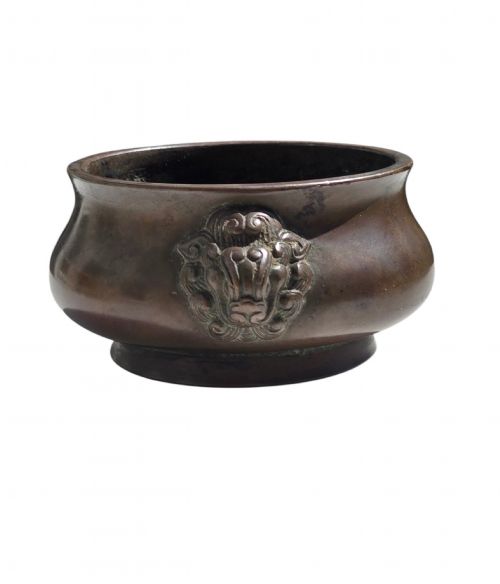
Bronze objects are heavily cast, sometimes utilising gilt-splashed surfaces, lead glazes or contrasting elements like zitan wood and coral covers. The metalwork displays crisp relief panels, elephant head mounts and lobed lotus forms that require skilled foundry techniques.
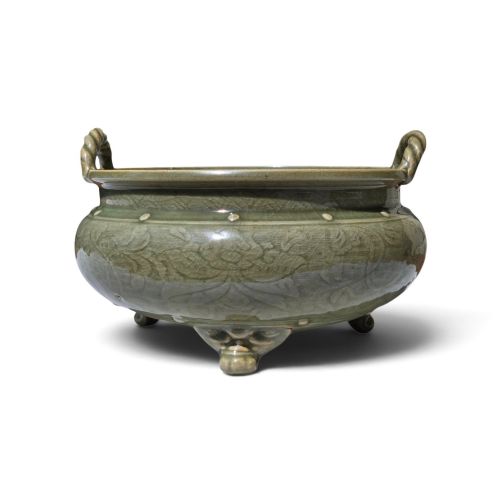
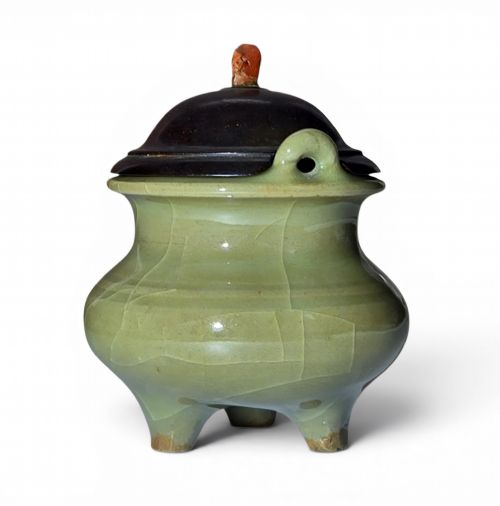
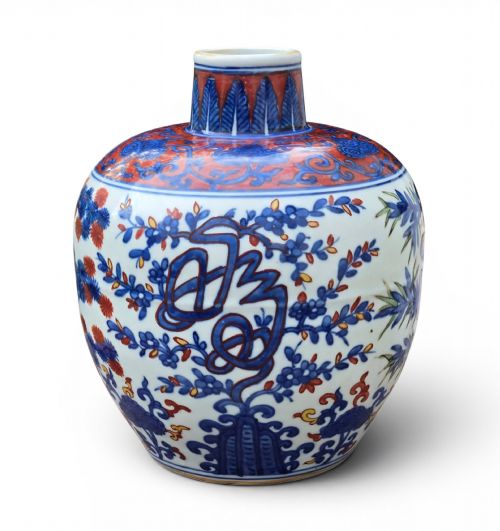
Ceramic pieces rely on porcelain, earthenware and celadon-glazed stoneware, decorated with cobalt blue, turquoise and amber pigments or underglaze iron-red. Potters shape these vessels on the wheel or in moulds before firing them at high temperatures to achieve durable vitrified bodies.
Listings feature bronze, porcelain, earthenware, and celadon-glazed stoneware across periods spanning the 16th century to the early 20th century.
Judging quality and execution
Quality rests upon the crispness of the cast relief, the weight of the bronze or porcelain body, and the depth of the glaze. A superior piece exhibits balanced proportions, clean casting lines without excessive cleanup marks, and refined surface patination.
The integration of auxiliary materials, such as bespoke zitan stands or carved covers, distinguishes higher-tier pieces. Finer examples retain their original surface treatments, whether a controlled celadon glaze or a deliberately patinated bronze finish.
The Ming Dynasty Vessel Glossary
- Celadon
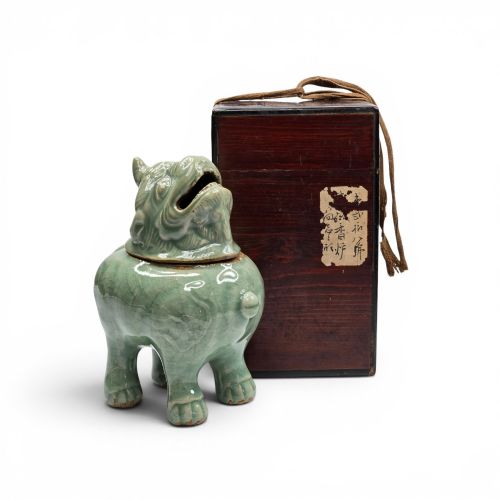
- A pale green jade-like glaze fired on stoneware bodies. This glaze type is characteristic of Longquan kilns.
- Censer
- A vessel designed for burning incense, frequently taking a tripod form in bronze or ceramic. These items were essential components of the traditional scholar's desk.
- Zitan
- A dense, dark hardwood prized for imperial furniture and bespoke stands. It complements bronze and porcelain vessels.
- Doucai
- A ceramic technique combining underglaze blue outlines with overglaze enamel infills. This method creates a contrasting multi-coloured design.
- Taotie
- A mythological zoomorphic mask motif found cast onto bronze ritual vessels. It adds a sense of archaic dignity to the surface.
Ming Dynasty Vessel: Frequently Asked Questions
How are bronze censers dated?
Dating relies upon stylistic markers, casting techniques, alloy composition and associated elements like contemporary zitan stands. Scholars compare the relief panels and handle forms against known dated examples from the Ming period.
Material patination and wear patterns also provide clues, though later revivals often imitate earlier forms with great precision.
What was a scholar's censer used for?
Scholars utilised these bronze or ceramic vessels to burn aromatic incense in their studios while reading, writing or painting. The rising smoke aided concentration and created a contemplative atmosphere.
These pieces were valued as much for their artistic form and tactile weight as for their practical function.
What is celadon glaze?
Celadon is a translucent green glaze resulting from iron oxide reacting in a reduction kiln atmosphere. It creates a subtle, jade-like surface over a stoneware body.
This finish appears frequently on early tripod vessels designed for both ritual and display.