



Earthenware Storage Pot
These earthenware storage pot examples are durable vessels shaped from clay, offering practical historic storage with wonderful rustic character for modern rooms.
Earthenware Storage Pot
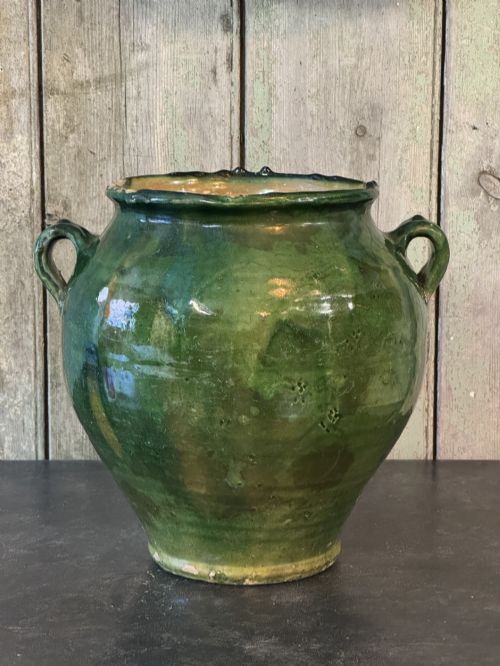
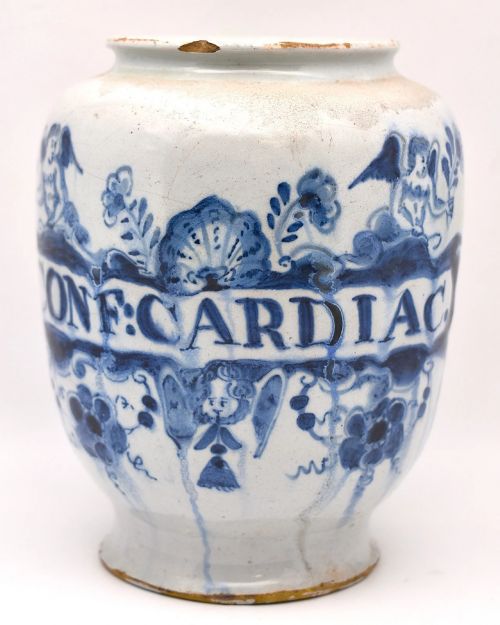
When you search for earthenware storage pot, you encounter robust utilitarian vessels spanning centuries of domestic and apothecary use. These items range from French confit pots and walnut oil jars to English delftware drug jars and Italian pharmacy jugs.
The versions most frequently met on this page date from the eighteenth and nineteenth centuries, originating from French provincial workshops and Mediterranean makers. Their forms vary from wide green glazed jars to tall painted olive containers.
Makers shaped these utilitarian vessels from basic clay to hold preserves, oils, and dry goods in farmhouses and shops. Today, collectors value their honest utility and the charming irregularities of historic earthenware.
Materials and construction methods
Potters built these earthenware storage pot items using local clay and terracotta, shaping them by hand on the wheel or in moulds. They then applied glazes including tin glaze and simple green lead coatings before firing the vessels in traditional kilns.
The resulting bodies show the natural porosity of earthenware, which makers sealed with internal or external glaze layers. Pigments were brushed onto tin-glazed surfaces to create apothecary labels and decorative motifs before a final high-temperature fix.
Earthenware Storage Pot Retail Price Guide 2026
Typical asking prices for earthenware storage pot among the pieces listed under this phrase on Sellingantiques today, from the lower quarter to the upper quarter. They describe what is for sale here now, not the wider market.
The regional styles represented across these earthenware storage pot entries range from French provincial and rustic farmhouse to Italian Baroque and Mediterranean folk art.
Quality variations in historic pots
Quality in an earthenware storage pot depends upon the clarity of the glaze, the symmetry of the thrown body, and the preservation of hand-painted details. Finer apothecary pieces display crisp polychrome or blue lettering, whereas rustic confit pots rely on rich drips and pooling of the green glaze.
The condition of the earthenware fabric also dictates desirability, with superior examples retaining their original lids and minimal kiln scars. Well-preserved surfaces show authentic wear without structural compromises to the clay body.
The Earthenware Storage Pot Glossary
- Earthenware
- Porous pottery fired at relatively low temperatures that requires a glaze to become watertight. This material forms the foundation of all storage vessels listed here.
- Tin-Glaze
- An opaque white glaze containing tin oxide, providing a smooth canvas for painted decoration. It is characteristic of drug jars and pharmacy jugs.
- Confit Pot
- A French pot traditionally used for preserving meats, featuring a glazed interior and often a partially glazed exterior. These jars form a prominent part of provincial earthenware.
- Delftware
- Tin-glazed earthenware produced in England or the Netherlands, frequently decorated in blue with apothecary markings. These items served medicinal and storage functions.
- Polychrome
- Decoration utilising multiple colours painted onto the ceramic surface before firing. This technique appears on eighteenth-century Italian and English pharmacy vessels.
Earthenware Storage Pot: Frequently Asked Questions
What were earthenware storage pots used for?
These vessels served everyday storage needs in European homes, shops, and apothecaries. Farmers used them for preserving confit and holding walnut oil, while pharmacists stored dry drugs and wet medicines inside them.
Over time, their practical roles shifted as modern packaging arrived, leaving these durable containers valued purely for their decorative and historic qualities in domestic interiors.
How do I date an antique earthenware pot?
Dating relies on examining the potting technique, glaze characteristics, and any painted inscriptions or maker's marks. Eighteenth-century pieces often show tin-glazing and hand-lettered apothecary labels, whereas nineteenth-century French confit pots typically feature rich green lead glazes and heavier terracotta bodies.
Comparing the form and wear patterns against documented examples helps narrow down the period of manufacture, though provincial wares often continued traditional shapes across generations.
Where should I display a storage pot?
These pots suit kitchen surfaces, open shelving, and garden settings where their earthy textures stand out. Large olive jars and garden planters look striking placed on stone floors or terraces, while smaller apothecary jars fit well on living room sideboards.
Pairing them with dried botanicals or leaving them empty lets the historic glaze and handmade character take centre stage in a room.
Are these pots waterproof?
Most historic earthenware storage pots feature interior glazing that made them suitable for holding oils, fats, and liquids. However, the porous clay body and age-related hairline cracks mean modern usage for holding fresh water should be approached with caution.
Using a discreet glass or plastic liner inside the jar protects the antique ceramic fabric while allowing you to display fresh flowers safely.