



Asian Pottery Jars
These asian pottery jars bring together centuries of skilled ceramic work, offering collectors rich glazes and intricate hand-painted detail for domestic display.
Asian Pottery Jars
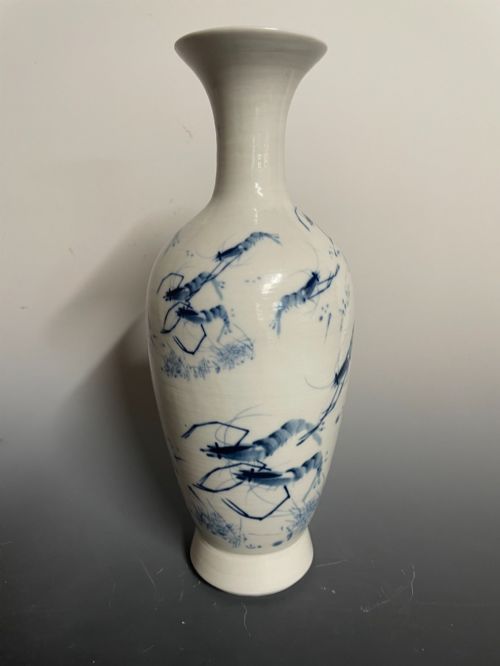
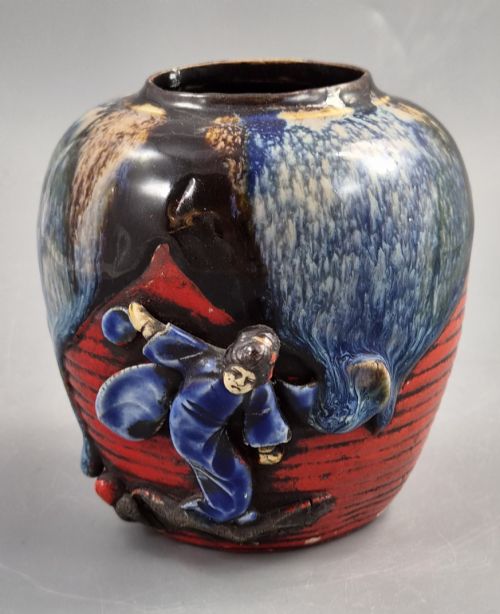
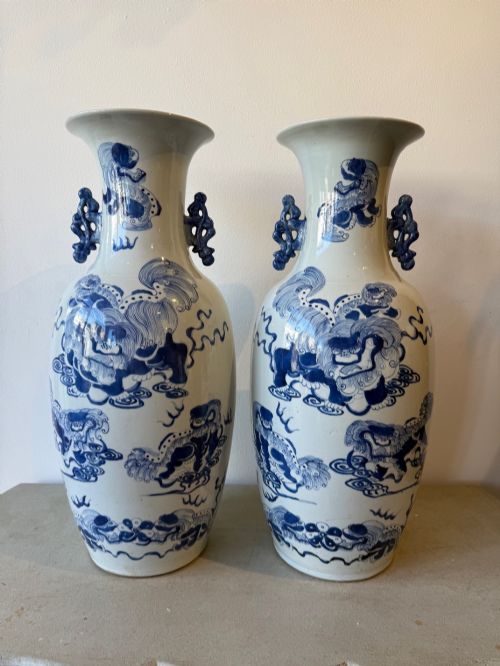
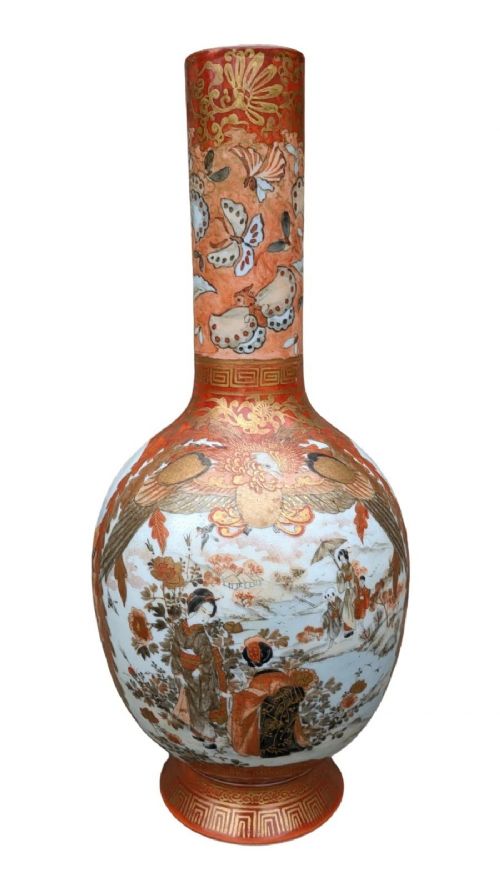
Asian pottery jars encompass a diverse group of vessels, including lidded ginger jars, tea caddies, and decorative urns originating from various periods and regional traditions. Buyers searching for asian pottery jars frequently encounter items from the nineteenth century, particularly pieces associated with the Meiji period and traditional Chinese styles. The selection ranges from cobalt glaze blue and white vessels to elaborately decorated Satsuma and Kutani wares.
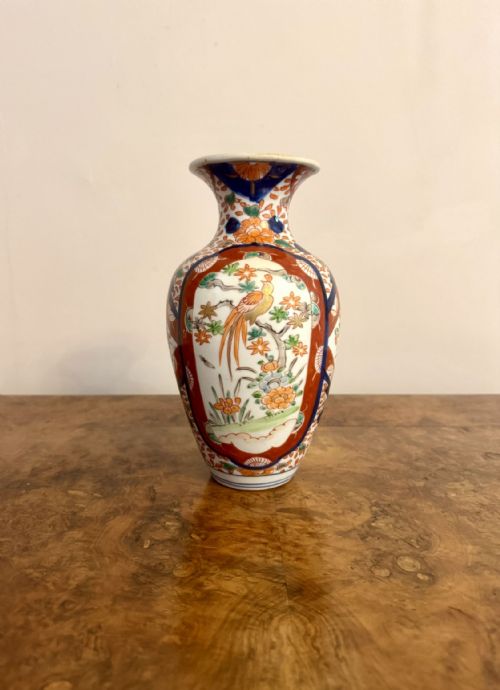
Form and function vary widely across the inventory, with domestic tea jars and lidded storage pieces sitting alongside large display vases. Many examples feature specific regional characteristics, such as the distinctive palettes of Japanese Imari or the celadon glazes found in older Chinese pieces. These items serve primarily as decorative focal points, reflecting the artistic priorities of their respective eras of production.
Materials and Techniques
Potters utilised materials such as porcelain, earthenware, and standard ceramic bodies as the foundation for these vessels, shaping them by hand or on the wheel. Once formed, the pieces received decorative treatments involving cobalt glaze, enamel, and gold leaf highlights to create intricate surface patterns. Kiln firing temperatures and techniques determined the success of these glazes, ranging from deep blue and white effects to complex flambé finishes.
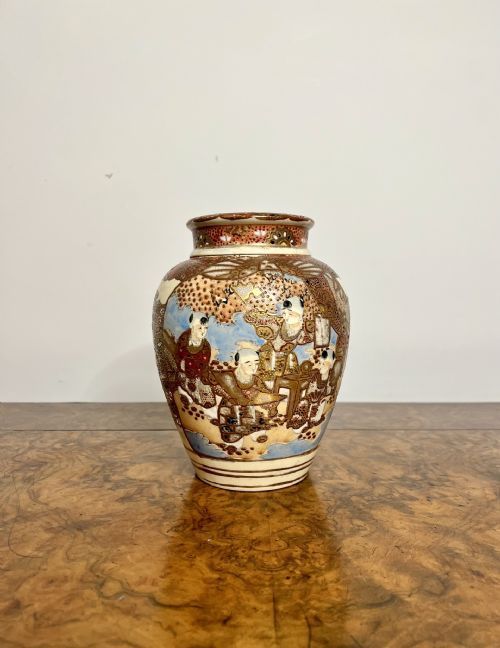
Many items incorporate detailed hand-painted elements, sometimes executed by named workshops or studio artists during the Meiji period. Gilding and enamel work were often applied over the initial glaze and fixed with a subsequent low-temperature firing. This multi-stage process allowed for the precise pictorial scenes and floral motifs seen on Satsuma and Kutani ceramics.
Listings for asian pottery jars feature pieces spanning from the Ming Dynasty through to the twentieth century, with a strong concentration of Meiji period Satsuma and Imari.
Assessing Quality and Execution
Quality in these ceramics often rests on the precision of the hand-painted detail and the control evident in the glaze application. Finer pieces demonstrate careful brushwork in complex figural scenes or natural motifs, whereas simpler examples show broader, less refined decoration. The presence of clear studio signatures or workshop marks can also distinguish superior productions from standard commercial wares.
The physical condition of the glaze and any applied gold leaf significantly influences the standing of a piece within its type. Consistency in the ceramic body and the absence of firing distortions mark out better-executed vessels. Collectors look for crispness in the underlying form, whether dealing with hexagonal Imari shapes or rounded ginger jars.
Kizan·Makuzu Kozan·Tokyo Taizan·Shizan·Kinrin Workshop·Shozan
The Asian Pottery Jars Glossary
- Satsuma
- A type of Japanese earthenware featuring a crackle glaze and ornate enamel and gilt decoration. These wares were widely produced for export during the nineteenth century.
- Imari
- A style of Japanese porcelain characterised by a palette of underglaze blue, iron red, gold, and auxiliary colours. The style originated in Arita and became popular in European markets.
- Kutani
- Japanese porcelain and ceramic wares known for bold pictorial designs, often incorporating rich red and gold pigments. The tradition stems from the Kaga province.
- Celadon
- A term for pottery denoting both wares glazed in jade green and the specific green glaze itself. This finish is traditional in Chinese ceramic history.
- Flambé glaze
- A streaked or mottled glaze achieved through complex kiln reactions during firing. It produces variable colour effects, often combining blues and reds.
Asian Pottery Jars: Frequently Asked Questions
What defines a Satsuma jar?
Satsuma jars typically feature a distinctive ivory-coloured, crackled earthenware body decorated with detailed enamel scenes and gold leaf. They were produced extensively in Japan during the nineteenth century for both domestic use and export.
Collectors prize pieces that maintain crisp painted details and intact gilding across the surface of the vessel.
How do I spot Kutani ware?
Kutani ceramics are recognised by their bold, colourful enamel designs, which frequently incorporate generous amounts of red and gold. The subjects often include figures, birds, and natural landscapes painted across various vessel forms.
Most examples seen on the market date from the Meiji period, reflecting the prolific output of the Kaga region during that time.
What is a ginger jar?
Ginger jars are broad-shouldered storage vessels traditionally used in China for holding spices and other commodities. Over time, their pleasing proportions made them popular decorative objects in Western interiors.
They usually feature a matching domed cover and are frequently decorated in blue and white cobalt glaze or polychrome enamels.
How should I display these jars?
These ceramic vessels suit placement on stable surfaces where natural light can highlight their glazes and painted details. Lidded pieces should be kept away from heavy foot traffic to prevent accidental knocks to their covers.
Pairing jars with compatible items, such as timber stands, can help integrate them safely into a room scheme.
Are these pieces waterproof?
While these items were originally fired as functional containers, antique ceramics can develop micro-fissures in their glaze over centuries. It is generally safer to treat older earthenware and porcelain jars as decorative display pieces rather than practical vases.
Using a modern liner inside the jar is advisable if you intend to hold water and fresh flowers.