


Ming Dynasty Ceramics
Ming dynasty ceramics bring centuries of historical weight to your interior, offering authentic porcelain vessels and figures shaped by imperial kilns and regional trade.
Ming Dynasty Ceramics
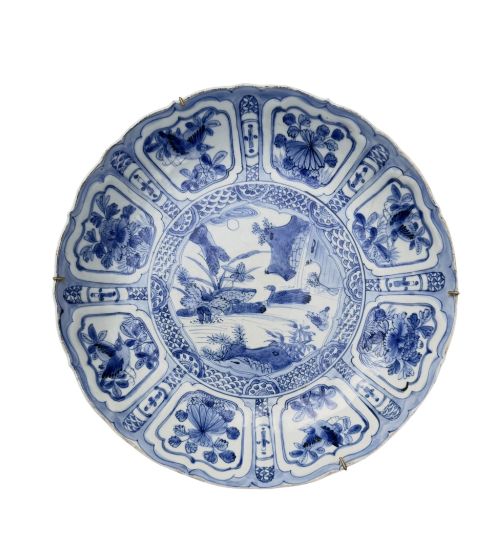
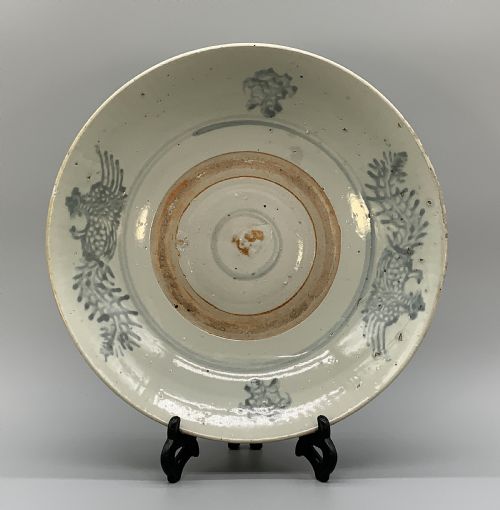
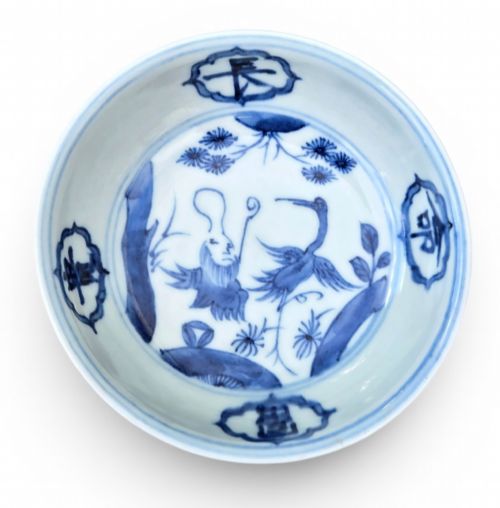
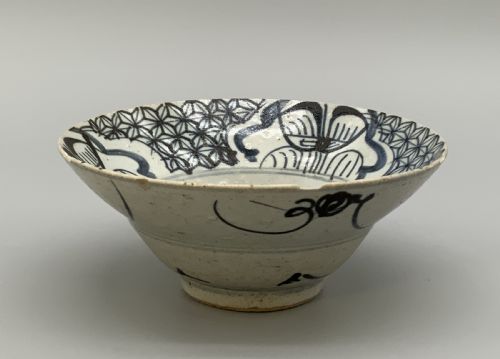
When you search for ming dynasty ceramics, you encounter a diverse array of utilitarian and decorative objects spanning the sixteenth to nineteenth centuries. The selection encompasses robust Swatow bowls, intricate Kraak dishes, and ceremonial incense burners alongside later stylistic revivals.
Vessels range from deep punch bowls and bottle vases to tripod censers and miniature figures. Most examples belong to the sixteenth and seventeenth centuries, reflecting the major production periods of the Wanli and Jiajing eras.
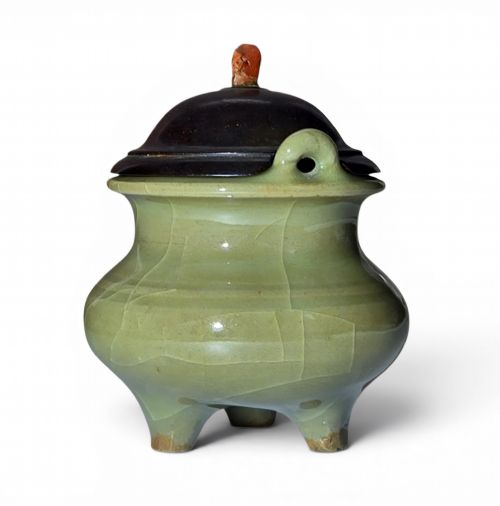
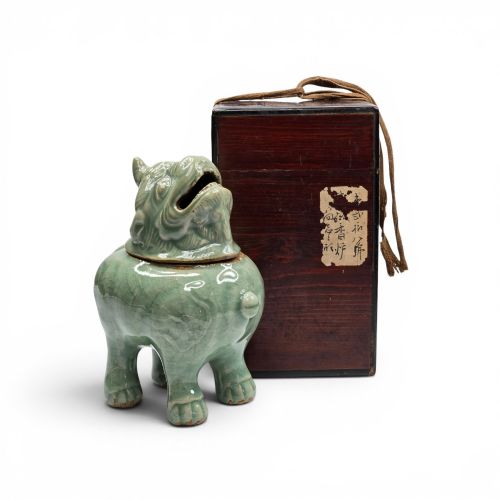
The objects derive from various traditions, including imperial wares and export porcelain intended for global markets. Collectors meet both blue and white decorated porcelain and monochrome celadon glazed stoneware across the current selection.
Materials and Techniques
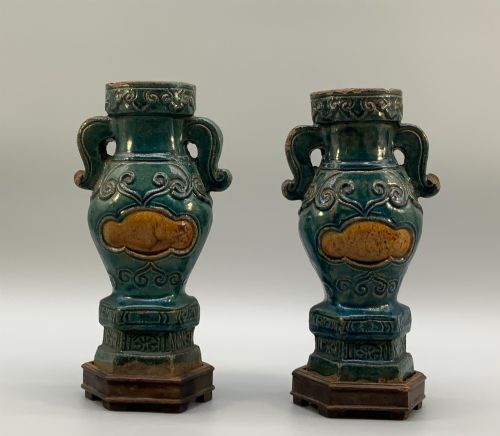
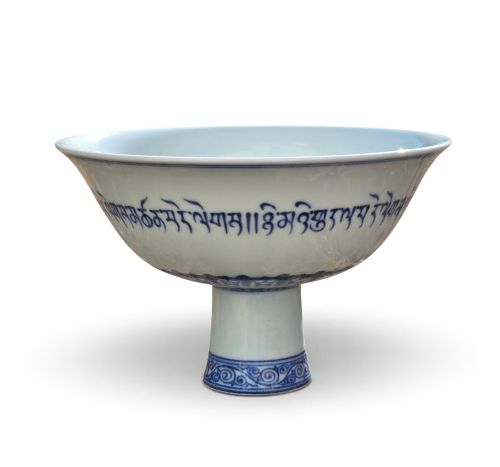
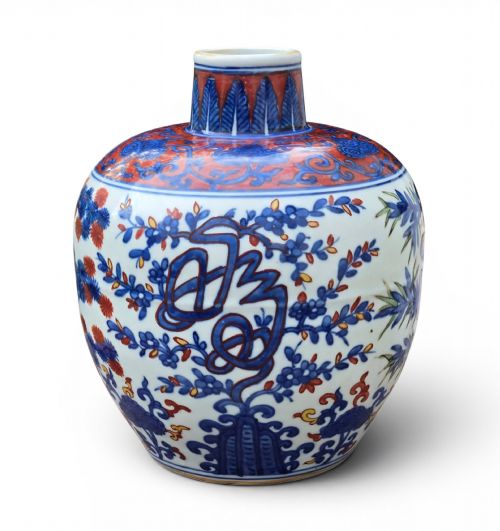
Potters shaped these objects primarily from fine porcelain and earthenware, applying cobalt underglaze pigments to create deep blue designs beneath a clear surface. Other pieces rely on lead glazes or exhibit the distinct jade-like qualities of celadon glazed stoneware.
Artisans employed precise brushwork to render dragons, floral motifs, and script upon the clay body before firing. Specialised techniques produced varied colour effects, including iron-red accents and turquoise and amber lead glazes.
Listings feature porcelain, earthenware, and celadon glazed stoneware across the sixteenth, seventeenth, and nineteenth centuries.
Assessing Quality and Execution
Quality rests upon the clarity of the underglaze cobalt and the precision of the painted details, such as dragons and botanical motifs. Superior pieces display controlled brushwork and harmonious proportions that distinguish imperial commissions from ordinary export wares.
The physical condition of the ceramic body and the stability of the glaze dictate the standing of an individual piece. Finer examples maintain crisp foot rings and intact surface decoration despite centuries of handling.
The Ming Dynasty Ceramics Glossary
- Kraak porcelain
- A type of Chinese export porcelain characterised by panelled borders and central landscape or animal motifs. It gained popularity in Europe during the late sixteenth and seventeenth centuries.
- Swatow ware
- A broad category of Chinese ceramic vessels produced for export in the Fujian province during the late Ming dynasty. These pieces often feature bold, spontaneous brushwork under a thick glaze.
- Celadon
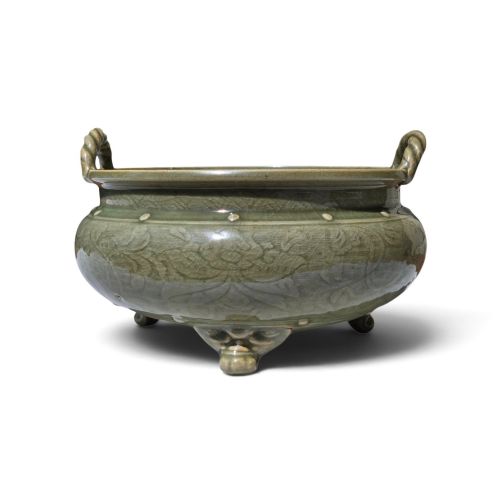
- A term describing green-glazed ceramic wares that emulate the appearance of jade. This tradition relies on iron oxide in the glaze reacting within a reduction kiln.
- Doucai
- A decorative technique combining underglaze blue outlines with overglaze enamels. Artisans fill in the painted contours with contrasting colours before a second, lower-temperature firing.
- Censer
- A vessel designed for burning incense during ritual or domestic activities. Tripod examples rest upon three feet and frequently incorporate animal or mythical creature motifs.
Ming Dynasty Ceramics: Frequently Asked Questions
How do I date a Ming ceramic?
Dating relies upon stylistic markers, reign marks, and comparative analysis with documented kiln sites. Cobalt tones and painting styles often point toward specific periods like the Wanli or Jiajing eras.
Material composition and potting techniques also provide crucial clues. Experts examine foot rings and glaze characteristics to separate sixteenth-century production from later revivals.
What is Kraak porcelain?
Kraak porcelain refers to a specific class of blue and white export ware produced during the late Ming dynasty. These dishes and bowls typically feature segmented panels radiating from a central medallion.
Merchants transported these ceramics globally after capturing Portuguese trading ships. Their distinctive aesthetic became highly prized in European households.
How were these ceramics used?
Many pieces served practical functions in dining and domestic storage, ranging from deep punch bowls to large charger dishes. Others held significant ritual roles as temple offerings and scholar's desk items.
Incense burners mediated spiritual practices, while brush washers supported calligraphy. Export pieces frequently functioned as prestigious display items in foreign courts.
Can I display these pieces openly?
These ceramics tolerate normal indoor display provided they sit on stable, secure surfaces away from heavy foot traffic. Vases and bowls make striking focal points on mantelpieces or sturdy wooden furniture.
Protect fragile items from direct sunlight and temperature fluctuations. Secure heavier tripod vessels to prevent accidental tipping.