
Crackle Glaze Ceramic
These pieces of crackle glaze ceramic bring intentional network patterns and tactile depth to interiors through centuries of global pottery traditions.
Crackle Glaze Ceramic
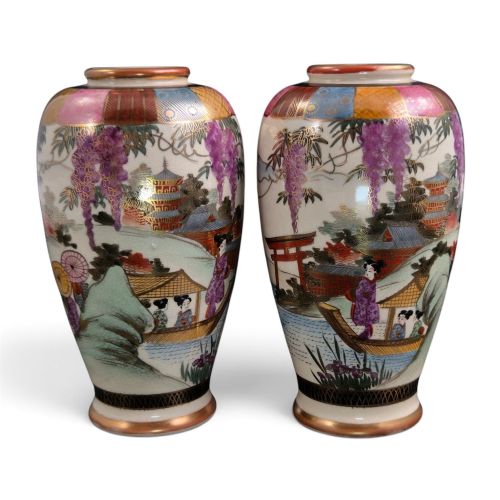
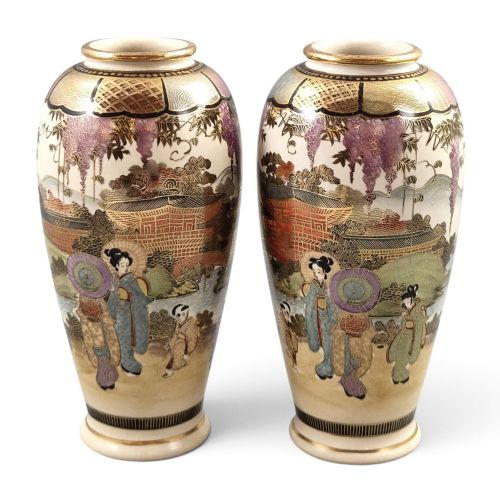
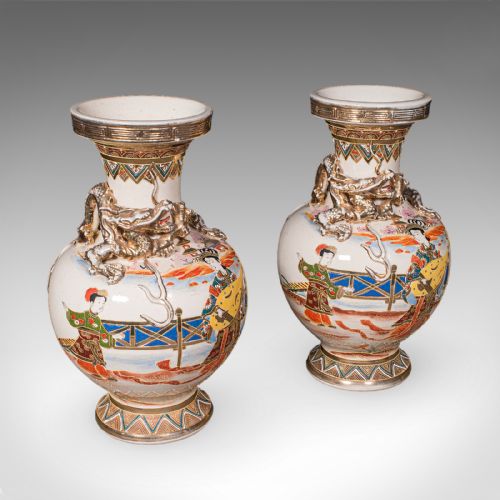
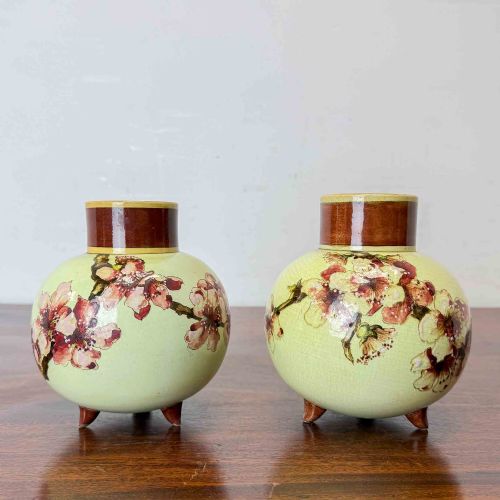
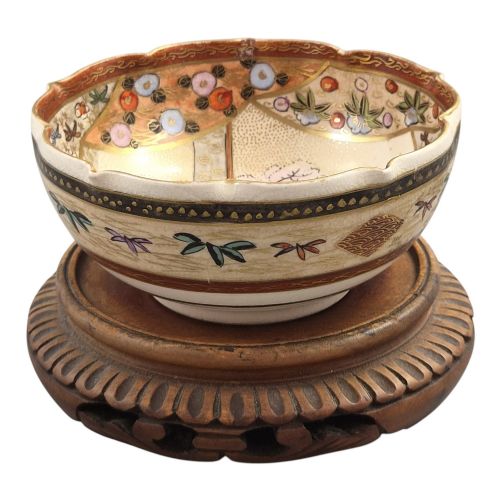
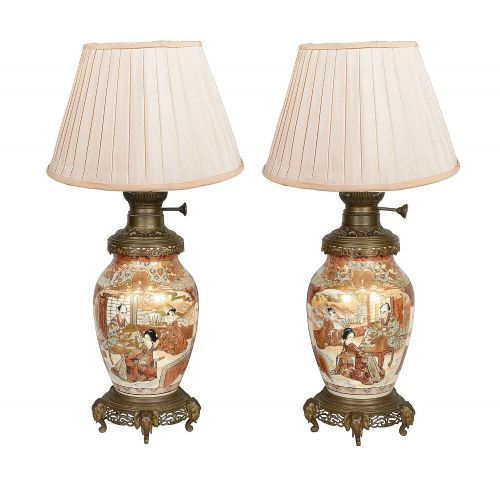
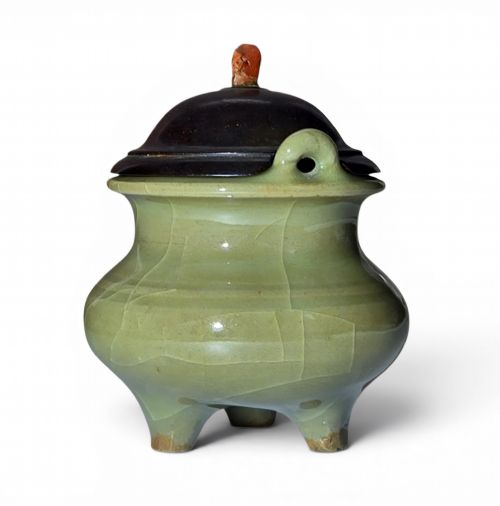
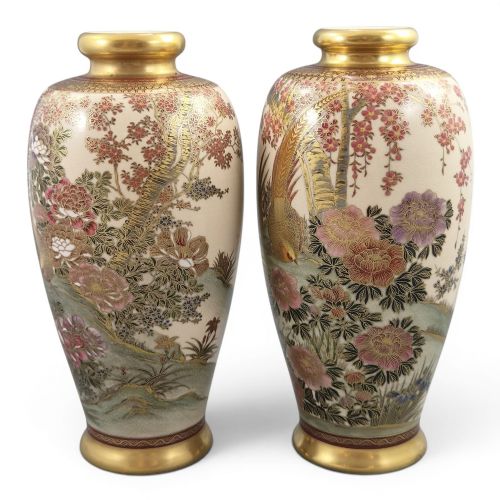
A buyer investigating crackle glaze ceramic encounters a diverse array of vessels, lamps, and decorative figures spanning multiple continents and eras. The selections frequently include Japanese Satsuma earthenware vessels alongside Chinese celadon dishes and European art deco figures.
The objects take forms ranging from monumental floor vases and tea jars to small tripod censers and animal sculptures. Pieces originate from various contexts, including late Victorian imports, Meiji period Kyoto studios, and early twentieth-century French workshops.
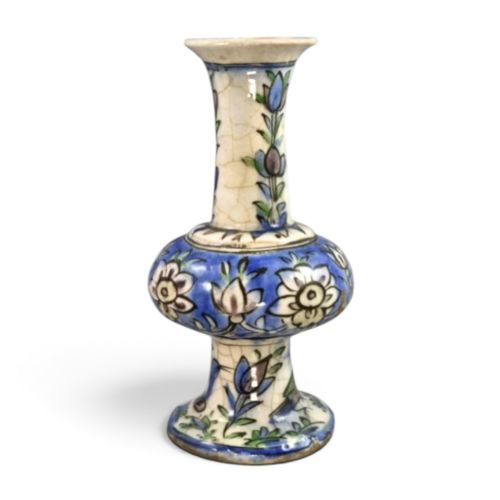
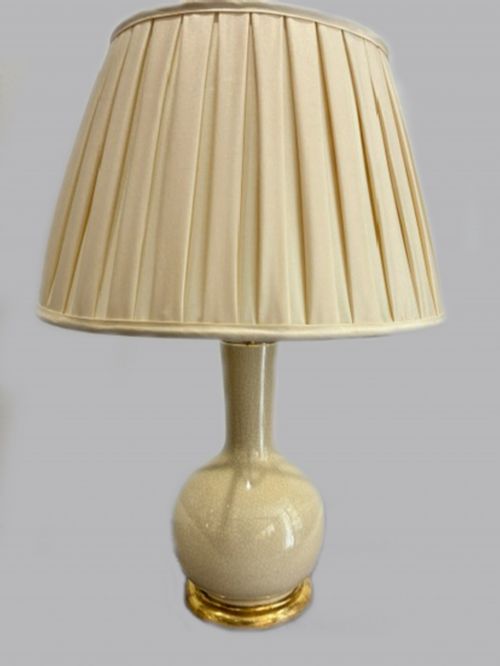
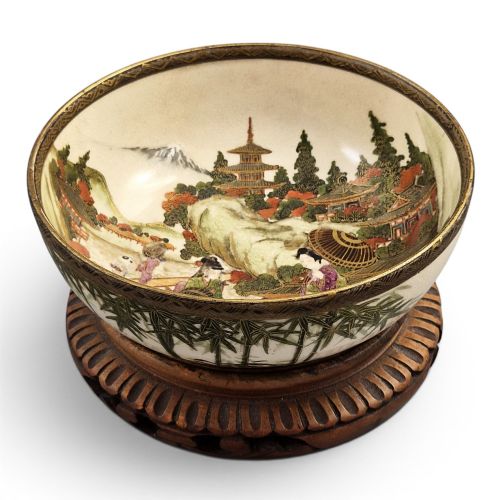
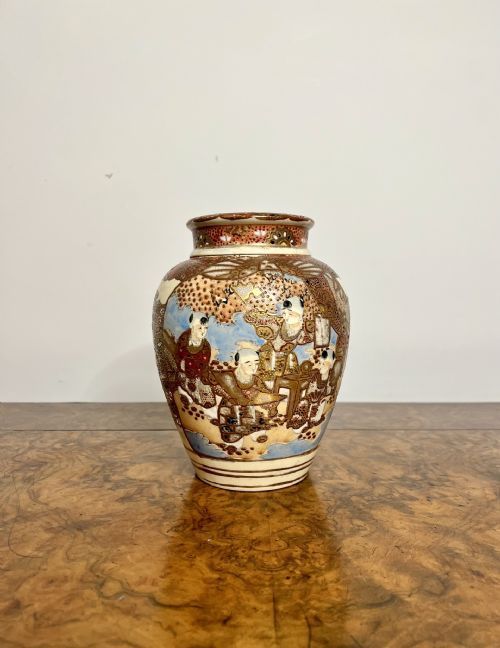
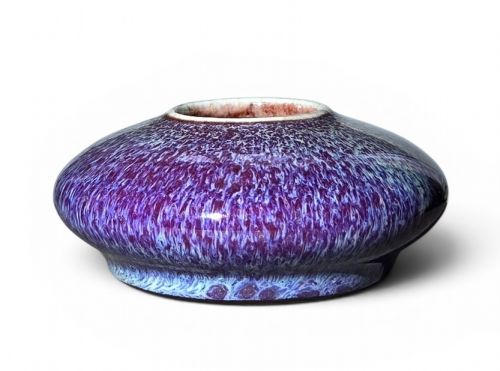
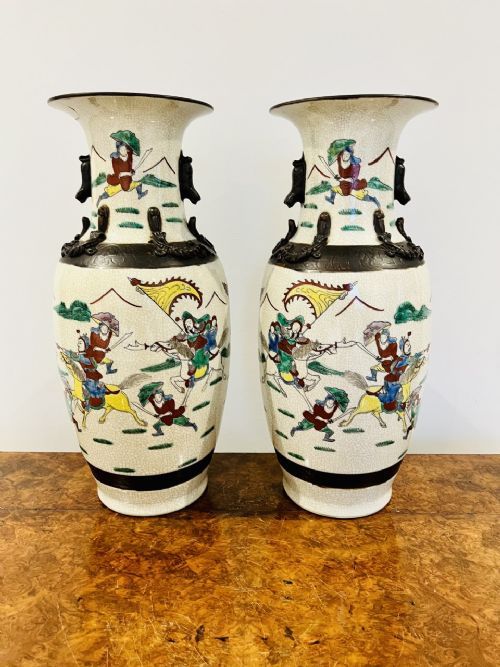
Vessels often feature elaborate hand-painted figural scenes, floral motifs, or monochrome surfaces where the crazed pattern forms the primary decoration. Collectors encounter both utilitarian forms adapted for lighting and purely decorative ornamental pieces.
Materials and Technique
Potters produce the characteristic network by intentionally creating a mismatch in the thermal expansion rates between the ceramic body and the outer glaze layer. As the piece cools in the kiln, the glaze contracts faster than the clay underneath, forming a web of fine fissures.
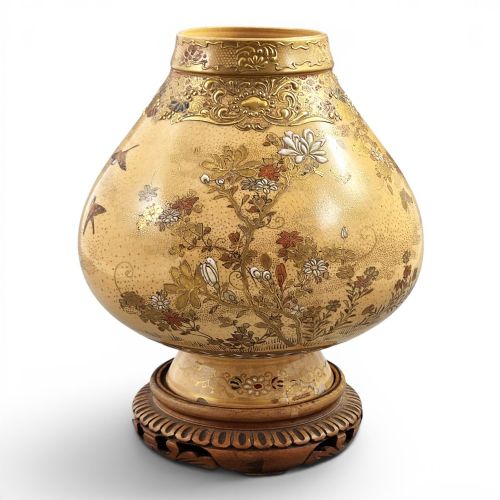
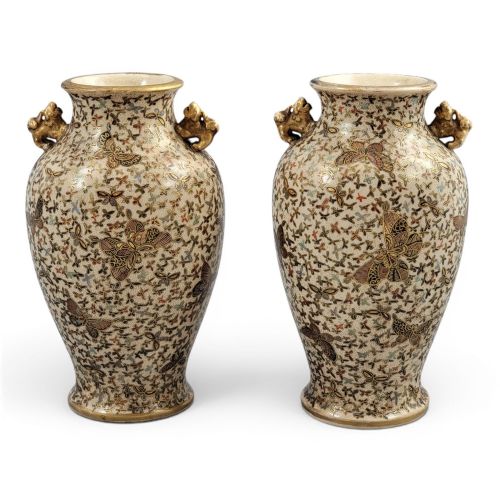
Artisans often rub dark pigments or ink into the cooled fissures to emphasise the network against a paler background of earthenware or porcelain. Decoration on Japanese and Chinese items frequently incorporates enamel painting and gold leaf detailing applied over the glaze layer.
Early twentieth-century French artisans transformed the ancient kiln accident into modern style by casting massive ceramic fish and pheasants with heavy crazing.
Evaluating Quality
Quality rests upon the control and regularity of the crazing pattern relative to the form of the vessel. Superior items display an even, harmonious network that complements the proportions and contours of the ceramic body without appearing chaotic.
The refinement of the underlying body, the crispness of the hand-painted enamels, and the precision of studio signatures distinguish standard production items from masterwork creations. Artisanal provenance and well-preserved surface gilding elevate the standing of individual pieces.
Shozan·Manpei·Gyokkō·Kinzan·Shizan·Kinkōzan·Chosei·Ryuzan·Le Manceau·Lejan
The Crackle Glaze Ceramic Glossary
- Crazing
- A network of fine cracks in the glaze surface caused by tension during the cooling process. This deliberate effect defines the aesthetic of the category.
- Satsuma
- A type of Japanese earthenware featuring a pale, ivory-coloured crackled glaze decorated with polychrome enamels and gilt. Production flourished during the Meiji period.
- Celadon
- A term for ceramics with a pale green or grey-green glaze, often displaying a subtle crackled finish. The style has ancient roots in Chinese kiln traditions.
- Moriage
- A Japanese ceramic technique of applying raised slip decoration to create a textured, three-dimensional surface effect. It frequently appears on Satsuma wares.
- Faience
- Earthenware decorated with opaque coloured glazes. The technique is common in European studio ceramics from the nineteenth century.
Crackle Glaze Ceramic: Frequently Asked Questions
Are the cracks in the glaze intentional?
The fissure network results from a controlled manufacturing technique rather than accidental damage. Potters manipulate the cooling process inside the kiln to produce the characteristic web across the surface.
This deliberate crazing provides both decorative texture and visual depth. Historical makers utilised the effect to mimic ancient wares or to create unique surface patterns.
How do I care for antique crackle ceramics?
These items require gentle handling and dry dusting with a soft cloth to protect delicate surface decorations and gilding. Moisture can seep into the open fissures over time if pieces are immersed in water.
Display vessels away from direct sunlight and sudden temperature shifts to preserve the integrity of the glaze and body. Use qualified specialists if repairs become necessary.
How can I tell Japanese Satsuma from Chinese wares?
Japanese Satsuma typically utilises a fine earthenware body with a characteristic ivory-toned crackled glaze covered in dense enamel and gold work. Chinese wares in the selection often feature porcelain bodies with celadon or monochrome glazes.
Examining the base often reveals studio signatures, maker marks, or period characteristics that clarify the geographic origin and production era.
What is the difference between Meiji and Victorian pieces?
Meiji period items originate from Japan during the late nineteenth and early twentieth centuries, reflecting traditional craftsmanship and specific regional studio styles. Victorian pieces usually reference European import tastes or domestic British interpretations from the same era.
Stylistic cues, maker signatures, and material compositions help distinguish pieces made for export in Asian workshops from those produced in European factories.