



17th Century Pots
These 17th century pots bring centuries of domestic utility and scholarly refinement straight into a modern interior.
17th Century Pots
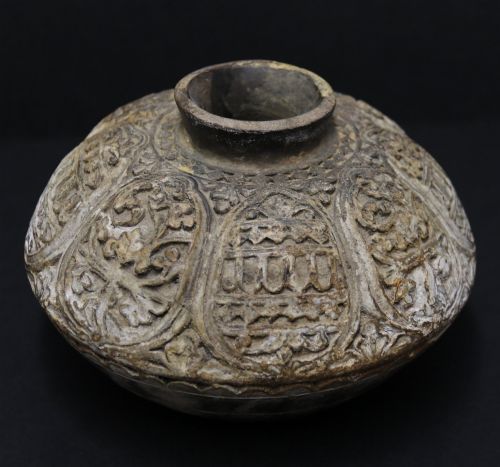
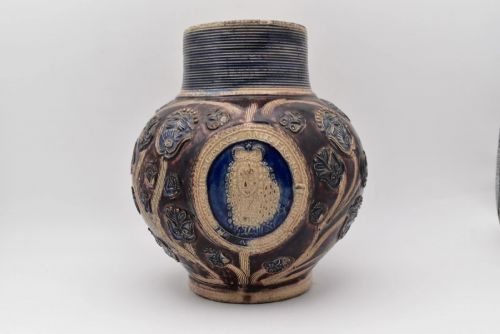
When you search for 17th century pots, you encounter a diverse gathering of vessels spanning English metalware, Chinese porcelain scholar's items, and European earthenware. The selection ranges from robust kitchen cauldrons and mortars to delicate blue and white brush pots and slipware strawberry jars.
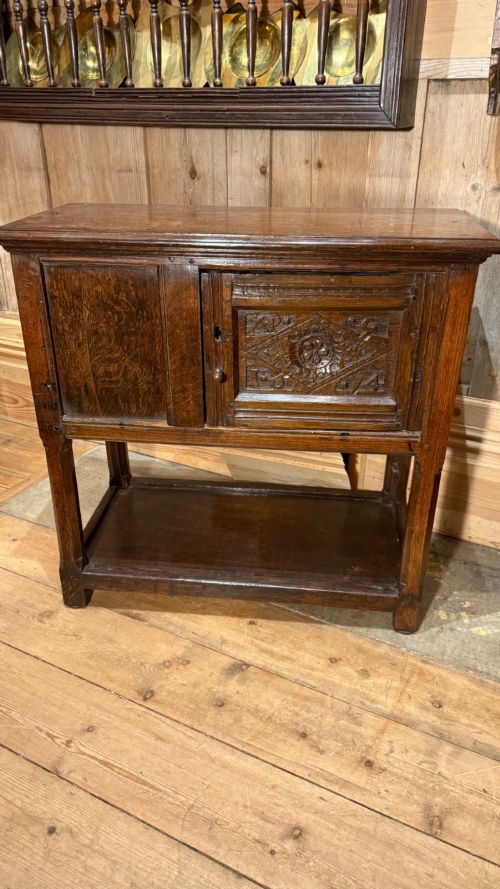
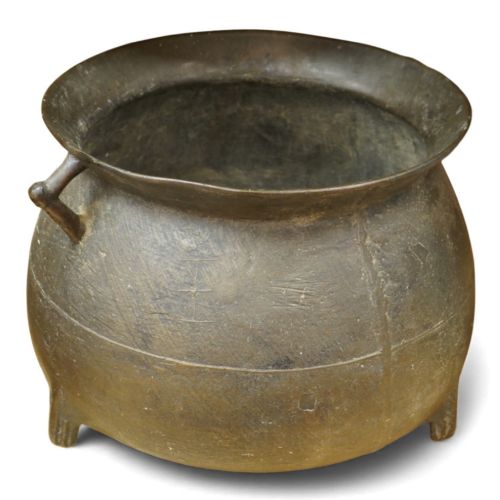
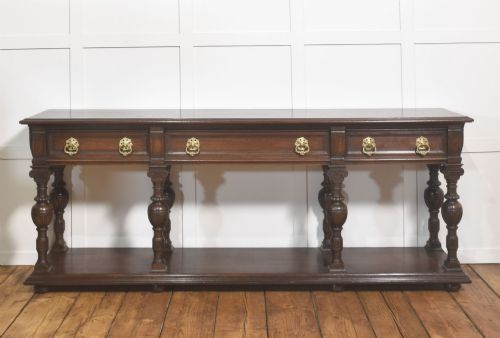
You are most likely to meet bronze cauldrons of the Somerset type, blue and white porcelain bitong jars from the Kangxi period, and sturdy oak furniture forms like dresser bases that share the era. These pieces cross domestic kitchen use, scholarly writing desks, and formal display.
Geographic origins stretch from English and continental European workshops to Chinese imperial kilns and Indian pottery traditions. Each object carries the specific material habits and aesthetic priorities of its native region during a turbulent century of craft.
Assessing quality in early vessels
Quality rests on the crispness of casting in bronze work and the precision of the potter's wheel in ceramics. Heavy bronze censers and cauldrons distinguish themselves through balanced proportions and clean removal of mould seams.
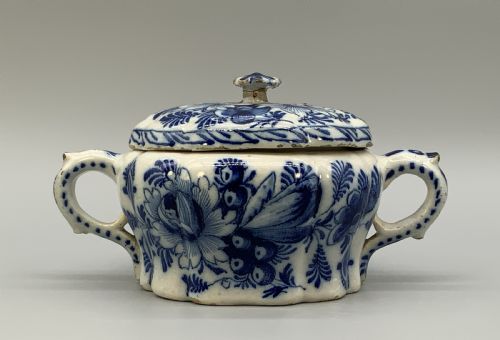
In porcelain and delftware, the clarity of the cobalt pigment and the stability of the glaze define the standard. Finer scholarly brush pots exhibit controlled painting technique and well-potted walls without warping.
The integrity of the material surfaces, whether patinated bronze or carved oak, separates refined survival from clumsy restoration. Original stands and undisturbed patination elevate the standing of an individual piece.
17th Century Pots Retail Price Guide 2026
Typical asking prices for 17th century pots among the pieces listed under this phrase on Sellingantiques today, from the lower quarter to the upper quarter. They describe what is for sale here now, not the wider market.
Geographic origins span English, continental European, Chinese, and Indian workshops.
The 17th Century Pots Glossary
- Bitong
- A cylindrical brush pot used by scholars in East Asia for holding writing brushes. These vessels appear in porcelain and other materials.
- Censer
- A vessel designed for burning incense during scholarly contemplation or ritual practice. They frequently stand on tripod feet.
- Delftware
- Tin-glazed earthenware produced in England and the Netherlands, often painted with blue and white floral designs. This technique mimics imported Chinese porcelain.
- Cauldron
- A large metal cooking pot equipped with carrying handles and feet for hearth use. Somerset type examples are well documented in English metalware.
- Slipware
- Pottery decorated with a liquid clay mixture applied before firing to create surface patterns. Dutch examples often serve horticultural purposes like strawberry cultivation.
17th Century Pots: Frequently Asked Questions
How were bronze cauldrons used?
These heavy metal vessels sat directly over open hearth fires to heat liquids and cook daily meals. Their sturdy tripod feet kept the base elevated above hot embers.
Over decades of domestic service, the bronze developed rich surface patination and accumulated smoke staining from hearth fires.
How do I care for antique oak furniture?
Oak furniture benefits from stable indoor humidity and protection from direct sunlight. Regular application of traditional wax helps preserve the dry timber surface.
Avoid placing these heavy wooden pieces near heat sources that could cause the panels to split or warp.
Can I use antique pottery for planting?
Porous earthenware and slipware pots allow moisture to pass through the clay walls. This characteristic makes them suitable for certain plants like strawberries.
Modern indoor liners help protect fragile historic clay bodies from constant dampness and mineral salt damage.