


Turquoise Glazed Pottery
Turquoise glazed pottery brings brilliant blue-green colour to interiors, drawing the eye across centuries of global ceramic craft.
Turquoise Glazed Pottery
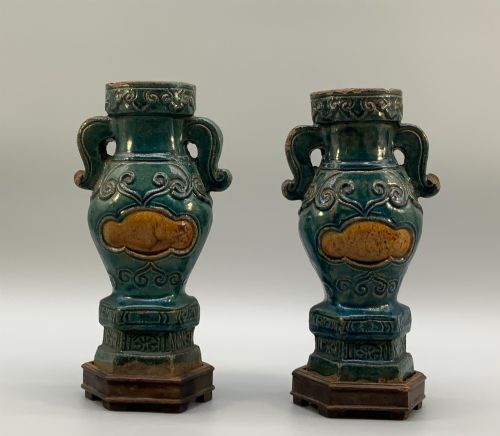
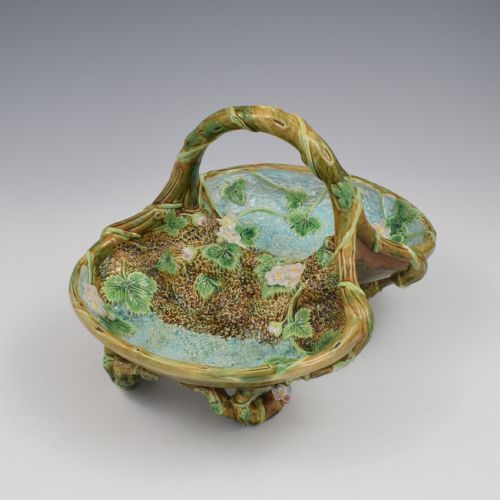
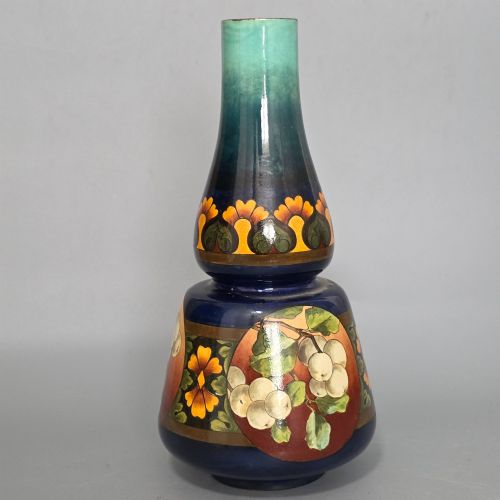
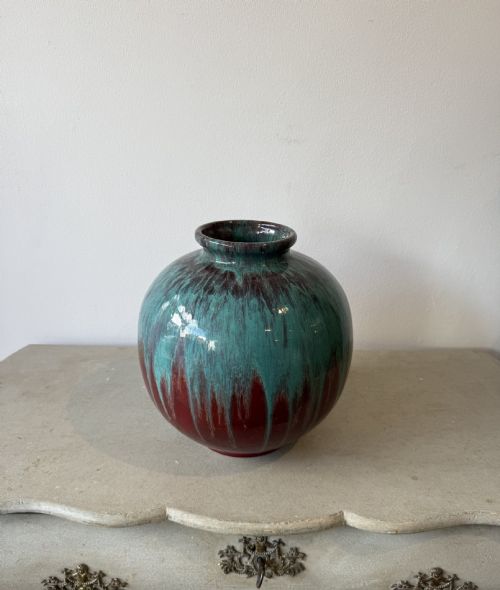
Turquoise glazed pottery encompasses a striking variety of vessels, figures and tiles distinguished by vibrant blue-green surfaces. When exploring turquoise glazed pottery, collectors encounter diverse forms ranging from Chinese vases and figures to Victorian majolica baskets and British art pottery.
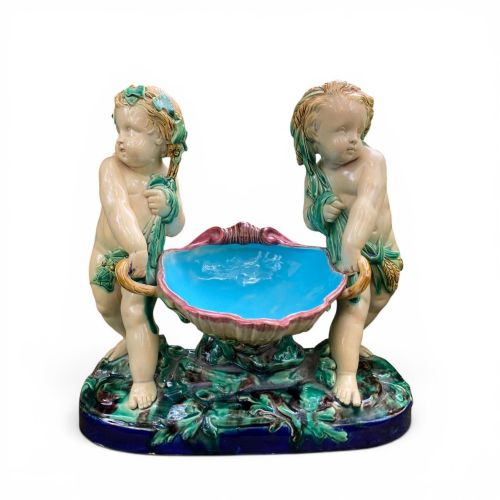
The pieces on this page span several centuries, with particular strength in nineteenth-century European majolica and art pottery alongside earlier Asian works. Buyers frequently meet planters, jardinieres, vases and decorative animal figures displaying the characteristic bright glaze.
Origins stretch from seventeenth-century China and early Persian production to Victorian Britain and twentieth-century French studios. Each region applies the distinctive glaze to earthenware, ceramic, fritware or porcelain bodies according to local traditions.
How they were made
Potters utilised earthenware, ceramic and fritware as bodies, applying metallic oxide glazes to achieve the vibrant blue-green colour. Copper is the traditional agent responsible for the characteristic turquoise shade when fired.
Techniques range from slip casting and throwing to intricate hand-modelling and relief moulding, as seen on Majolica baskets and figural sculptures. Glazes were carefully controlled during firing to create smooth, glossy surfaces or crackle effects.
Some works feature additional lustre finishes or contrasting amber and dark blue tones, while tiles and plaques utilise flat surfaces to showcase painted birds, cheetahs and script.
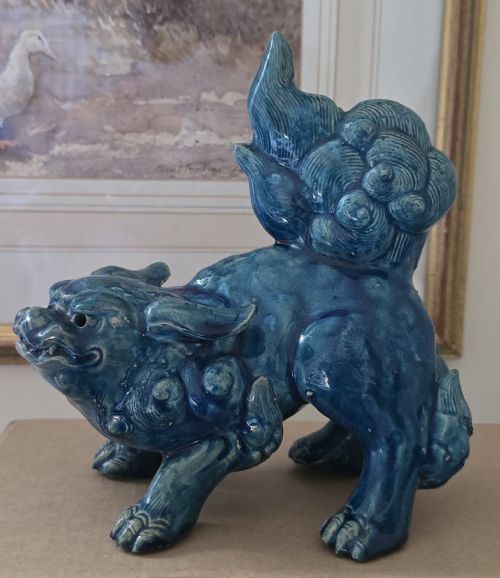
A solemn glazed cockerel stands shoulder-to-shoulder with cheeky ceramic apes and watchful shishi figures.
What varies in quality
Quality rests heavily upon the crispness of the moulding and the depth of the glaze application. Superior pieces display even coverage without pooling, allowing underlying relief details or sculptural forms to remain sharp and distinct.
The reputation of the maker and the artistic ambition of the design separate ordinary productions from exceptional examples. Works attributed to notable potteries or named modellers command greater attention for their sophisticated execution.
Condition and preservation of the delicate glazed surface heavily influence desirability. Intact glazes without extensive flaking or poor restoration represent the highest tier of the medium.
George Jones·Doulton Lambeth·Minton·Burmantofts Art Pottery·Clement Massier
The Turquoise Glazed Pottery Glossary
- Majolica
- A type of earthenware decorated with opaque coloured glazes, popular during the Victorian era for bold garden ornaments and tableware.
- Fritware
- A ceramic body composed of quartz, glass-frit and clay, widely used in Islamic pottery to achieve fine detail and brilliant glaze absorption.
- Faience
- Tin-glazed earthenware or art pottery decorated with opaque coloured glazes, often associated with late nineteenth-century British and European manufacturers.
- Jardiniere
- A large ornamental pot or stand designed to hold indoor plants or floral arrangements, frequently produced in heavy glazed ceramics.
- Lustre glaze
- A metallic film applied to pottery that produces an iridescent sheen when fired in a reducing atmosphere.
- Shishi
- A traditional guardian lion or dog figure depicted in Asian art, often rendered in turquoise ceramic glazes.
Turquoise Glazed Pottery: Frequently Asked Questions
Are these pieces waterproof?
Many jardinieres, vases and bowls were designed to hold water or plants, but older earthenware bodies can be porous. Utilising a modern liner inside antique vessels protects the historic ceramic fabric from moisture damage.
Unglazed bases or historic cracks mean water should be used with caution. Inspect the interior before filling any antique vessel.
How do I date turquoise glazed pottery?
Dating relies on stylistic markers, potter's marks, and the type of ceramic body used. Victorian pieces often bear registry diamonds or factory stamps, while earlier Asian ceramics require analysis of form and glaze characteristics.
Comparing glaze thickness and craquelure patterns provides further clues regarding age. Reference material specific to potteries helps confirm exact production decades.
Can I display these pieces outside?
Most antique turquoise glazed pottery is best kept indoors away from frost and extreme weather. Freezing temperatures can cause historic earthenware and glazes to crack or spall.
Jardinieres and pedestals should reside in protected garden rooms or conservatories if placed outside. Interior placement ensures the longevity of delicate nineteenth-century and earlier glazes.