

Chinese Ceramic Urn
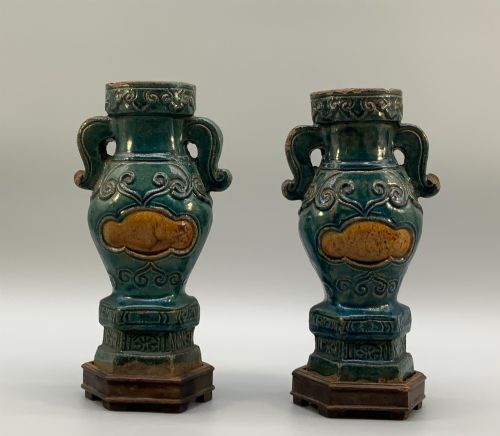
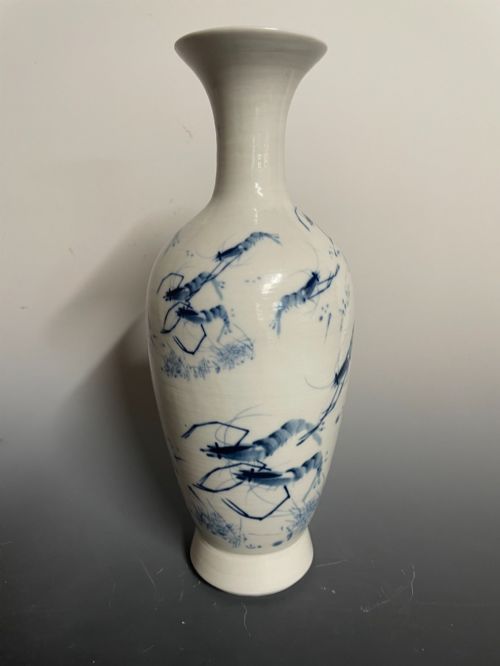
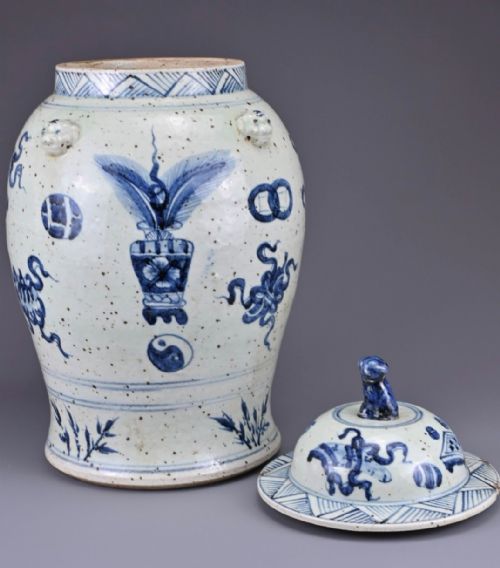
These Chinese ceramic urn pieces bring lasting presence to a room through their painted and glazed forms.
What Chinese ceramic urn pieces are
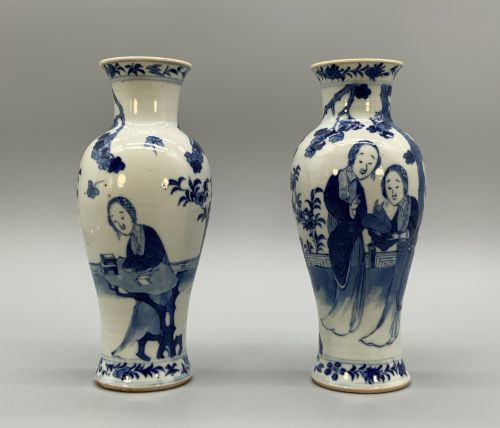
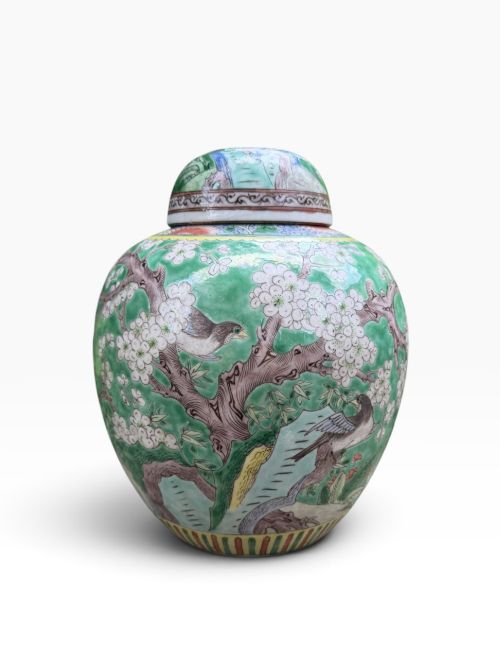
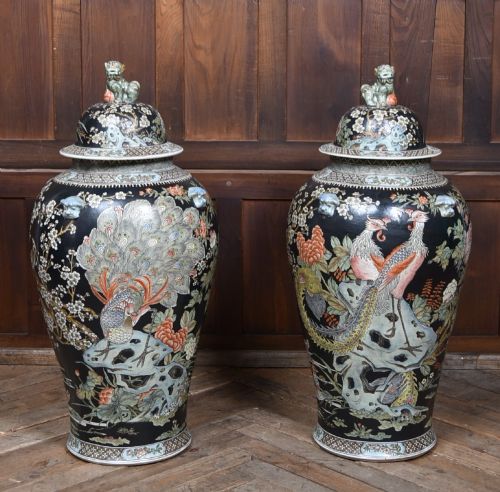
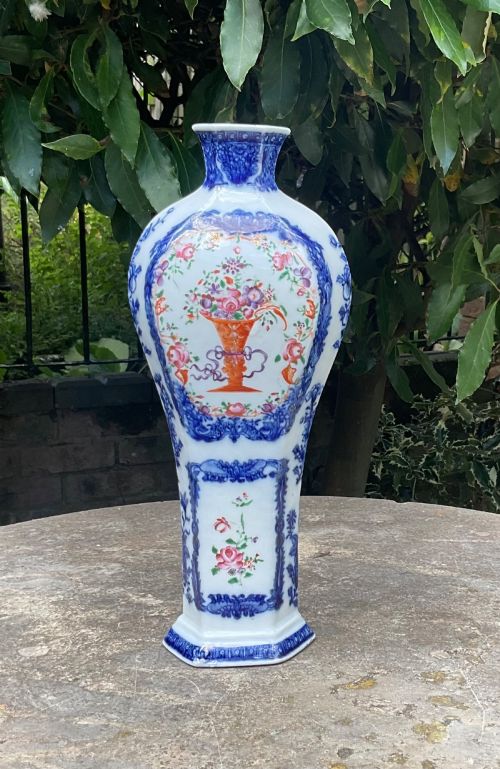
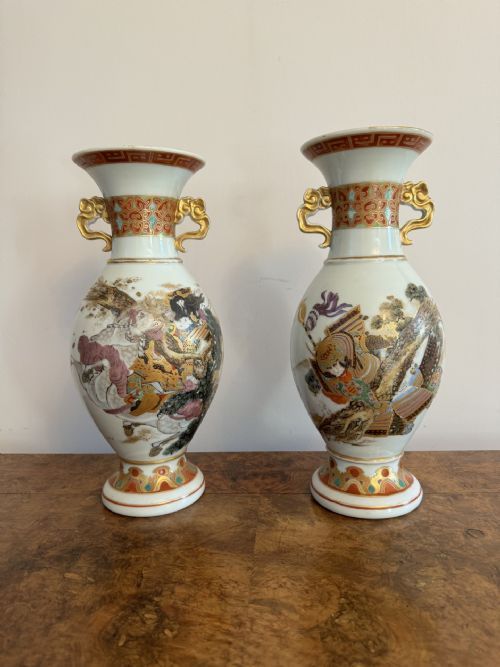
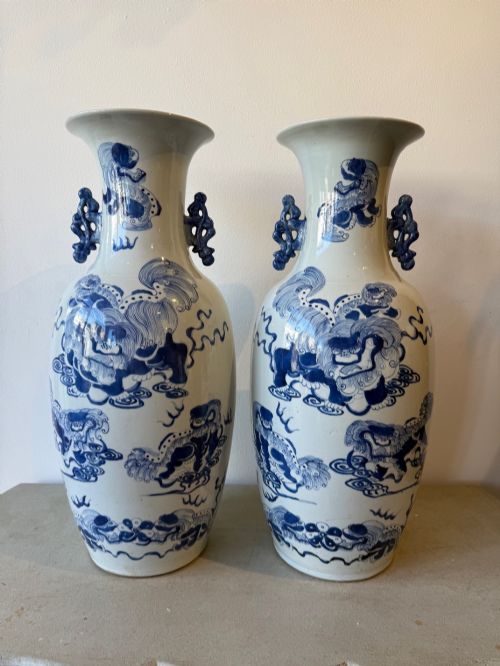
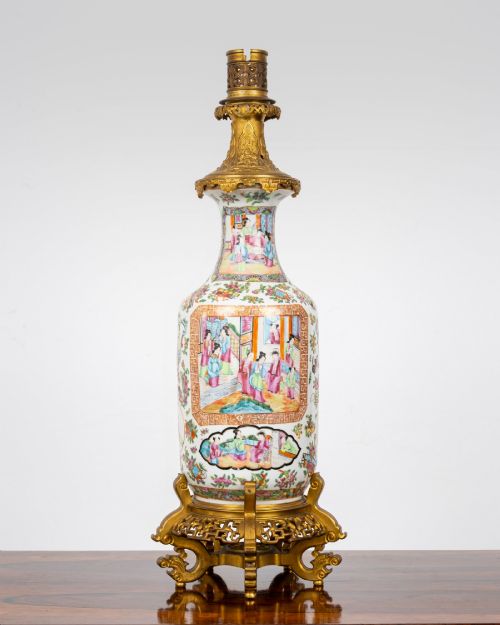
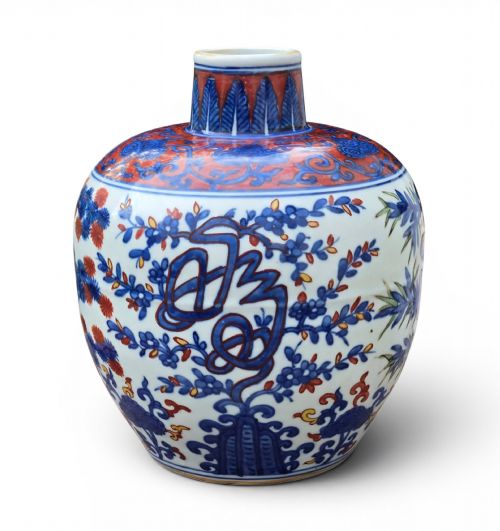
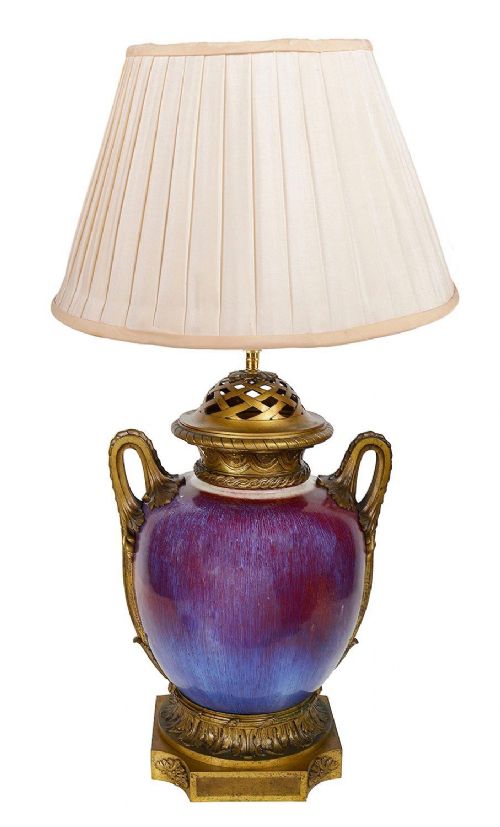
When you search for Chinese ceramic urn, you are looking at large vases originating from the nineteenth century and the Republic Period. These objects represent traditional forms produced in porcelain and ceramic.
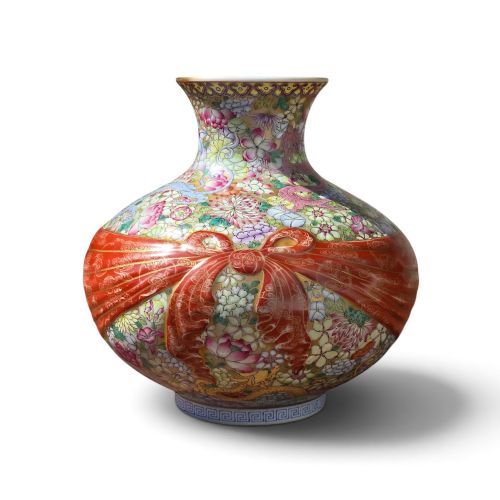
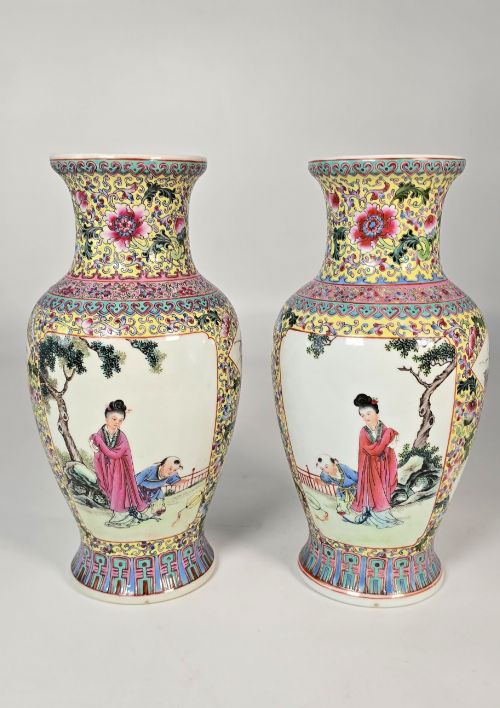
The pieces available on this page include large early nineteenth century examples alongside Republic Period signed vessels. Both items demonstrate the decorative styles associated with the Qing Dynasty and the Republic Period.
How they were made
The construction relies on porcelain and ceramic bodies shaped into substantial vases. Makers utilised cobalt glaze and enamel glaze to decorate the surfaces.
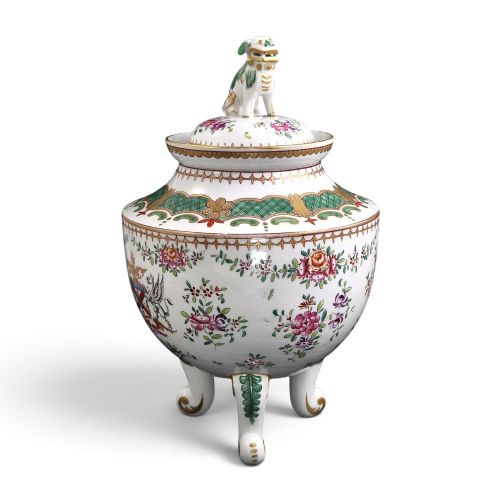
Individual execution is evident in pieces such as the Republic Period vase signed by Gao Hengsheng. Hand-painted details define the famille rose Immortal imagery applied to the ceramic body.
Listings span the nineteenth century and the Republic Period, featuring porcelain and ceramic vases decorated in cobalt glaze and enamel glaze.
What varies in quality
Quality differences rest in the fineness of the painted enamel work and the control of the cobalt glaze. The clarity of figural representation, such as the Immortal motifs, separates standard production from superior examples.
Signatures of specific makers like Gao Hengsheng introduce a distinct level of authorship and workshop skill. The scale and proportion of the large nineteenth century forms also influence the visual impact of the piece.
Gao Hengsheng
The Chinese Ceramic Urn Glossary
- Famille rose
- A palette of opaque enamels introduced in Chinese porcelain decoration, characterised by pink and rose colours. It allows for nuanced shading on figures and floral elements.
- Cobalt glaze
- A blue mineral pigment applied under the glaze before firing to create deep blue designs. This traditional technique produces durable patterns on porcelain.
- Qing Dynasty
- The final imperial dynasty of China, spanning from sixteen forty-four to nineteen twelve. It is renowned for technical mastery in porcelain production.
- Republic Period
- The era in Chinese history following the imperial dynastic system, lasting from nineteen twelve to nineteen forty-nine. Workshops during this time continued traditional ceramic arts while introducing new signatures.
Frequently Asked Questions
What is a Chinese ceramic urn?
A Chinese ceramic urn is a large vase produced in porcelain or ceramic, often decorated with cobalt or enamel glazes.
These pieces reflect historical periods including the nineteenth century and the Republic Period.
How were these vases used?
These large vessels functioned primarily as decorative items within elite interiors, showcasing fine painting and glazing.
Their substantial scale made them focal points in traditional settings.
How do I live with one?
Display the vase on a sturdy surface where its painted details and glaze work can be viewed closely in natural light.
Keep the piece away from heavy foot traffic to protect its ceramic body.
How do I tell periods apart?
Periods are identified through stylistic markers, glaze types, and occasional artist signatures recorded on the base or body.
Nineteenth century forms differ from Republic Period works through distinct painting techniques and colour palettes.