

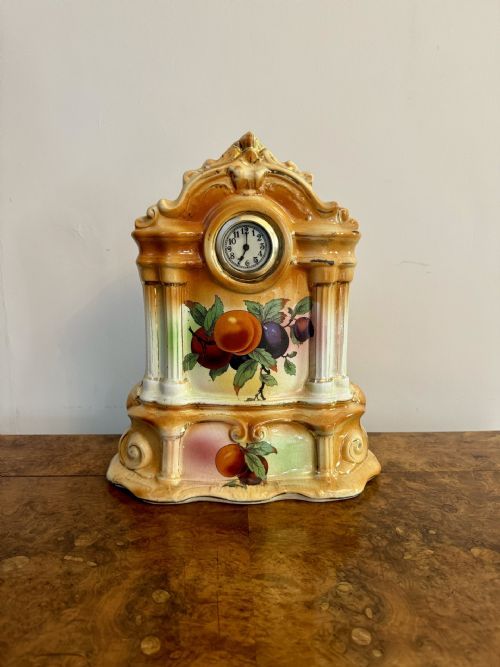


Amber Glazed Ceramics
Amber glazed ceramics bring rich warmth to interiors through centuries of varied pottery traditions.
Amber Glazed Ceramics
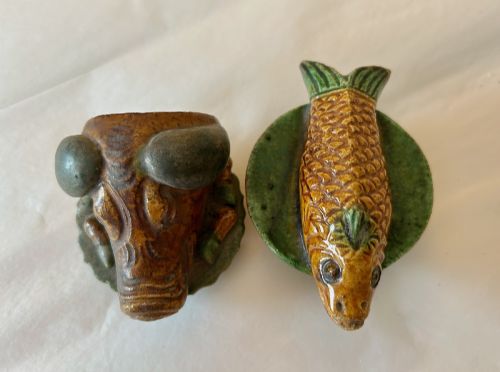
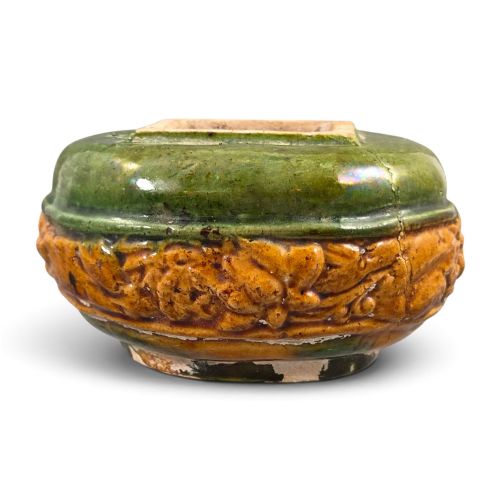
Amber glazed ceramics encompass a diverse group of earthenware and terracotta items ranging from early Chinese vessels to nineteenth-century British art pottery. When searching for amber glazed ceramics, buyers encounter everything from Tang Dynasty style figures to Victorian majolica stands.
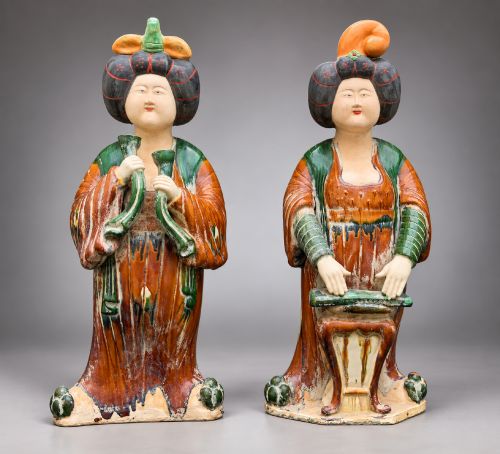
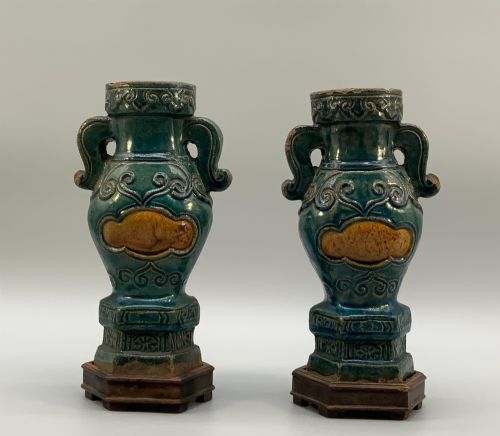
The pieces on this page span several centuries, featuring forms such as decorative vases, mantel clocks, wall plaques, and musical band figurines. Earthenware and terracotta form the core of these offerings, coated in deep lead glazes.
Asian aesthetics heavily influence a notable portion of the selection, particularly through Sancai styles and Ming dynasty forms. Alongside these, British regional potteries contribute Arts and Crafts tile plaques and faience jardinières.
Materials and construction methods
Potters shaped these objects primarily from basic earthenware and terracotta bodies, preparing local clays for throwing or moulding. Artisans then applied liquid lead glazes that transformed during firing into rich honey and amber tones.
Kiln techniques allowed glazes to pool and run naturally across surfaces, creating mottled colour variations on figures, vessels, and tiles. Different stylistic traditions employed distinct firing temperatures to fix the glaze onto the ceramic substrate.
Amber Glazed Ceramics Retail Price Guide 2026
Typical asking prices for amber glazed ceramics among the pieces listed under this phrase on Sellingantiques today, from the lower quarter to the upper quarter. They describe what is for sale here now, not the wider market.
A musical band of seven figures proves that historical potters enjoyed crafting tiny ceramic instruments just as much as large vases.
Distinctions in quality
Quality rests upon the control of the glaze run and the crispness of the modelled detail, whether observing a figure or a tile plaque. Superior examples display depth in the amber tones without muddying the underlying form.
The precision of the ceramic modelling dictates the artistic success of each piece, separating straightforward production wares from finely executed sculptural works and architectural ceramics.
Royal Doulton·Woodlesford Art Pottery
The Amber Glazed Ceramics Glossary
- Earthenware
- Porous pottery fired at relatively low temperatures, requiring a glaze to hold water and provide a smooth surface.
- Lead Glaze
- A glassy coating containing lead oxide that melts during firing to produce a glossy, transparent finish with warm amber undertones.
- Terracotta
- Unglazed or glazed fired red clay, widely utilised for decorative figures and architectural plaques.
- Majolica
- Pottery covered with an opaque lead glaze, frequently decorated with bright colours during the nineteenth century.
- Sancai
- A traditional Chinese three-colour glaze technique, commonly combining amber, green, and cream hues on earthenware bodies.
Amber Glazed Ceramics: Frequently Asked Questions
What are amber glazed ceramics?
Amber glazed ceramics are pottery objects finished with a translucent lead glaze that yields warm, golden-brown tones. They include vessels, figures, and tiles produced across various centuries and regions.
These pieces utilise earthenware or terracotta bodies beneath the glaze. The tradition spans early Asian styles to nineteenth-century British art pottery.
How do I date these ceramics?
Dating relies on stylistic markers, potting techniques, and the specific characteristics of the glaze and clay body. Nineteenth-century pieces often reflect Victorian or Arts and Crafts aesthetics.
Earlier Asian items adopt classic forms from dynasties like the Tang or Ming. Comparing the modelling style to documented pieces helps confirm the period of origin.
How were these pieces used?
Many items served decorative purposes, such as mantel clocks, wall plaques, and sculptural figures displayed within period interiors. Other objects, including waterpots and vases, fulfilled functional roles.
Larger items like umbrella stands and jardinières provided practical utility in hallways and parlours. Smaller vessels functioned as scholar's items or display ornaments.
How should I care for them?
Care involves gentle dusting with a soft, dry cloth to protect the glazed surface from abrasion. Water should be kept away from porous earthenware bodies if the glaze has historical cracks.
Displaying pieces away from direct sunlight and dramatic temperature fluctuations preserves the integrity of both the ceramic and the glaze.