
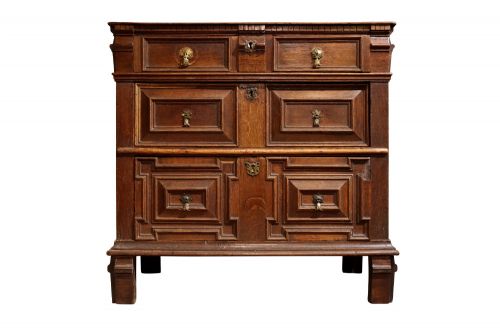
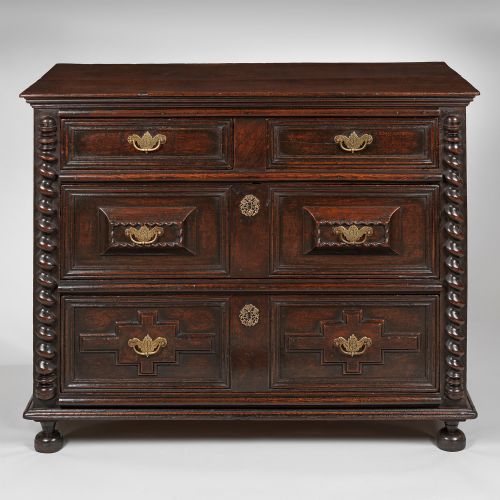


Charles II Oak Dresser
A charles ii oak dresser brings heavy timber, geometric mouldings and deep historical character straight into a modern interior.
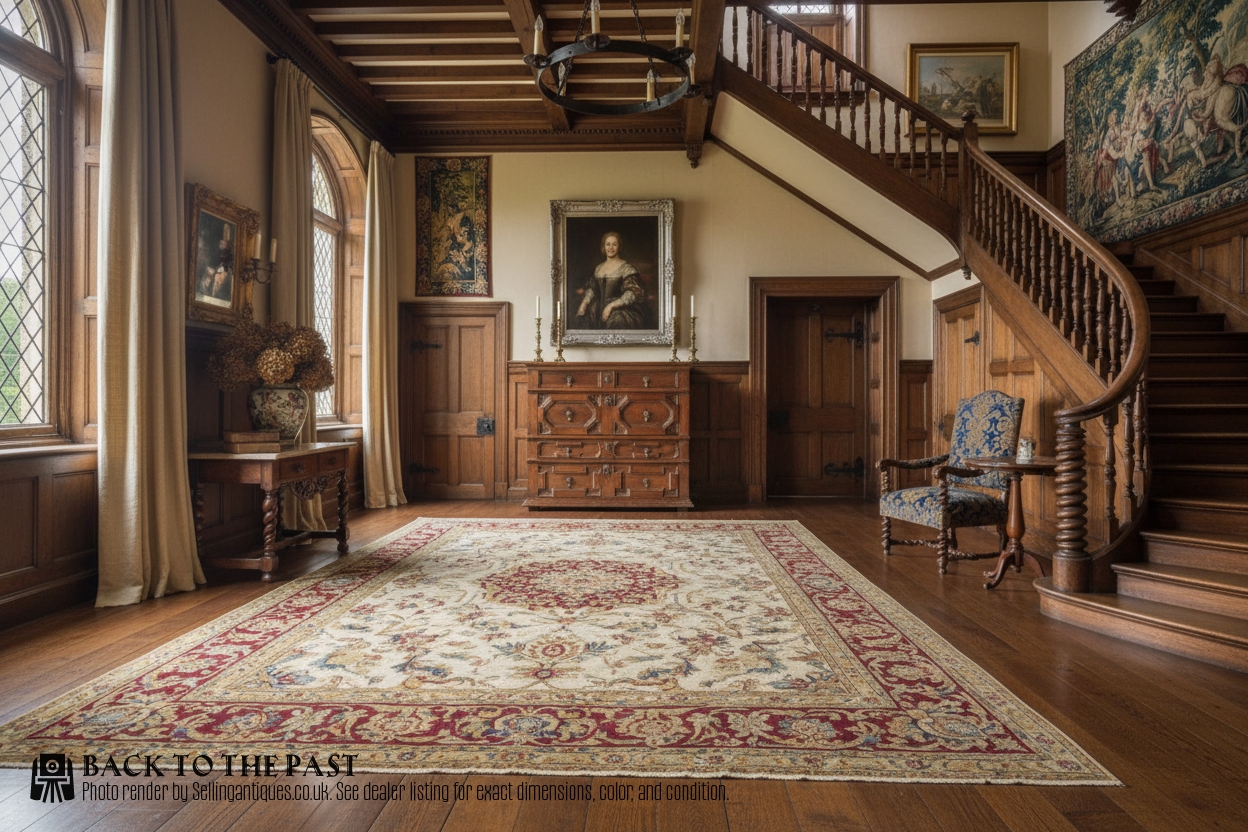
Charles II Oak Dresser
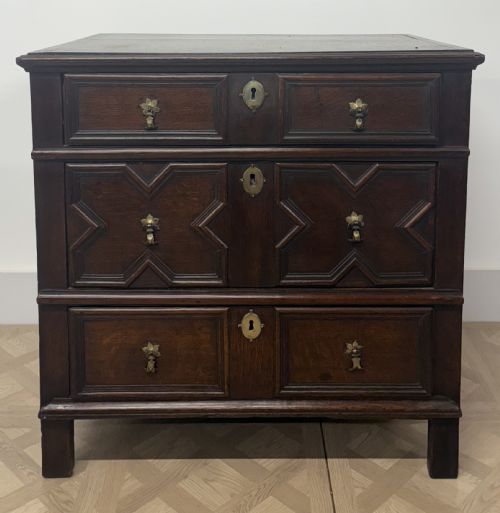
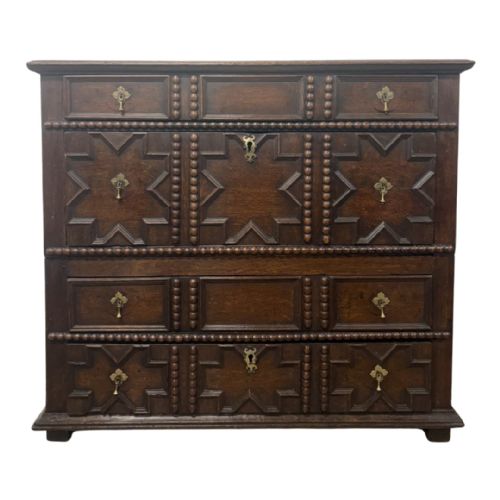
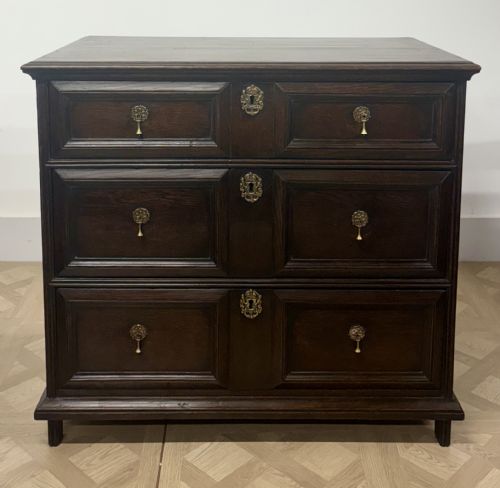
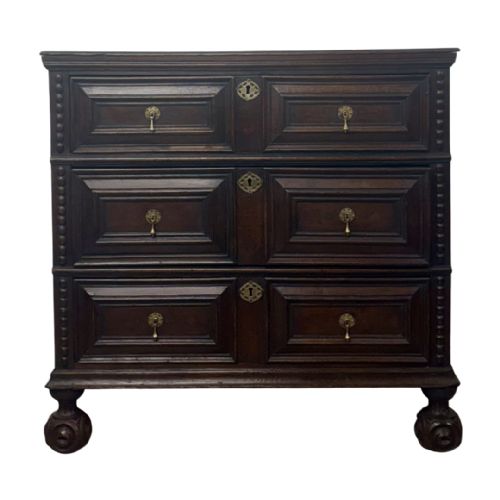
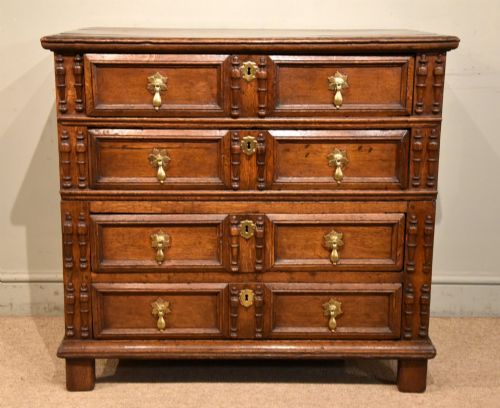
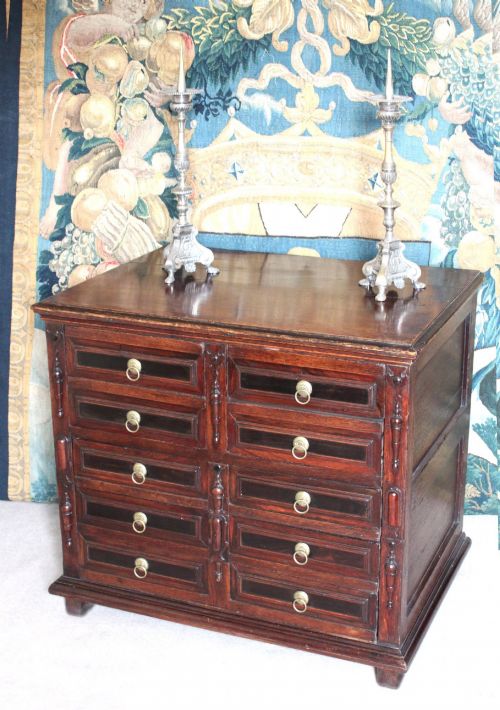
When you search for a charles ii oak dresser, you are looking at sturdy utilitarian furniture dating primarily from the seventeenth century and the Restoration period. These pieces encompass robust sideboards, dresser bases, cupboards and notably chests of drawers built with functional domestic storage in mind. The version you are most likely to meet on this page is a two-part chest of drawers or dresser base fashioned from solid timber.
The aesthetic of these items reflects seventeenth century craftsmanship, often grouping under styles such as Jacobean, Carolean or later nineteenth century revivals. Forms range from simple enclosed chests to geometric moulded fronts and Welsh cupboard dressers. They serve today as commanding focal points in a hallway, dining room or living space.
How they were made
Makers constructed these pieces predominantly from solid oak, frequently incorporating secondary timbers like walnut, fruitwood and iron or brass hardware. Joinery relied on heavy timber framing, pegged joints and panelled construction to ensure long-term stability.
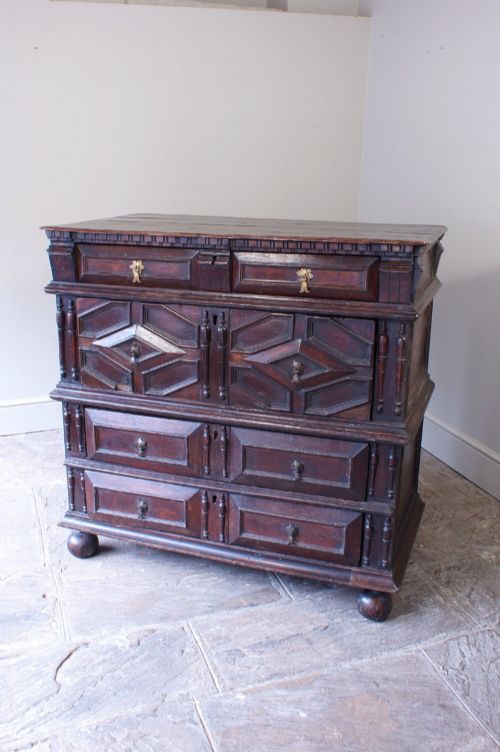
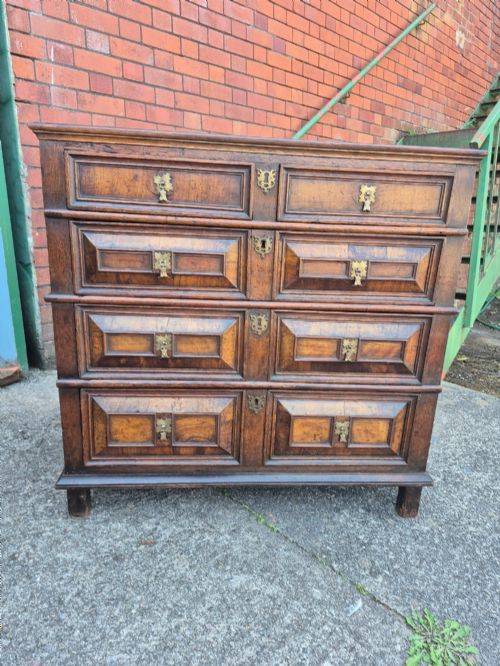
Surface ornamentation involved applied geometric mouldings, geometric panels, intricate carving and occasional inlay work. Two-part construction methods allowed large chests of drawers and dressers to be transported more easily during the seventeenth century.
Early makers built these heavy oak chests in two separate stacked halves simply so they could get them up the stairs.
What varies in quality
The distinction between average and exceptional pieces rests upon the crispness of the geometric mouldings and the complexity of the timber selection, such as the use of contrasting walnut or fruitwood veneers. Original hardware, drawer linings and minimal timber replacement elevate a piece significantly.
Depth of surface patina, natural ageing of the oak and the integrity of the original two-part structure dictate the overall visual weight and authenticity of the item.
The Charles II Oak Dresser Glossary
- Geometric moulding
- Applied wooden strips arranged in repeating patterns on drawer fronts, characteristic of the late seventeenth century. This technique created pronounced shadow and depth on flat surfaces.
- Two-part chest
- A piece constructed in upper and lower sections designed to stack together. This facilitated easier transport in seventeenth century households.
- Carolean
- Pertaining to the reign of King Charles II, spanning from sixteen sixty to sixteen eighty-five. This era is synonymous with rich surface carving and Baroque influences in English furniture.
- Dresser base
- A low side table or sideboard fitted with drawers, often precursor to the larger kitchen or dining room dressers with upper plate racks.
- Patina
- The surface sheen and mellow colour developed by oak and walnut over centuries of handling, polishing and exposure to light.
Charles II Oak Dresser: Frequently Asked Questions
What is a charles ii oak dresser?
A charles ii oak dresser or related storage piece is a heavy seventeenth century item built from solid timber, often featuring geometric mouldings or a two-part construction.
These pieces were originally designed for domestic storage and serving in substantial homes during the Restoration period.
How do I date a seventeenth century dresser?
Dating relies on examining construction techniques, timber species, hardware fixings and stylistic markers like geometric mouldings or carved panels.
Items from the original period typically show hand-split boards, pegged joinery and authentic surface wear consistent with seventeenth century usage.
What woods were used besides oak?
While oak forms the primary structural material for these pieces, makers frequently incorporated walnut and fruitwood for decorative geometric fronts and inlay work.
Hardware typically featured iron or brass drop handles and escutcheons.
How should I live with one?
These robust items anchor a room well and function effectively as sideboards, storage cabinets or statement chests of drawers in modern settings.
Keeping them away from direct heat sources and sudden humidity changes helps preserve the antique timber and polish.