


Carved Wooden Storage Chest
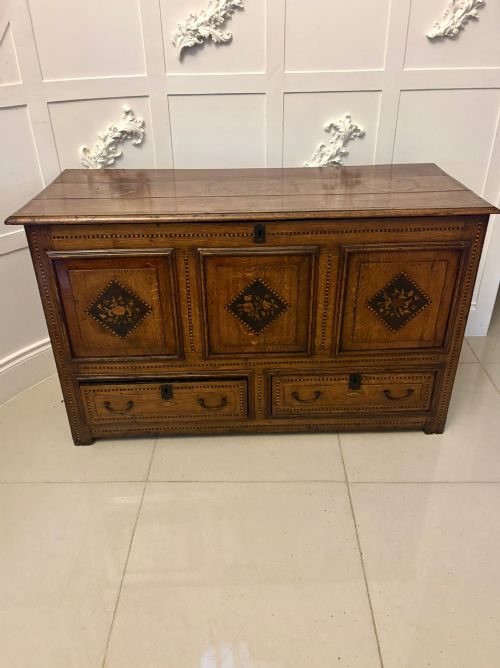
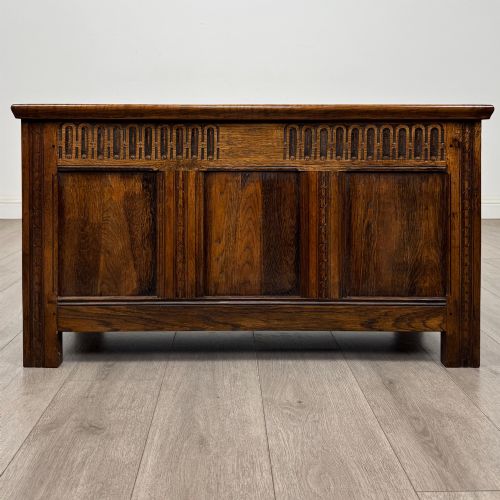
A carved wooden storage chest provides a tangible link to domestic history, offering sturdy containment fashioned from solid timber and metal hardware.

Carved Wooden Storage Chest
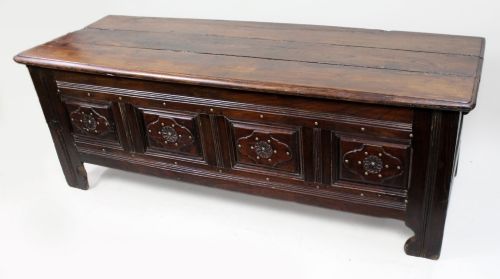
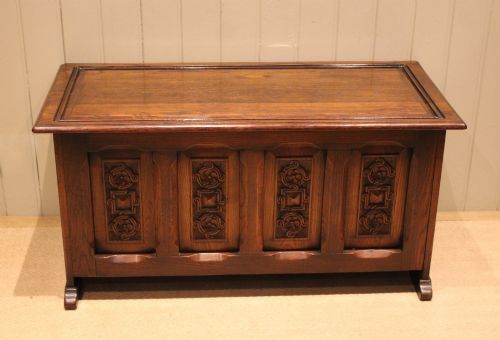
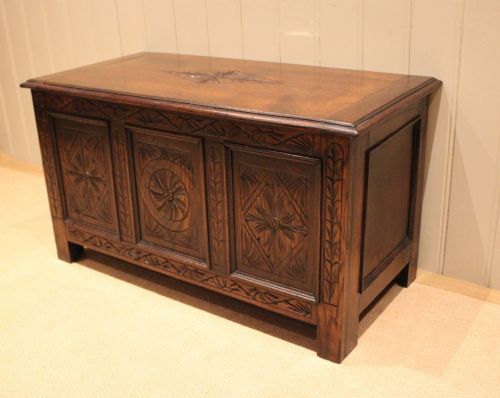
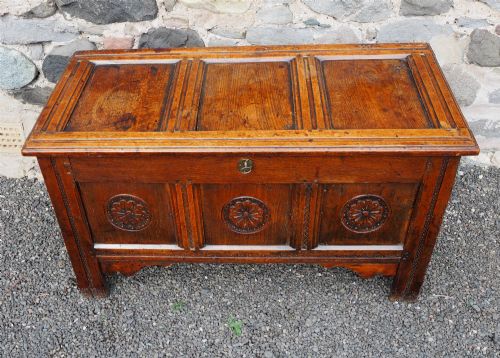
When you search for a carved wooden storage chest, you encounter a lineage of heavy utilitarian furniture designed to secure household valuables, linens, and documents across centuries of British and continental life. The selection here leans heavily towards seventeenth and eighteenth-century oak coffers alongside later Edwardian and twentieth-century interpretations.
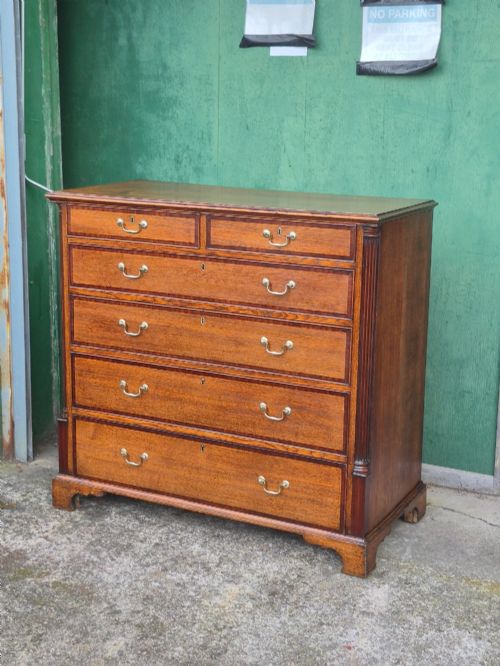
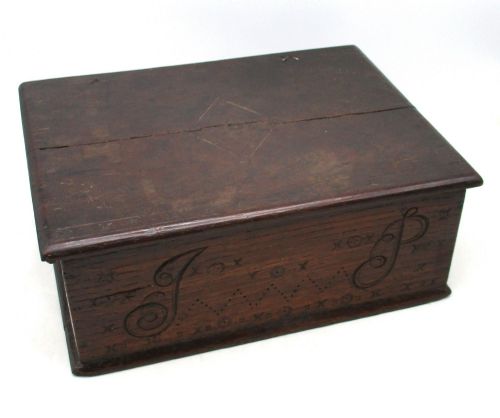
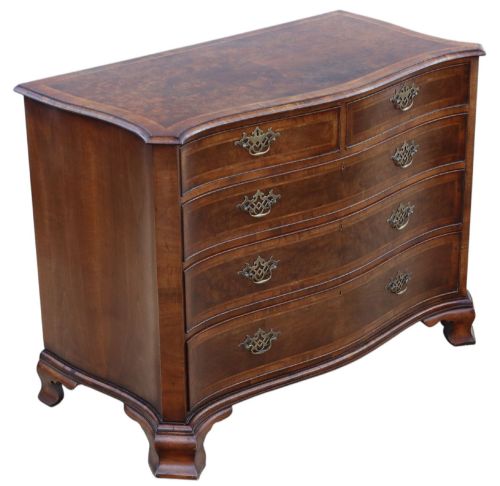
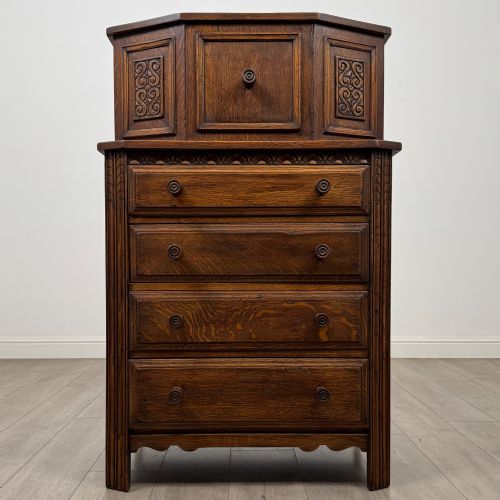
Forms span from small document boxes and blanket chests to robust panelled coffers and regional variants such as Welsh pieces from the Gower Peninsula. You also meet chest of drawers variants and commodes that incorporate carved ornamentation into domestic storage formats.
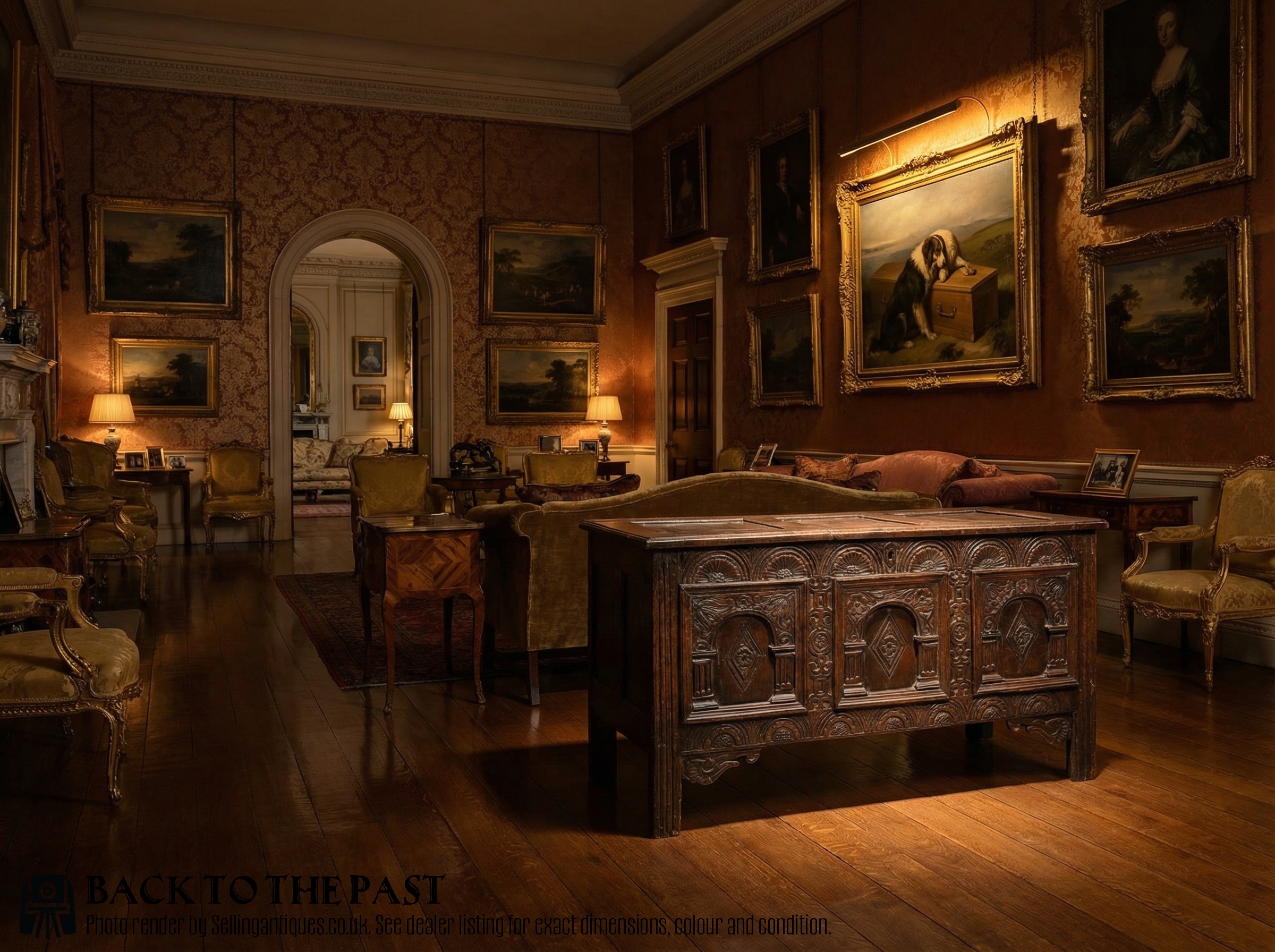
How they were made
Joiners and cabinetmakers utilised native and imported hardwoods, predominantly oak, supplemented by mahogany, walnut, burr walnut, and pine for secondary elements. Construction relied on panel and frame assemblies, peg joinery, and board construction capable of withstanding heavy daily use.
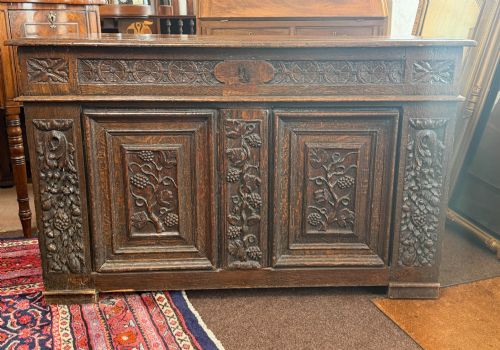
Surface embellishment involved hand chiselling low-relief carvings, linenfold motifs, marquetry inlay, and crossbanding. Metalwork fixtures in iron and brass, including hinges, locks, and carrying handles, were forged or cast to secure the lids and drawers.
Carved Wooden Storage Chest Retail Price Guide 2026
Typical asking prices for carved wooden storage chest among the pieces listed under this phrase on Sellingantiques today, from the lower quarter to the upper quarter. They describe what is for sale here now, not the wider market.
Listings feature periods spanning from the sixteenth century through the Jacobean, Georgian, and Victorian eras into the twentieth century.
What varies in quality
Quality rests in the crispness of the hand-carved detail and the integrity of the timber selection, where dense grain and figuring elevate the piece. Early examples derive distinction from undisturbed original surfaces and patination accumulated over generations of handling.
Structural honesty separates superior examples from heavily restored counterparts, noting the retention of original boards, hinges, and internal till boxes. The sophistication of the regional joinery and the depth of the decorative carving dictate the standing of each individual box.
The Carved Wooden Storage Chest Glossary
- Coffer
- A heavy wooden chest traditionally used for holding valuables or church plate. Early versions feature boarded or panelled construction with hinged lids.
- Mule chest
- A storage chest featuring one or more drawers at the base beneath the main compartment. This form bridges the evolution from the simple coffer to the chest of drawers.
- Marquetry
- Decorative inlay work using various coloured woods arranged in patterns to form pictorial or geometric designs on the surface. It appears frequently on seventeenth-century and later panels.
- Linenfold
- A style of relief carving used on wooden panels to imitate folded linen cloth. This motif is common on Tudor and Jacobean revival oak furniture.
- Crossbanding
- A narrow strip of veneer laid around the border of a panel so the grain runs at right angles to the central wood. It provides a neat framing edge on high-status walnut and mahogany pieces.
Carved Wooden Storage Chest: Frequently Asked Questions
What is the difference between a coffer and a chest?
A coffer traditionally describes a box with a hinged lid used for storing valuables, often featuring heavy panel construction and dating to earlier centuries. A chest frequently incorporates drawers at the base or adopts more domestic proportions for household linens.
Over time, terminology blurred as makers adapted box forms to changing household storage needs. Both share the primary function of secure, lidded containment.
How do I date an early oak chest?
Dating relies on examining construction methods, tool marks left by hand axes or saws, and the evolution of decorative styles. Hand-split boards, pegged joints, and wrought iron strap hinges typically point to seventeenth-century origins or earlier.
Stylistic cues such as carved strapwork, punch work, and regional framing details help narrow the period of manufacture. Subsequent alterations or replaced hardware require careful observation of the timber around fixing points.
Where were these chests used in a home?
Historically, these pieces stood in principal chambers, halls, and sometimes churches to hold textiles, silver, deeds, and personal provisions. Their sturdy lids also allowed them to serve as impromptu seating or tables when space demanded.
Today, they function effectively as living room coffee tables with internal storage, bedroom blanket boxes, or hallway storage for shoes and winter wear.
How should I care for antique timber?
Maintain stable indoor humidity levels and avoid placing wooden chests near direct heat sources or strong sunlight, which can dry and split the grain. Regular dusting with a dry, soft cloth preserves the wax finish without building up residue.
Periodically applying a quality beeswax polish feeds the timber and enhances the natural patination built up over centuries of handling. Avoid silicone-based sprays that can penetrate and damage historic finishes.