
Brown Wood Drop Leaf
These brown wood drop leaf pieces combine functional folding leaves with rich timbers, offering versatile folding surfaces suited to compact or large rooms alike.
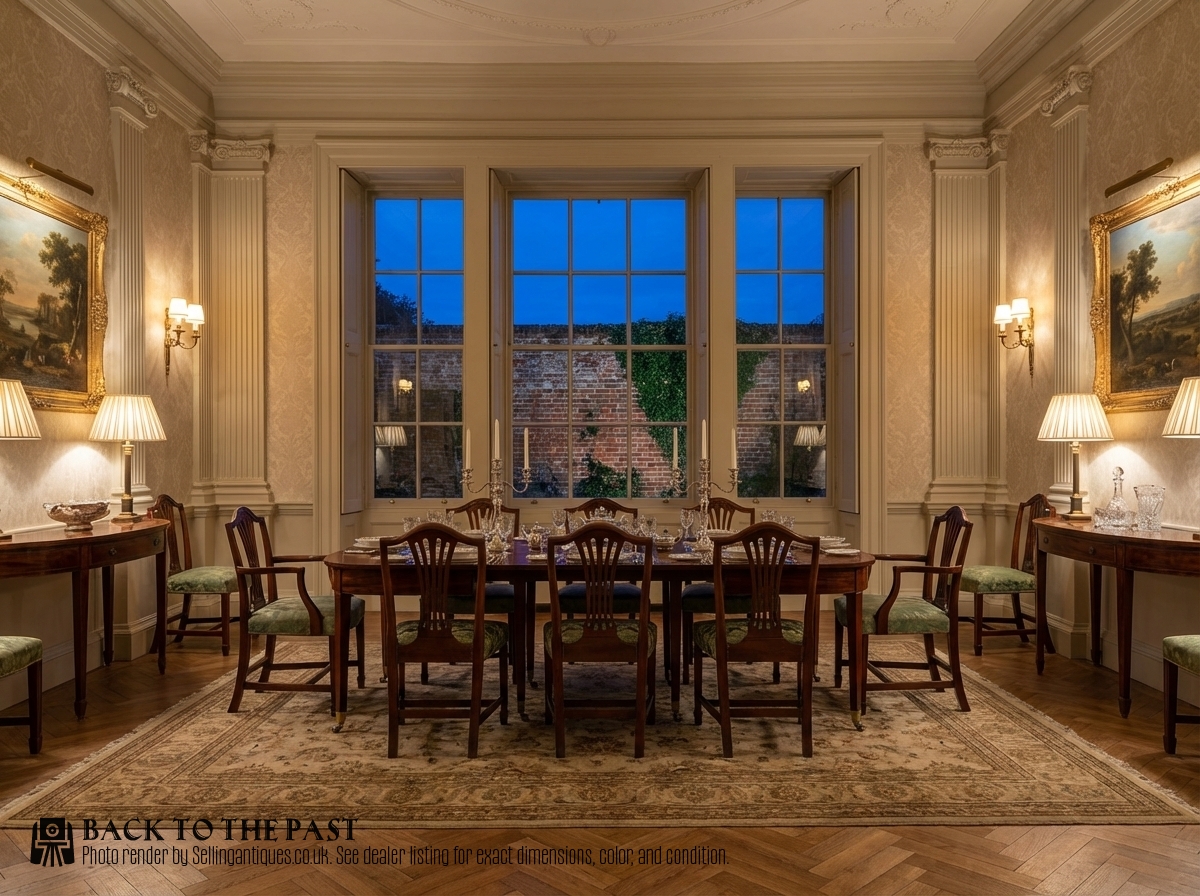
Brown Wood Drop Leaf
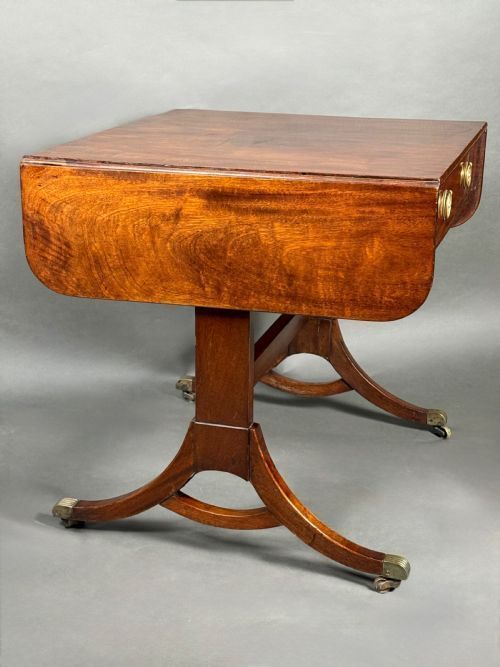
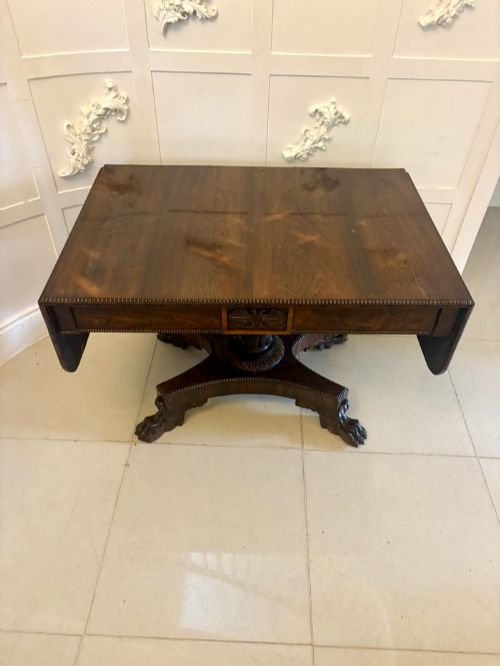
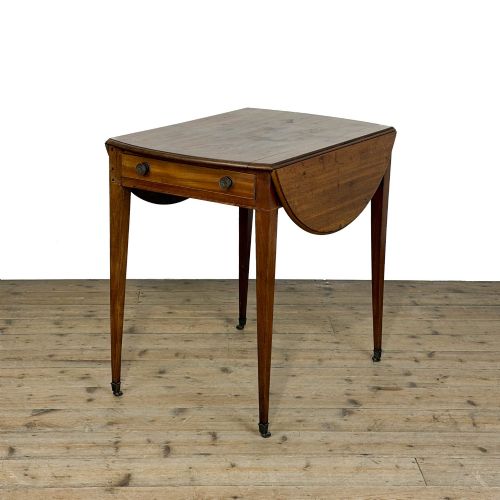
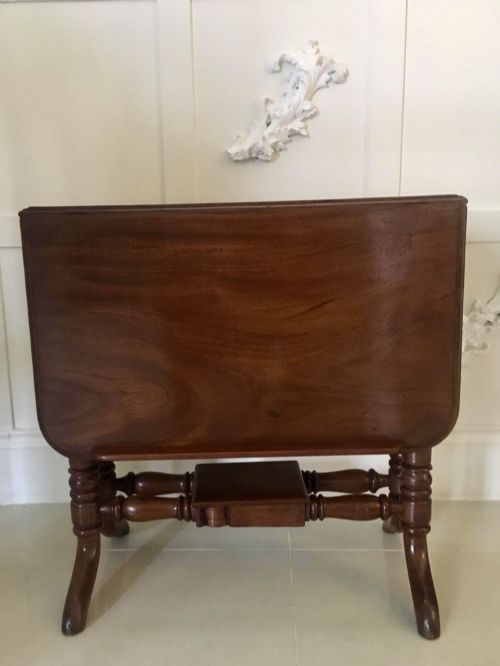
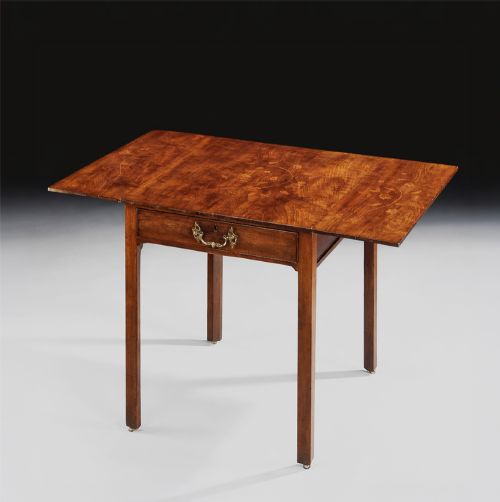
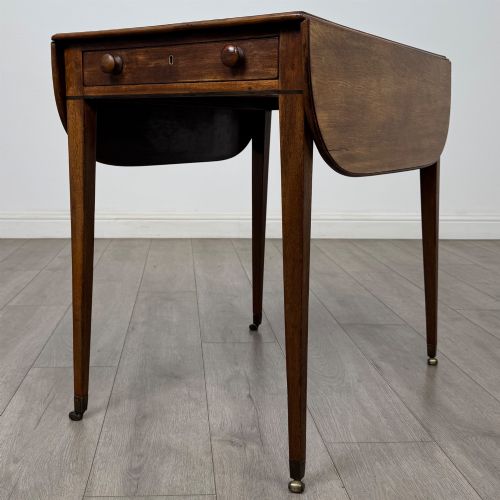
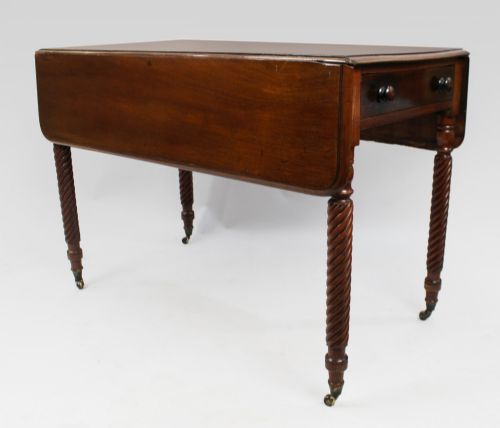
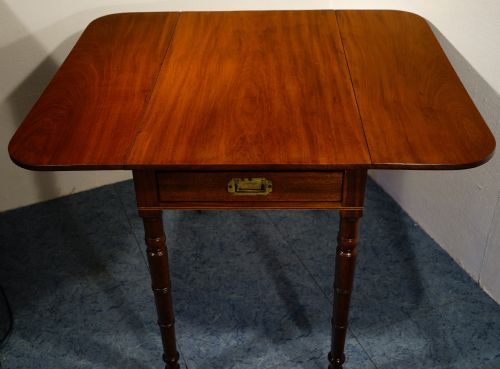
When you search for brown wood drop leaf tables, you encounter a diverse array of historic furnishings designed to adapt their footprint to the room. The selection spans compact Pembroke tables and large dining formats, alongside sofa tables, gateleg designs and occasional pieces.
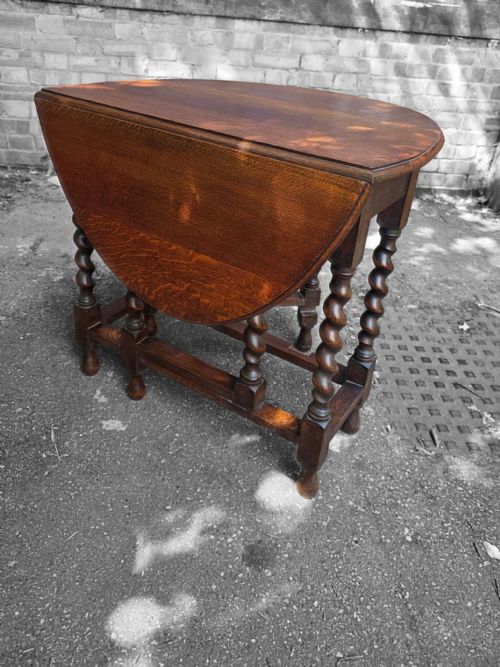
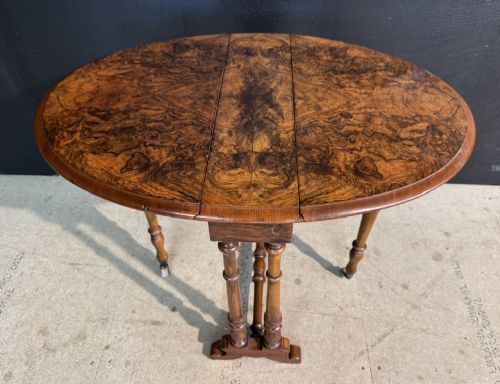
Mahogany dominates the offerings, appearing across Georgian, Regency and Victorian periods with flame figures or delicate inlay. Oak examples surface from earlier centuries, often displaying robust gateleg constructions and turned baluster legs.
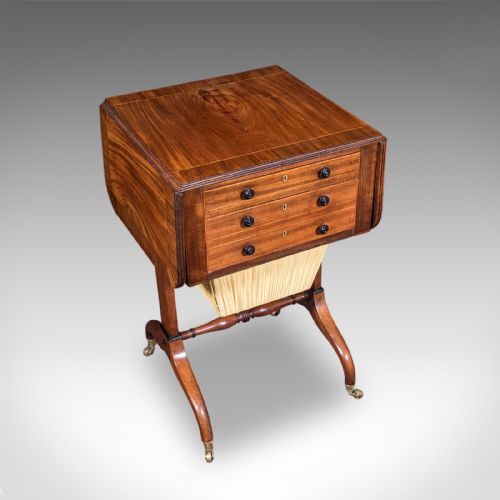
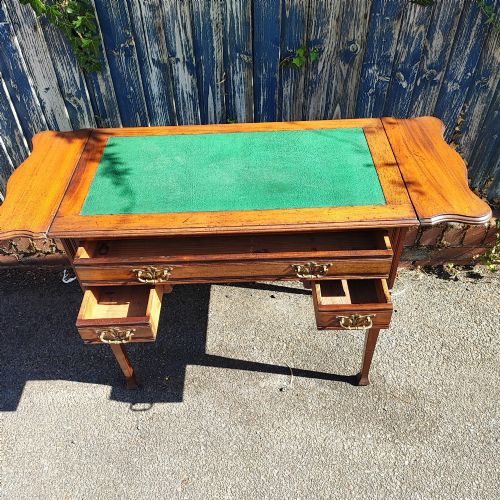
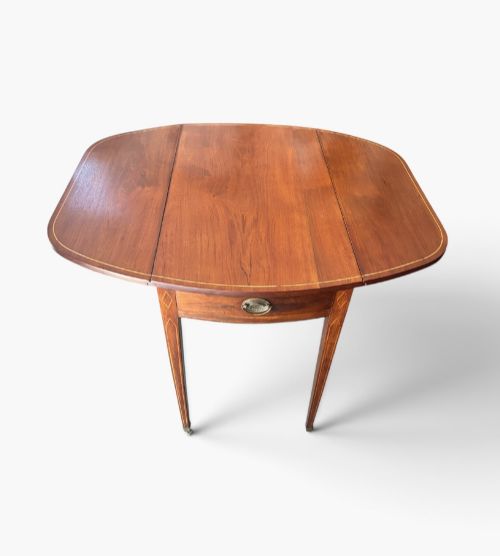
You will also find rosewood, walnut, satinwood and yew wood pieces, ranging from small sewing and bedside tables to substantial dining tables and writing desks. Edwardian and later interpretations sit alongside these older forms, offering oval tops and specialised uses.
Distinguishing quality in construction and timber
The standard of a brown wood drop leaf table rests on the selection of the timber and the crispness of its figure, such as richly grained flame mahogany or figured rosewood. Superior examples exhibit precise marquetry, balanced proportions and seamless joins where the drop flaps meet the fixed centre top.
Underframes and mechanisms dictate durability, separating robustly jointed gatelegs and smooth-operating drawer linings from looser, heavily restored frames. Original brass castors, subtle boxwood inlay and intact folding brackets elevate a piece above standard utilitarian versions.
Brown Wood Drop Leaf Retail Price Guide 2026
Typical asking prices for brown wood drop leaf among the pieces listed under this phrase on Sellingantiques today, from the lower quarter to the upper quarter. They describe what is for sale here now, not the wider market.
Listings feature items spanning the 18th century through to the Edwardian period, constructed primarily from mahogany, oak, walnut and rosewood.
The Brown Wood Drop Leaf Glossary
- Pembroke table
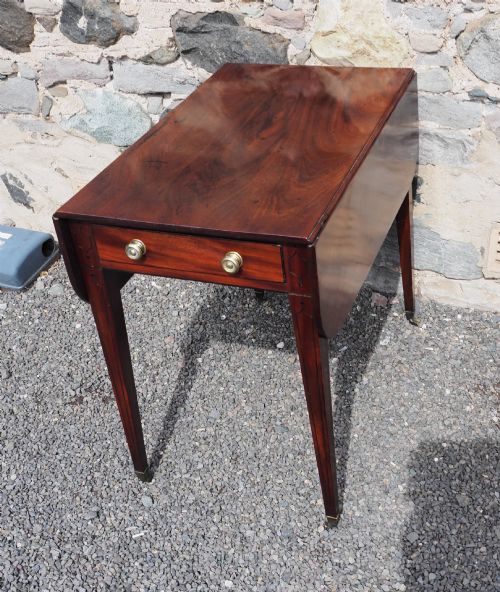
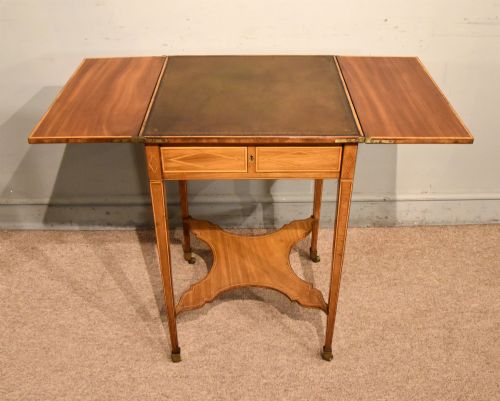
- A small table with hinged drop flaps on either side, often featuring one or more drawers and slender legs. It gained popularity during the 18th century for breakfast and writing use.
- Gateleg table
- A table with hinged leaves supported by legs that swing outward like a gate to hold the flaps. Early versions commonly feature turned oak baluster or barley twist legs.
- Sofa table
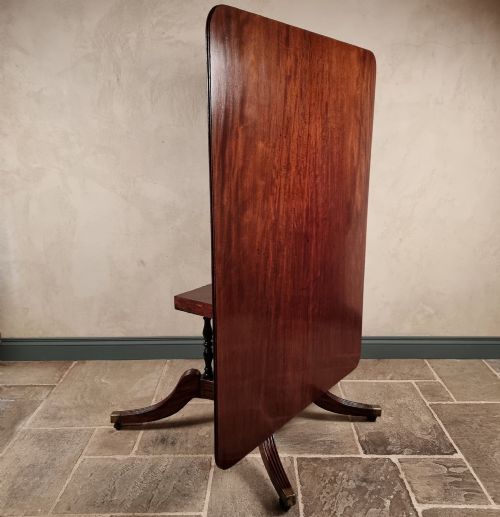
- A rectangular occasional table designed to stand in front of a sofa, typically longer than it is wide with drop leaves at the ends and dual trestle or pedestal supports.
- Marquetry
- The art of forming decorative patterns on a wooden surface using thin veneers of different coloured woods, satinwood or shell. It appears on finer Georgian tabletops.
- Stringing
- A narrow inlaid line of contrasting wood, such as boxwood, set flush into the surface of mahogany furniture to outline drawers and borders.
Brown Wood Drop Leaf: Frequently Asked Questions
What is a Pembroke table?
A Pembroke table is a compact occasional table featuring folding side leaves supported by hinged brackets or swinging wooden arms. They typically include a small drawer and four slender legs.
Cabinetmakers designed them during the 18th century as versatile writing or breakfast tables that could be tucked away when not in use.
How do gateleg tables work?
Gateleg tables utilise pivoting legs attached to a movable wooden frame that swings outward to support the lowered drop leaves. When closed, the leaves hang vertically down the sides of the central fixed top.
This sturdy mechanism allows a small surface to expand into a much larger dining or utility table.
Where were sofa tables placed?
Sofa tables were traditionally positioned directly behind a sofa in the middle of a room, taking advantage of their finished backs and freestanding design.
Their drop leaves allowed the table to expand for writing, sewing or serving tea when pulled closer to the seating area.
How do I identify mahogany drop leaf furniture?
Mahogany furniture displays a deep reddish-brown tone that deepens with age, often accompanied by straight grain or dramatic flame and burr figures. Eighteenth and 19th-century makers used solid timber and fine veneers over secondary woods.
Examining the underside and drawer linings helps confirm the period and construction methods used by the cabinetmaker.