
George IV Table
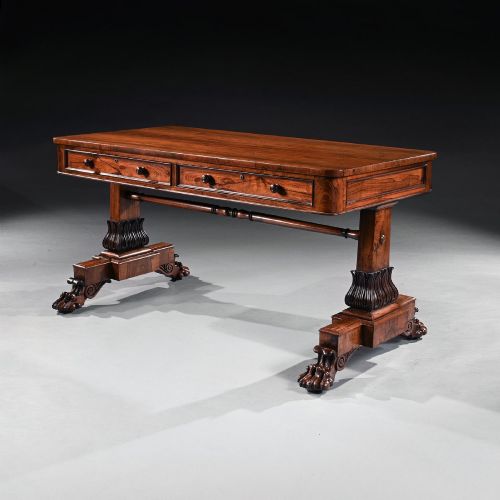
When you search for a george iv table, you encounter the robust dining surfaces and finely figured rosewood writing desks characteristic of the period.
George IV Table
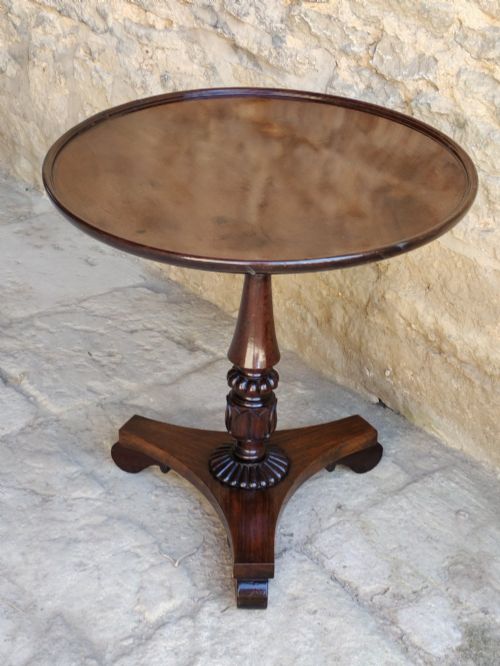
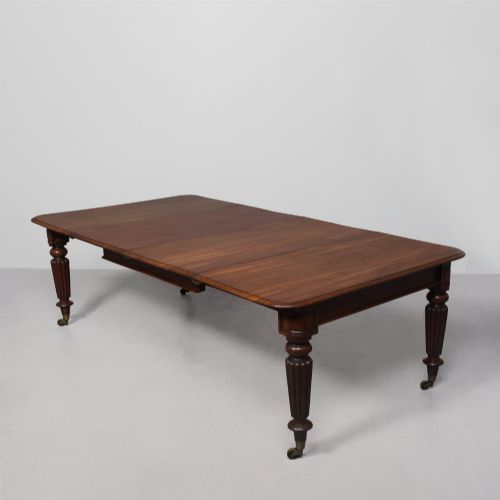
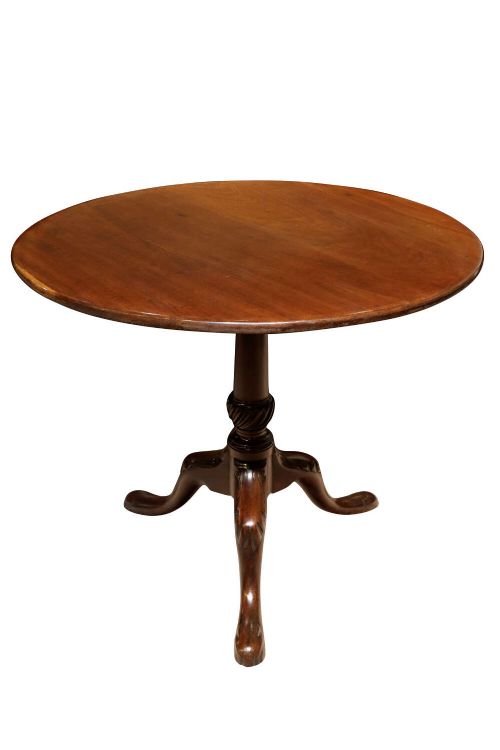
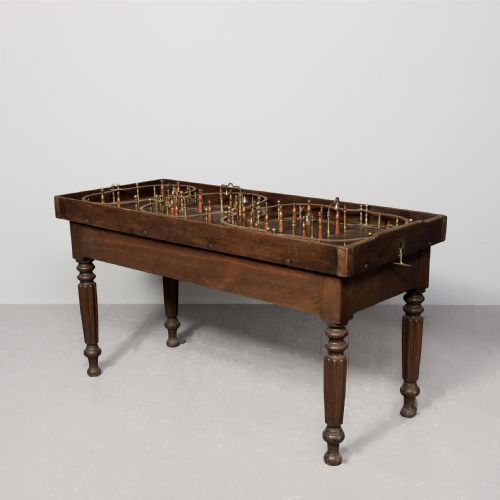
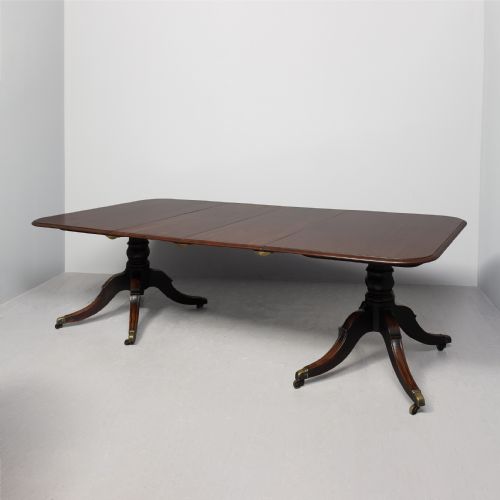
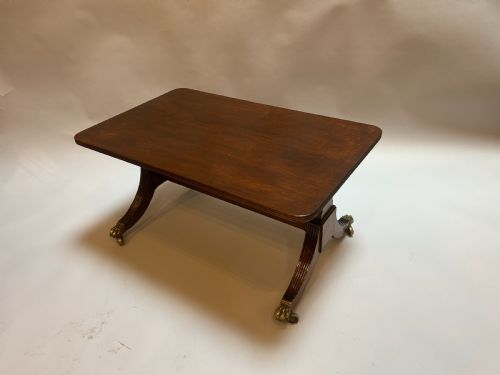
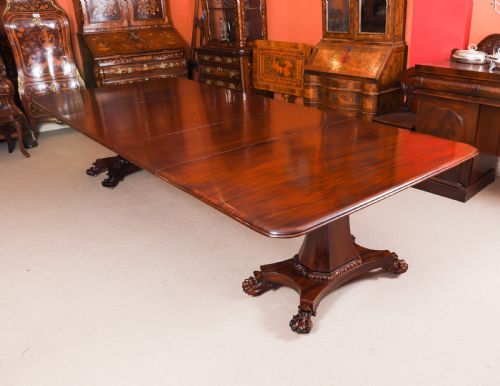
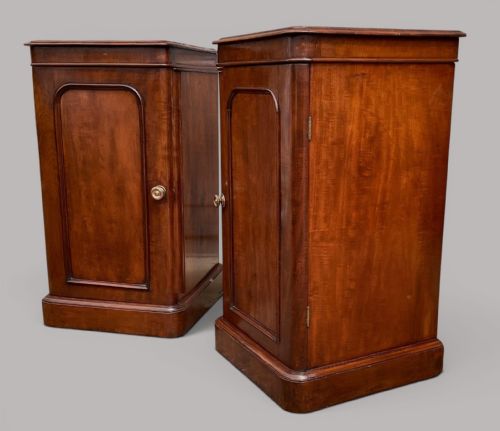
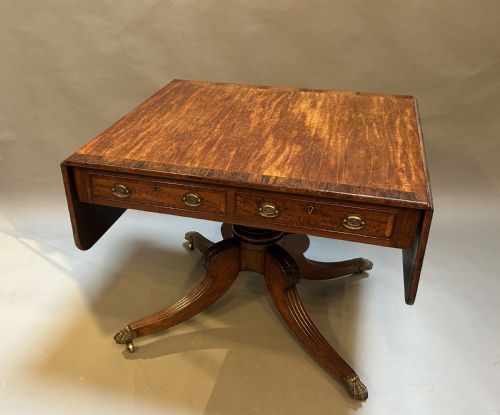
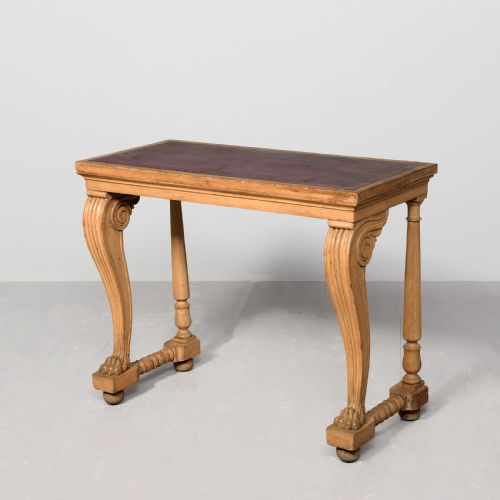
A george iv table encompasses formal dining furniture, library writing desks, and small occasional pieces produced during the early nineteenth century. Dining formats range from twin and triple pedestal extensions down to compact pembroke and side tables.
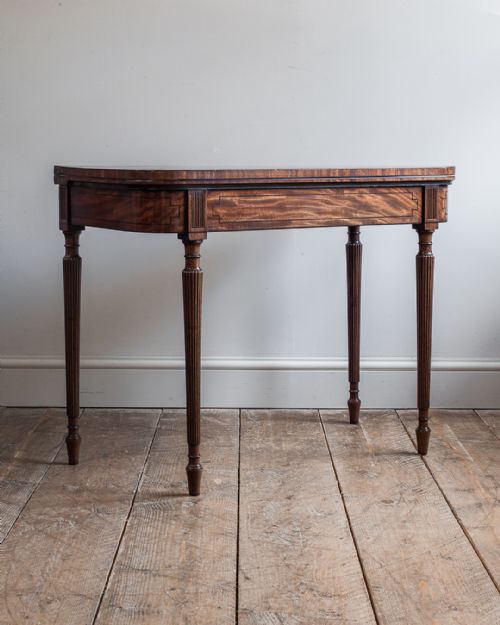
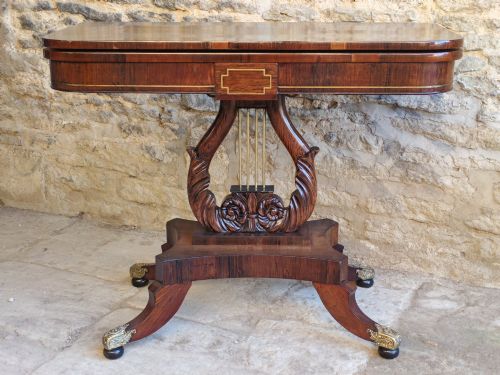
Makers and workshops of the era also produced specialised forms such as drum tables, breakfast tables, and fold-over card tables. Rosewood and mahogany predominate among the surviving examples found in domestic interiors.
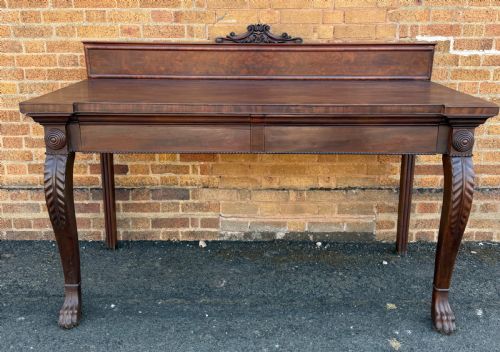
Proportions display the structural weight typical of the transition from Regency elegance into the heavier revival styles of the mid-nineteenth century. The selection spans grand Irish serving pieces alongside smaller domestic writing tables.
Materials and construction methods
Cabinet makers utilised dense imported timbers, predominantly solid and veneered mahogany alongside heavily grained rosewood, pollard oak, and gonçalo alves. Secondary woods such as oak and pine appear in drawer linings and internal framing.
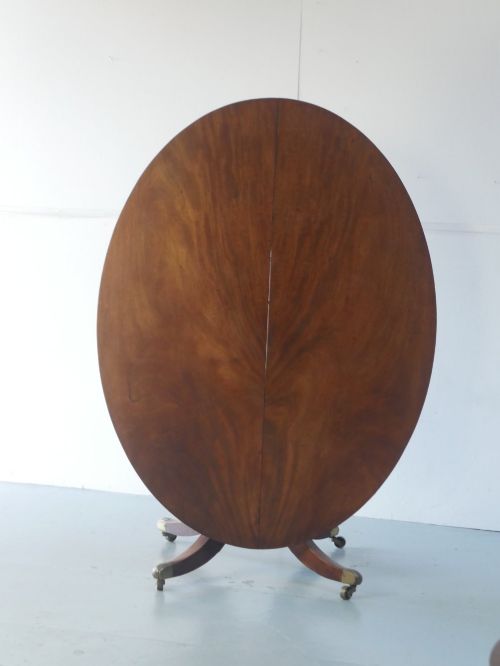
Turning, brass inlay, and carved lion paw feet feature heavily across pedestals and table legs, while table tops frequently employ book-matched flame veneers. Extension mechanisms rely on heavy mahogany bearer rails and brass clips.
The listings demonstrate a heavy reliance on rich rosewood and solid mahogany, alongside occasional examples executed in gonçalo alves and pollard oak.
Judging quality and execution
The standard of a george iv table rests upon the choice of timber figure, the crispness of carved details such as acanthus leaves or lion feet, and the integrity of the secondary woods. Superior pieces exhibit seamless matching in veneered table tops and substantial brass or bronze mounts.
Joinery execution dictates longevity, particularly in extending dining tables where smooth sliding mechanisms and solid pillar supports determine structural stability. Lesser examples rely on simpler turned legs and thinner mahogany veneers over alternative softwoods.
Gillows of Lancaster·James Mein of Kelso·Thomas Parker·Cope and Collinson·Holland and Sons·L. Vick of Stroud
The George IV Table Glossary
- Tilt-top table
- A small occasional table with a mechanism allowing the surface to fold vertically when not in use. This design saved space in crowded nineteenth-century drawing rooms.
- Drum table
- A circular library table containing a deep frieze fitted with alternating drawers and dummy drawers. These rested on a central pillar and platform base.
- Pembroke table
- A drop-leaf occasional table featuring two hinged flaps supported by pivoting wooden brackets. They served as versatile writing or breakfast surfaces.
- Breakfast table
- A pedestal-supported circular or rectangular dining table designed for morning meals. They frequently featured tilt-top functions for easy storage.
- Sutherland table
- A narrow drop-leaf table with exceptionally deep leaves reaching near to the floor. The folding mechanism permitted rapid stowage.
George IV Table: Frequently Asked Questions
How do I care for a rosewood surface?
Maintain rosewood and mahogany by keeping furniture away from direct heat sources and strong sunlight, which bleaches natural wood tones.
Apply a traditional beeswax polish sparingly and buff with a soft cloth to preserve the depth of the grain.
Will an antique dining table seat my family?
Many grand pedestal formats accommodate large gatherings, especially when augmented by original or replacement extra leaves.
Check the clearance beneath the frieze rails to ensure comfortable leg room for modern dining chairs.
Where should I place a library table?
Library and centre tables function effectively as freestanding pieces in the middle of a room, allowing access to drawers from multiple sides.
Ensure sufficient clearance around the perimeter for chairs and movement.
Can I use an occasional table daily?
Occasional and card tables suit regular use provided hinges and folding mechanisms receive gentle handling.
Avoid placing damp items directly onto polished timber surfaces without protective coasters.