


Small Round Accent Table
A small round accent table brings a functional surface to tight corners, offering portable charm in mahogany, oak, or walnut.
Small Round Accent Table
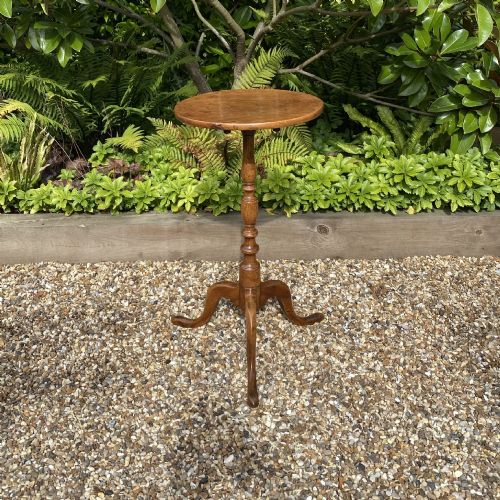
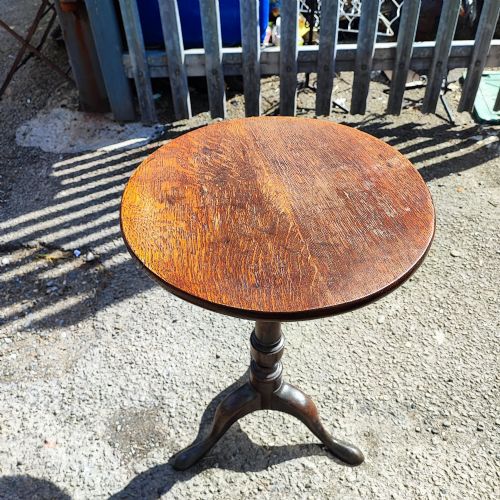
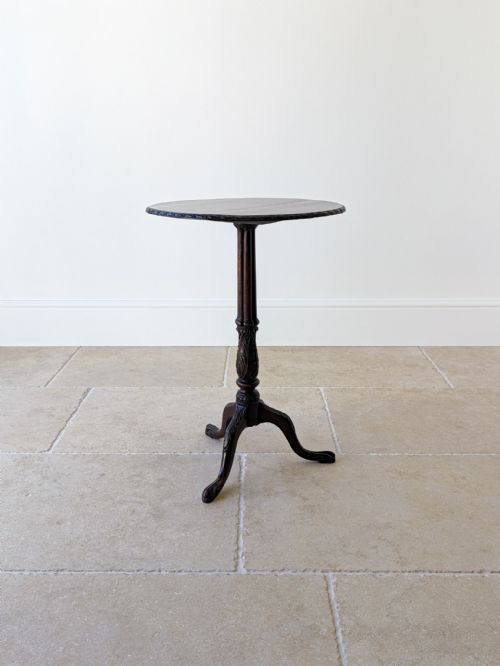
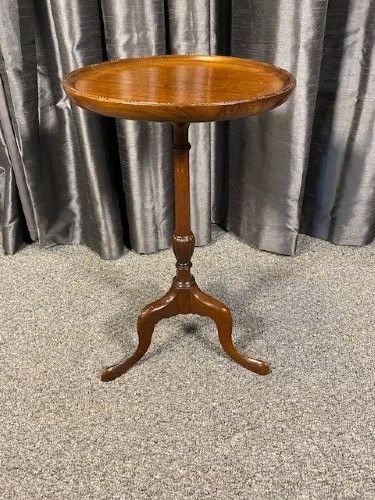
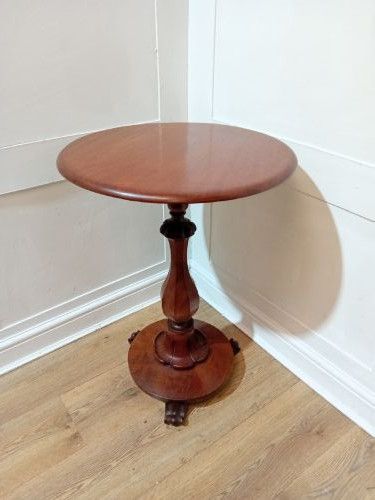
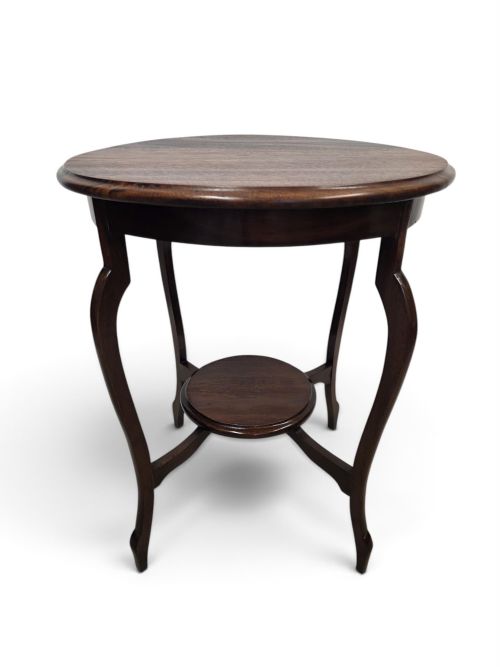
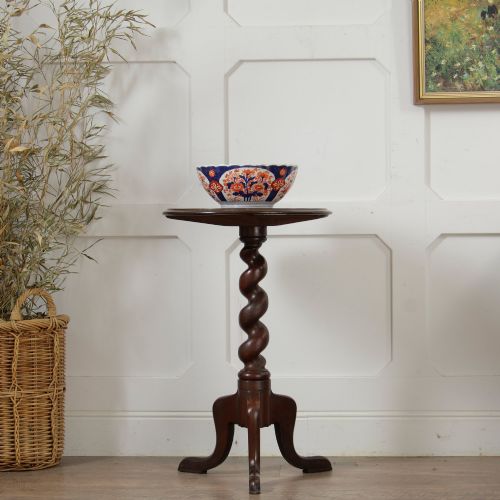
A small round accent table encompasses side tables, wine tables, and occasional pieces designed for flexible placement around a room. When hunting for a small round accent table, buyers frequently encounter mahogany and oak tripod designs dating from the Georgian period through to the early twentieth century.
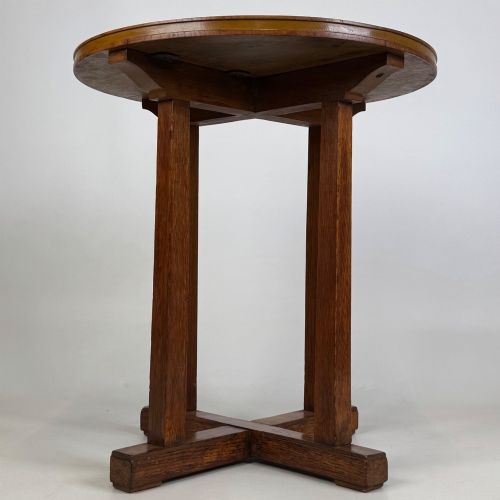
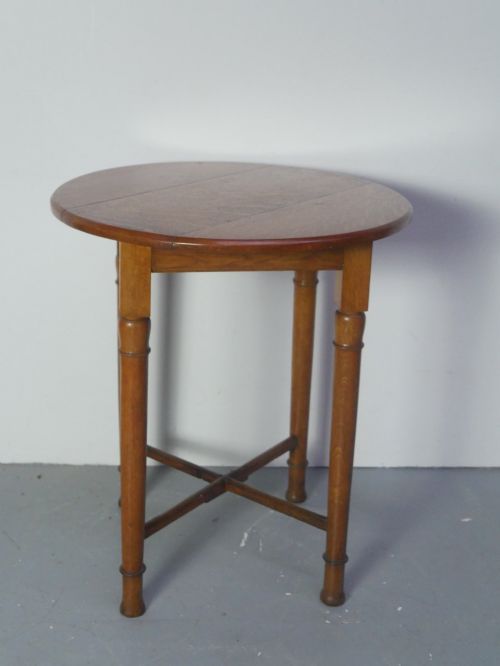
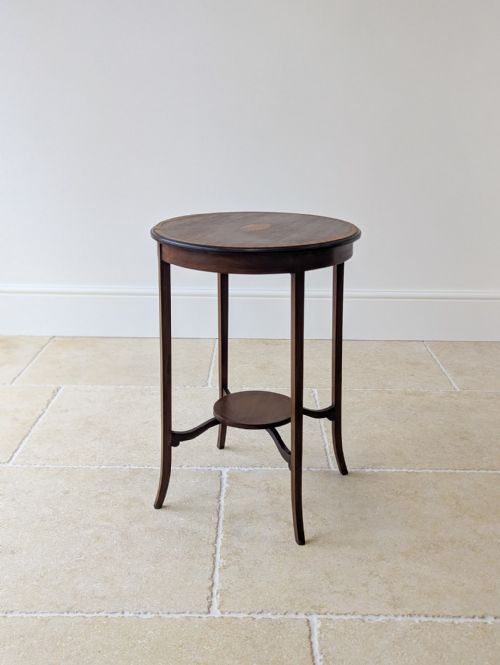
These compact items function as lamp tables, tea tables, or bedside surfaces, adapting easily to modern interiors while retaining traditional proportions. The selection draws heavily on Victorian, Edwardian, and Georgian examples featuring pedestal bases or simple turned legs.
Makers often shaped these surfaces as circular tops, sometimes with dished edges or tilt mechanisms for convenient storage when not in use. Such pieces provide an understated focal point without dominating smaller domestic spaces.
Materials and construction methods
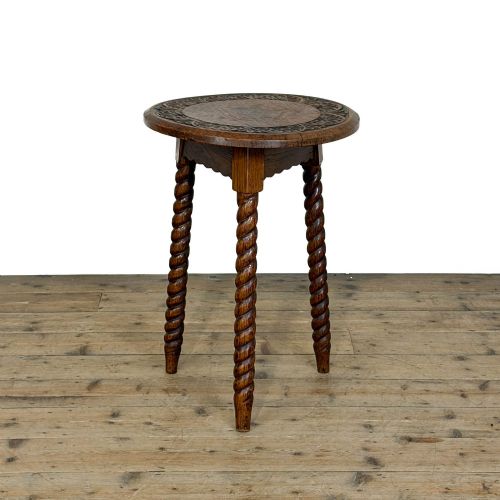
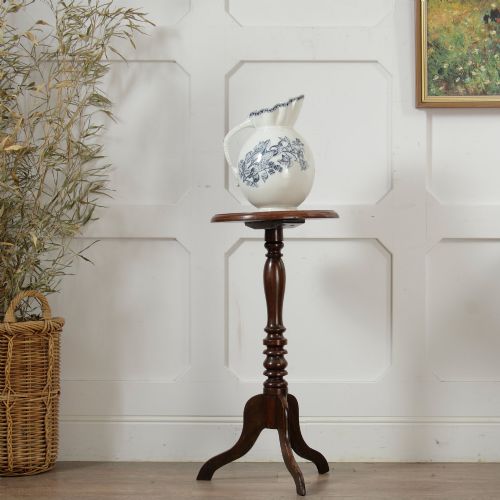
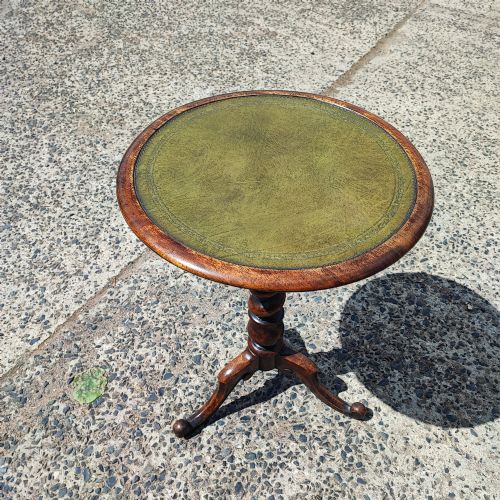
Craftsmen built these tables using dense timbers like mahogany, walnut, oak, and elm, relying on their strength to support slender central pillars and tripod legs. Turning lathes shaped the central pedestals and uprights, frequently incorporating barley twist details or bobbin turning for visual texture.
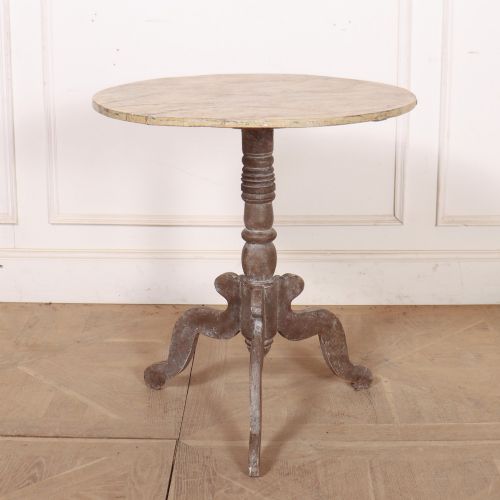
Joining methods typically involved solid tenons, dowels, and pivoting mechanisms for tilt-top wine tables. Surfaces were finished with polished wood grains or occasional painted treatments, as seen on select Swedish and continental pieces.
Small Round Accent Table Retail Price Guide 2026
Typical asking prices for small round accent table among the pieces listed under this phrase on Sellingantiques today, from the lower quarter to the upper quarter. They describe what is for sale here now, not the wider market.
Some nineteenth-century wine tables included tilting mechanisms so servants could hide them flat against parlour walls like giant wooden pancakes.
Evaluating craftsmanship and integrity
Quality rests in the selection of timber figures, such as pollard oak or rich flame mahogany, matched with stable pillar joints that prevent wobble on the central pedestal. Superior examples display crisp hand-carving on tripod knees and feet rather than cast resin or blunt machine routing.
The alignment of tilt-top mechanisms and the snug fit of brass catches indicate higher workshop standards during production. Well-preserved patination and original turning integrity distinguish finer period specimens from later revival copies.
Waring & Gillow
The Small Round Accent Table Glossary
- Tripod table
- A small freestanding table supported by a central pillar resting on three legs. This construction prevents rocking on uneven floors.
- Tilt top
- A hinged tabletop that flips vertically for easy storage against a wall when not in use. It is a common feature on eighteenth and nineteenth-century wine tables.
- Cricket table
- A small, sturdy circular table with three splayed legs, traditionally made of oak or elm. The design dates back centuries for utilitarian domestic use.
- Barley twist
- A type of turning that resembles a spiralling rope carved into furniture legs or central pillars. It became particularly popular during the Victorian era.
- Pie crust
- A raised, carved moulding along the edge of a tabletop that ripples like pastry on a pie. This decorative flourish usually appears on finer Georgian revival and period tables.
Small Round Accent Table: Frequently Asked Questions
What is a small round accent table used for?
These versatile tables serve primarily as portable surfaces for holding lamps, drinks, or small decorative objects beside seating. Their compact footprint allows them to fit snugly into awkward corners or beside armchairs.
Historically, specific versions like wine tables held glasses during evening gatherings, while larger occasional tables supported tea service. Today, they remain practical additions for modern living rooms requiring flexible surface space.
How do I date a small round accent table?
Dating relies on examining the timber species, joinery techniques, and stylistic revival markers present in the construction. Georgian and Regency pieces often feature simpler mahogany grains and hand-cut dovetails, whereas Victorian items frequently introduce heavy pedestal turnings or rosewood.
Revival pieces from the late nineteenth and early twentieth centuries often borrow distinct motifs from earlier reigns, such as Chippendale or Sheraton details. Checking the wear patterns on the feet and the patina of the wood finish helps confirm age.
Are tilt-top tables stable?
Tilt-top tables remain generally stable when the brass catch or wooden wedge securely locks the horizontal top to the pillar block. The three-legged tripod base ensures the table rests firmly even on older, uneven floorboards.
Over time, the pivoting mechanism can develop slight play through regular use. Simple maintenance often tightens the pivot joint without compromising the original hardware.
How do I clean a wooden accent table?
Dust the surface regularly with a soft, dry cloth to prevent grit accumulation on polished wood finishes. Avoid using silicone sprays or harsh chemical solvents that can degrade antique polishes.
Applying a traditional beeswax polish occasionally helps nourish dry timber and maintains a gentle, protective sheen. Keep these tables away from direct heat sources and strong sunlight to prevent warping.