


English Occasional Table
When choosing an english occasional table, you select a versatile accent piece shaped by centuries of domestic craftsmanship.
English Occasional Table
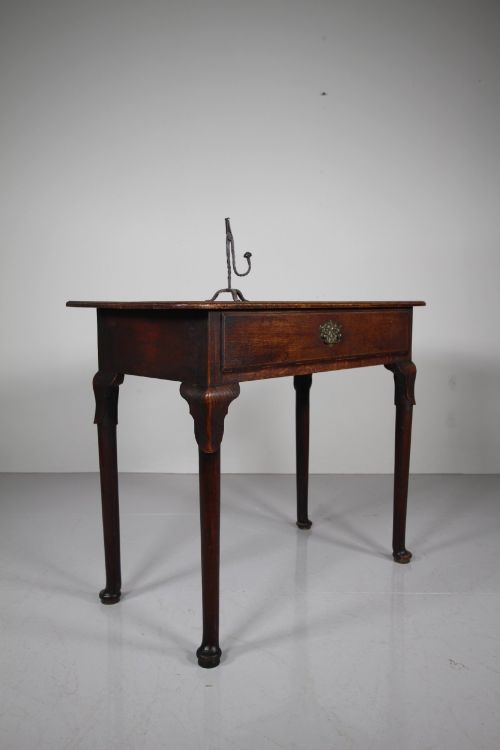
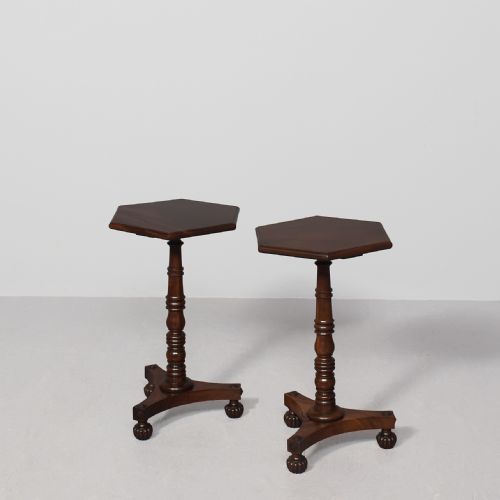
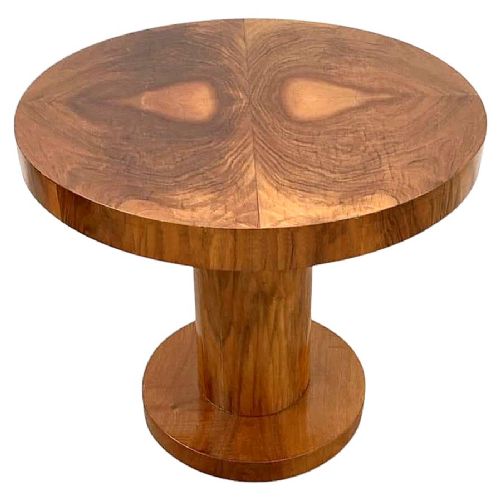
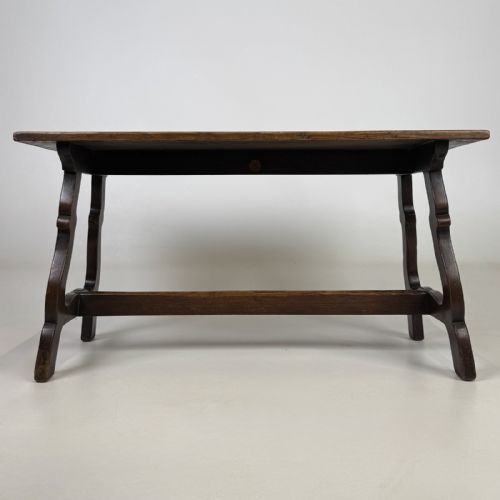
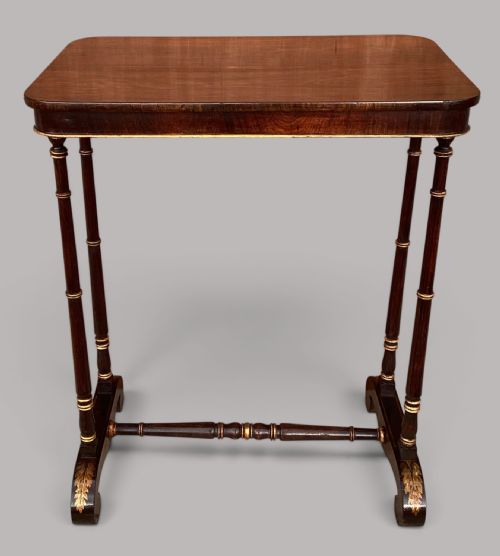
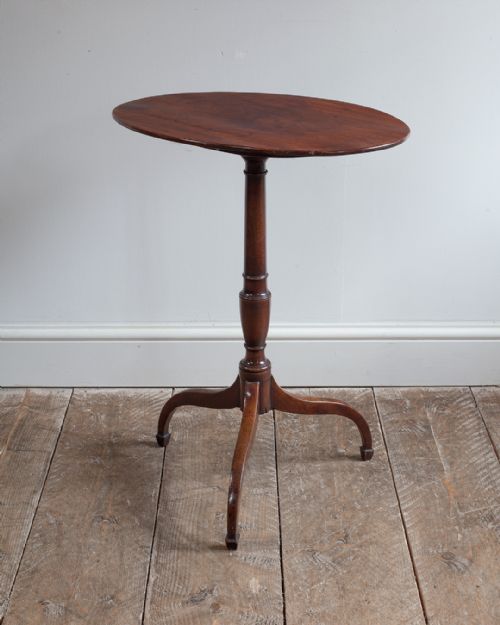
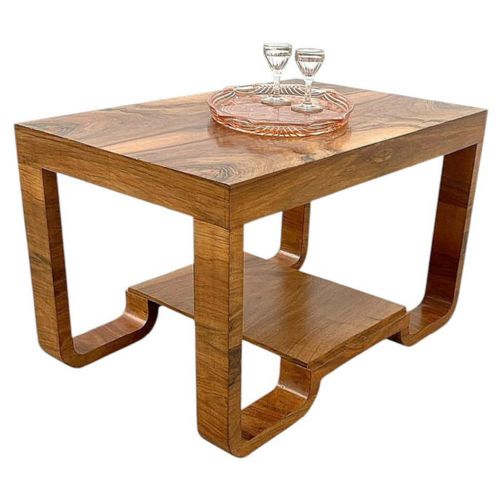
An english occasional table encompasses a diverse group of movable small furniture designed for specific domestic tasks. You encounter sturdy oak cricket tables from the eighteenth century alongside slender mahogany tripod tables and walnut Art Deco coffee tables.
The selection ranges from country utilitarian pieces to formal parlour furnishings. Regional workshops produced simple elm and fruitwood variants, while urban cabinet makers utilised dense rosewood and satinwood for refined drawing room use.
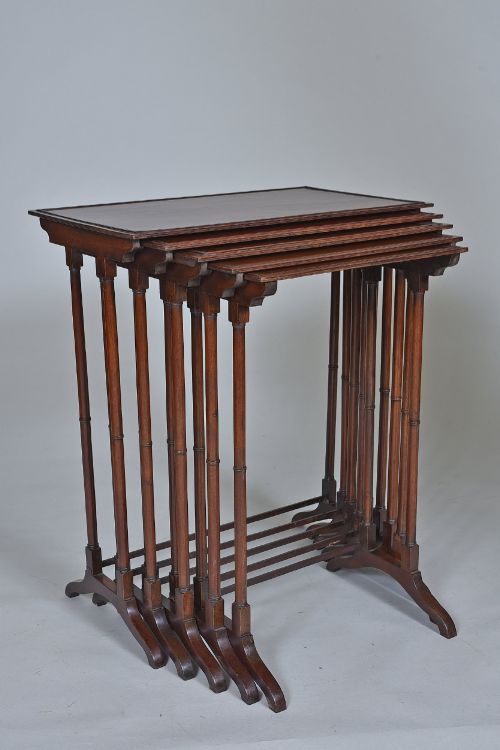
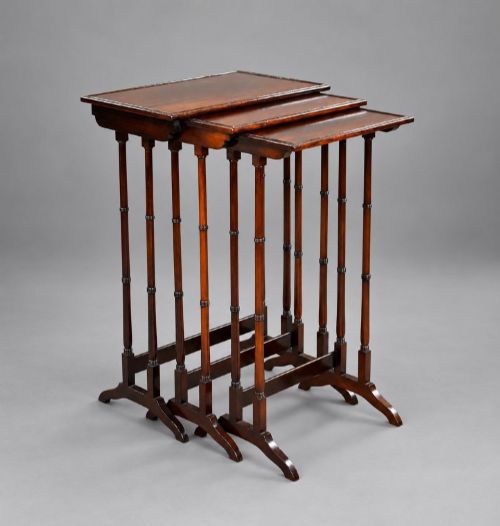
Edwardian nests of tables and butler tray stands demonstrate how these forms evolved to suit changing domestic habits. Each era adapted the portable table for tea, reading, or general bedside utility.
Materials and Technique
Cabinet makers relied primarily on native timbers like oak, elm, and fruitwood for early country pieces, later incorporating imported mahogany and walnut as trade routes expanded. Timber selection dictated construction methods, such as pegged mortise and tenon joints in seventeenth and eighteenth-century frames.
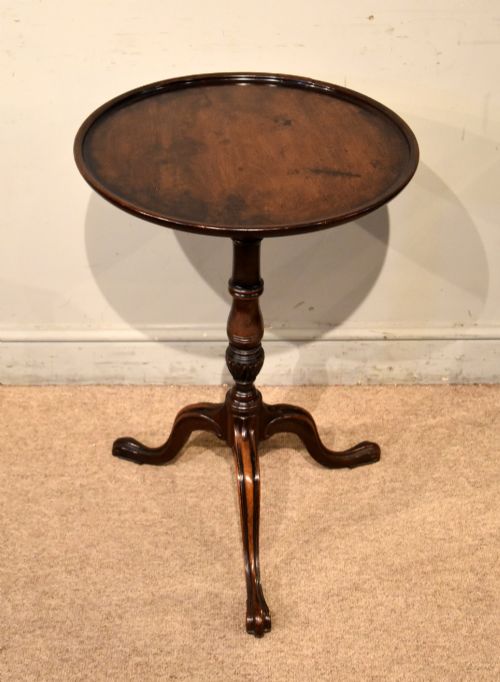
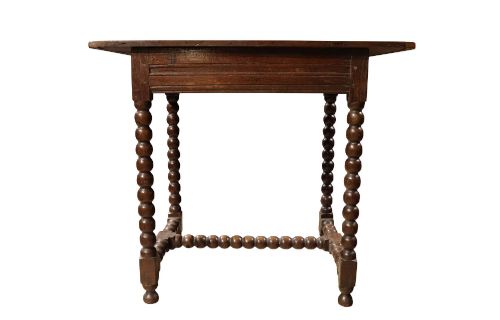
Turning lathes produced slender columns for tripod bases and barley twist legs, while specialist joiners utilised dovetail joints for drawer construction. Surface finishes ranged from simple wax polishes on country oak to intricate japanning and marquetry on late Victorian and Edwardian examples.
English Occasional Table Retail Price Guide 2026
Typical asking prices for english occasional table among the pieces listed under this phrase on Sellingantiques today, from the lower quarter to the upper quarter. They describe what is for sale here now, not the wider market.
The inventory records vernacular country pieces alongside urban cabinet work from the Georgian and Victorian eras.
Standards of Execution
The distinction between ordinary and superior examples lies in the selection of timber and the precision of the joinery. Figured veneers, well-matched grain patterns, and solid secondary woods indicate higher workshop standards.
Proportion and stability also dictate worth, as finer tripod bases sit firmly without excessive wobble and turned columns display crisp carving rather than softened detail.
Waring and Gillow·Liberty and Co·Hubert Simpson of Kendal·George Bullock·Dryad of Leicester
The English Occasional Table Glossary
- Cricket table
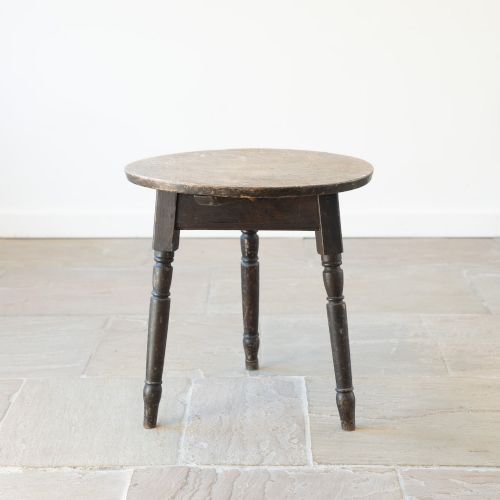
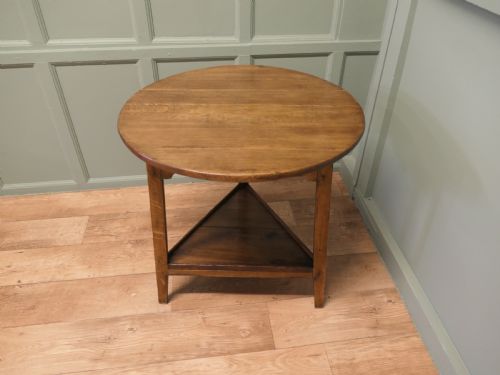
- A small three-legged circular table dating typically from the eighteenth century, traditionally used in vernacular English homes. The tripod base ensures stability on uneven floors.
- Tripod table
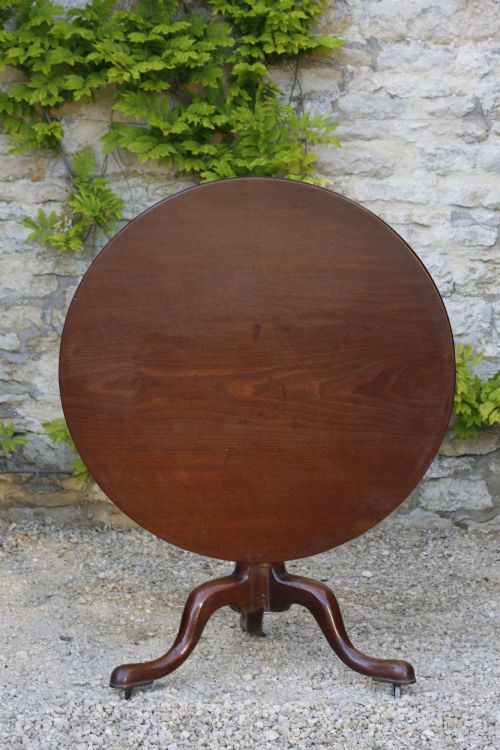
- A freestanding table supported by a central pillar above three splayed legs. Many examples feature a tilt-top mechanism for convenient wall storage.
- Pembroke table
- A small rectangular drop-leaf table with hinged flaps on either side. Developed in the eighteenth century, it served multiple functions as a breakfast or tea table.
- Lowboy
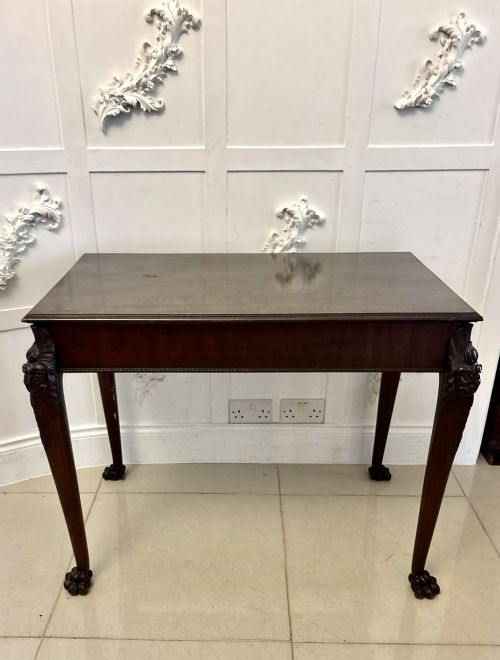
- A small eighteenth-century dressing or side table with one or more drawers beneath the working surface. They frequently utilise cabriole legs terminating in pad feet.
- Sutherland table
- A narrow drop-leaf table with exceptionally slim hinged leaves supported by swing legs. Victorian makers scaled them down into miniature variants for compact spaces.
English Occasional Table: Frequently Asked Questions
What is an english occasional table used for?
These small moveable pieces served specific household functions like holding bedside lamps, serving tea, or displaying ornaments. Their portability allowed servants and residents to reposition them around the home as daily requirements shifted.
Today they function effectively as lamp stands, sofa-side companions, or display surfaces in smaller rooms. Their compact proportions make them adaptable to modern interior layouts.
How do I identify a Georgian table?
Georgian pieces display classical proportions, restraint in ornament, and construction in solid mahogany, oak, or walnut. Look for hand-cut dovetails in drawers and traditional jointing methods specific to the eighteenth century.
Subtle indicators include patination from age and timber shrinkage consistent with centuries of atmospheric exposure. Provincial examples often combine oak with elm or fruitwood.
Are tilt top tables stable?
Authentic tilt-top tables utilise a clever catch mechanism beneath the circular top to lock the surface horizontal. When properly adjusted, the central pillar and three splayed legs provide a solid resting place for objects.
Over long periods of use, the wooden catch mechanism can wear slightly, introducing minor movement. Standard maintenance by a restorer easily resolves loose pivoting points.
How should I care for antique wood?
Maintain timber surfaces by applying quality beeswax periodically and buffing gently with a soft cloth. Avoid placing antique tables near direct heat sources or strong sunlight, which can dry out old timbers and fade veneers.
Use protective coasters under drinks and potted plants to prevent moisture rings on polished surfaces. Gentle dusting with a dry lint-free cloth preserves the natural wax finish.