





Dark Painted Side Table
A dark painted side table brings depth and character to a room, offering a functional surface layered with historic surface patination.
Dark Painted Side Table
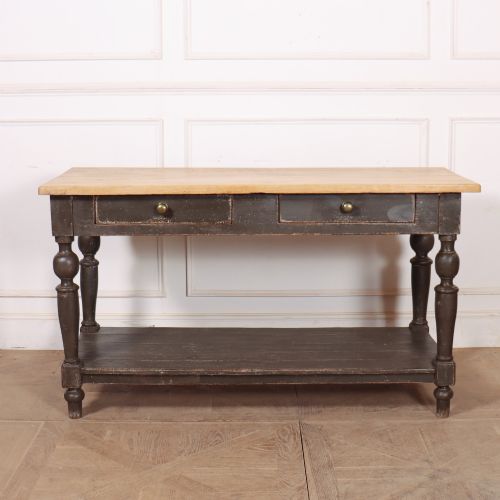
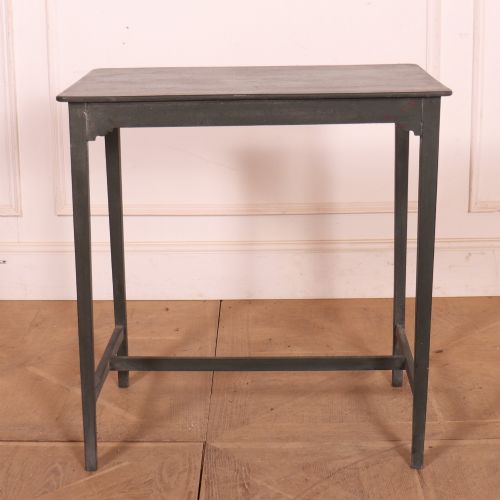
A dark painted side table appears across several centuries of domestic furniture production, taking the form of lamp tables, servers, cricket tables, and occasional stands. These items combine practical utility with decorative pigment, ranging from simple country pine to more elaborate styles.
Victorian and nineteenth-century examples dominate the selection, often rendered in painted pine or oak with regional English, French, and Swedish characteristics. Buyers will encounter both rustic utility items and refined versions finished with gold leaf or lacquer.
How they were made
Carpenters utilised sturdy timbers such as pine, oak, beech, and mahogany, constructing the frames with traditional joinery before applying layers of paint. Surfaces often display accumulated coats of historic pigment, sometimes accented with carved wooden details, brass fittings, or marble tops.
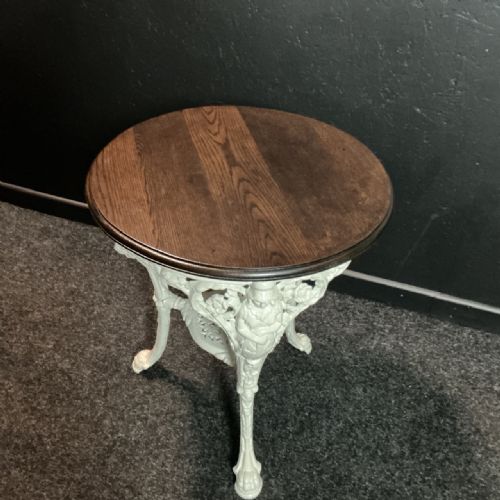
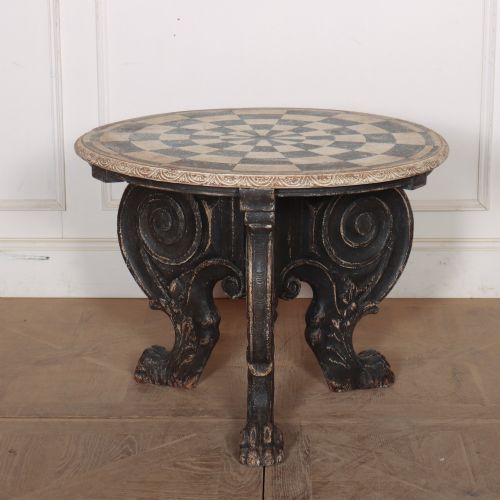
Certain regional pieces incorporate specialist techniques like Chinoiserie lacquer or gilded decoration over a dark ground. Structural supports vary from simple box stretchers and tripod bases to cast iron frames and columned pedestals.
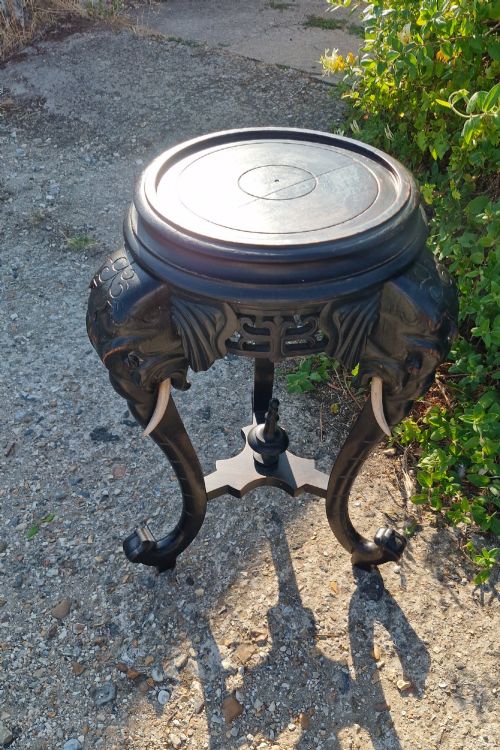
One exceptional late Victorian piece comes complete with painted wooden tusks.
What varies in quality
The standard of a dark painted side table rests upon the integrity of its timber frame and the originality of its surface finish. Pieces retaining their early or original paint layer command greater interest than those stripped and repassed in modern times.
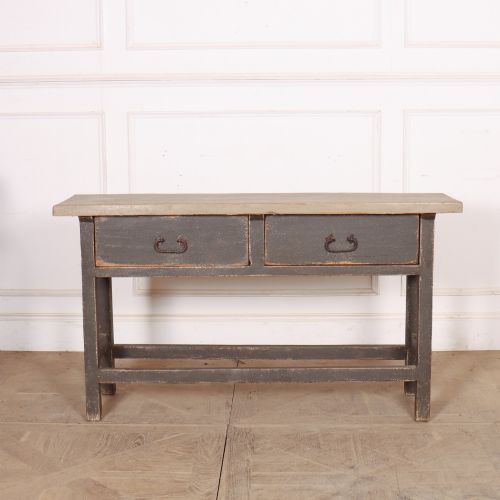
Proportion and execution set individual items apart, from finely carved Italian and English consoles to robust country potboard servers. The balance between the utilitarian form and the decorative painted scheme dictates the standing of each piece.
The Dark Painted Side Table Glossary
- Cricket table
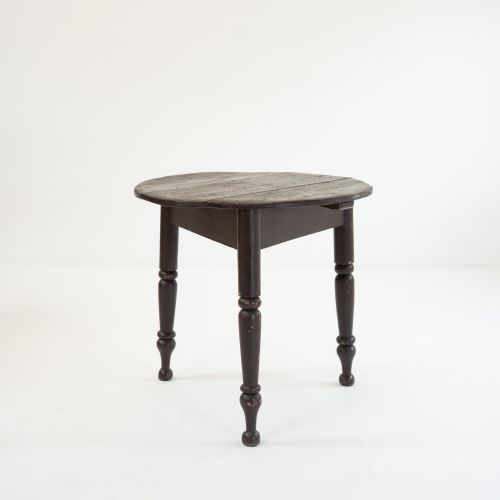
- A small three-legged occasional table with a wooden top, traditionally used in vernacular English settings.
- Chinoiserie
- European decorative style employing motifs inspired by Chinese art, often rendered in lacquer and painted decoration.
- Potboard
- A low slatted shelf fitted between the legs of a server or table, originally designed for storing pots and pans.
- Gueridon
- A small French occasional table or stand, often supported by a central column or tripod base.
- Box stretcher
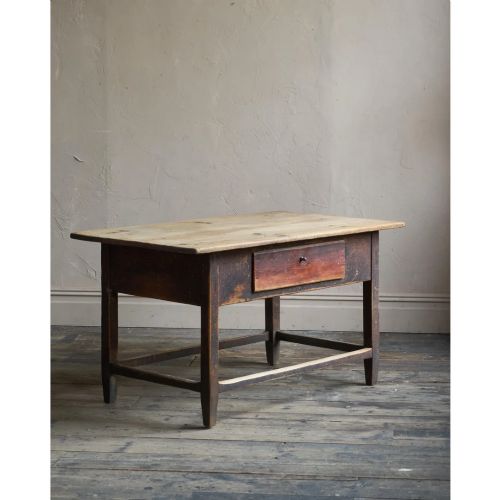
- Horizontal wooden rails connecting the legs near the floor to provide additional structural rigidity.
Dark Painted Side Table: Frequently Asked Questions
Where should I place a dark painted side table?
These pieces suit living rooms as lamp stands, hallways as console tables, or bedrooms as bedside cabinets. Their dark painted surfaces anchor light walls and provide a functional drop-off point.
Choose a scale that matches the surrounding furniture, ensuring clearance for doors and foot traffic while leaving enough surface area for daily use.
How do I care for historic painted surfaces?
Dust gently with a dry, soft cloth and avoid chemical polishes that can soften or lift old paint layers. Keep wooden items away from direct heat sources and strong sunlight to prevent warping and fading.
Wax can be applied sparingly to unpainted timber elements, but painted finishes generally require nothing more than careful, dry maintenance.
Are these tables sturdy enough for daily use?
Most nineteenth-century and earlier examples are constructed from solid timbers like oak, pine, and beech, making them robust for everyday tasks. Items with tripod bases or slender legs benefit from placement on even floors to prevent rocking.
Heavier marble-topped and cast-iron variants offer exceptional stability for holding lamps, drinks, and decorative objects.
How can I tell an older painted table from a recent reproduction?
Examine the timber shrinkage, tool marks, and the way the paint layers have aged and worn over time. Older pieces display natural wear patterns around edges and handles where hands have touched the surface repeatedly.
Construction methods, such as hand-cut joints and older fixings, help confirm the period of manufacture.