

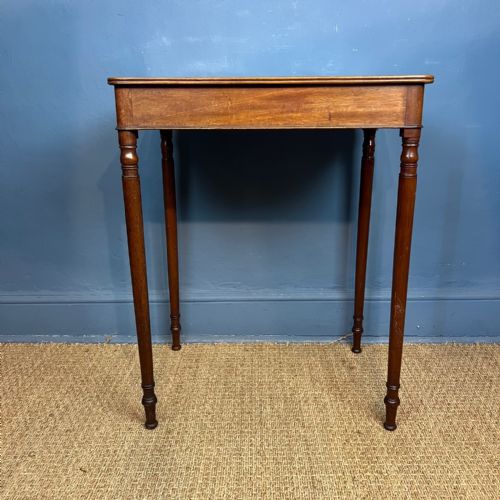
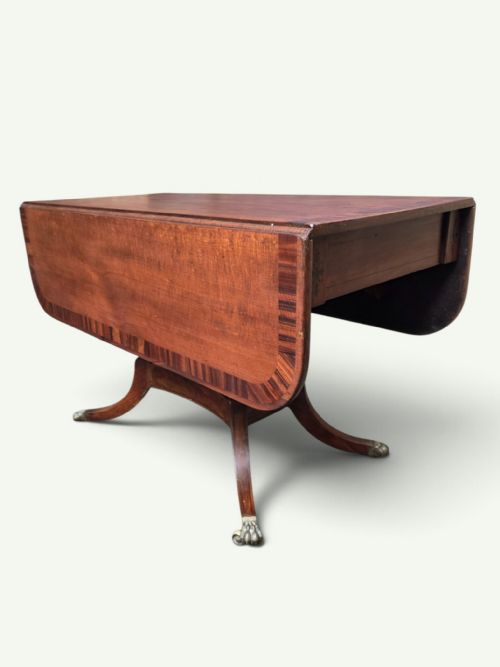
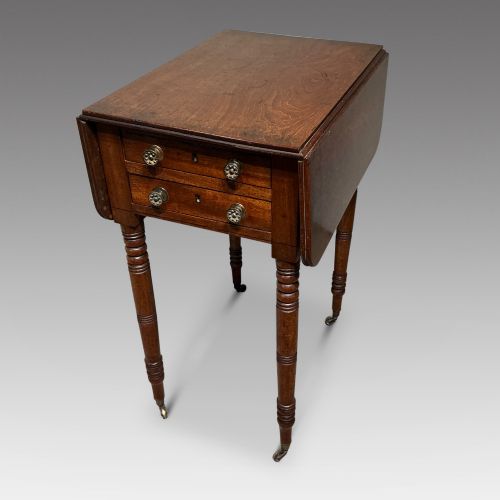
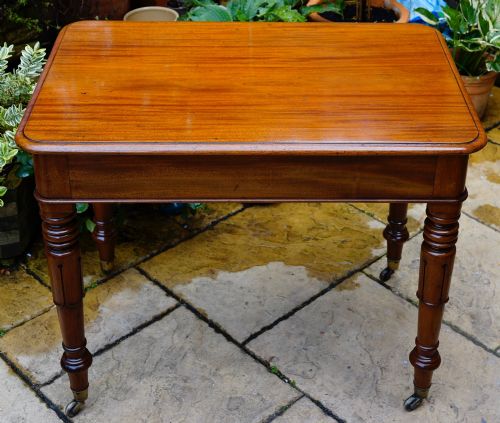
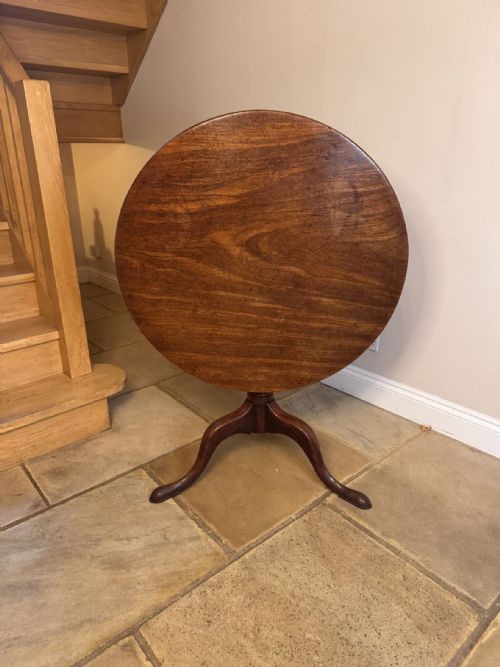
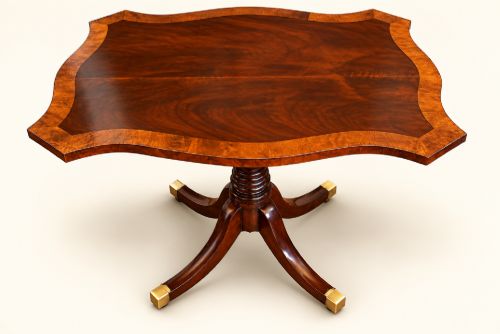
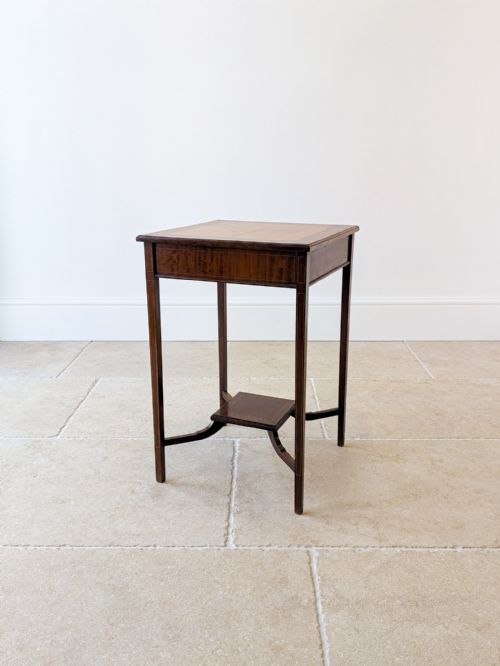
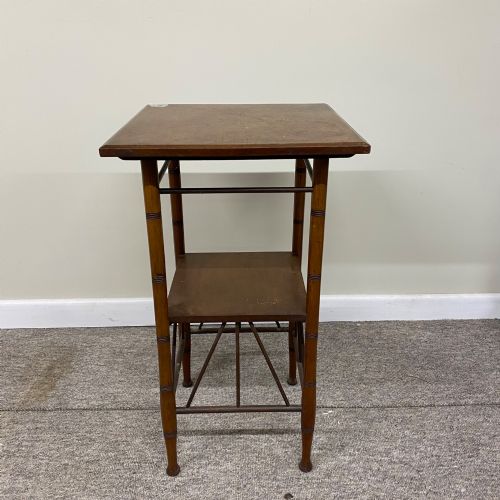
Brown Mahogany Occasional Table
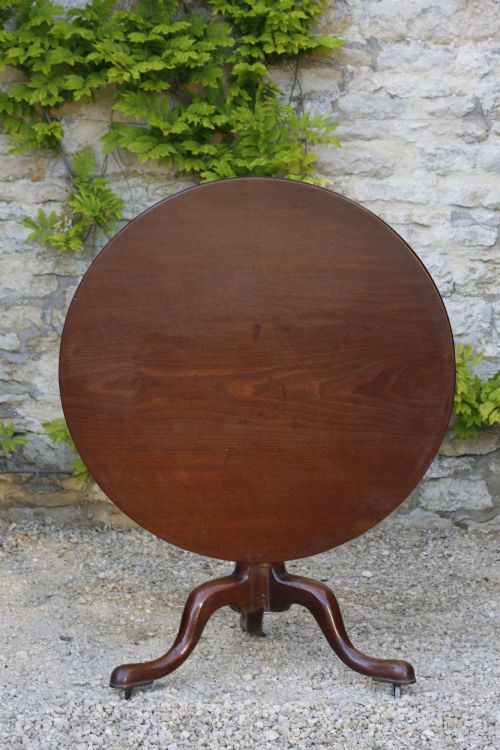
These brown mahogany occasional table pieces offer compact versatility and rich timber warmth, making them an essential addition to any period interior.
Brown Mahogany Occasional Table
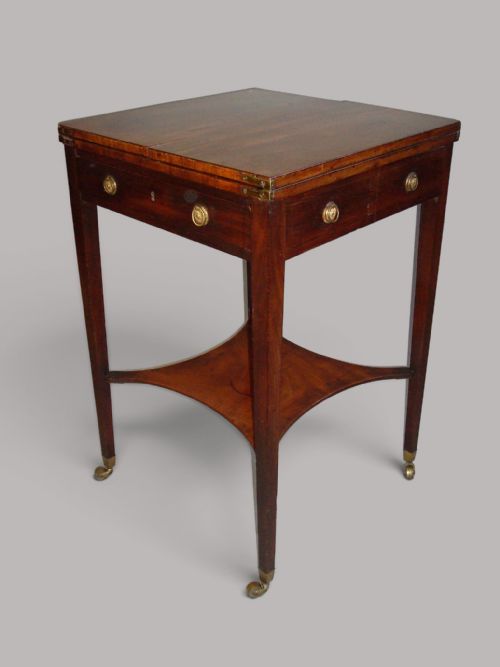
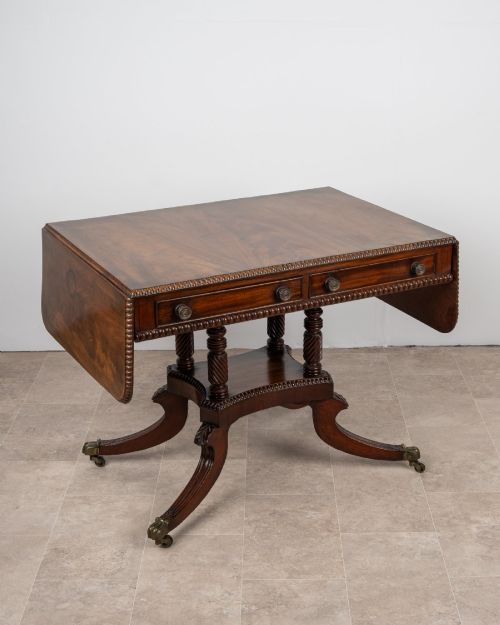
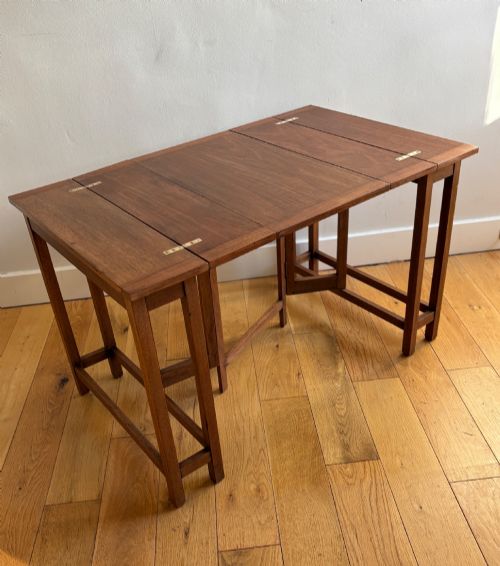
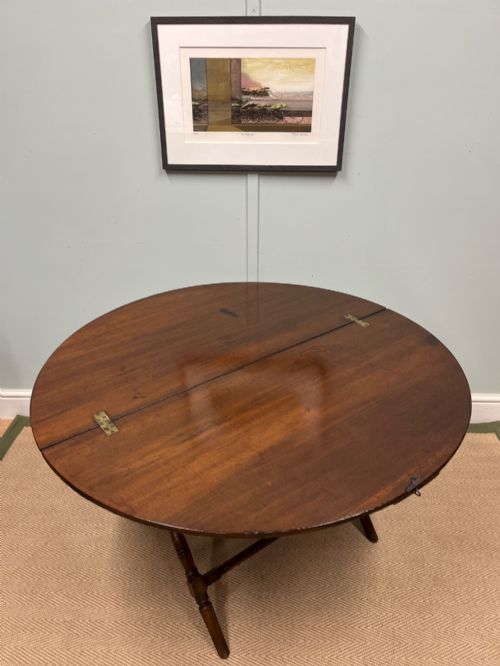
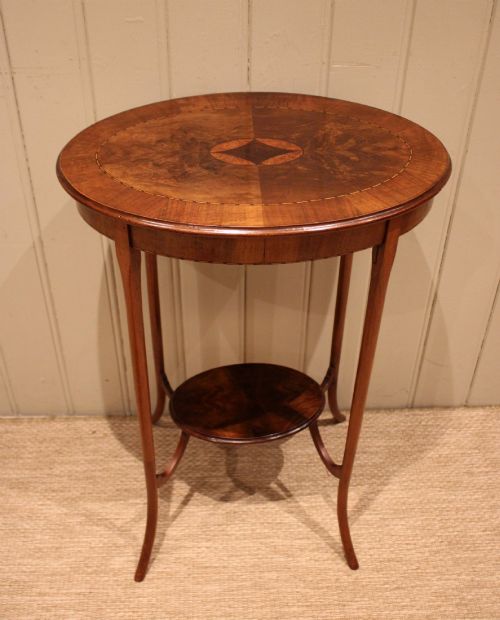
The selection ranges from refined eighteenth-century Sheraton pieces to nineteenth-century Regency designs and later folding kitchen garden types. Each piece demonstrates the enduring appeal of rich mahogany combined with occasional satinwood or boxwood details.
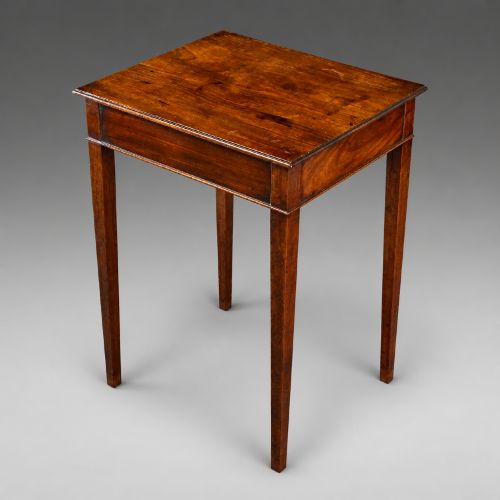
While forms vary from drop-leaf pembroke tables to square lamp stands, every brown mahogany occasional table shares a compact footprint intended for easy placement beside seating or in corners.
Materials and construction
Cabinet makers constructed these brown mahogany occasional table examples using solid mahogany timbers and carefully selected veneers, often incorporating contrasting boxwood and satinwood inlay for decorative definition. Brass fittings appear on operational elements like drop leaves or drawer mounts, adding functional durability and metallic contrast to the warm wood tones.
Joinery techniques reflect traditional cabinet-making standards of the Georgian, Victorian, and Edwardian periods, ensuring stable frames without modern adhesives. Surface finishes rely on traditional polish methods that enhance the natural grain pattern and deep colour of the mahogany.
Brown Mahogany Occasional Table Retail Price Guide 2026
Typical asking prices for brown mahogany occasional table among the pieces listed under this phrase on Sellingantiques today, from the lower quarter to the upper quarter. They describe what is for sale here now, not the wider market.
Current listings for this brown mahogany occasional table search span five distinct periods from the eighteenth century up to nineteen hundred.
Assessing quality
Quality in a brown mahogany occasional table rests upon the crispness of any inlay work, the selection of timber figures, and the integrity of the original construction rather than surface condition alone. Pieces featuring refined satinwood inlay or well-figured mahogany veneers display a higher level of workshop ambition than plain utility versions.
Proportion and structural balance separate standard production items from finer Georgian and Regency examples, where delicate leg turnings or intelligent Pembroke mechanisms reveal the maker's skill. The harmony between timber selection and stylistic detail dictates where a piece sits within the historical range.
The Brown Mahogany Occasional Table Glossary
- Pembroke table
- A small occasional table featuring two hinged drop leaves on opposite sides, typically fitted with a drawer. This form originated in the eighteenth century and offers adaptable surface area for domestic use.
- Work table
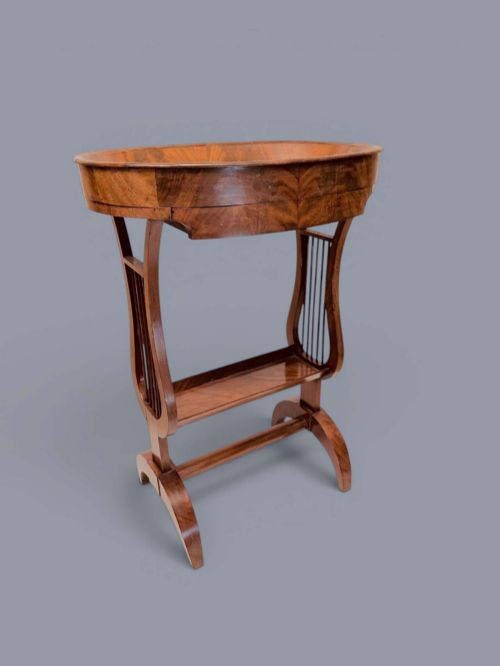
- A specialised small table equipped with a drawer or fabric bag beneath for sewing and needlework materials. These pieces gained immense popularity during the Georgian and Regency periods.
- Satinwood inlay
- A decorative technique where lighter contrasting wood is inserted into recesses within the mahogany surface to create geometric or floral patterns. It frequently defines Edwardian and Sheraton pieces.
- Regency period
- An era of British design spanning the early nineteenth century noted for classical restraint, clean architectural lines, and occasional military or ancient Roman influences.
Brown Mahogany Occasional Table: Frequently Asked Questions
What is a brown mahogany occasional table used for?
These pieces served historically for holding lamps, books, tea services, or needlework within the living spaces of a home. Their portable nature allowed them to move easily around a room as daily needs changed.
Today, they continue to function effectively as bedside stands, lamp tables, or decorative accents beside sofas and armchairs while adding historic character to contemporary interiors.
How do I identify a Georgian piece?
Georgian furniture typically displays restrained classical proportions, robust timber selection, and meticulous hand-cut joinery without mass-produced shortcuts. The wood often shows a deep, mature patina developed over centuries of light and use.
Details such as hand-turned legs, dovetailed drawer linings, and subtle brass hardware help distinguish these eighteenth-century examples from later nineteenth-century interpretations.
What distinguishes a Pembroke table?
A Pembroke table is instantly recognised by its hinged drop leaves, which fold down when not in use and lift up to expand the surface area. They often include a single drawer and slender legs braced by modest stretchers.
This clever folding mechanism made them exceptionally versatile for breakfasting, writing, or needlework in smaller drawing rooms.
How should I care for mahogany timber?
Mahogany responds best to a stable indoor environment away from direct sunlight, central heating vents, and extreme humidity fluctuations which can cause wood to warp or dry out. Regular dusting with a soft, dry cloth maintains the finish safely.
Occasional application of traditional beeswax polish feeds the timber and preserves the warm depth of the grain without building up a heavy synthetic residue.