

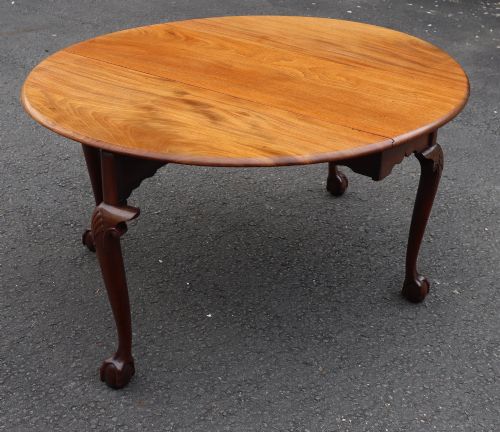
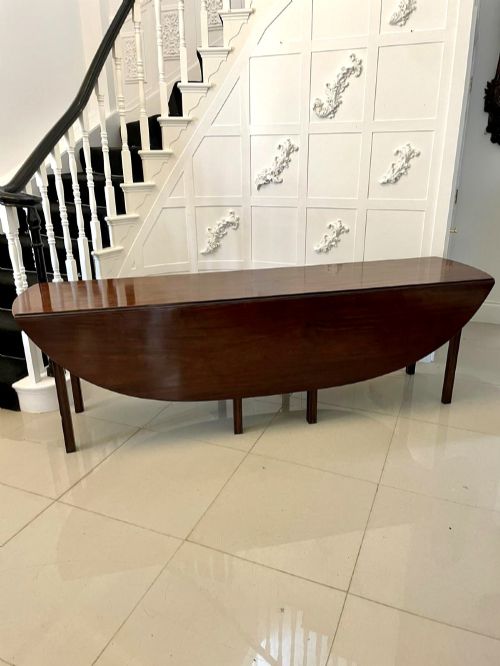
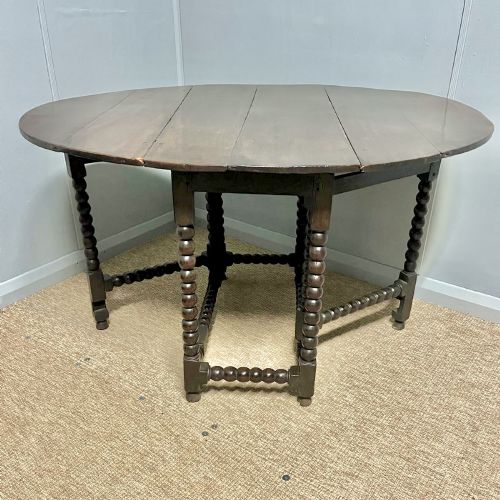
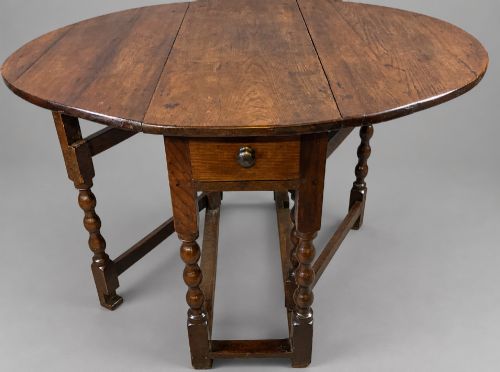

Antique Oval Drop Leaf
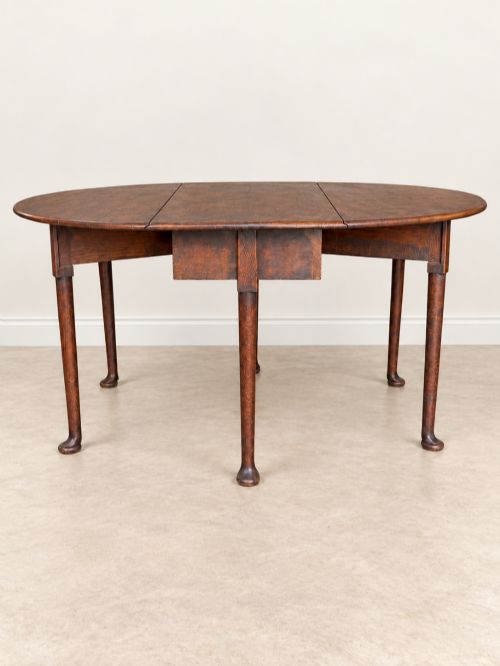
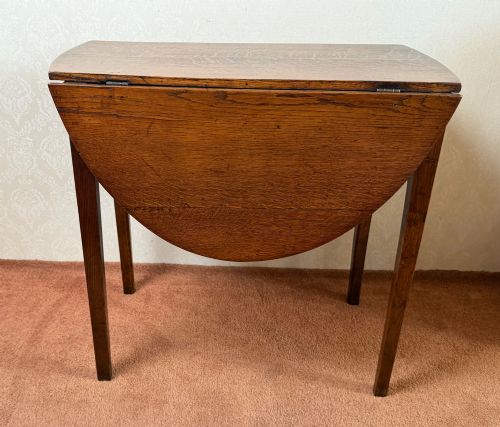
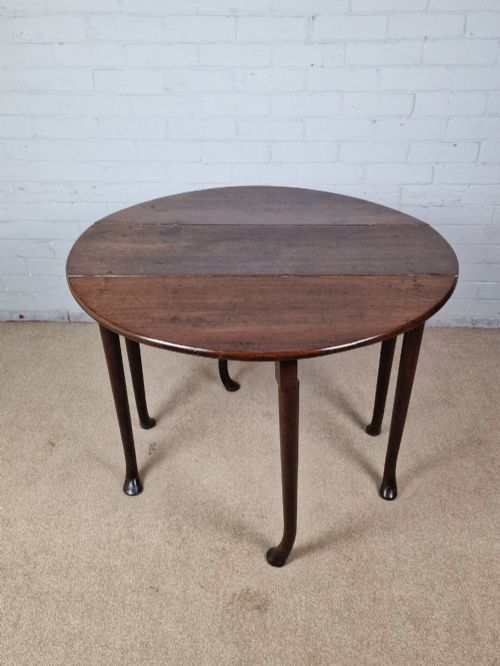
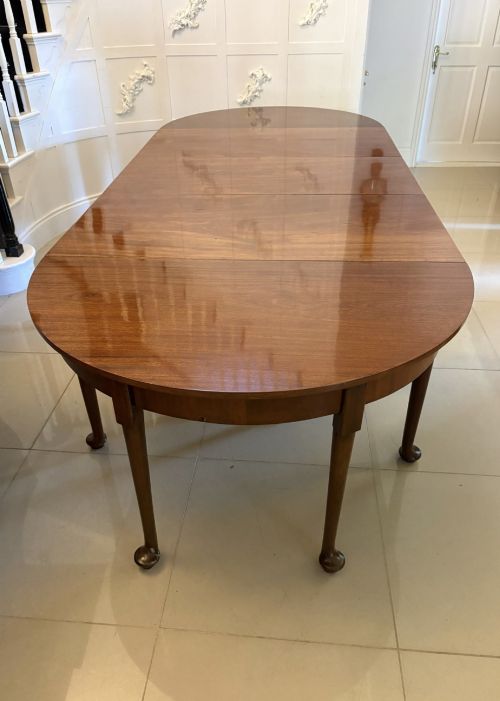
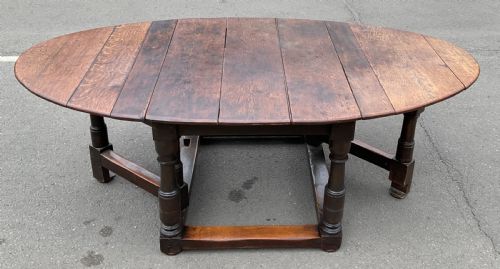
An antique oval drop leaf table offers clever folding versatility, providing a generous dining surface when open and tucking neatly away when the leaves drop.
Antique Oval Drop Leaf
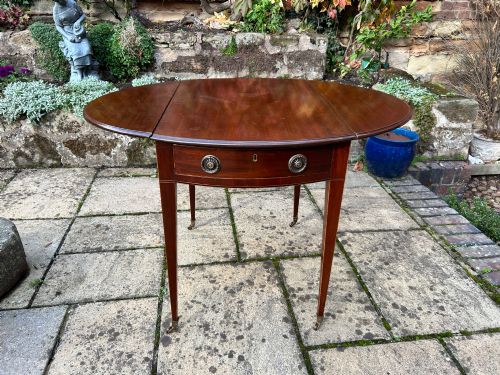
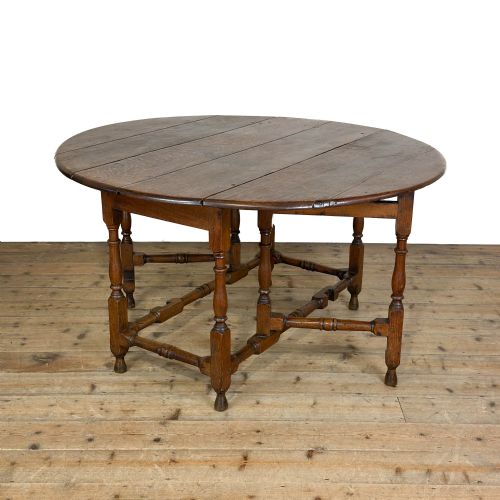
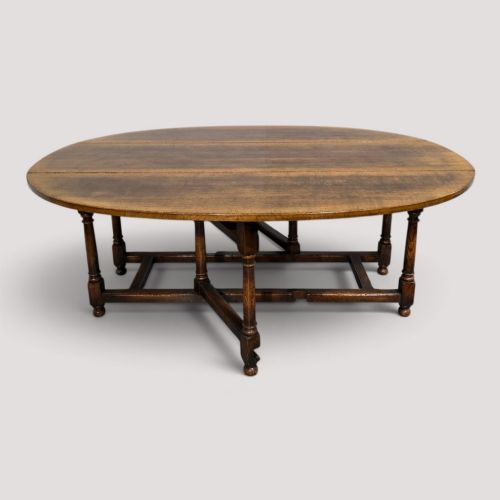
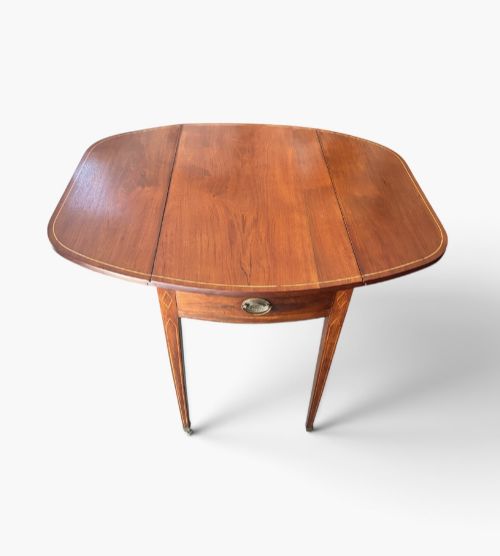
An antique oval drop leaf table serves as a flexible surface designed to save space in smaller rooms or expand for gatherings. These versatile tables span from compact gateleg dining tables to refined Pembroke and sewing tables.
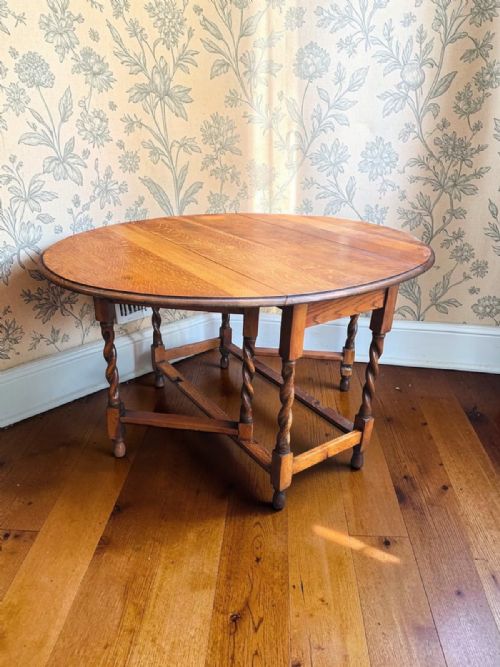
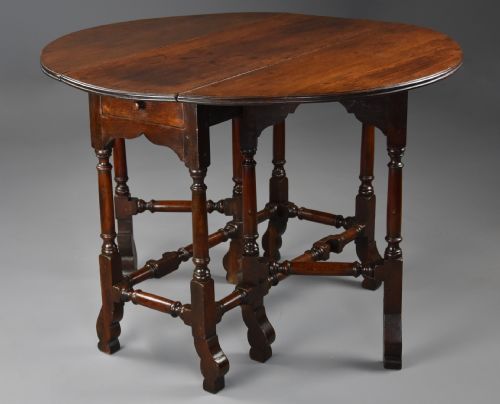
The versions most frequently met on this page include sturdy oak gateleg dining tables from the seventeenth and eighteenth centuries alongside mahogany and walnut examples from the Georgian and Victorian eras.
How they were made
Cabinet makers utilised dense native timbers like oak and walnut for early gateleg frames, later turning to imported mahogany and satinwood for finer Georgian and Regency designs. These woods were joined using traditional mortise and tenon construction to support the swinging leg mechanisms.
Surface decoration involved subtle brass fittings, boxwood stringing, and elaborate floral marquetry in later Victorian pieces. Finishes relied on natural waxes and oils that built up a rich, faded patina over centuries of use.
Antique Oval Drop Leaf Retail Price Guide 2026
Typical asking prices for oval drop leaf among the pieces listed under this phrase on Sellingantiques today, from the lower quarter to the upper quarter. They describe what is for sale here now, not the wider market.
Several tables retain traces of old candle wax dribbled deep into the grain during centuries of midnight suppers.
What varies in quality
The excellence of timber selection largely dictates value, with deeply figured walnut, rich red mahogany, and quartersawn oak standing apart from plain utilitarian stock. Timber choice determines how well the wood ages and retains its visual depth.
Structural integrity and original hardware define the upper tiers of craftsmanship. Smoothly operating gateleg actions, intact hinges, and minimal timber replacement separate master-built examples from heavily restored or altered pieces.
The Antique Oval Drop Leaf Glossary
- Gateleg table
- A table with hinged flaps and swinging legs that pull out to support them when raised.
- Pembroke table
- A small rectangular or oval table with two hinged drop leaves on opposite sides and usually a single drawer.
- Patina
- The deep sheen and mellowed surface texture developed on wood through decades of handling, polishing and age.
- Marquetry
- Decorative patterns formed by inserting pieces of contrasting wood veneers into a solid surface.
- Cabriole leg
- A furniture leg that curves outward at the knee and tapers inward toward the ankle, ending in a distinct foot.
Antique Oval Drop Leaf: Frequently Asked Questions
How do I seat six people at an antique oval drop leaf table?
Raise both hinged leaves on the sides and swing out the supporting gate legs to lock the surface in place. This reveals substantial knee clearance along the length for comfortable dining.
Ensure the swinging leg mechanism is securely positioned against the underside frame before placing heavy dishes on the extended leaves.
What is the difference between a gateleg table and a Pembroke table?
A gateleg table relies on hinged legs that swing outward like a gate to support large folding leaves, often serving dining rooms. A Pembroke table is lighter, featuring narrower drop leaves and typically includes a small drawer beneath the top.
Gatelegs prioritize sturdy dining support, whereas Pembroke tables function better as occasional or side tables in smaller living spaces.
How should I care for a walnut and mahogany drop leaf surface?
Dust the timber regularly with a soft, dry cloth and apply a quality beeswax periodically to nourish the grain. Avoid placing the table near direct heat sources or strong sunlight to prevent warping and fading.
Use protective mats under hot plates or liquids to safeguard the historic polish and maintain the natural patina over time.
How can I tell a seventeenth century oak table from a Georgian mahogany one?
Seventeenth century pieces utilise heavy oak construction with thick turned supports, such as bobbin or barley twist legs, and show deep open grain. Georgian mahogany tables feature finer red-brown timber, lighter frames, and often display cabriole legs or inlay work.
Examining the underside reveals the tool marks and construction methods characteristic of different cabinet-making periods.