
Brass Dial Oak Clock
A brass dial oak clock brings tactile warmth and precise mechanics into a room through the combination of warm timber and polished metal.

Brass Dial Oak Clock
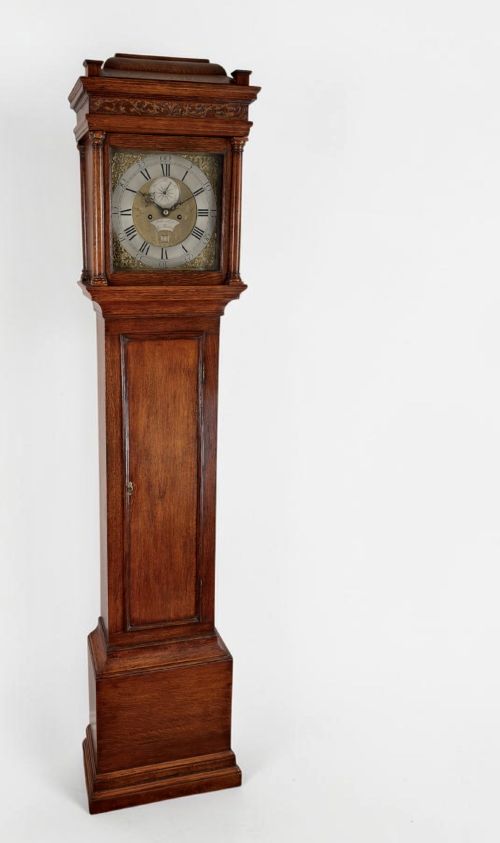
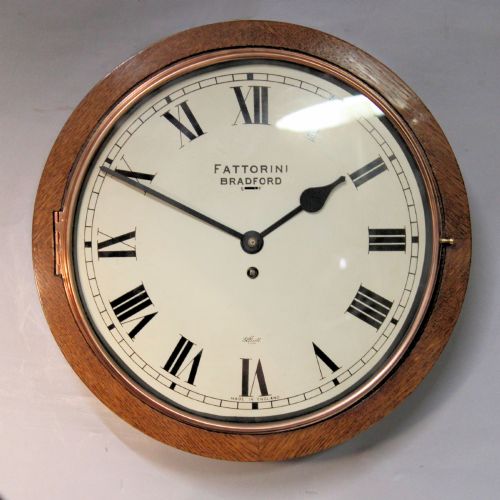
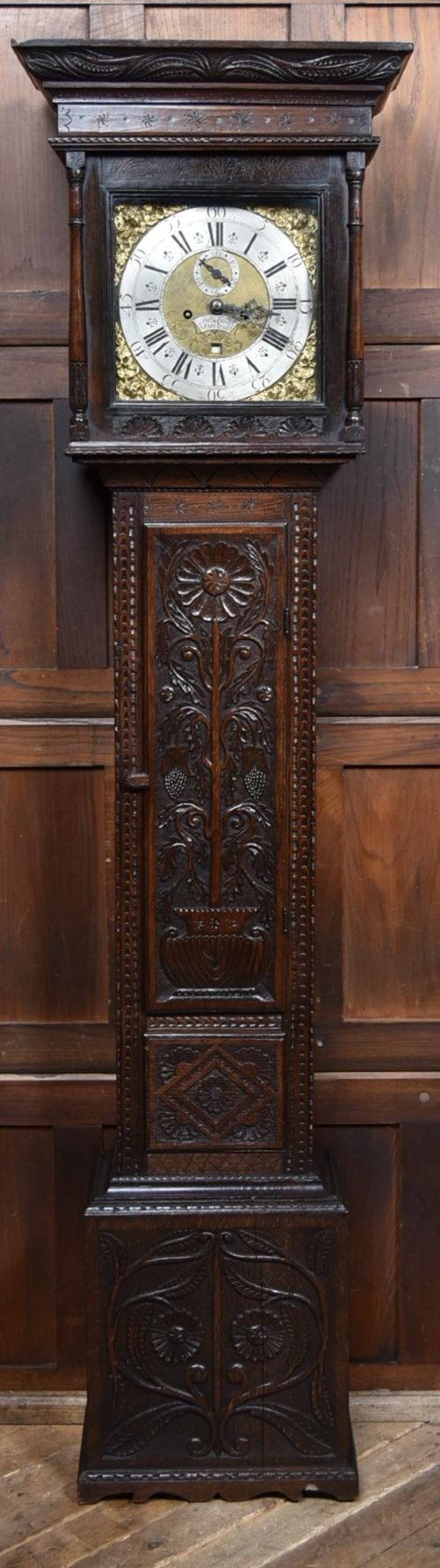
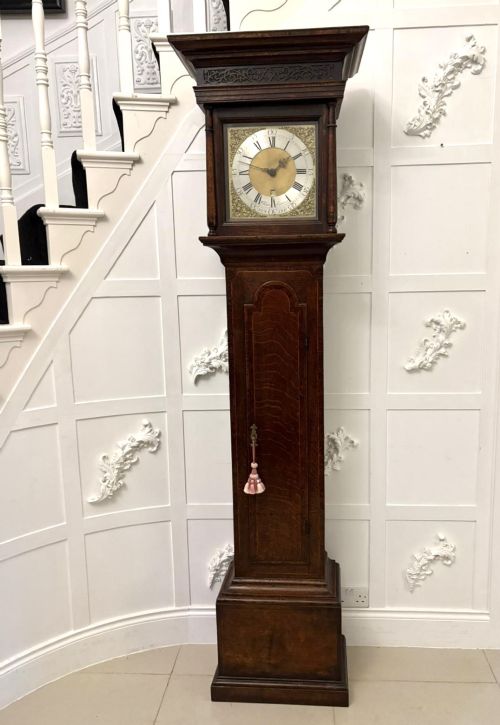
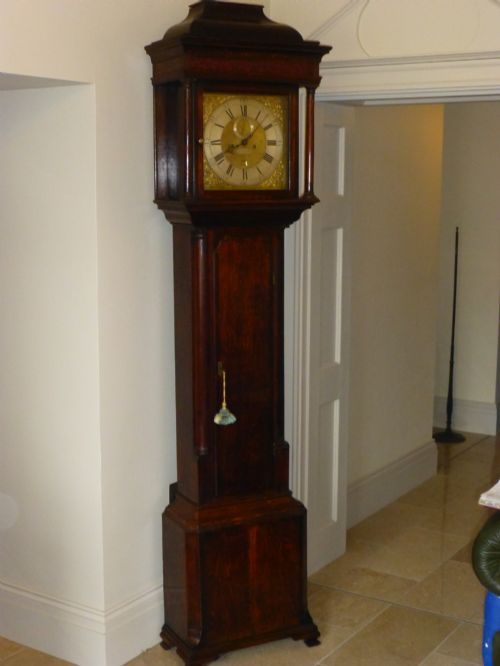
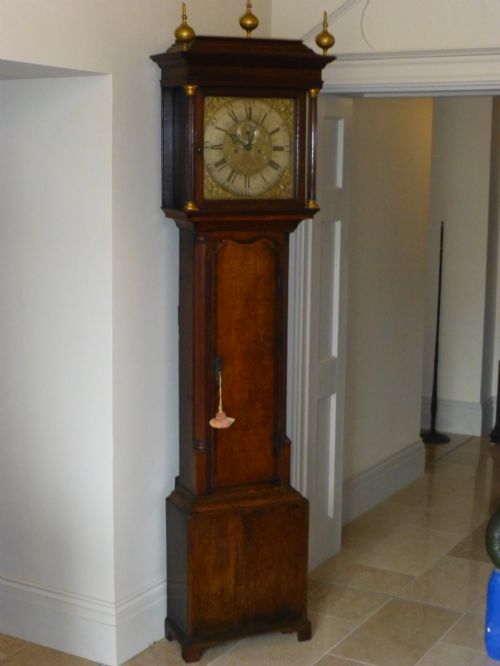
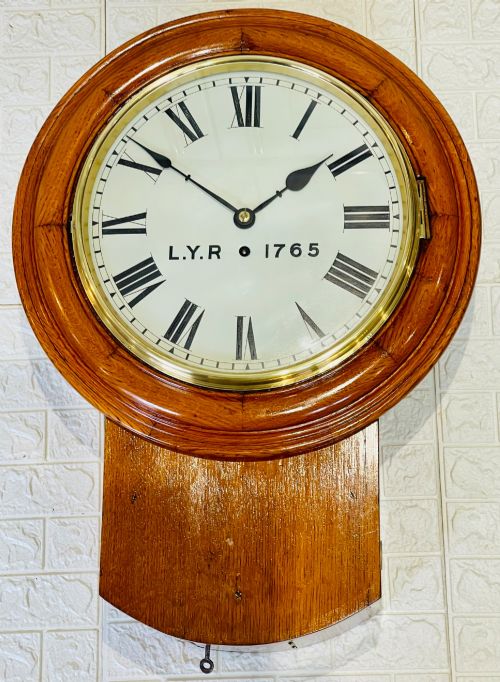
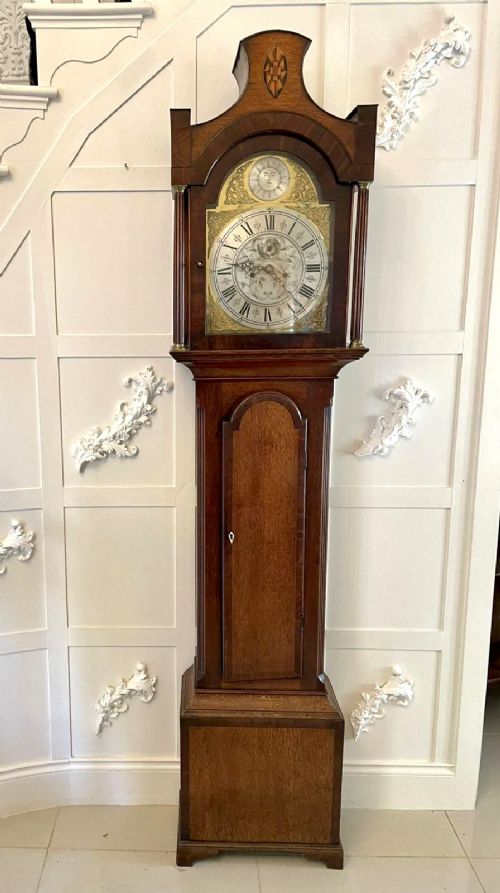
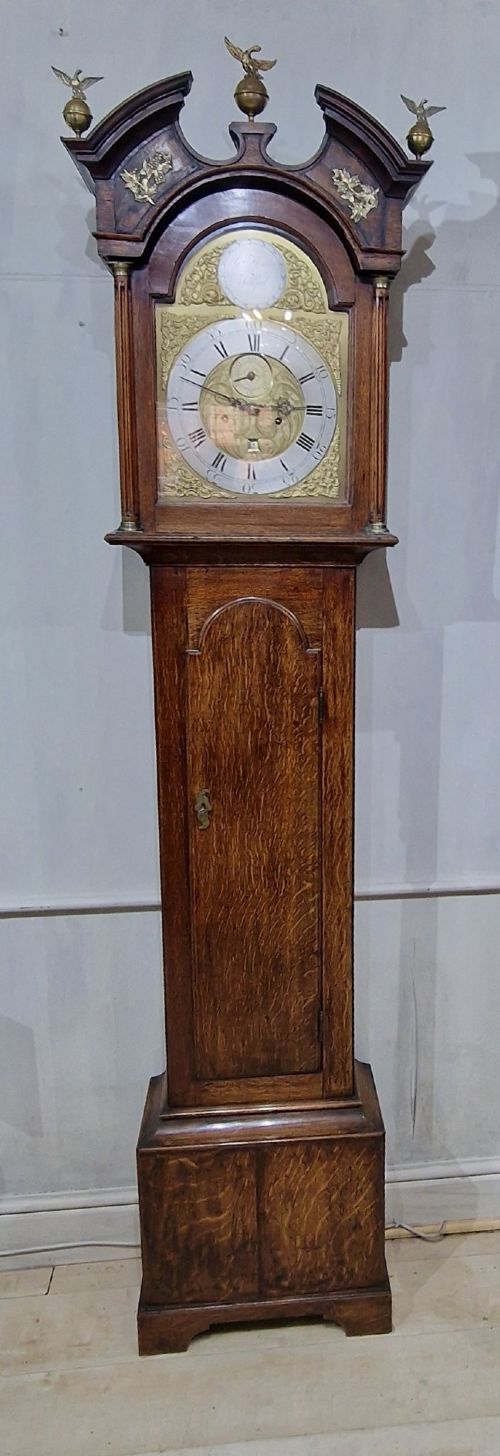
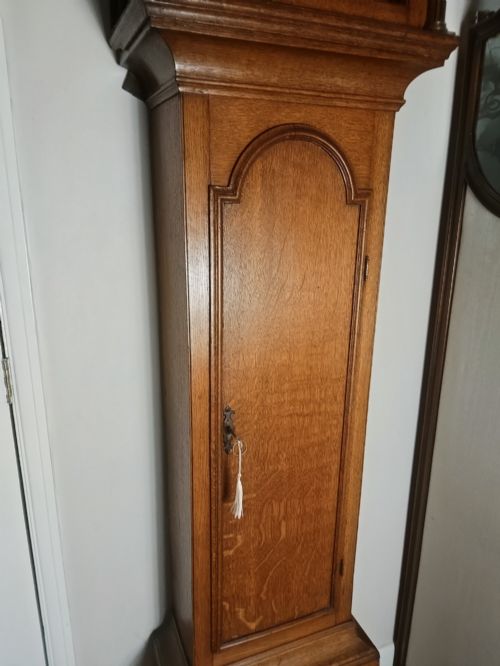
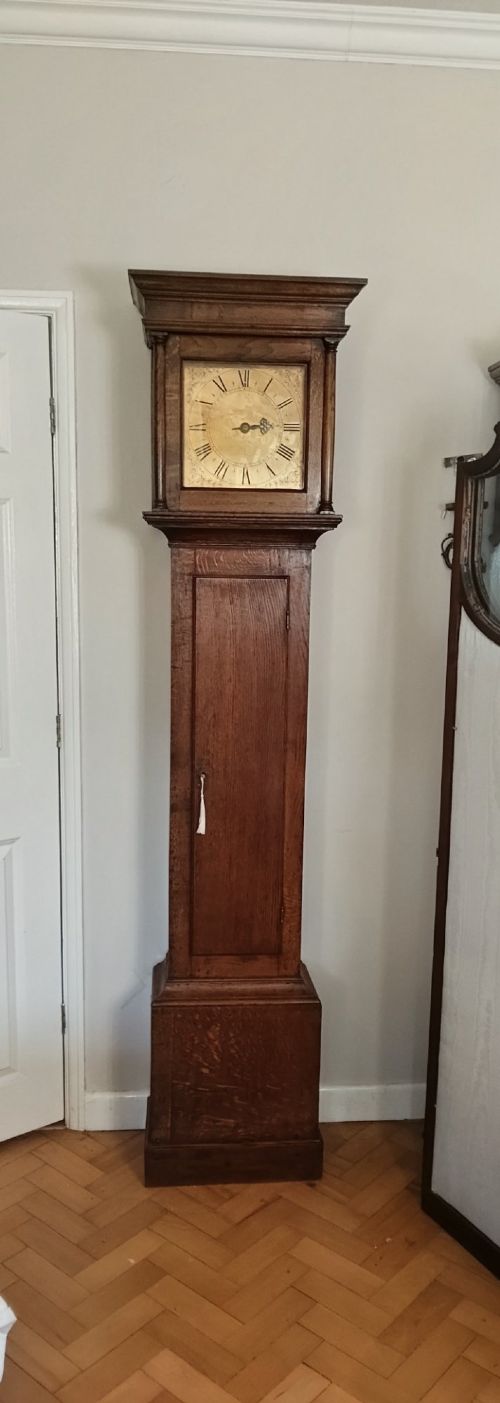
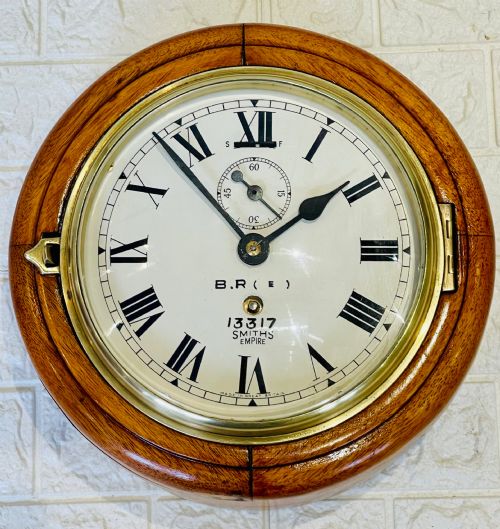
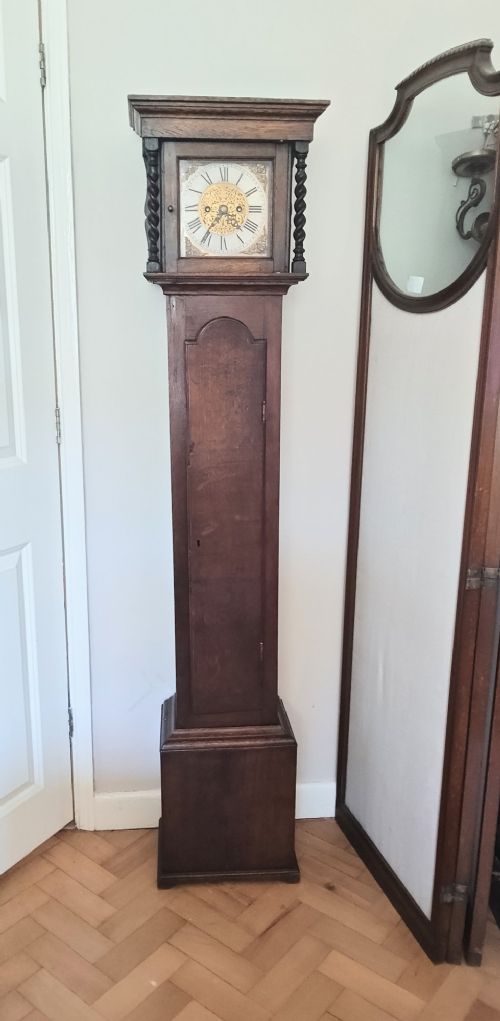
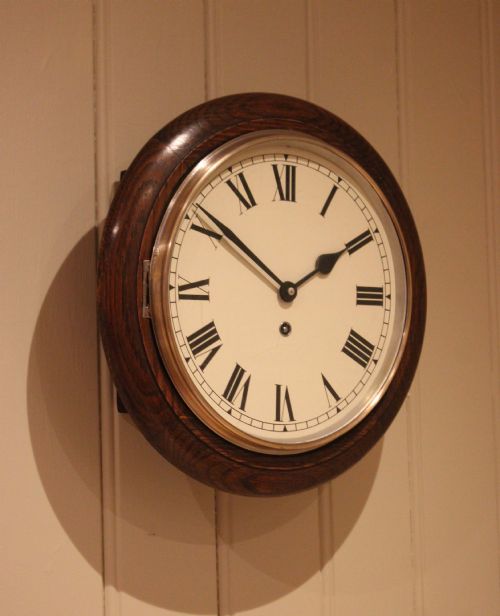
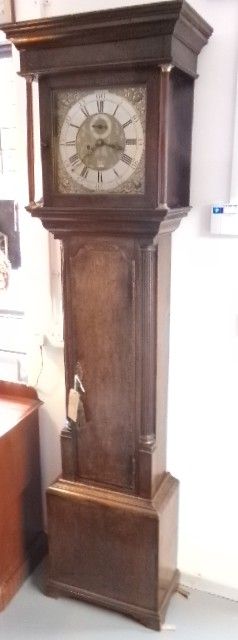
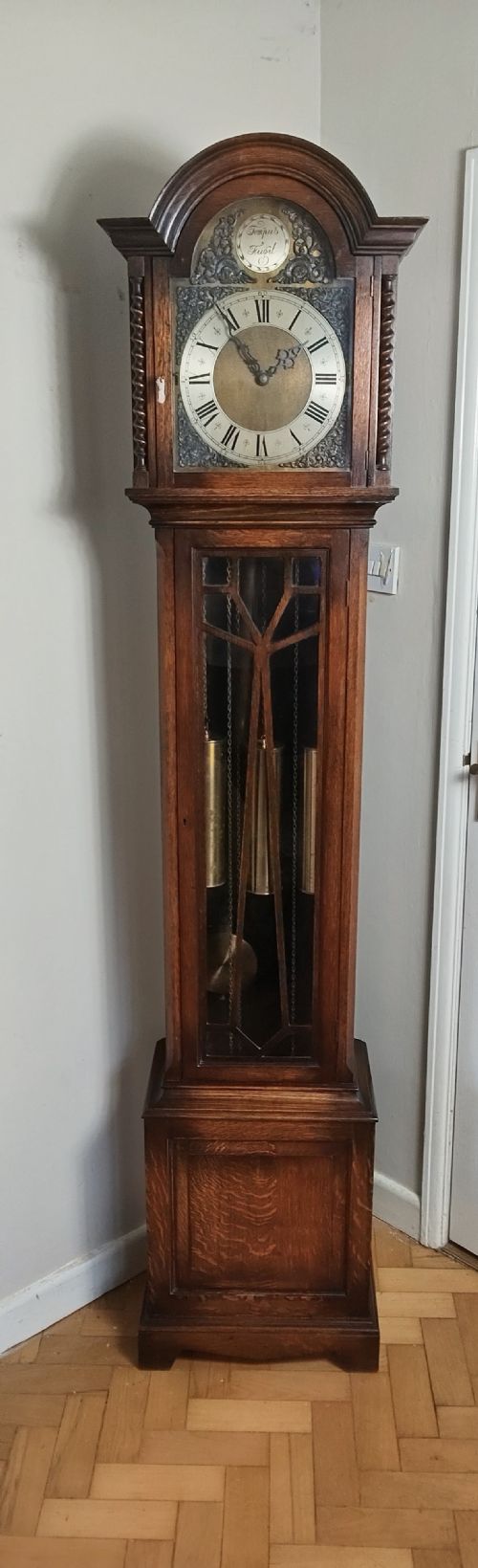
When searching for a brass dial oak clock, buyers encounter tall floor-standing timepieces and compact wall-mounted circular variants spanning the Georgian period through the twentieth century. Longcase clocks, also known as grandfather or grandmother clocks, dominate the selection alongside railway and drop dial wall clocks housed in solid timber cases.
The material combination brings together sturdy native oak, sometimes accented with walnut or mahogany banding, and engraved brass chapter rings or mounted spandrels. These pieces range from simple single-handed eighteenth-century country timepieces to complex musical regulators and quarter-chiming bracket clocks from the Victorian and Edwardian eras.
Georgian examples from the eighteenth century represent the traditional heart of the category, featuring brass faces and eight-day movements by regional makers. Later twentieth-century interpretations adopt industrial railway uses or art deco styling while retaining the core pairing of brass and oak.
What varies in quality
Quality in these timepieces rests on the crispness of the brass engraving, the depth of the case timber figure, and the original integrity of the movement. Finer eighteenth-century examples display intricate dial work and well-proportioned oak cases with minimal replacement parts.
The precision of the mechanical gear train and the complexity of the striking or musical complications separate standard domestic timekeepers from high-grade regulator or quarter-chiming pieces. Regional variations also influence desirability, particularly signed works by notable provincial clockmakers.
Brass Dial Oak Clock Retail Price Guide 2026
Typical asking prices for brass dial oak clock among the pieces listed under this phrase on Sellingantiques today, from the lower quarter to the upper quarter. They describe what is for sale here now, not the wider market.
Listings feature oak clock forms ranging from compact wall dials to tall eighteenth-century longcase examples.
Lee of Great Marlow·Elliott·Jn° Smith·Richard Corless·Smith of Chester·James Hendrie·Fisher Of Preston·George Hallifax·Winterhalder and Hofmeier·Zenith·William Atkinson·Thomas King·John Taylor·Samuel Mackie
The Brass Dial Oak Clock Glossary
- Spandrel
- The decorative corner ornaments on a clock dial, often cast in brass depicting cherubs or floral motifs. These metal pieces fill the space between the circular chapter ring and the square frame.
- Chapter ring
- The circular metal ring on a clock face bearing the hour and minute numerals. On older brass dials, this ring is frequently silvered to contrast against the yellow brass background.
- Fusee
- A conical pulley used in spring-driven clocks to maintain equal power as the mainspring unwinds. This mechanism ensures consistent timekeeping accuracy throughout the running period.
- Longcase clock
- A tall weight-driven pendulum clock housed in a tall wooden case protecting the weights and pendulum. They are commonly referred to as grandfather clocks.
- Drop dial clock
- A wall clock featuring a circular dial mounted above a short wooden trunk or drop case. These were widely utilised in offices, stations, and public buildings during the nineteenth and twentieth centuries.
Brass Dial Oak Clock: Frequently Asked Questions
What is a longcase clock?
A longcase clock is a tall floor-standing timepiece enclosed in a wooden case that protects the suspended weights and pendulum.
These pieces typically measure over six feet in height and serve as both functional timekeepers and prominent furniture centerpieces.
How do fusee movements work?
A fusee movement uses a conical pulley connected to the mainspring via a chain or cord to regulate power delivery.
As the spring unwinds, the chain pulls on a wider diameter of the cone, balancing the diminishing force of the spring to maintain accuracy.
Where were wall dial clocks used?
Wall dial clocks were heavily utilised in railway stations, offices, and public institutions where clear visibility and reliable timekeeping were essential.
Their sturdy oak cases and straightforward circular faces made them practical for daily commercial life.
How do you date an oak clock?
Dating relies on stylistic details of the brass dial, such as the shape of the spandrels, the presence of a second hand, and case construction methods.
Eighteenth-century faces often feature square brass dials with engraved details, while later nineteenth and twentieth-century examples shift towards round painted or silvered chapters.