


Vintage Mechanical Table Clock
A vintage mechanical table clock brings the precise rhythm of the past to a mantel or desk, combining brass, wood and glass in an enduring mechanical object.

Vintage Mechanical Table Clock
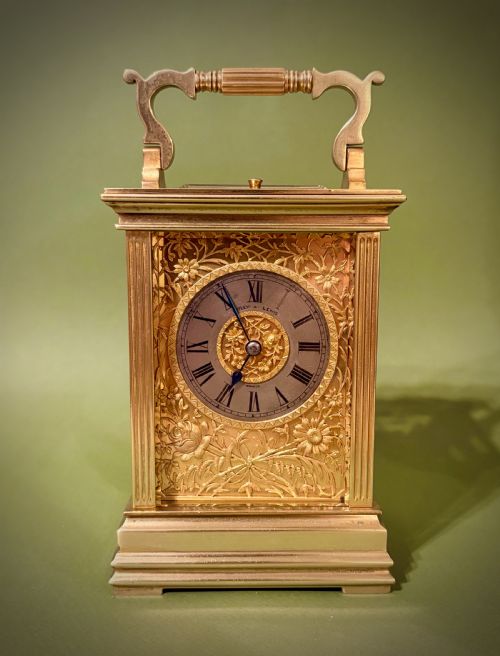
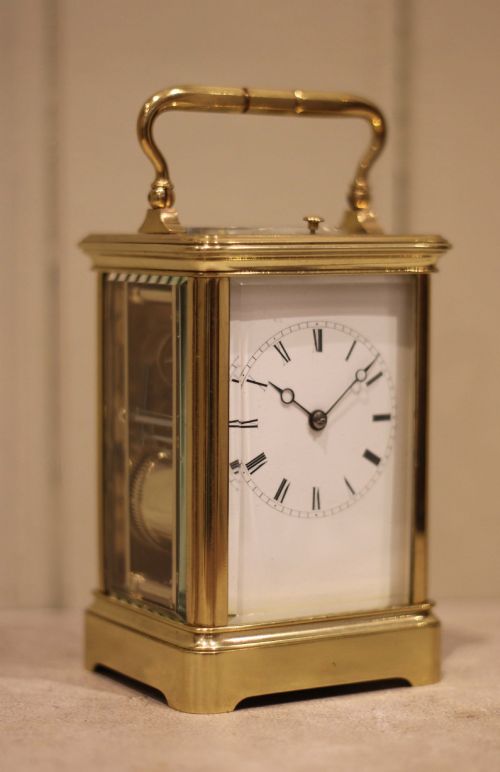
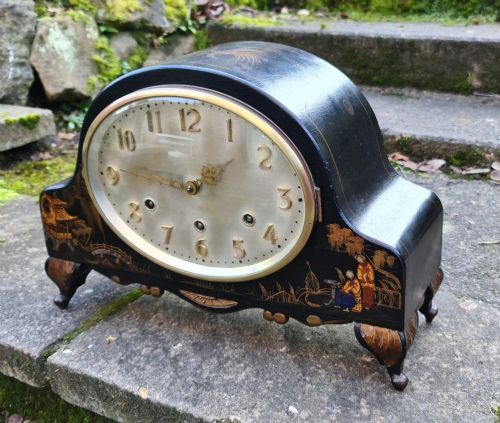
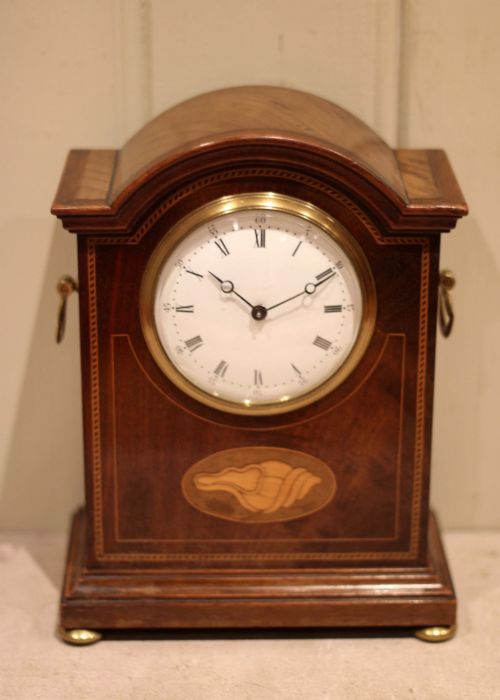
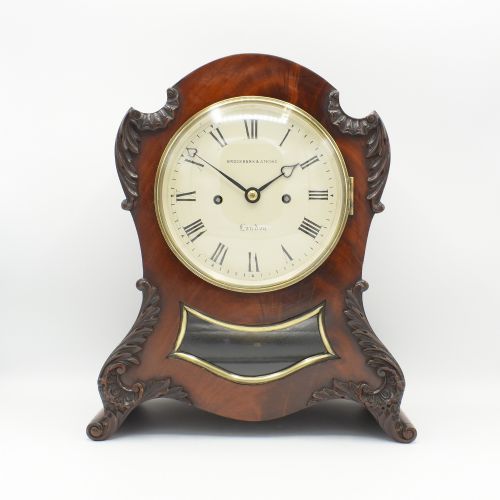
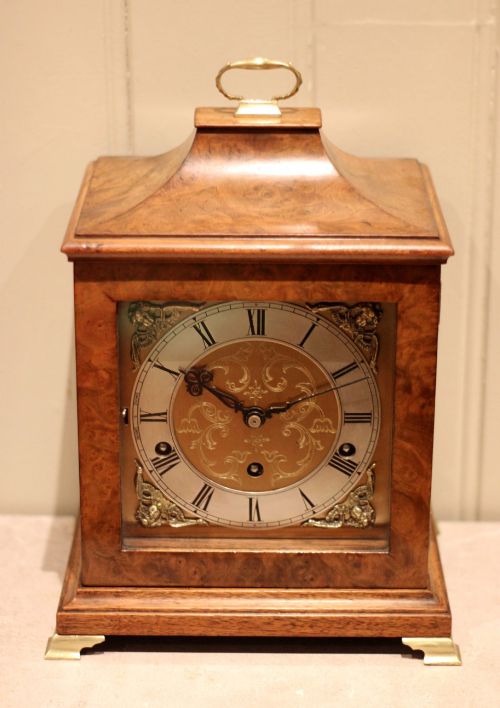
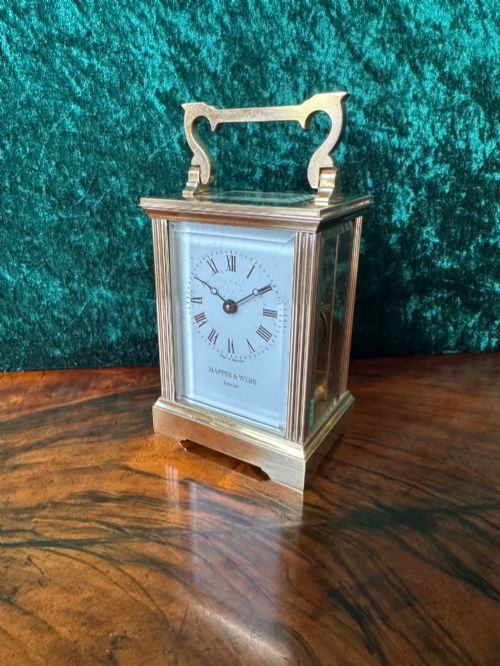
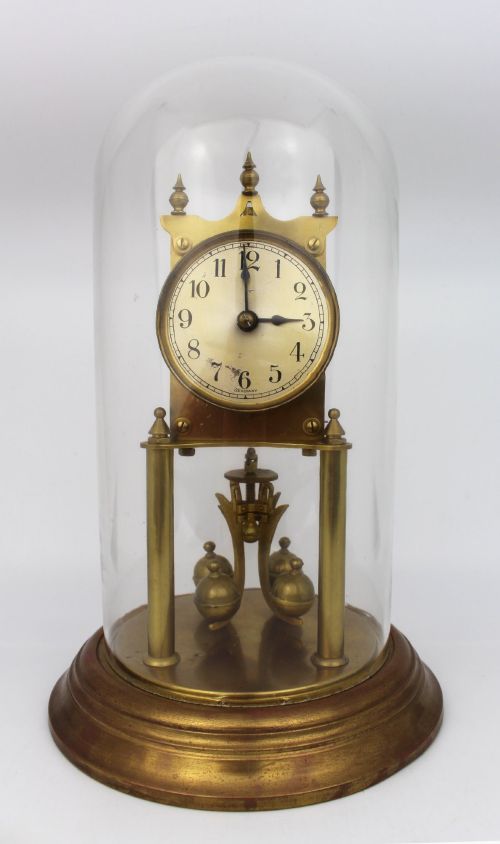
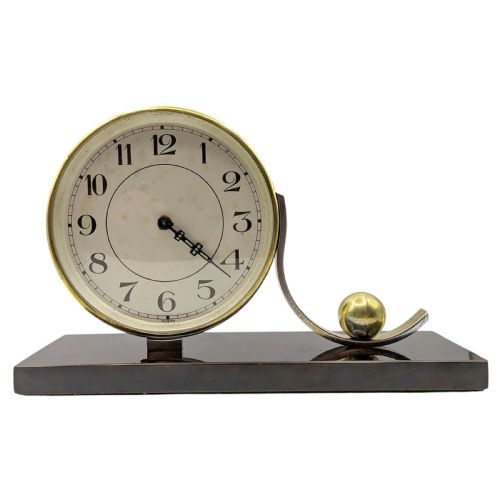
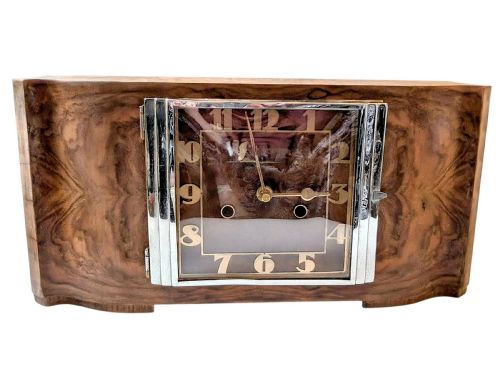
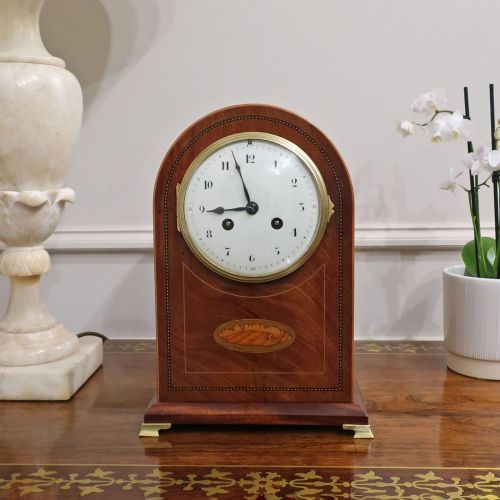
A vintage mechanical table clock spans forms such as heavy brass carriage clocks, architectural wood mantel clocks and streamlined desk pieces. The selection on this page draws heavily from Victorian, Edwardian and Art Deco periods, alongside French and German workshops.
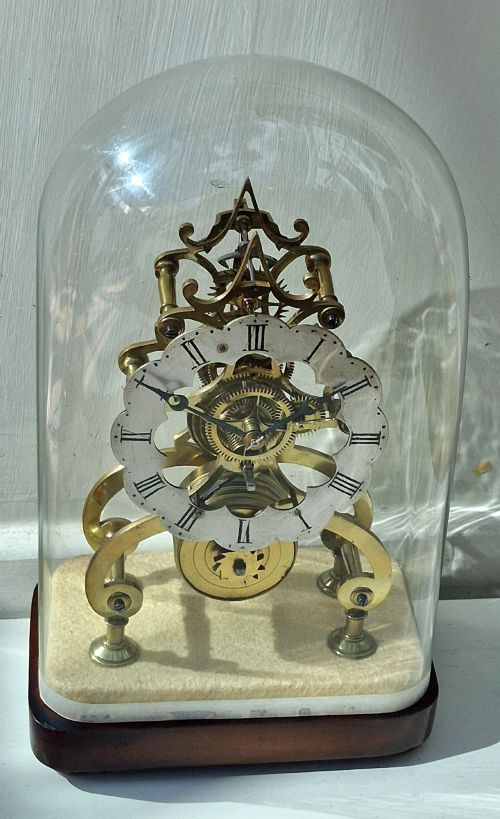
Buyers encounter everything from intricate skeleton movements under glass domes to robust walnut and mahogany bracket clocks. Enamel dials, polished chrome and bevelled glass frequently appear across these diverse tabletop formats.
How they were made
Metalworking and cabinetmaking form the core of these pieces, utilising brass for clock movements and decorative bezels, paired with mahogany, walnut, oak or painted metals for the cases. Glass protects delicate dials, while enamel provides a clean, legible surface for numerals.
Movements rely on traditional mechanical winding systems, including thirty-hour, eight-day and fourteen-day mechanisms, alongside striking and repeating complications. Cases showcase marquetry inlay, gilt engraving, bronze casting and polished chrome plating.
Vintage Mechanical Table Clock Retail Price Guide 2026
Typical asking prices for vintage mechanical table clock among the pieces listed under this phrase on Sellingantiques today, from the lower quarter to the upper quarter. They describe what is for sale here now, not the wider market.
Several carriage clocks are built to travel, though most prefer to stay put and loudly remind you every fifteen minutes.
What varies in quality
Distinction in these clocks rests upon the complexity of the movement and the integrity of the housing. Fully serviced mechanisms with repeating or chiming functions stand apart from simple timepieces.
Material selection and decorative execution dictate the upper tier, where substantial brass castings, finely figured burr walnut and intact enamel dials demonstrate superior craftsmanship.
Brockbanks And Atkins·Mappin And Webb·H A C·Jaz·Smiths Clockmakers·Mauthe·Richard Winter Of Chieveley·L Vick Of Stroud·Jaeger·Latshea And Sons Edinburgh
The Vintage Mechanical Table Clock Glossary
- Carriage clock
- A portable timepiece originally designed for travel, housed in a brass case with glass panels.
- Skeleton clock
- A timepiece with an open framework that exposes the gear trains and escapement.
- Bracket clock
- A portable table clock, traditionally placed on a matching wall bracket or shelf.
- Repeating movement
- A mechanism that chimes the hours and quarters upon pressing a button or lever.
- Bakelite
- An early synthetic phenol formaldehyde resin utilised for moulded Art Deco clock cases.
Vintage Mechanical Table Clock: Frequently Asked Questions
How do I wind a mechanical table clock?
Most movements require a key inserted into the winding arbors on the dial or back plate. Turn the key gently until resistance signals the mainspring is fully wound.
Take care not to overwind the mechanism, as this can strain the internal spring. Regular winding maintains steady tension for accurate timekeeping.
How should I care for a vintage clock?
Position the clock on a level, stable surface away from direct sunlight, dampness and rapid temperature fluctuations. Periodic professional servicing keeps the metal pivots and gears lubricated.
Avoid moving the clock while the pendulum or balance wheel is active. Secure the pendulum before transporting the piece to prevent damage.
What distinguishes an Art Deco desk clock?
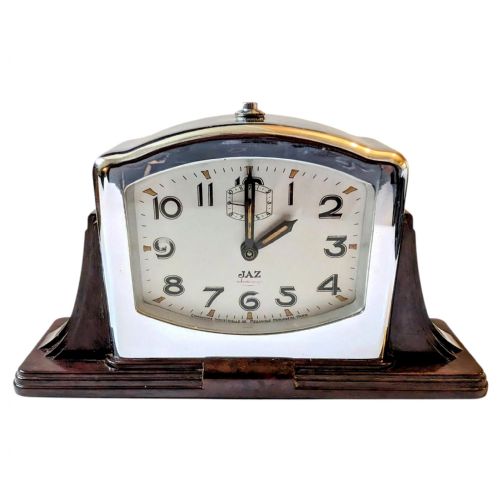
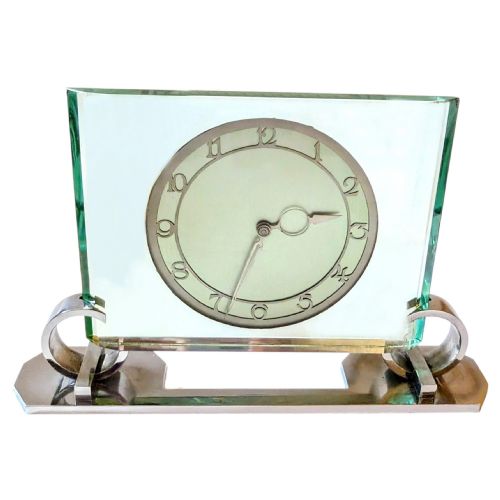
Art Deco desk clocks embrace geometric lines, symmetrical styling and modern industrial materials such as chrome, bakelite and bronze. These pieces often feature streamlined forms inspired by the machine age.
Unlike ornate Victorian designs, Art Deco examples favour minimalist numerals and stark colour contrasts. They reflect the aesthetic shift towards functional modernity in the interwar decades.