



Mappin and Webb Clock
These mappin and webb clock pieces bring solid period craftsmanship into a room, offering dependable timekeeping alongside traditional decorative appeal.
Understanding the mappin and webb clock selection
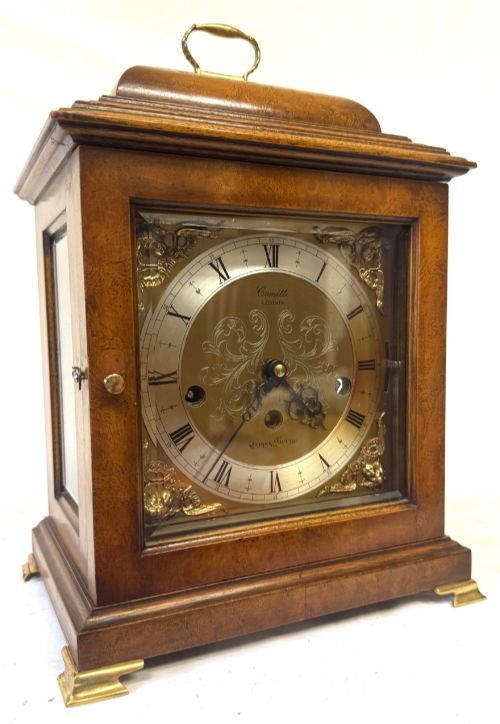
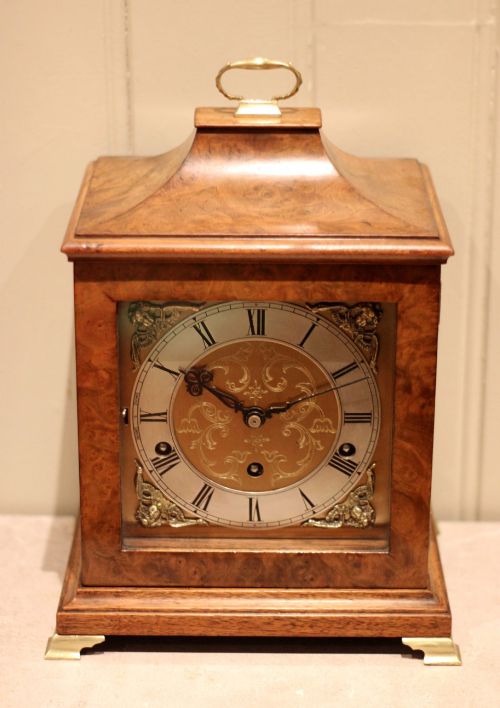
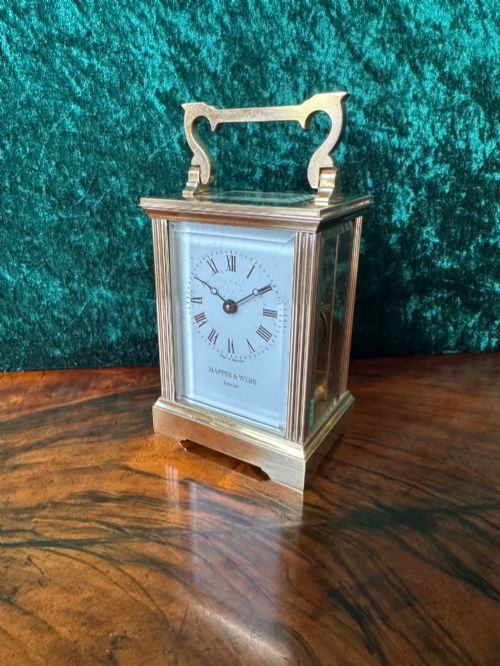
A mappin and webb clock encompasses a variety of traditional forms, from substantial mantel and bracket clocks to portable carriage and travel designs. Buyers looking at this selection will encounter pieces spanning the Victorian era through the Edwardian period and into the early twentieth century.
The most common versions met on this page include brass carriage clocks and wooden bracket or table clocks. These objects reflect established British and continental manufacturing standards from periods including nineteen ten and nineteen twenty.
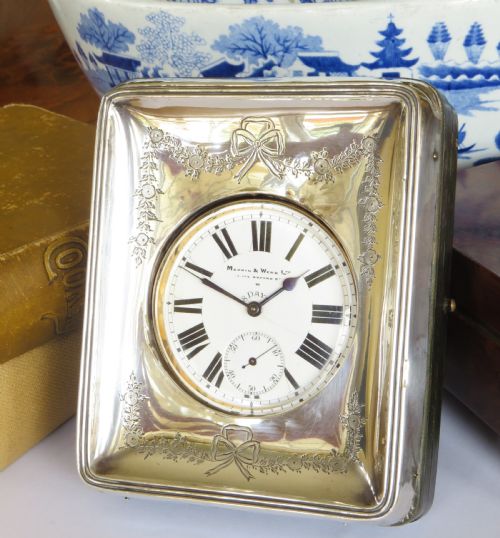
Object types cover standard mantel clocks, table clocks, and tall grandmother clocks, alongside specialist items like silver folding clocks and pocket travel clocks. Styles range across George II style, seventeenth century revival, and Art Deco, showing the breadth of production associated with the maker.
Materials and construction methods
Makers utilised durable base metals and timber frames, employing brass, gilt brass, and solid woods such as mahogany and walnut. Many wooden cases feature decorative burr walnut veneer surfaces that highlight the grain.
Details often incorporate glass viewing panels, enamel dials, and silver components. Mechanical movements drive these items, including twin fusee systems, eight-day movements, and Westminster chime mechanisms.
Retail Price Guide 2026
Typical UK retail prices for mappin and webb clock, calculated from the Sellingantiques database of over a million retail prices indexed since 2003. This retail price guide relies exclusively on Sellingantiques data; no external sources or auction records are used, so the figures do not describe the wider market.
Seen styles range from Victorian and Edwardian to George II style, seventeenth century revival, and Art Deco.
Distinguishing quality across the range
Quality differences lie in the complexity of the movement and the richness of the casework materials. Examples featuring twin fusee movements or intricate chime mechanisms stand apart from simpler timepieces.
Casework finishing also dictates standing, with selected burr walnut veneers and heavy cast brass housings representing finer production standards than standard timber or plain brass equivalents.
The Mappin and Webb Clock Glossary
- Bracket clock
- A portable table clock originally designed to sit on a bracket. These pieces often feature substantial wooden cases and complex striking or chiming movements.
- Carriage clock
- A small, spring-driven clock designed for travelling during the nineteenth and early twentieth centuries. They typically feature brass frames with glass panels that expose the escapement.
- Twin fusee
- A mechanical movement using conical pulleys and chains to equalise the force of the mainspring as it unwinds. This system helps maintain consistent timekeeping accuracy.
- Repeater
- A mechanism that chimes the hours and quarters on demand when a lever or button is pressed. This complication allowed users to check the time in the dark.
- Burr walnut veneer
- Thin slices of decorative wood taken from walnut tree growths, applied to a primary timber base. The intricate grain patterns add visual depth to clock cases.
Frequently Asked Questions
What periods do these clocks come from?
The pieces span the Victorian era, the Edwardian period, and the early twentieth century including nineteen ten and nineteen twenty. Styles incorporate traditional revivals alongside Art Deco influences.
Production methods reflect the prevailing standards of each decade, utilising brass, silver, and various wood veneers.
How do carriage clocks differ from bracket clocks?
Carriage clocks are typically compact brass and glass timepieces originally built for travel, featuring swing handles and visible escapements. Bracket clocks are larger wooden desk or mantel pieces designed for stationary placement.
Both forms utilise mechanical movements, though bracket clocks frequently incorporate complex chimes or twin fusee systems.
How do I wind an eight day clock?
Eight day clocks require a key to tension the mainsprings via winding arbours on the dial face or behind a back door. Care must be taken not to over-wind the mechanism.
Consulting specific movement details helps ensure the correct winding direction and frequency for each individual timepiece.