
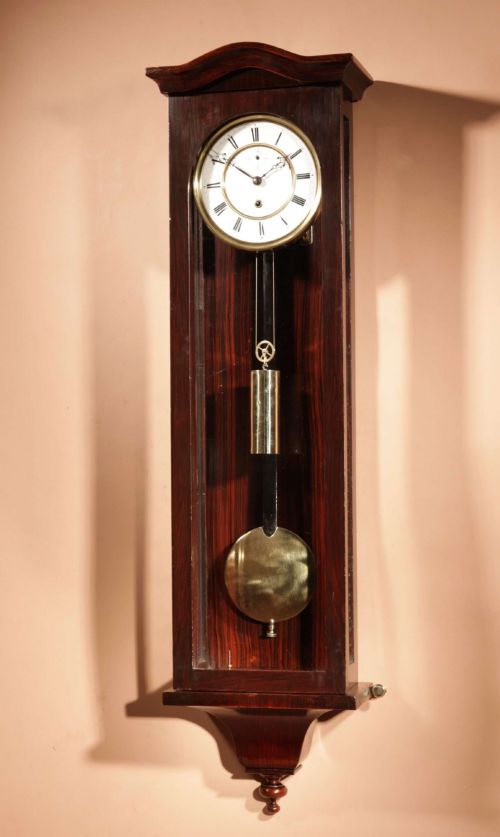
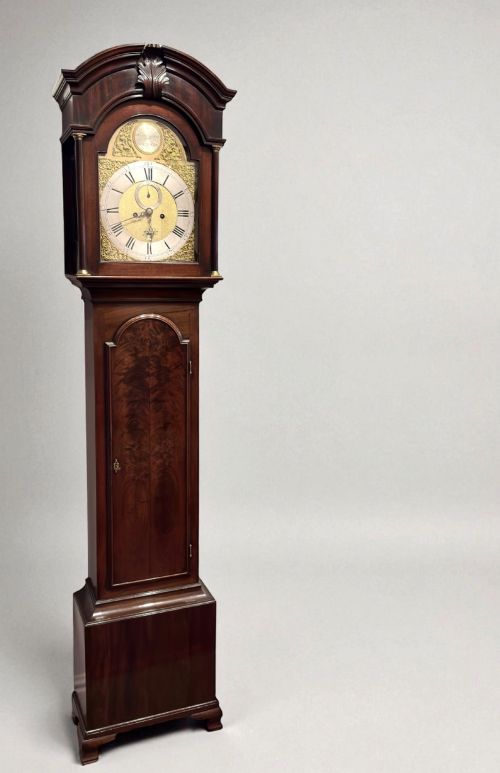
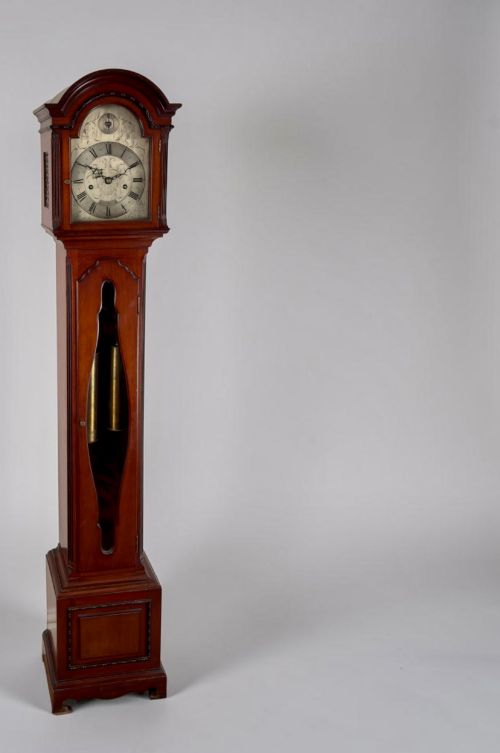
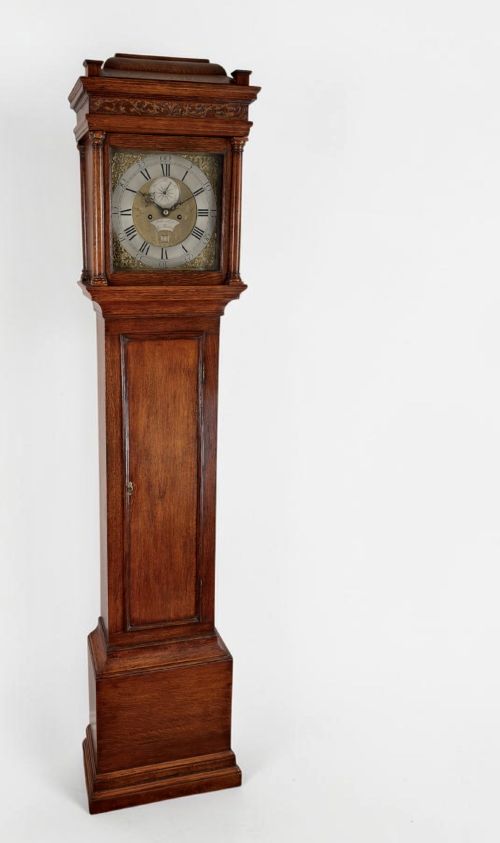
Vintage Brass Dial Clock
A vintage brass dial clock brings a rich mechanical pulse and warm metal reflection to a room, offering enduring craftsmanship from past centuries.
What vintage brass dial clock pieces are
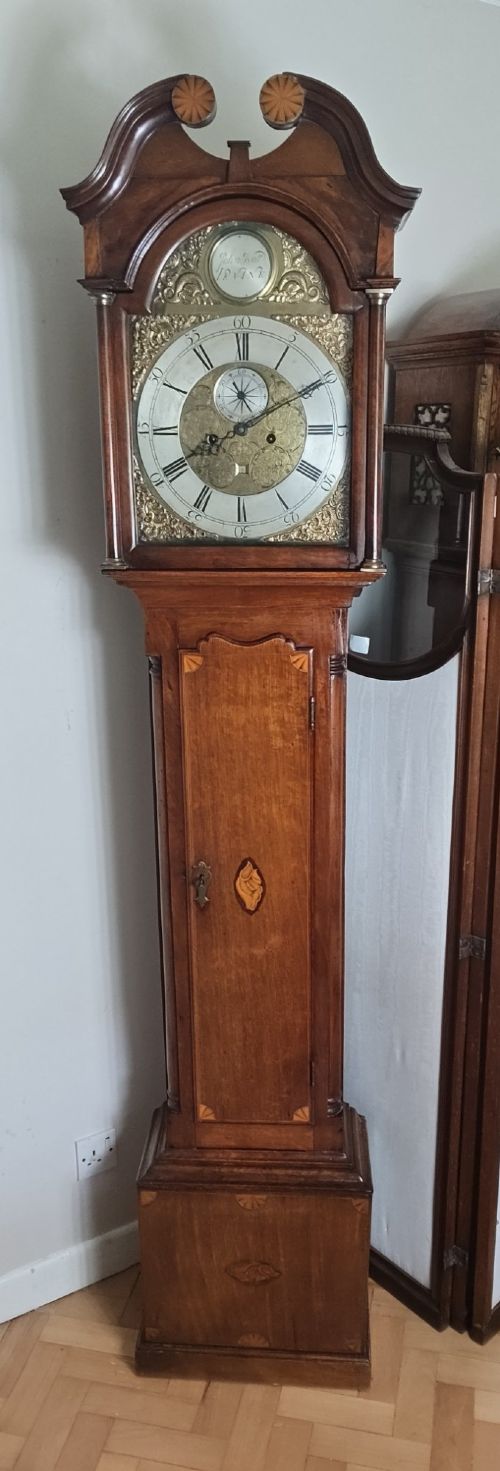
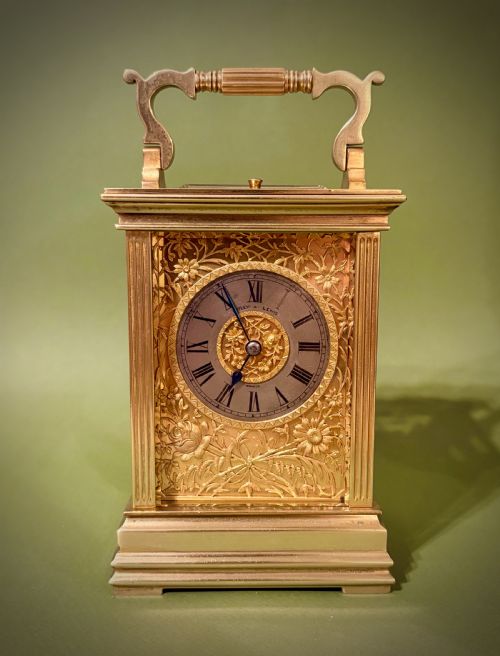
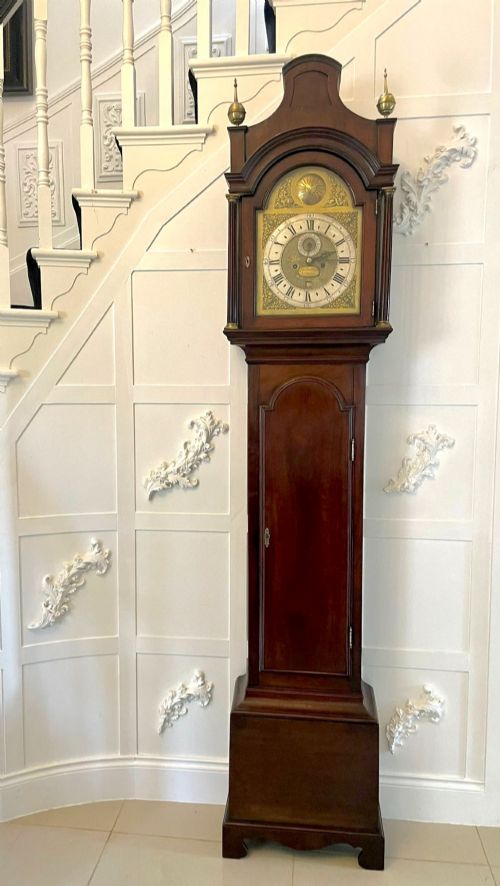
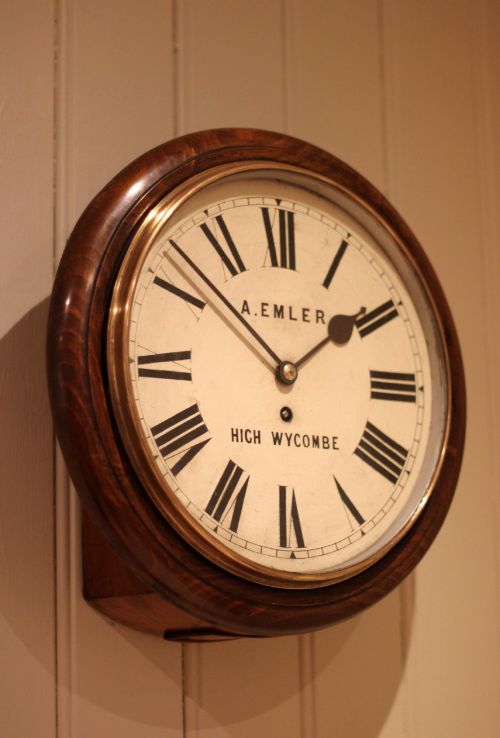
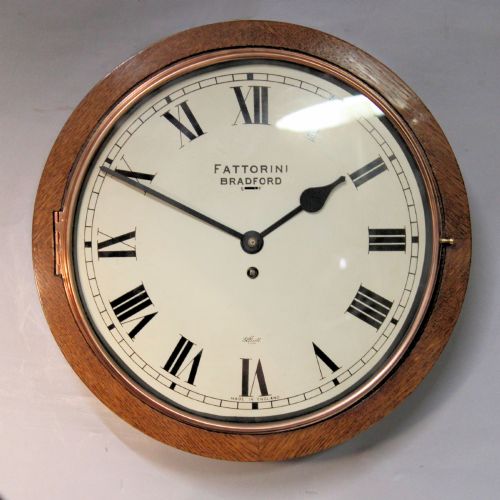
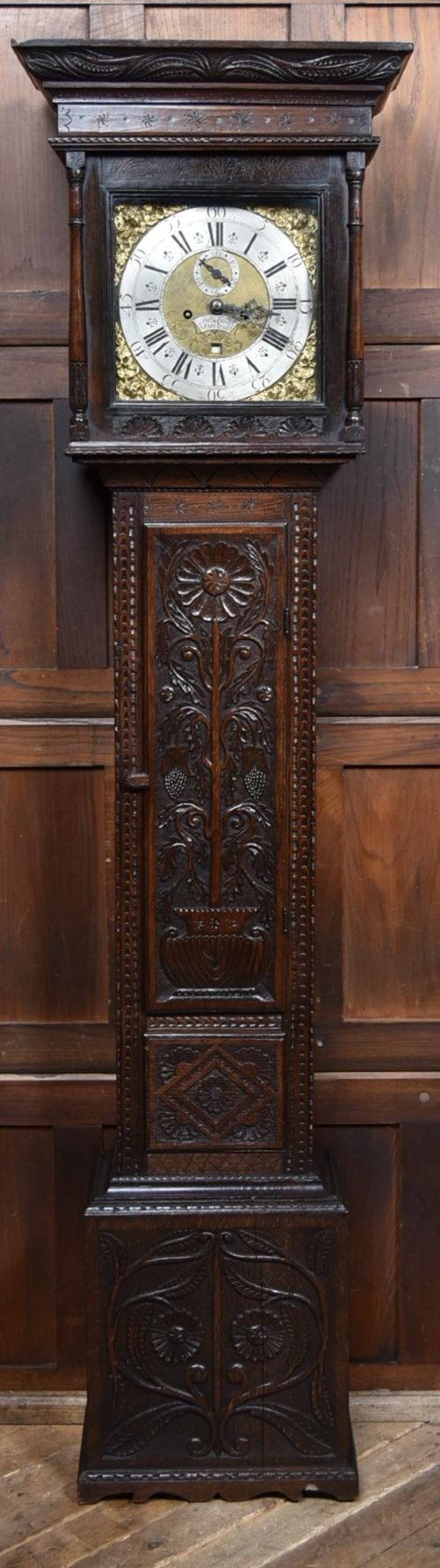
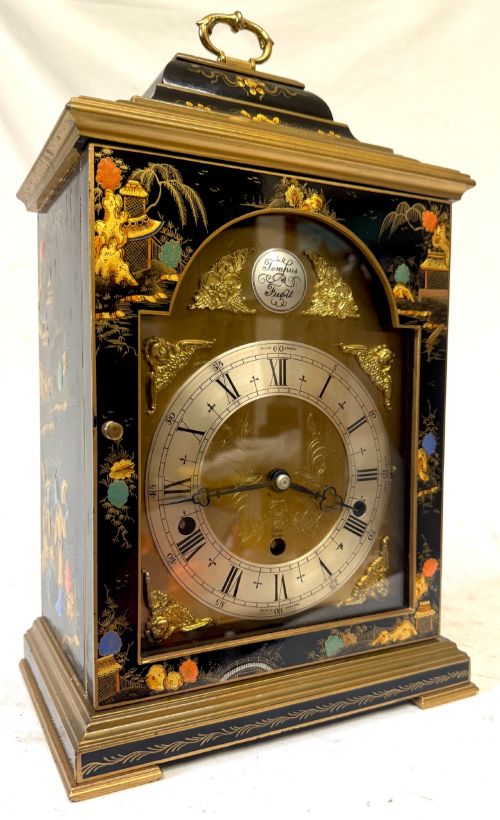
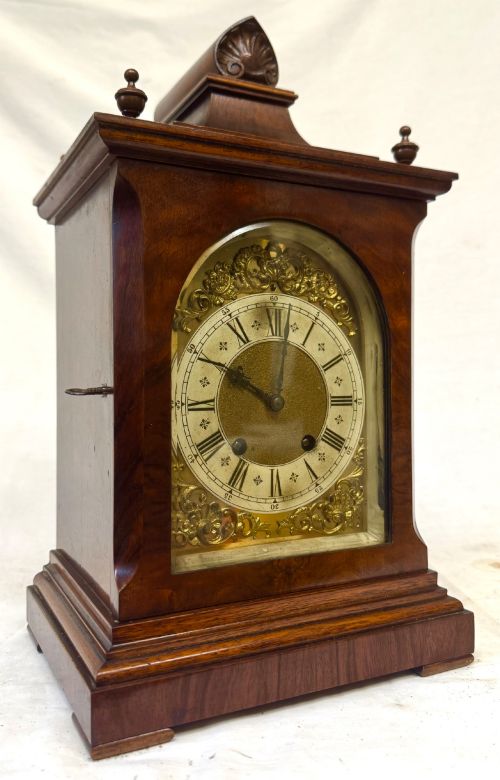
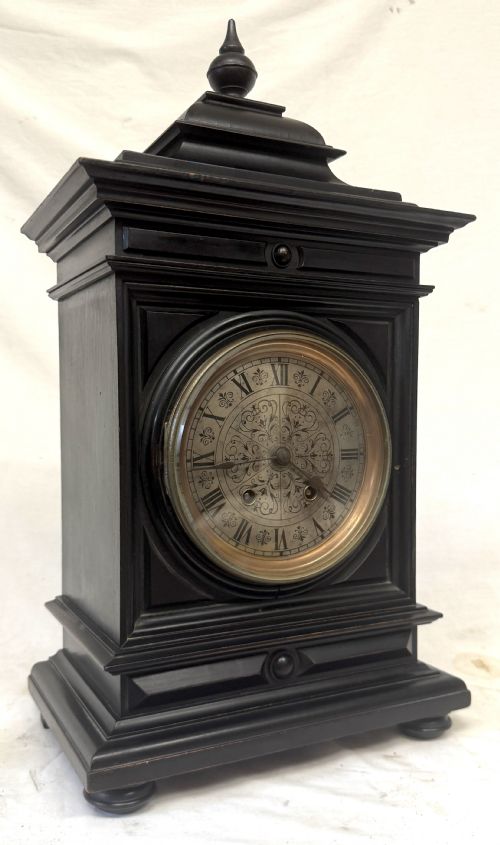
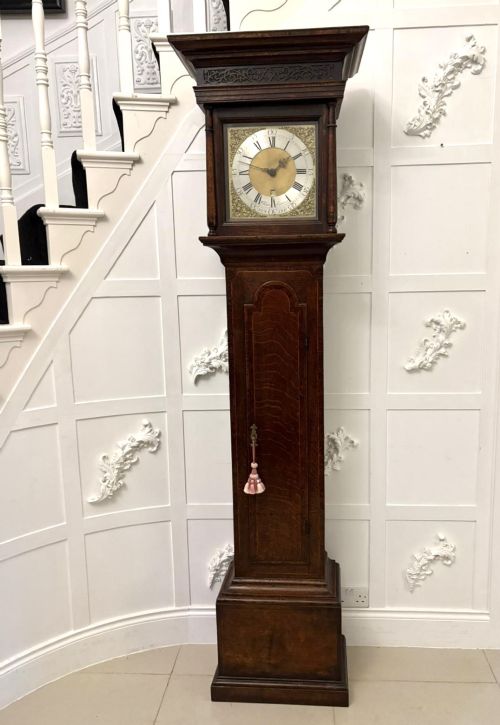
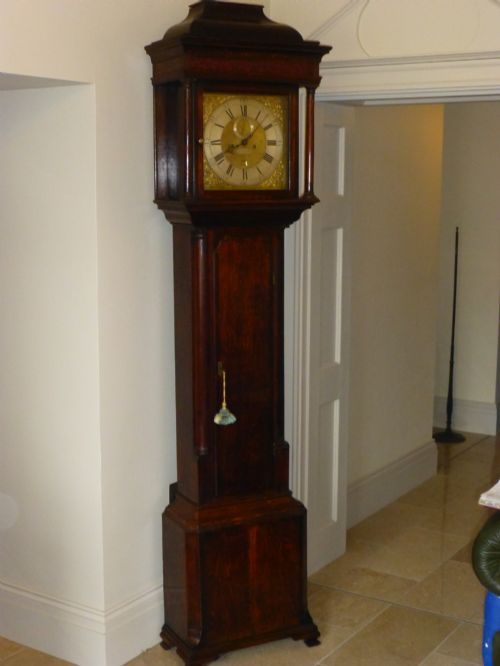
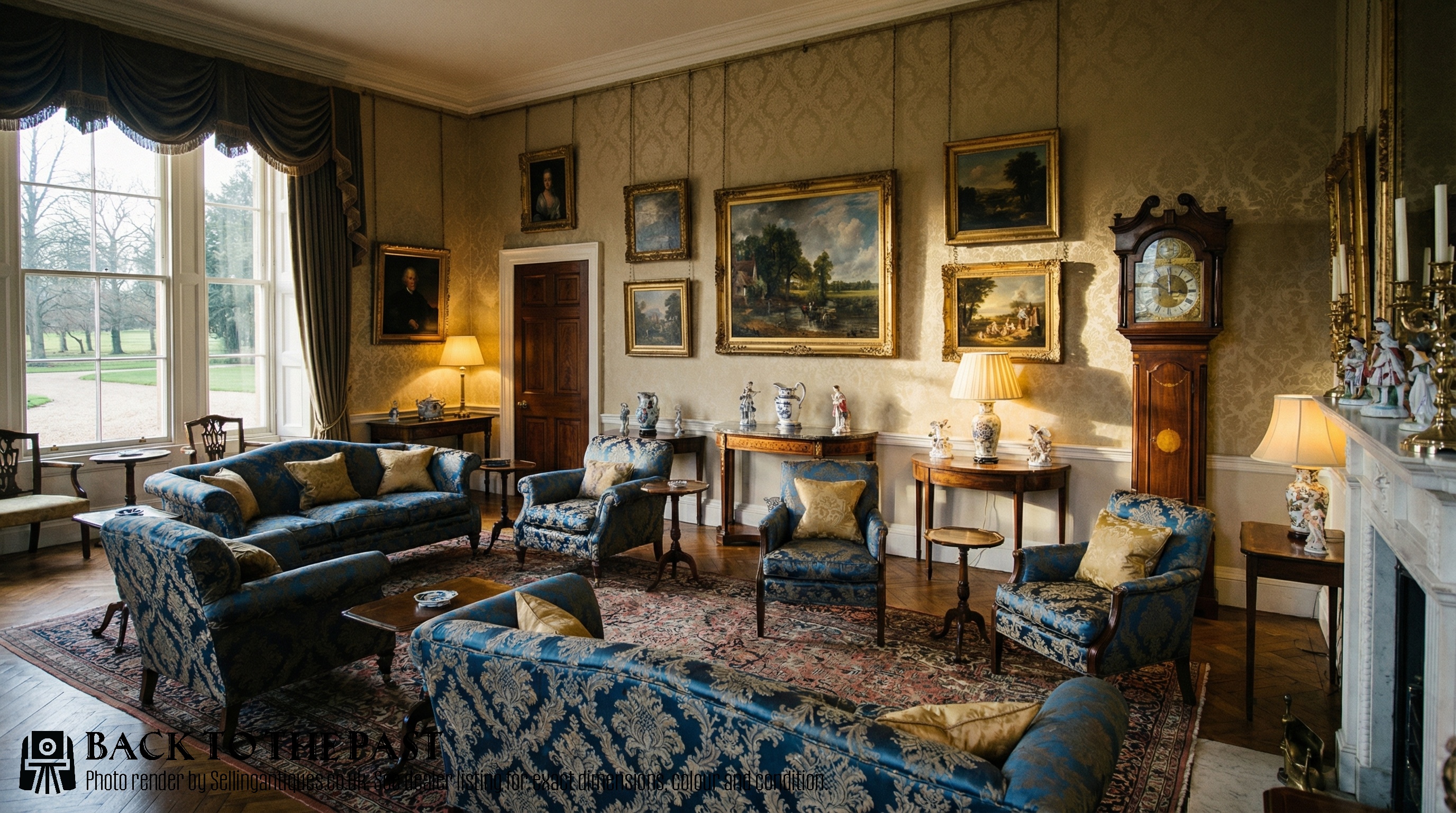
When you search for a vintage brass dial clock, you find timepieces spanning the eighteenth century through the Edwardian era. These objects take the form of grand longcase clocks, compact mantel clocks, miniature bracket designs, and slender grandmother clocks.
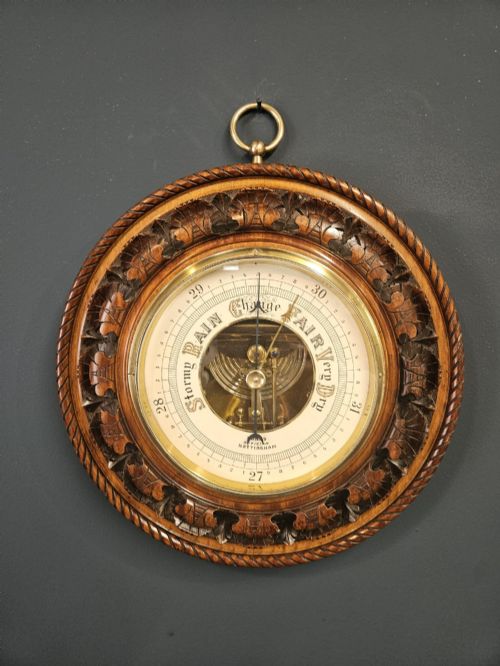
The pieces represented on this page lean heavily toward Edwardian examples alongside eighteenth-century works. Materials combine brass with rich woods such as mahogany, oak, walnut, and satinwood inlay beneath protective glass faces.
How they were made
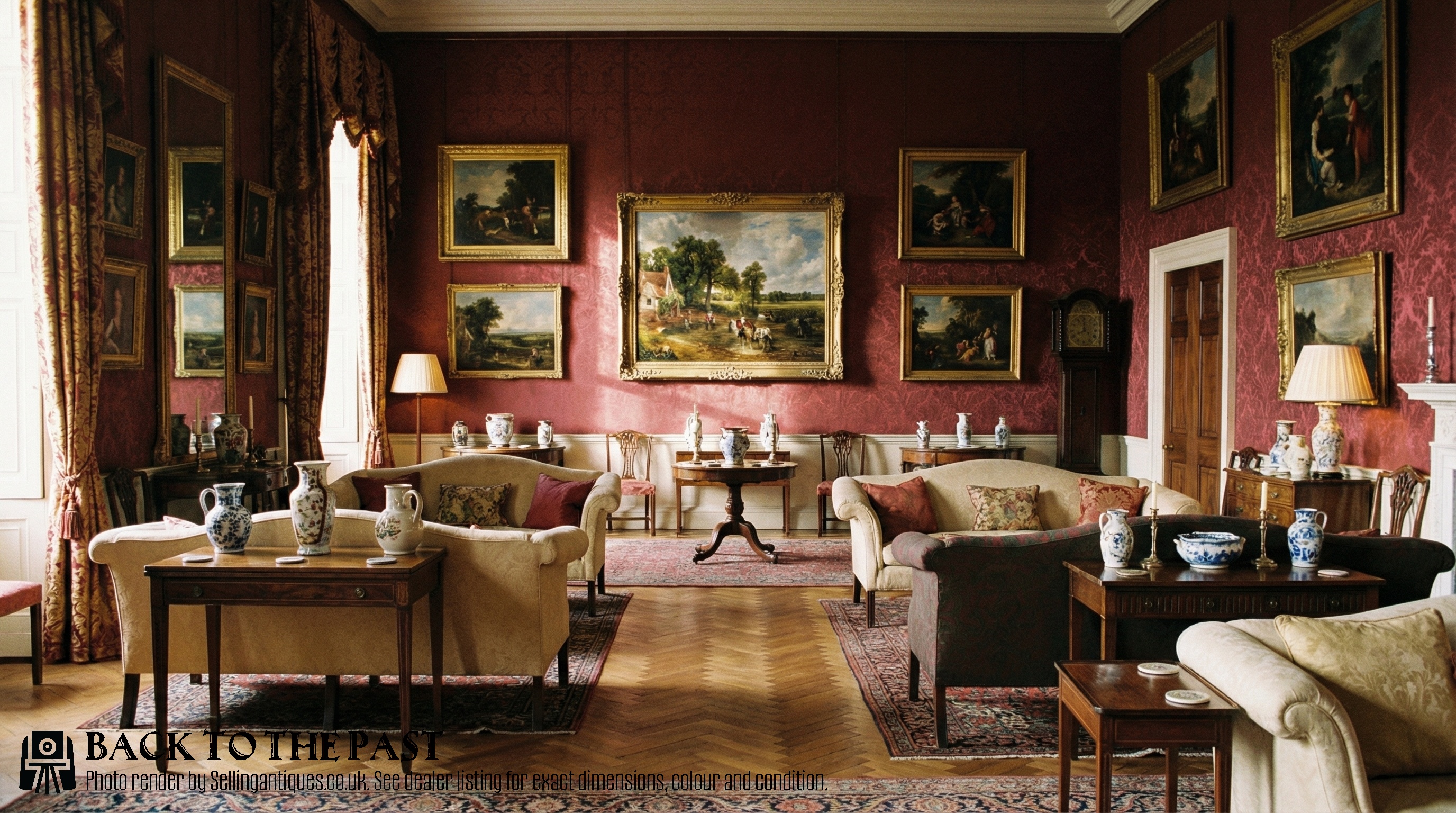
Cabinetmakers constructed the wooden housings using timbers like mahogany, oak, and walnut, often embellishing the surfaces with satinwood inlay and marquetry. Steel components formed the internal movements, paired with brass dials that provided both function and decorative polish.
Makers housed these intricate mechanical systems within tall longcase bodies, compact balloon shapes, or miniature bracket frames. Protective glass panels enclosed the brass dials, safeguarding the delicate hands and numerals from dust.
Retail Price Guide 2026
Typical UK retail prices for vintage brass dial clock, calculated from the Sellingantiques database of over a million retail prices indexed since 2003. This retail price guide relies exclusively on Sellingantiques data; no external sources or auction records are used, so the figures do not describe the wider market.
Current listings feature pieces spanning the eighteenth century through to Edwardian times, utilising oak, mahogany, walnut, and satinwood inlay.
What varies in quality
The distinction between standard examples and superior pieces rests in the complexity of the internal movement and the precision of the woodwork. Eight-day striking mechanisms, chiming functions, and musical capabilities elevate a timepiece significantly above basic timekeepers.
Cabinet work also defines the grade of a piece, where finely executed marquetry and delicate satinwood inlay distinguish finer examples from plain timber cases. The crispness of the brass dial engraving and the proportion of the case complete the assessment.
Mappin & Webb
The Vintage Brass Dial Clock Glossary
- Grandmother clock
- A slender, reduced-scale version of a traditional longcase clock, typically standing shorter than a standard grandfather clock. These pieces gained popularity during the Edwardian period.
- Bracket clock
- A portable table or shelf clock, historically designed to sit upon a wall bracket. Miniature versions often feature sophisticated eight-day striking movements.
- Balloon clock
- A mantel clock housed in a case shaped like the silhouette of a hot air balloon. This rounded Edwardian style frequently incorporates inlaid wood details.
- Marquetry
- The art of applying decorative pieces of veneer to a structure to form intricate pictorial designs. Craftsmen utilised various exotic timbers to create contrasting patterns on clock cases.
- Striking movement
- A mechanical system within a clock that sounds the hours or quarters on a bell or gong. Eight-day variants require winding approximately once a week.
Frequently Asked Questions
What is a grandmother clock?
A grandmother clock is a slim, smaller relative of the traditional tall longcase clock. These scaled-down timepieces fit comfortably into rooms with lower ceilings while retaining traditional mechanical movements.
Most examples seen here date from the Edwardian era, combining tall wooden cases with polished brass dials and chiming mechanisms.
How do I wind an eight day clock?
An eight-day clock requires winding approximately once a week using a matching key inserted into holes on the brass dial. This tensions the internal springs or lifts the weights that power the movement.
Care must be taken not to overwind the mechanism, ensuring the clock maintains accurate time throughout its weekly cycle.
How do I date a wooden clock case?
Dating a clock case involves examining the timber species, construction methods, and decorative styles like satinwood inlay or marquetry. Eighteenth-century pieces typically show different cabinet proportions compared to Edwardian revivals.
The style of the brass dial and the complexity of the movement also offer clear clues to the period of manufacture.
Where should I place a mantel clock?
A mantel clock suits a stable, level surface away from direct sunlight, draughts, and dampness. Wooden cases respond to consistent indoor temperatures, which help preserve the finish and internal mechanics.
Compact balloon clocks and miniature bracket clocks sit easily on shelves, sideboards, or mantelpieces without requiring wall fixings.