



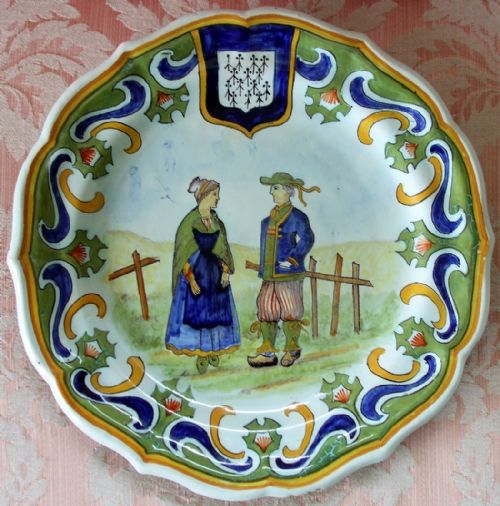
Blue White Pottery Plates
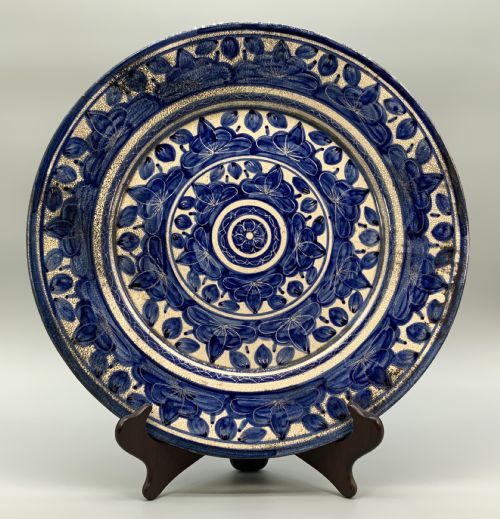
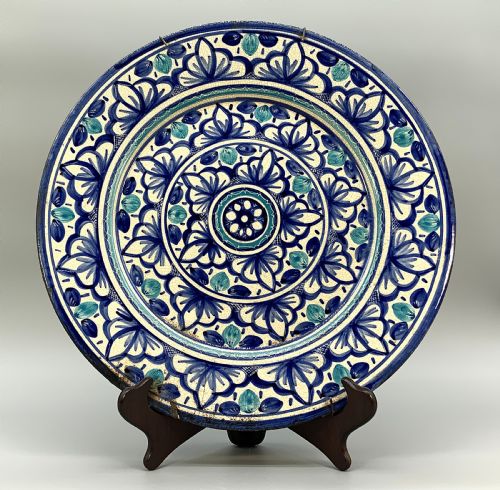
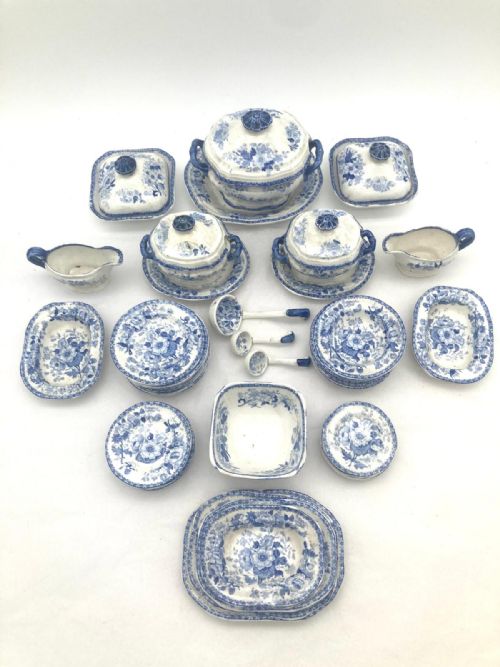
Blue white pottery plates encompass centuries of earthenware, pearlware and delft chargers, serving platters and dishes decorated with cobalt pigment.
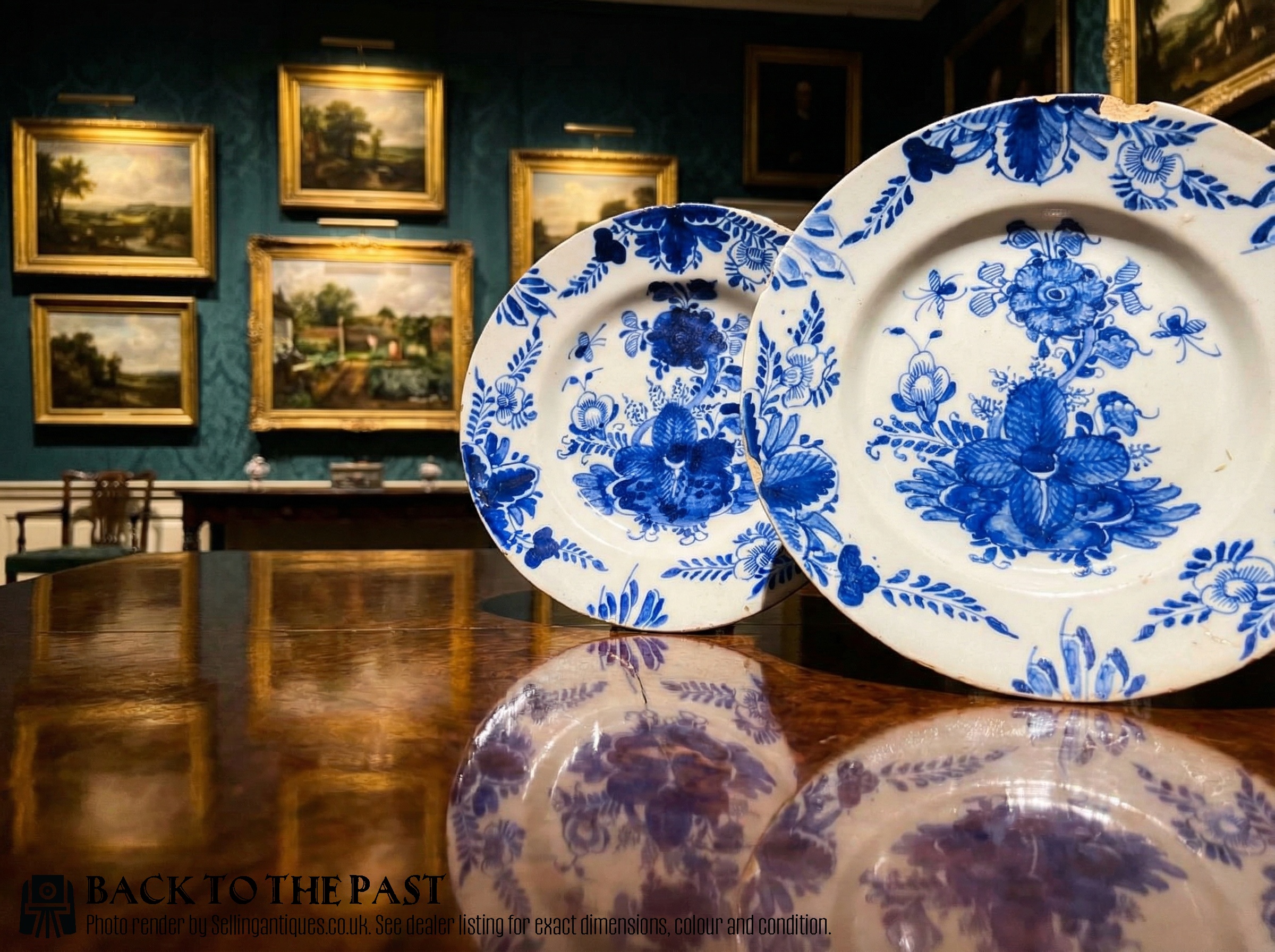
Blue White Pottery Plates
When searching for blue white pottery plates, a buyer encounters centuries of domestic and display ceramics created across Britain, Europe and beyond. The selection spans utilitarian kitchen wares to grand decorative chargers meant for wall display or formal dining.
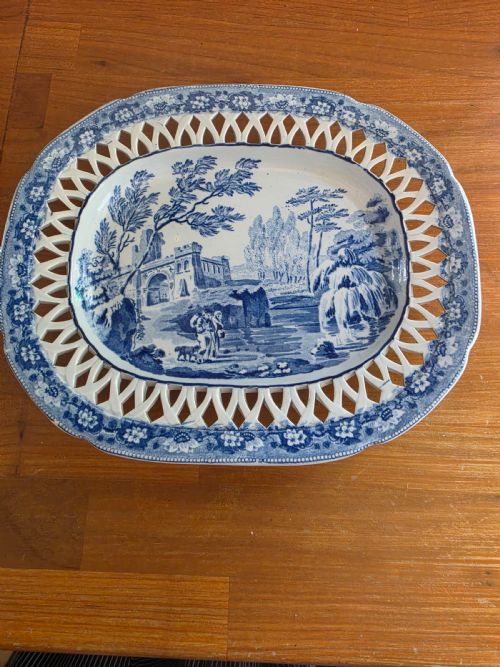
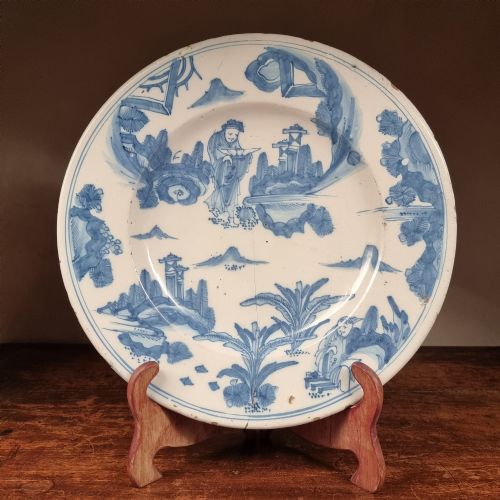
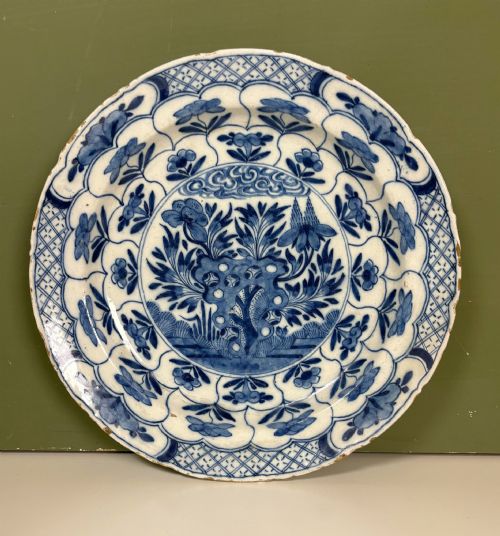
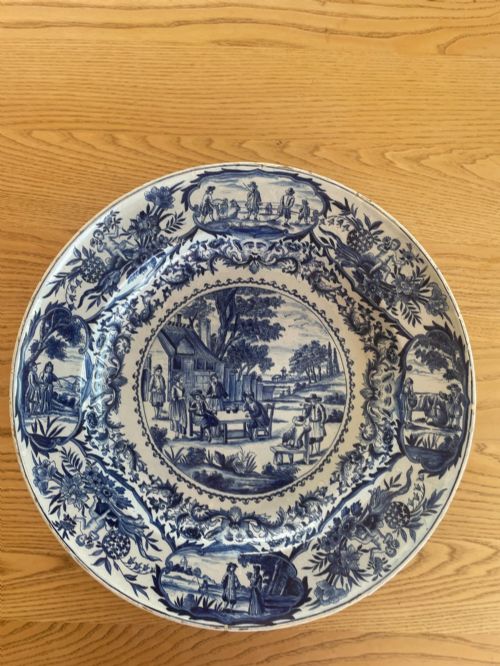
Early examples frequently originate from seventeenth and eighteenth-century delftware potteries in England and the Netherlands, displaying tin-glaze surfaces painted by hand. Transfer-printed earthenware dominates the nineteenth century, produced in large quantities by English factories.
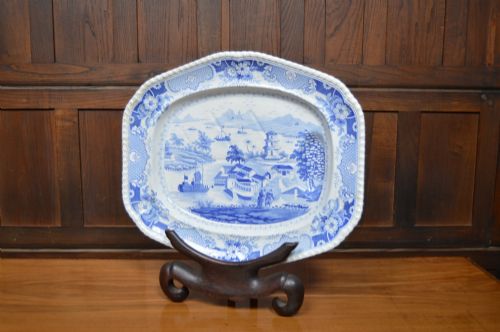
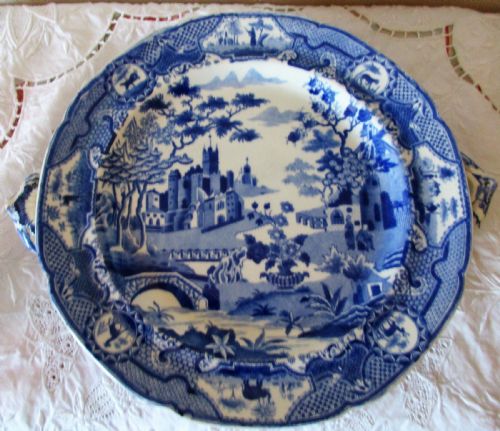
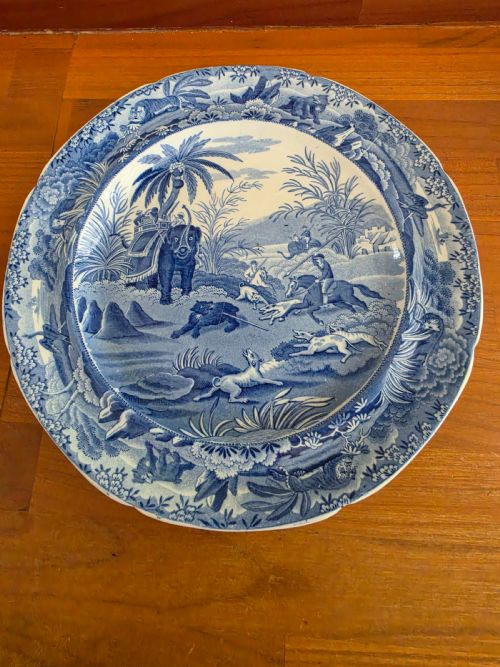
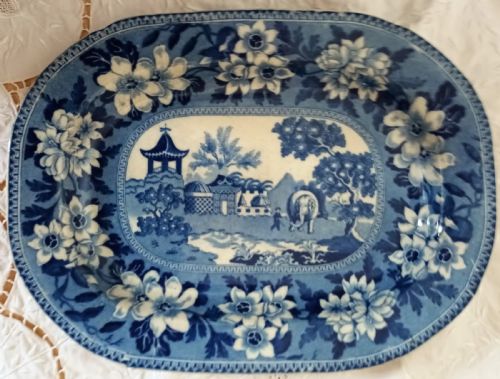
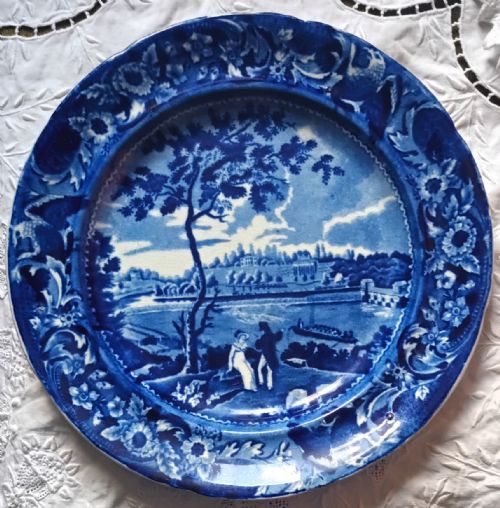
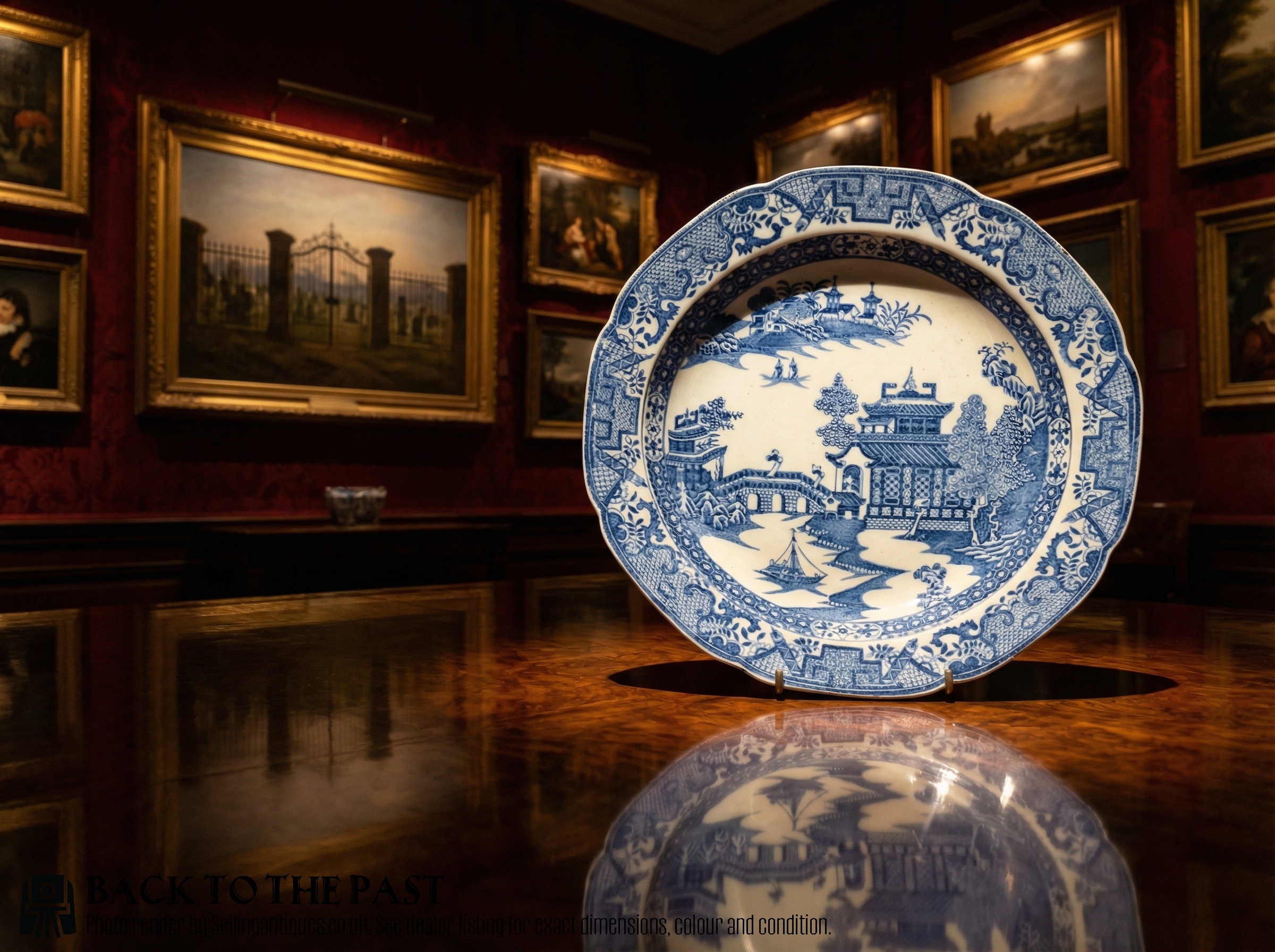
The forms range from shallow dinner plates and meat dishes to enormous charger plates and serving platters. Many items carry specific topographical scenes, oriental landscapes or heraldic motifs rendered in shades of blue.
Materials and methods of production
Potters shaped earthenware, pearlware or stoneware bodies before applying a white tin or lead glaze to the surface. Cobalt pigment or cobalt oxide was then applied either by hand-painting directly onto the raw glaze or through transfer-printing from a copper plate.
Transfer-printing revolutionised production during the Georgian and Victorian eras, allowing intricate patterns such as historical scenes and Chinoiserie landscapes to be transferred onto the ceramic body with precision. Firing took place in high-temperature kilns, setting the blue pigment permanently beneath or within the glossy finish.
Listings feature earthenware, pearlware, and stoneware bodies decorated with cobalt pigment under tin and lead glazes.
Distinctions in quality and execution
The refinement of the ceramic body and the clarity of the cobalt transfer or hand-painting dictate the tier of a piece. Earlier delftware exhibits organic variation in the tin glaze and brushwork, while transfer-printed plates rely on the crispness of the engraved line and the depth of the blue tone.
Condition, uniformity of glaze, and the complexity of the pattern separate standard utility wares from exhibition-quality chargers. Pieces bearing identifiable factory marks or recorded named patterns command greater interest from collectors.
Davenport·Spode·Minton·John Rogers and Son·Stubbs·John Ridgway·Carlton Ware
The Blue White Pottery Plates Glossary
- Tin-Glazed Earthenware
- Earthenware coated with an opaque white tin glaze that provides a smooth ground for painting. This technique underpins traditional delftware and faience production.
- Transferware
- Pottery decorated by transferring a printed design from an engraved copper plate onto the ceramic surface using tissue paper and cobalt pigment. This method enabled mass production of detailed pictorial scenes in the nineteenth century.
- Pearlware
- A refined earthenware developed in the late eighteenth century featuring a subtle bluish glaze that pooled in crevices to mimic Chinese porcelain. It served as a popular canvas for blue and white domestic wares.
- Charger
- A large decorative plate primarily intended for display on a wall or sideboard rather than daily dining use. These pieces often measure significantly wider than standard dinner plates.
Blue White Pottery Plates: Frequently Asked Questions
How do I date an old blue and white plate?
Dating relies on examining the ceramic body, glaze characteristics, and the style of the blue decoration. Earthenware bodies changed from porous seventeenth-century delft fabrics to refined pearlware and heavy Victorian ironstone.
Maker marks, registration diamonds, and named transfer patterns printed on the reverse also provide precise manufacturing years or decades.
Were these plates used for dining or display?
Many smaller dishes and plates served practical roles at the dining table for meat, fish, or side courses. Larger chargers and platters were frequently hung on walls or stood on sideboards for decorative impact.
Heavier meat plates and hot-water plates were specifically designed to keep food warm during lengthy Victorian meals.
Can antique blue and white plates be used daily?
While sturdy enough for historical use, older ceramic wares require careful handling to preserve their glazes and prevent staining. Utilitarian Victorian ironstone plates tolerate gentle hand washing, whereas porous eighteenth-century delftware is best reserved for display.
Sudden temperature changes and modern dishwashers will damage fragile historic glazes.