


Vintage Delft Ceramics
These vintage delft ceramics comprise tin-glazed earthenware objects spanning several centuries, offering collectors hand-painted blue and white vessels, chargers, and figures.
Vintage Delft Ceramics
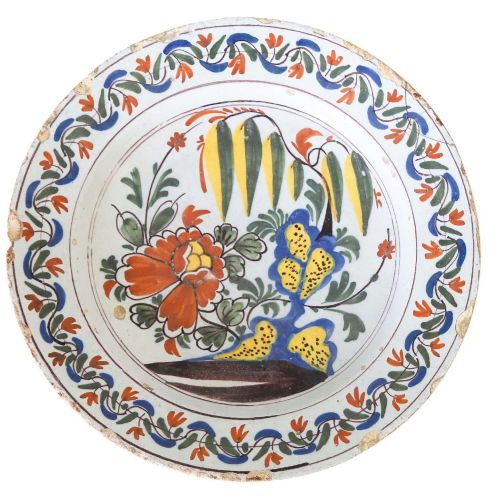
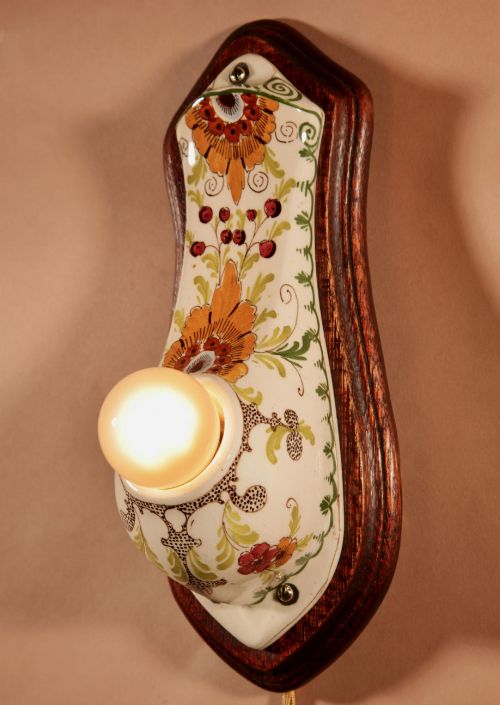
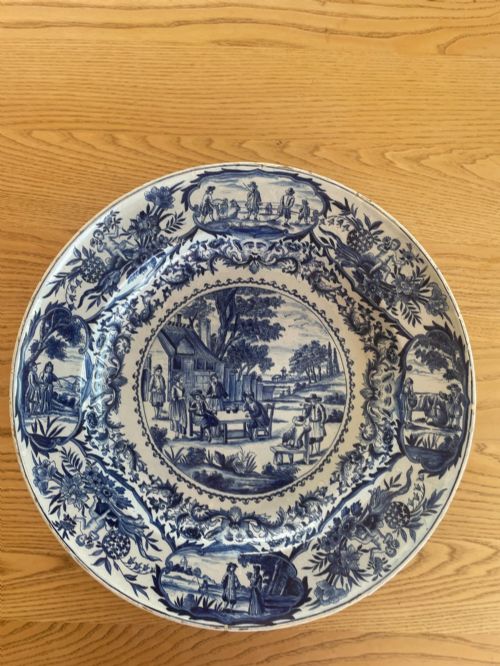
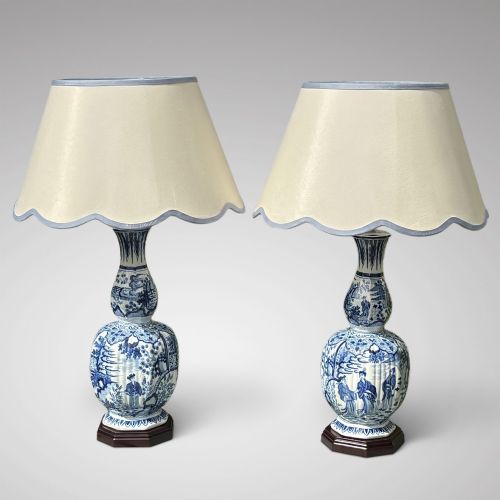
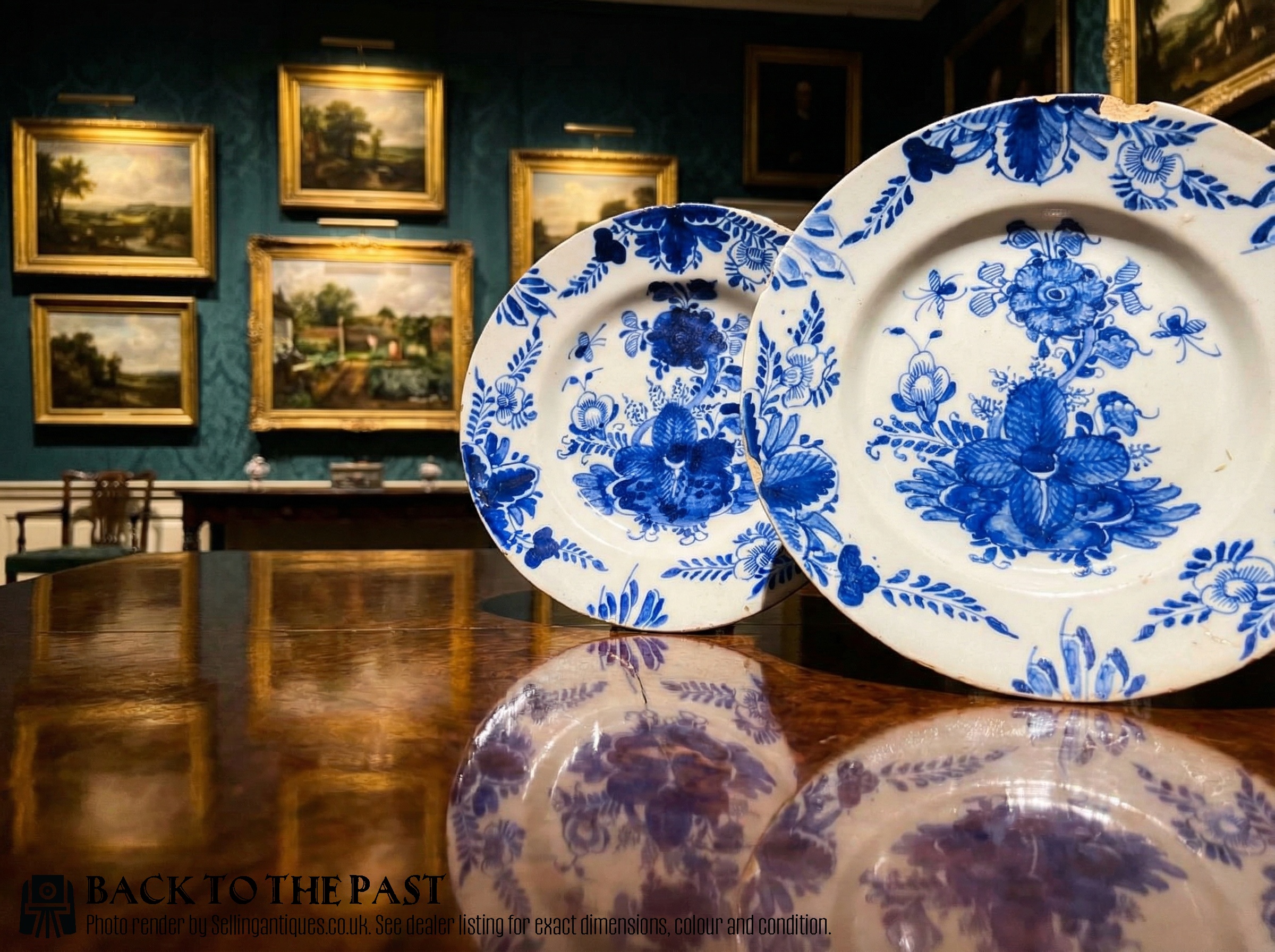
Vintage delft ceramics encompass tin-glazed earthenware objects ranging from seventeenth-century chargers and snuff boxes to nineteenth-century vases, apothecary jars, and table lamps. These pieces represent centuries of ceramic traditions originating primarily in the Netherlands, alongside related European faience from England, France, Germany, and Italy.
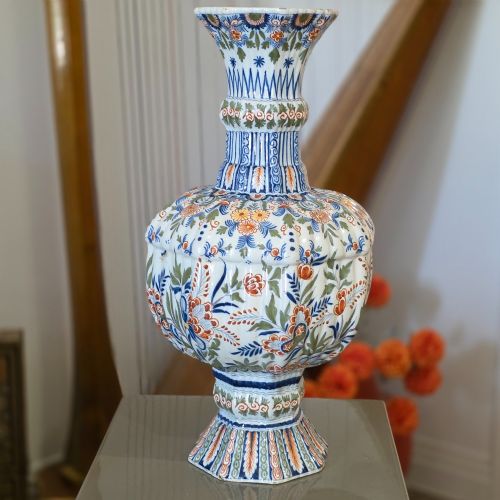
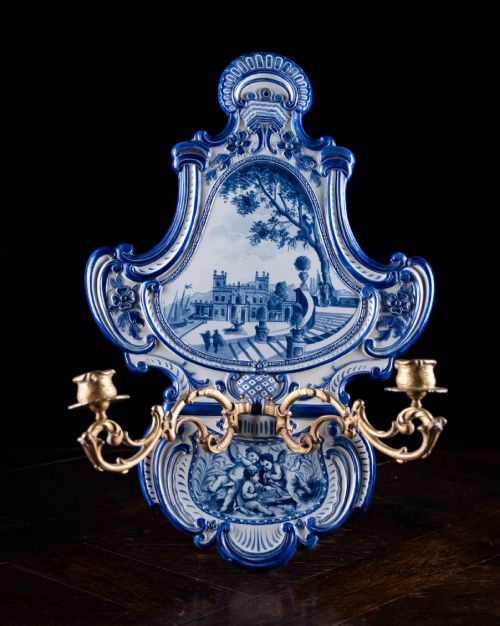
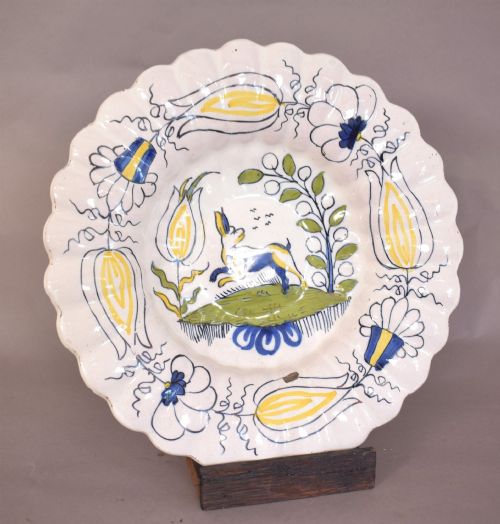
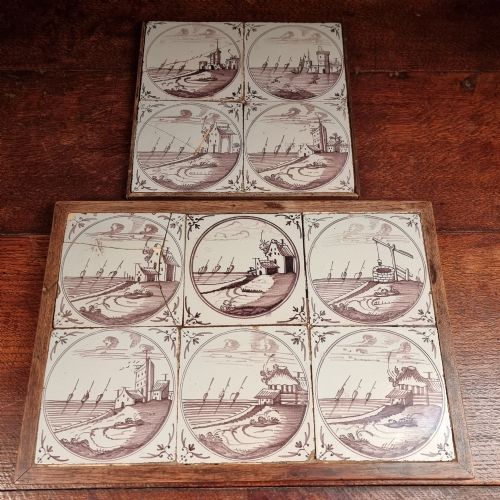
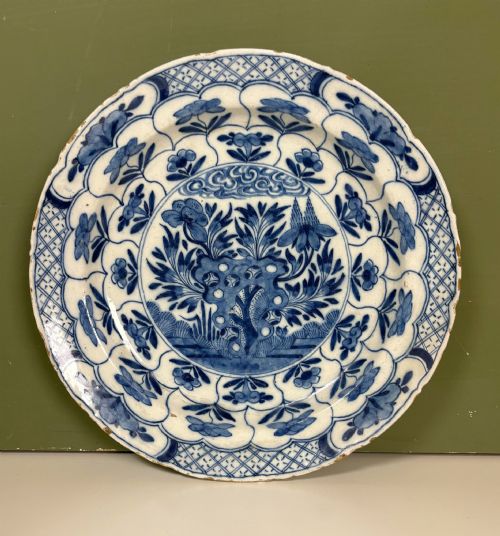
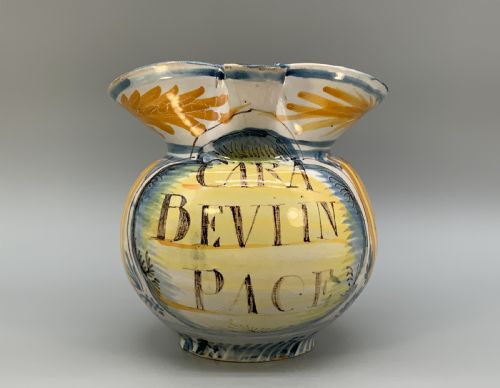
The selection on this page leans heavily toward eighteenth-century blue and white chargers and vases, alongside nineteenth-century table lamps and decorative pottery figures. Buyers encounter various functional and ornamental forms, including tobacco jars, inkstands, wall sconces, and manganese tiles.
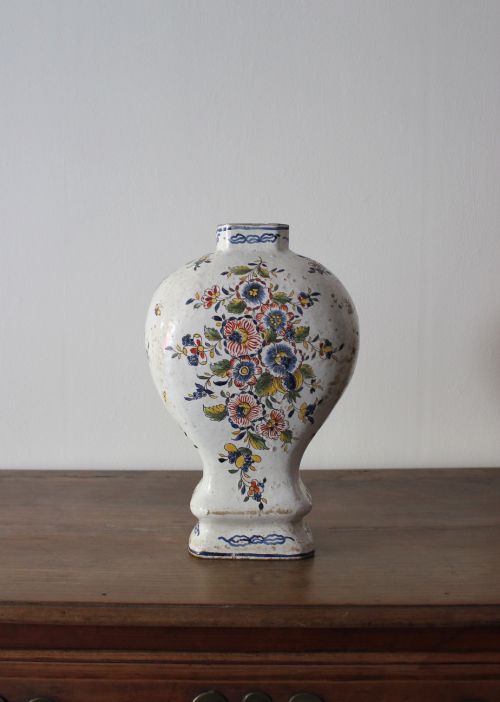
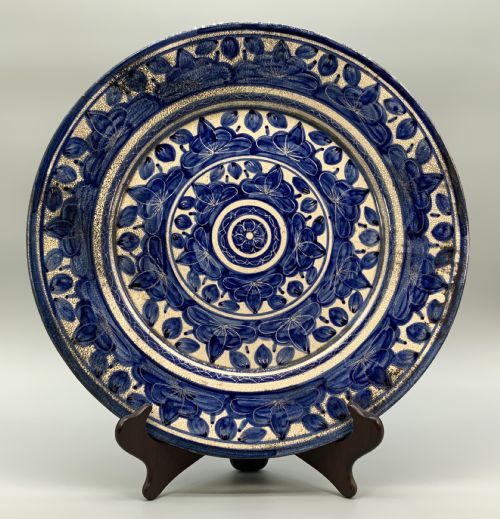
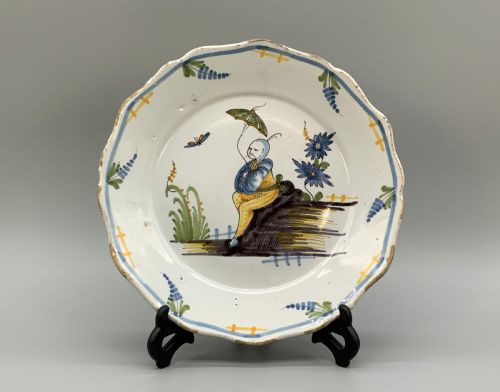
Moorish, Chinoiserie, and Rococo stylistic influences appear across the centuries, reflecting broad international tastes applied to traditional tin-glazed earthenware bodies. Objects vary from simple domestic utility pieces to large, highly ornate cabinet display items.
Materials and Making
Makers formed these pieces from ceramic earthenware, coating the fired clay body in a tin glaze that provided an opaque, whitish surface suitable for painting. Artisans then applied pigments directly onto the absorbent unfired glaze before the final kiln firing.
Cobalt pigment and cobalt oxide provided the characteristic deep blue decoration seen on most pieces, while manganese and yellow pigments added polychrome depth to specific eighteenth and nineteenth-century examples. Metal mounts in brass or ormolu occasionally completed complex items such as wall sconces and lamps.
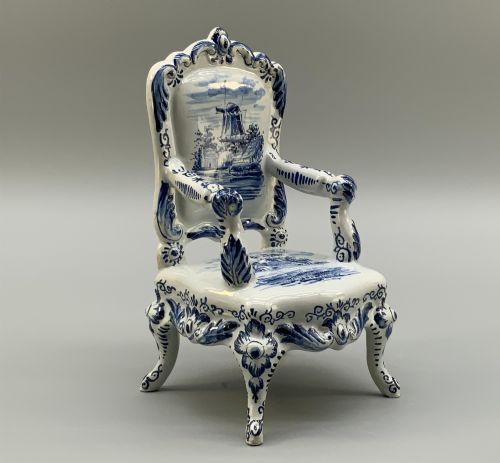
Earthenware cows and miniature porcelain armchairs stand ready to populate domestic miniature pastures.
Judging Quality
Quality in these ceramics rests upon the crispness and confidence of the hand-painted brushwork applied over the tin glaze. Superior examples display fluid, detailed pictorial scenes or floral motifs, whereas lesser pieces show hurried or rigid execution.
The depth and brilliance of the white tin glaze and the stability of the cobalt pigment differentiate standard domestic wares from exceptional display chargers and large cabinet vases. Preservation of the original glaze surface without extensive modern restoration elevates the status of older pieces.
Villeroy and Boch
The Vintage Delft Ceramics Glossary
- Tin-Glazed Earthenware
- Pottery covered with a ceramic glaze containing tin oxide, turning white and opaque upon firing. This surface serves as the ground for painted cobalt decoration.
- Charger
- A large ornamental decorative plate intended for display on a wall or dresser rather than for table service. These form a major category of early delftware.
- Faience
- European tin-glazed earthenware produced outside of the Netherlands, encompassing French, German, and Italian wares sharing similar manufacturing techniques. The term often overlaps with regional delft production.
- Albarello
- A cylindrical earthenware jar used by apothecaries and pharmacies to store drugs and ointments. These jars frequently feature painted labels and decorative panelling.
- Manganese
- A metallic oxide pigment producing purple, brown, or plum-coloured tones in ceramic decoration. It appears alongside or instead of standard cobalt blue on various pieces.
Vintage Delft Ceramics: Frequently Asked Questions
What is delftware made from?
Delft ceramics consist of a buff earthenware clay body covered in an opaque tin glaze. Painters apply metallic oxides, chiefly cobalt, directly onto this glaze.
The coated body is then fired to fuse the pigments into the white surface, creating the characteristic glossy finish associated with traditional delftware.
How do I date antique delft pieces?
Dating relies on stylistic shifts, changes in pigment palettes, and the physical characteristics of the earthenware body. Seventeenth and eighteenth-century pieces often display looser brushwork and distinct foot rims compared to later nineteenth-century revivals.
Changes from classic blue and white to polychrome manganese and yellow schemes also help signal specific manufacturing eras.
Were chargers used for food?
Large decorative chargers served primarily as wall display items or sideboard ornaments in wealthy households rather than for serving heavy meals. Their expansive surfaces made them ideal canvases for detailed Chinoiserie scenes or floral displays.
Smaller plates and bowls saw more domestic table use, though survival rates drop for utilitarian items.