


Delft Blue White Plate
These delft blue white plate selections bring tin-glazed earthenware into the home, offering hand-painted cobalt scenes across centuries of ceramic tradition.
Delft Blue White Plate
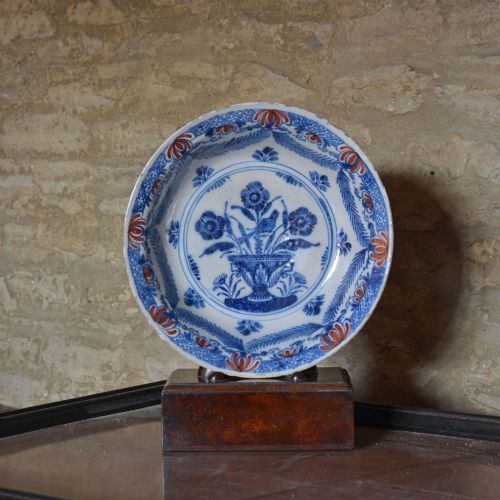
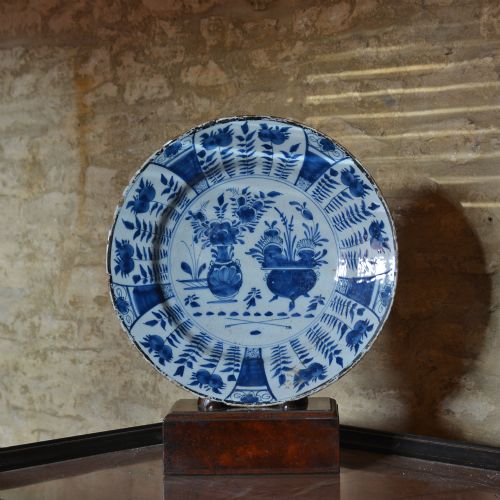
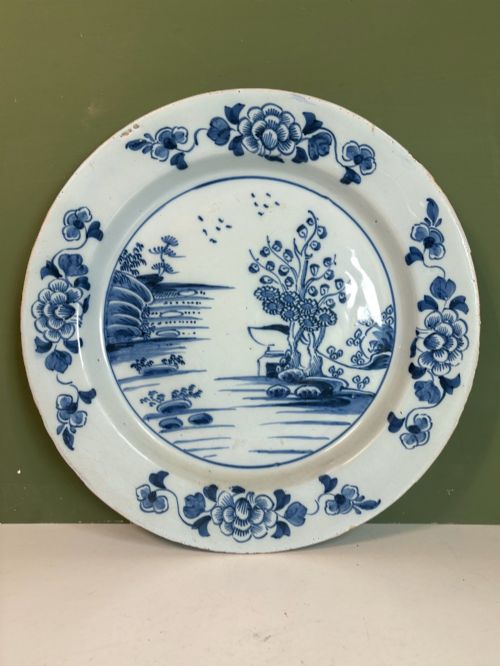
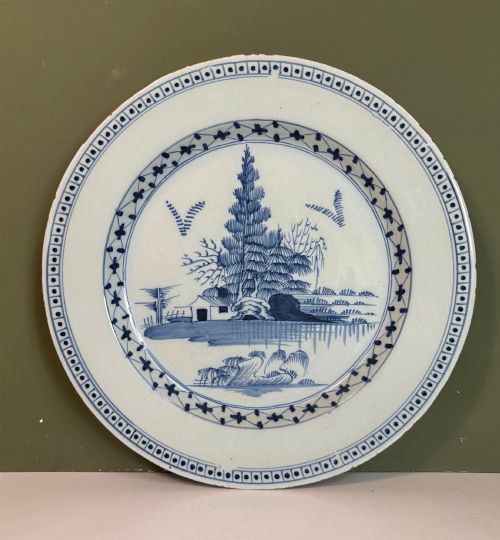
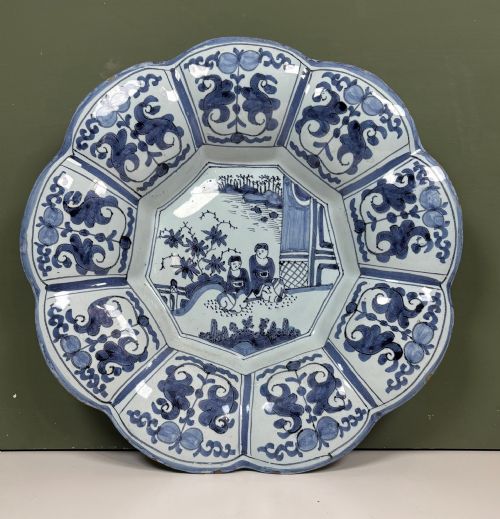
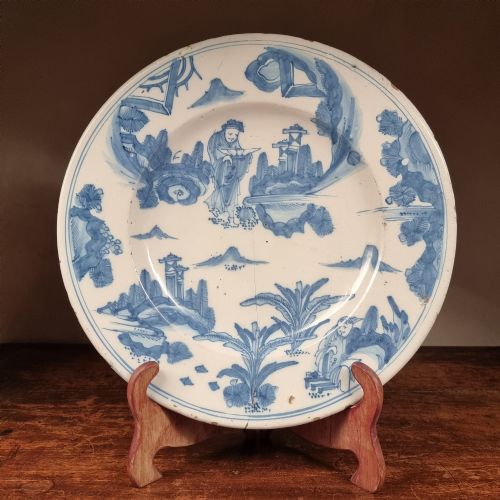
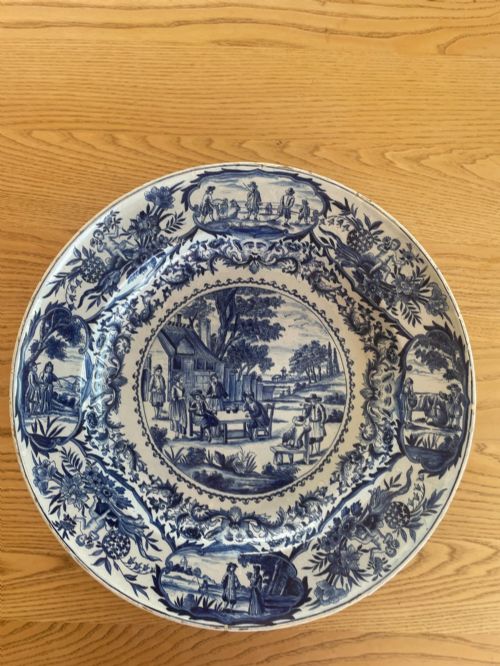
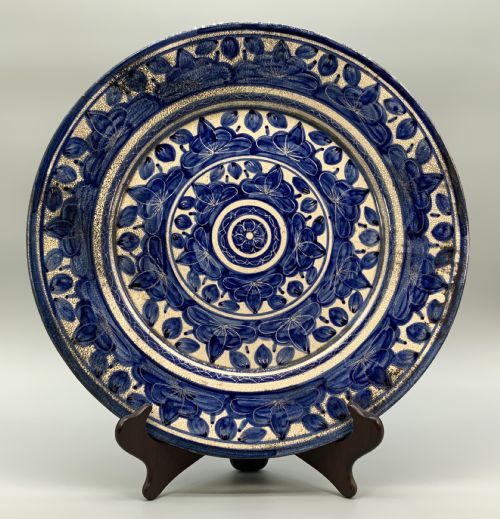
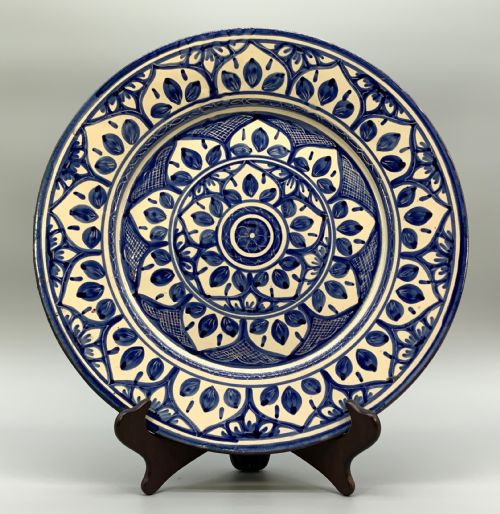
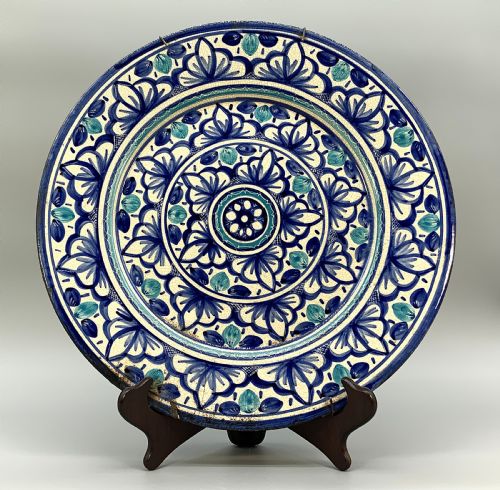
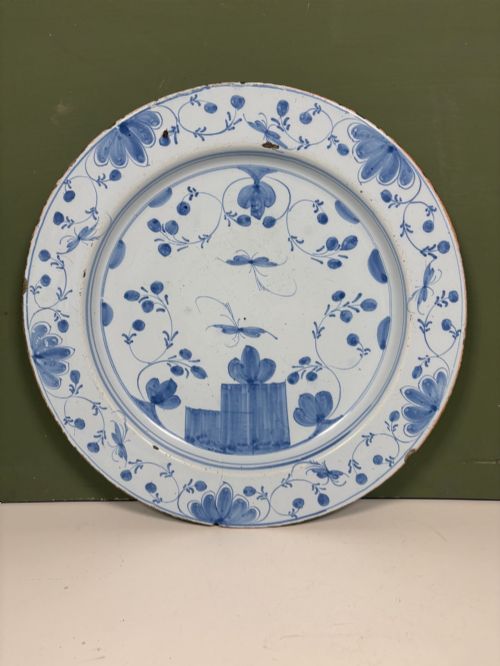
A delft blue white plate represents a ceramic tradition spanning from the seventeenth century through to later revivals, encompassing chargers, dishes, and shallow bowls. Collectors searching for a delft blue white plate encounter domestic tableware and large decorative chargers painted with cobalt pigment.
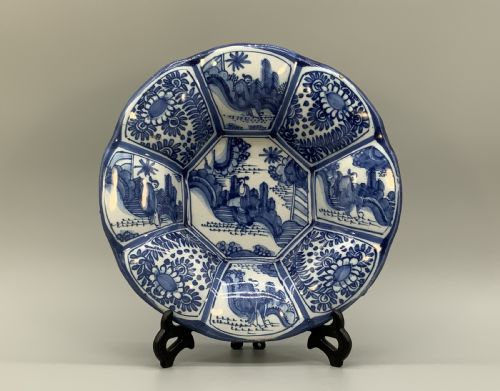
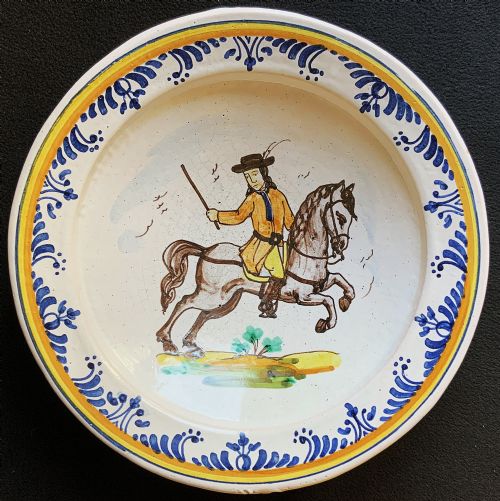
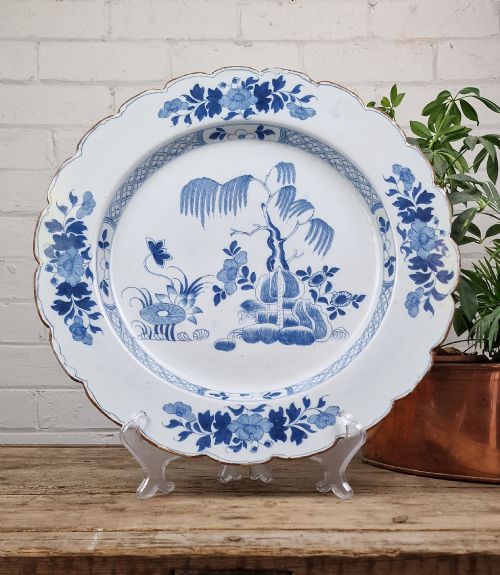
The objects on this page originate from English potteries, Dutch workshops, and continental kilns, showing styles from Dutch Baroque to Chinoiserie. Many examples take the form of substantial wall chargers alongside smaller plates intended for table use.
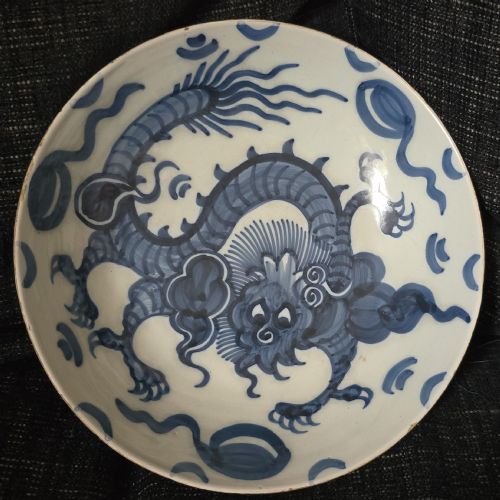
Makers produced these ceramics using earthenware bodies covered in an opaque white tin glaze, upon which artisans brushed blue oxide designs. The resulting pieces range from simple domestic wares to ambitious display items depicting landscapes, figures, and floral motifs.
How they were made
Potters shaped local clays into plates and chargers before firing the earthenware body into a biscuit form. This porous base received a liquid tin glaze that dried to an opaque white surface ready for decoration.
Painters applied cobalt oxide pigment directly onto the unfired tin glaze using fine brushes. The pigment absorbed into the glaze during the final kiln firing, fusing the blue design into a glossy finish.
Delft Blue White Plate Retail Price Guide 2026
Typical asking prices for delft blue white plate among the pieces listed under this phrase on Sellingantiques today, from the lower quarter to the upper quarter. They describe what is for sale here now, not the wider market.
Listings feature tin-glazed earthenware plates and chargers spanning the seventeenth, eighteenth, and nineteenth centuries.
What varies in quality
The crispness of the cobalt brushwork separates standard domestic output from finer examples, as skilled painters achieved delicate lines and varied tonal depths. Control over the tin glaze thickness and smoothness during the dipping process also dictates the refinement of the surface.
Compositional ambition influences the character of each piece, distinguishing simple floral borders from complex narrative or architectural scenes inspired by Kraak porcelain. The stability of the earthenware body through high kiln temperatures determines how cleanly the plate retains its circular form.
The Delft Blue White Plate Glossary
- Tin-Glazed Earthenware
- Earthenware pottery coated with a lead glaze made opaque by the addition of tin oxide. This white surface provided the ideal canvas for painted cobalt decoration.
- Cobalt Pigment
- A metallic oxide used by ceramic painters to achieve blue decoration on pottery. It withstands high kiln temperatures without losing its intense colour.
- Charger
- A large decorative plate intended for display on a wall or sideboard rather than dining use. These pieces often measure significantly wider than standard tableware.
- Kraak Style
- A Dutch imitation of late Ming dynasty Chinese porcelain featuring segmented panel borders and central landscape motifs. This aesthetic heavily influenced seventeenth-century European tin-glazed production.
- Faience
- A European term for tin-glazed earthenware, particularly that produced in France, Germany, and other continental centres outside the Netherlands and England.
Delft Blue White Plate: Frequently Asked Questions
Were these plates used for dining?
Smaller plates served practical dining purposes in period households, while large chargers functioned primarily as display items on sideboards or walls.
Heavier dishes often show wear patterns consistent with food service, whereas chargers survive with pristine surfaces intended for visual appreciation.
How do I identify a 17th-century plate?
Seventeenth-century examples often display Kraak-style panel borders, thicker earthenware bodies, and heavier tin glazes with distinct surface undulations.
Painters working in this earlier period utilised deeper cobalt tones and looser brushwork compared to the finer precision found in eighteenth-century production.
What is the difference between English and Dutch delft?
English potteries in centres like London, Bristol, and Lambeth developed distinct glaze chemistries and local stylistic interpretations.
Dutch delft from workshops in Delft often adhered more closely to imported Asian porcelain aesthetics and utilised specific regional blue hues.
How should I hang a heavy charger?
Displaying large chargers requires specialised spring-loaded wall hangers that distribute the weight evenly across the rim without putting pressure on the earthenware body.
Ensure the mounting hardware fastens securely into wall studs to support the substantial weight of these tin-glazed pieces safely.