


Tin Glazed Bowl
A tin glazed bowl brings centuries of earthenware tradition into a room, offering painted blues, polychrome motifs, and tin glaze surfaces.
Tin Glazed Bowl
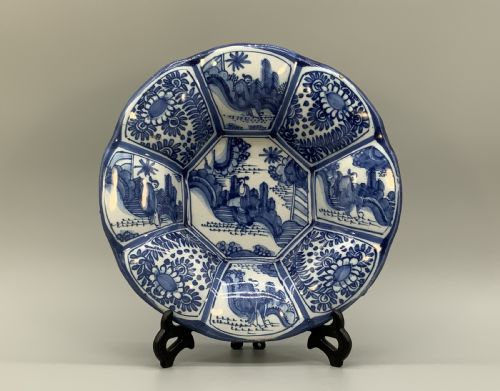
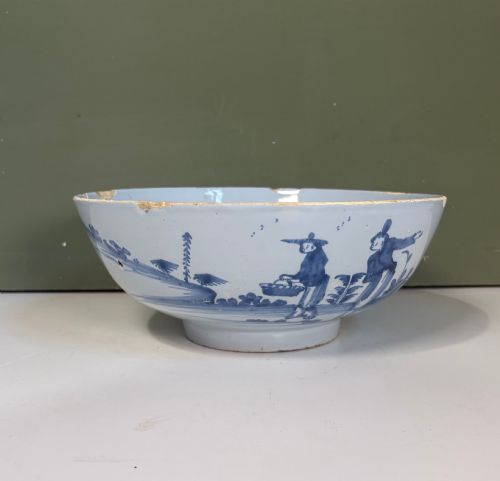
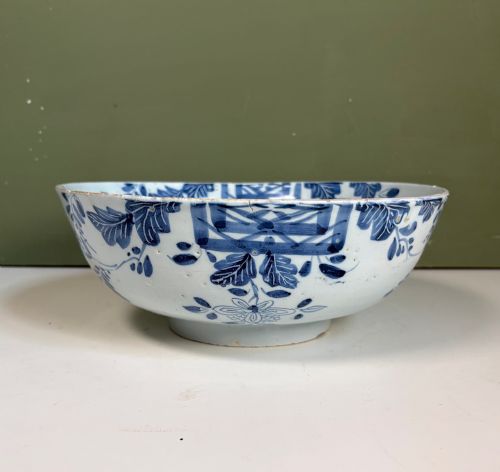
When you search for a tin glazed bowl, you encounter earthenware forms ranging from eighteenth century Dutch delft to Italian majolica and early Persian vessels. The pieces appearing most frequently on this page are eighteenth century delft bowls and shallow dishes, alongside nineteenth century French and Spanish faience.
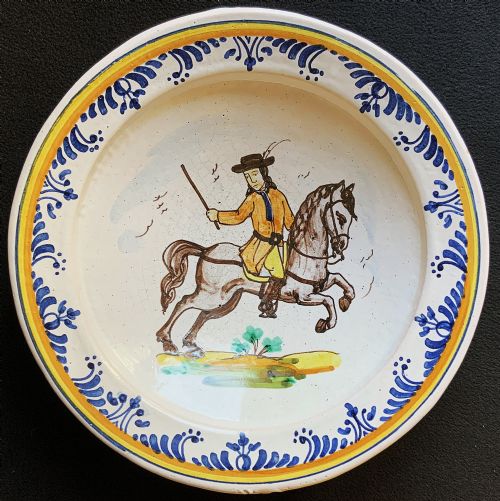
The selection extends from utilitarian barber's bowls to large centrepiece chargers and decorative footed vessels. Makers utilised various regional styles, moving from seventeenth century kraak patterns to Chinoiserie and rich polychrome decoration.
How they were made
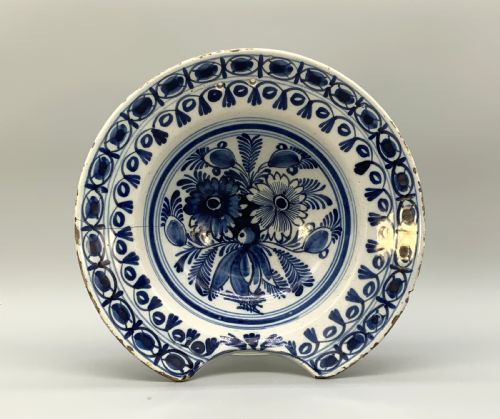
Potters shaped ceramic and earthenware bodies before applying an opaque tin glaze that created a smooth white background for painting. Artisans then brushed cobalt oxide, cobalt pigment, and various metallic oxides directly onto the unfired glaze.
Fritware bodies also appear among the earlier pieces, utilising crushed glass and quartz mixtures for greater strength. Firing transformed the mineral pigments into vibrant blues and polychrome scenes fixed permanently within the glassy surface.
One specialised vessel on record is a barber's bowl featuring a curved cutout designed to fit snugly against a customer's neck during a shave.
What varies in quality
Quality rests in the crispness of the hand-painted brushwork and the stability of the tin glaze over the earthenware body. Superior examples display confident control of cobalt pigment and balanced proportions across bowls, chargers, and planters.
Lesser items show blurred pigment bleed or dull glaze surfaces, whereas finer pieces retain luminous depth in their white grounds and precise definition in their historical motifs.
The Tin Glazed Bowl Glossary
- Delftware
- Tin-glazed earthenware originating in the Netherlands and England, famous for its blue and white painting. It frequently copies Chinese porcelain designs or depicts local Dutch landscapes.
- Majolica
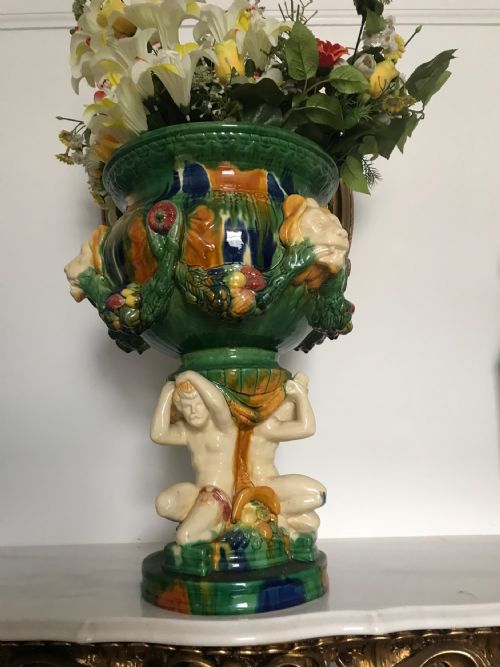
- Tin-glazed earthenware associated with Italy and later nineteenth century revivals, known for heavy polychrome decoration. It often takes sculptural forms like planters and centrepieces.
- Faience
- French and European tin-glazed pottery produced from the sixteenth century onwards, encompassing bowls, plates, and chargers. The technique yields an opaque white surface suitable for painted scenes.
- Cobalt Oxide
- A mineral pigment utilised to achieve deep blue coloration under the glaze during high-temperature firing. It forms the primary colouring agent in traditional blue and white ceramics.
- Fritware
- A type of pottery body containing ground glass flux, which strengthens the clay and permits thin-walled vessels. Early Persian and Islamic examples rely on this composite material.
Tin Glazed Bowl: Frequently Asked Questions
How do I date a tin glazed bowl?
Dating relies on stylistic markers, tin glaze characteristics, and the underlying earthenware fabric. Eighteenth century pieces often display characteristic blue and white Chinoiserie motifs, while earlier examples show distinct fritware or lustre glazes.
Changes in glaze thickness and pigment tones across centuries provide further clues for attribution. Comparing foot rims and potting techniques helps separate eighteenth century production from later nineteenth century revivals.
Were these bowls used for food?
Many historical tin glazed vessels served functional roles on dining tables and in domestic routines, ranging from shallow serving dishes to specialised barber's bowls. Over time, porous earthenware bodies and lead-bearing glazes made them less suitable for daily dining.
Today, surviving bowls function primarily as decorative display pieces rather than tableware. Their historical surfaces require careful handling to preserve the tin glaze.
What is the difference between delft and majolica?
Delft typically refers to Dutch and English tin-glazed earthenware focusing on blue and white painting inspired by Chinese porcelain. Majolica describes Italian tradition and later European revivals featuring dense polychrome glazes and sculptural forms.
Both employ a tin-glazed earthenware base, but their aesthetic aims and regional palettes differ significantly. Majolica embraces rich multi-coloured pigments, whereas delft leans towards refined monochrome blue.
How should I clean a tin glazed bowl?
Cleaning requires gentle dusting with a soft, dry cloth to prevent scratching the historic glaze surface. Water and harsh chemical cleaners must be avoided because moisture penetrates porous earthenware bodies through micro-fissures in the glaze.
Displaying bowls away from direct sunlight and damp environments protects the pigments and glaze from degradation. Proper placement ensures the ceramic body remains stable over decades.