

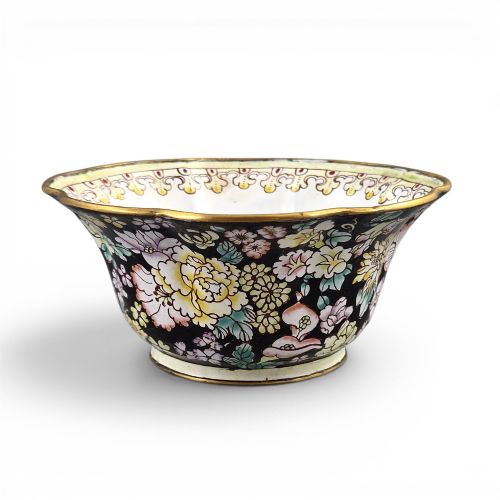
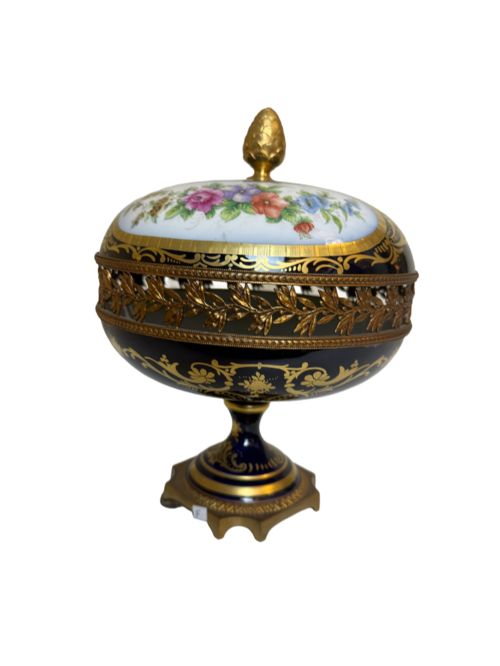

Antique Floral Ceramic Bowl
When you search for an antique floral ceramic bowl, you encounter centuries of global artistry painted with botanical detail.
Antique Floral Ceramic Bowl
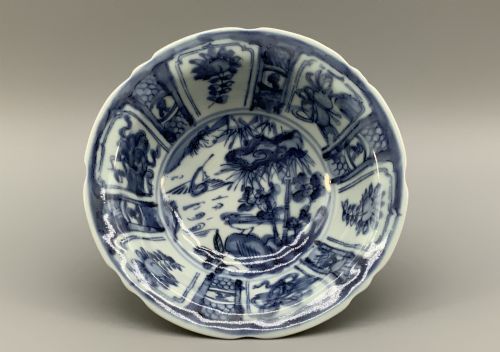
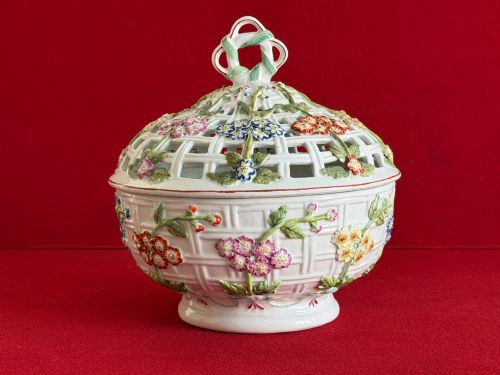
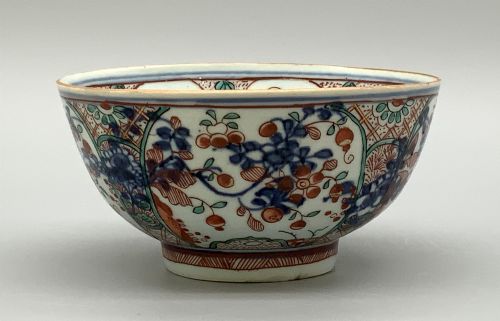
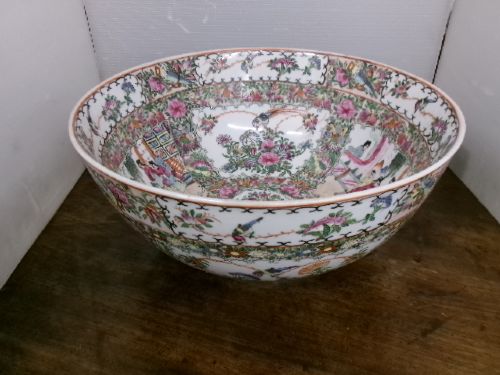
An antique floral ceramic bowl encompasses a wide array of vessels created to display, serve, or wash, ranging from eighteenth-century English porcelain baskets to nineteenth-century Japanese Imari dishes.
The pieces appearing on this page span several centuries, with particular concentrations from the eighteenth and nineteenth centuries, alongside examples from the early twentieth century.
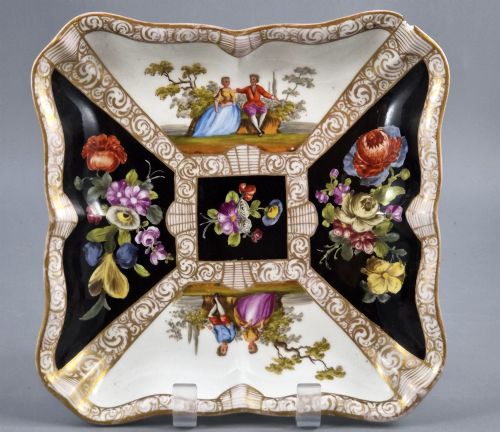
Makers shaped these items in varied geographical contexts, encompassing European factories such as Meissen, Derby, and Worcester, alongside Asian export wares from the Qing Dynasty and the Meiji period.
Materials and Techniques
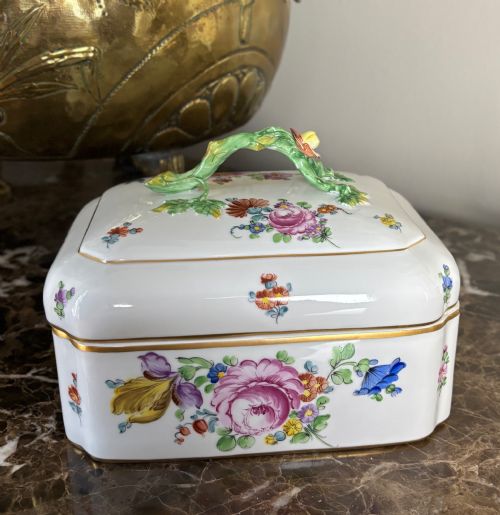
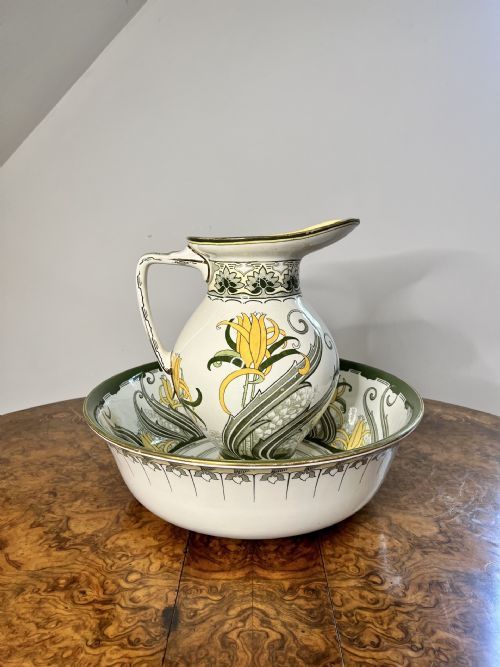
Potters shaped these vessels using porcelain, earthenware, and ironstone, applying glossy glazes and enamel pigments to seal the body and create the painted flower motifs.
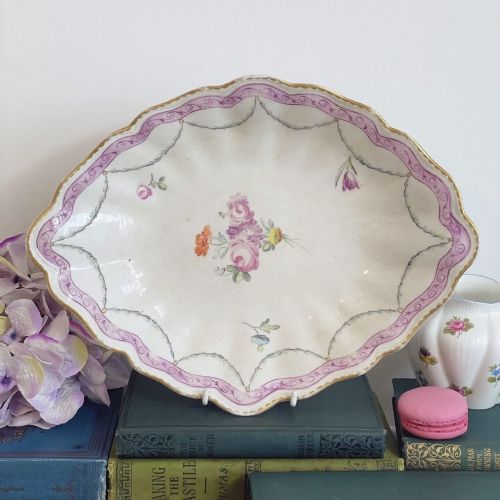
Artisans executed the botanical ornamentation through handpainted polychrome brushwork, underglaze blue, and transfer printing, frequently adding gilding or gold leaf highlights to edges and rims.
Listings incorporate items from the eighteenth and nineteenth centuries, alongside early twentieth-century examples.
Craftsmanship and Execution
The refinement of the painted botanical decoration distinguishes finer examples, where delicate brush control renders individual petals and leaves with botanical accuracy.
The precision of the ceramic body and the uniformity of the glaze application also separate standard production wares from pieces produced by premier European manufactories and skilled independent workshops.
Derby·Meissen·Doulton Burslem·Doulton Lambeth·Royal Doulton·Royal Vienna·Spode
The Antique Floral Ceramic Bowl Glossary
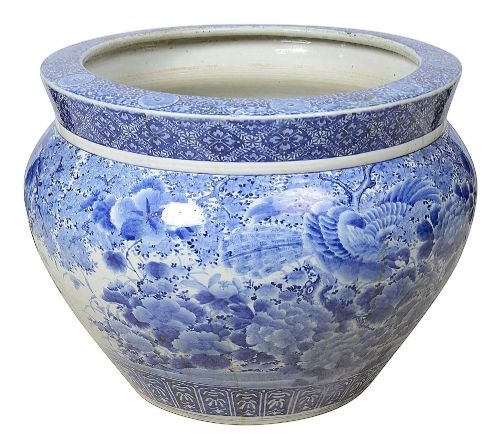
- Imari
- A style of Japanese porcelain featuring vibrant underglaze blue, iron red, and gold, named after the port from which the wares were exported.
- Polychrome
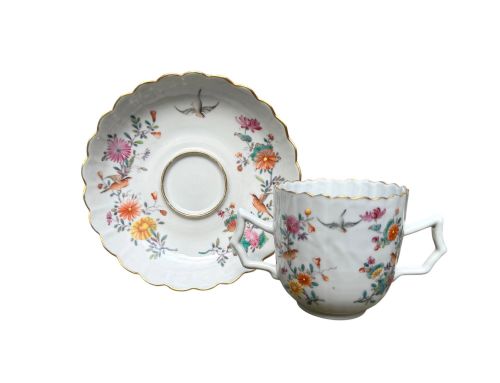
- Decoration executed in multiple colours, frequently seen on eighteenth-century bowls depicting handpainted floral sprays.
- Ironstone
- A heavy, durable type of earthenware patented in the nineteenth century to provide a robust alternative to porcelain.
- Comport
- A raised decorative dish or bowl used for serving fruit or sweets on a formal dining table.
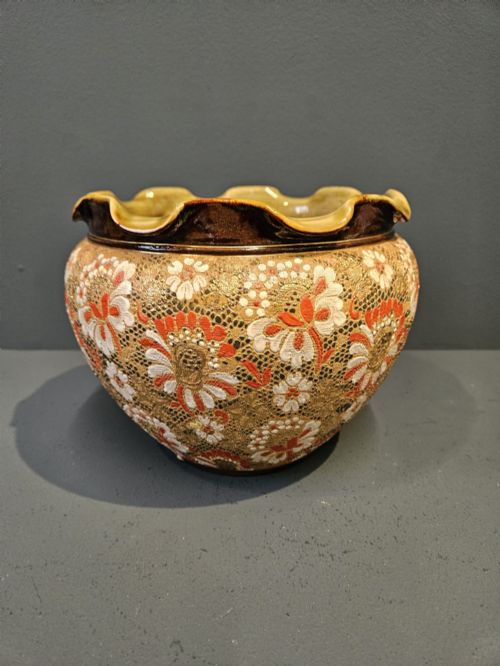
- Jardiniere
- A large ornamental pot or bowl designed to hold a live plant or floral arrangement.
Antique Floral Ceramic Bowl: Frequently Asked Questions
What were antique floral bowls used for?
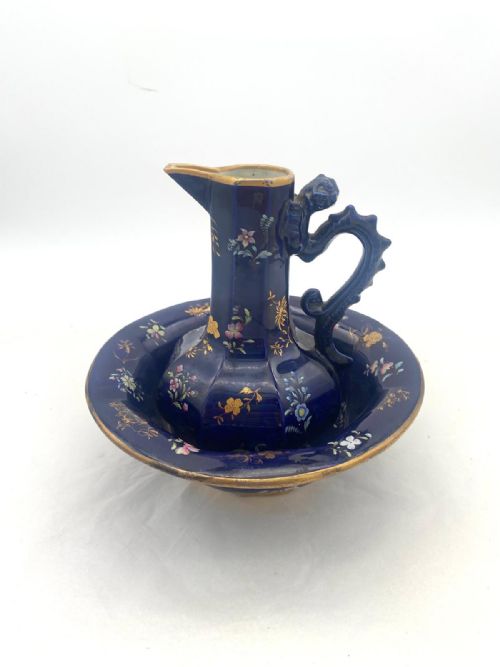
These vessels served diverse practical and decorative functions in historic homes, ranging from table service for fruit and sugar to large wash sets used in bedrooms.
Over time, many of these bowls transitioned into purely decorative cabinet pieces, displayed to showcase their painted floral designs.
How do I date a ceramic bowl?
Dating relies on examining the characteristics of the ceramic body, the style of the painted floral motifs, and any manufacturer marks found on the base.
Comparing the glaze texture and decorative palette against known production periods helps narrow down the decade of manufacture.
How should I display my bowl?
Cabinet display protects delicate porcelain and earthenware from accidental knocks while allowing the interior floral painting to remain fully visible.
Footed bowls and comports can also be placed on sturdy side tables, provided they are kept away from heavy household traffic.
What is the difference between porcelain and earthenware?
Porcelain is fired at higher temperatures to create a vitreous, translucent body that rings when struck, whereas earthenware remains porous and opaque.
Historic makers utilised earthenware for robust utility items, reserving fine porcelain for delicate cabinet wares and tea services.