
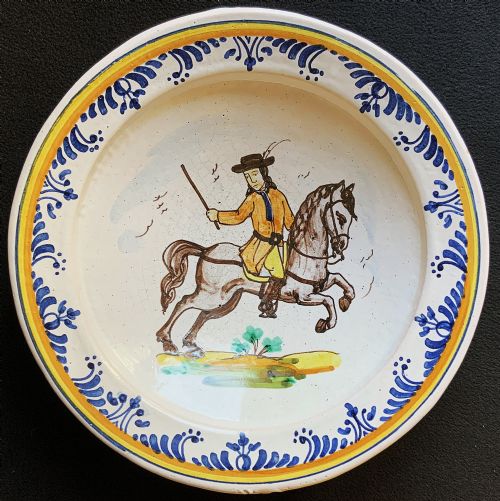


Blue White Delftware Bowl
These pieces of blue white delftware bowl bring painted tin-glazed earthenware into your home with enduring eighteenth-century character.
Blue White Delftware Bowl
A blue white delftware bowl brings centuries of ceramic history straight to your table, offering distinct decorative forms that collectors prize. When you search for this phrase, you encounter earthenware vessels shaped into bowls, shallow dishes, and chargers.
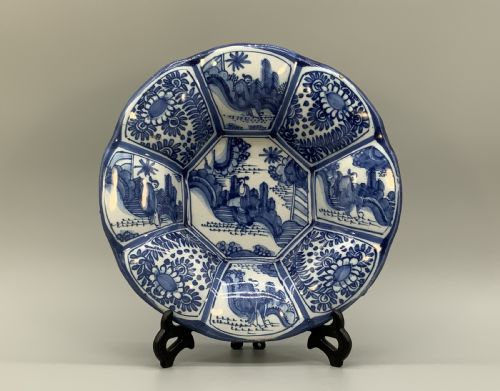
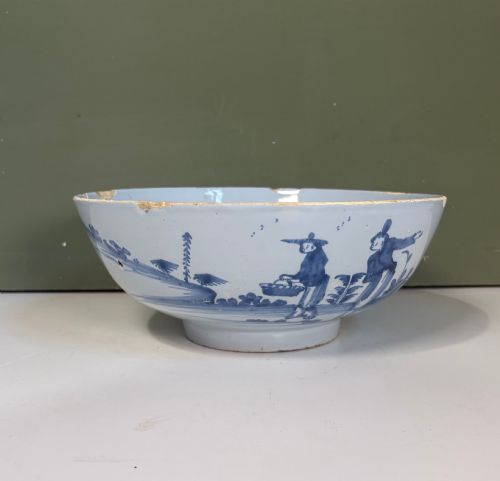
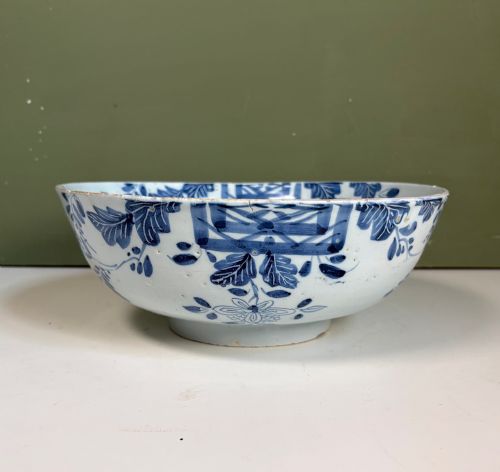
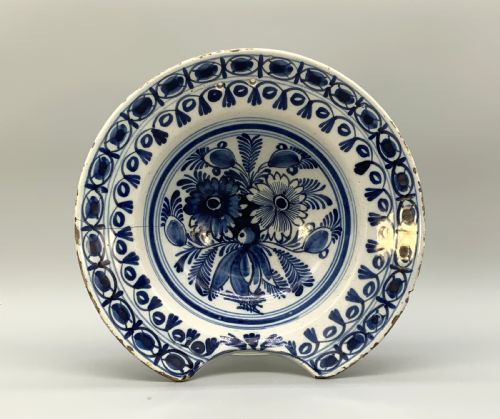
The pieces you meet on this page hail primarily from the eighteenth century, encompassing Dutch, Spanish, and English origins. Makers produced everything from simple domestic bowls to lobed dishes and specialised barber's bowls.
Many examples showcase cobalt pigment applied in chinoiserie patterns or traditional baroque styles. These objects serve as striking decorative bowls that anchor a room with muted blues and creamy glazes.
Materials and construction
Potters formed these vessels from local earthenware clay before coating the body in an opaque tin glaze. This white tin-glazed surface provided the ideal canvas for subsequent painting.
Artisans applied cobalt oxide or cobalt pigment directly onto the unfired glaze by hand. The pigment absorbed into the glaze during the firing process, creating the characteristic blurred cobalt lines.
Some eighteenth-century bowls double as medical equipment, featuring a handy neck cutout for a spot of bloodletting before tea.
Judging quality in delftware bowls
Quality rests heavily on the confidence and crispness of the hand-painted cobalt decoration. Superior examples display fluid brushwork that brings chinoiserie motifs and botanical scenes to life without hesitation.
The smoothness and opacity of the tin glaze also dictate the visual appeal of the piece. A balanced glaze application covers the earthenware body evenly while preserving the subtle undulations characteristic of early hand-thrown ceramics.
The Blue White Delftware Bowl Glossary
- Tin-Glazed Earthenware
- Pottery fired from a porous clay body and coated in a white glaze containing tin oxide. This technique forms the foundation of all authentic delftware.
- Cobalt Pigment
- A metallic colourant used to achieve deep blue tones on ceramic surfaces. Artisans relied on this mineral oxide for its stability at high firing temperatures.
- Chinoiserie
- European decorative motifs inspired by Chinese art and porcelain design. Painters interpreted these oriental landscapes onto eighteenth-century bowls with freehand brushwork.
- Barber's Bowl
- A specialised shallow dish featuring a semi-circular cutout for the neck. Surgeons and barbers utilised these ceramic vessels during bleeding and grooming practices.
Blue White Delftware Bowl: Frequently Asked Questions
What is a delftware bowl made of?
These vessels consist of an earthenware clay body covered in a white tin glaze. Artisans then painted cobalt pigment directly onto this surface before firing.
The resulting ceramic combines a buff or reddish clay base with an opaque, milky glaze that mimics the appearance of imported porcelain.
How old are these bowls typically?
The pieces available here date predominantly from the eighteenth century, with occasional nineteenth-century interpretations of earlier styles. English, Dutch, and Spanish workshops produced these household and decorative items.
Examining the foot rim, glaze pooling, and wear patterns helps determine the exact period of manufacture.
How were barber's bowls used?
Barber's bowls featured a distinct curved notch designed to fit comfortably against a customer's neck. Barbers and surgeons utilised them to hold water or catch blood during medical and grooming procedures.
Today, these functional items survive primarily as decorative display pieces due to their striking form.
How do I care for antique delftware?
Display your bowl away from direct sunlight and extreme temperature fluctuations to protect the historic glaze. Clean the ceramic gently with a dry or barely damp cloth.
Avoid immersing antique earthenware in water or using modern chemical detergents, as the porous body and tin glaze remain sensitive to moisture.