

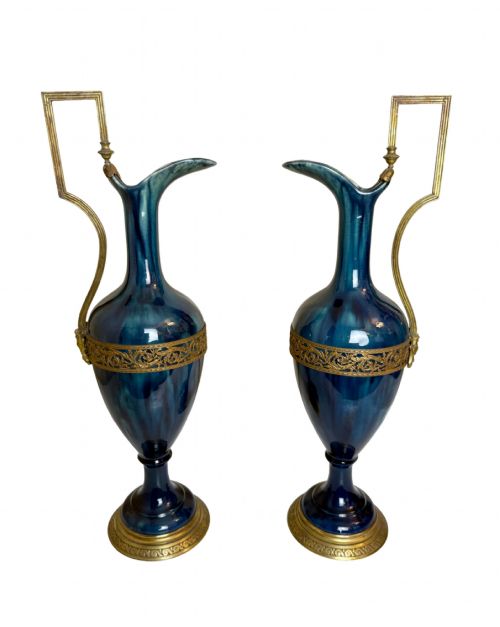
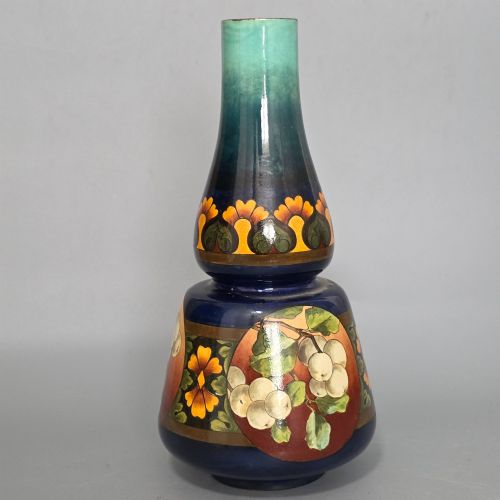
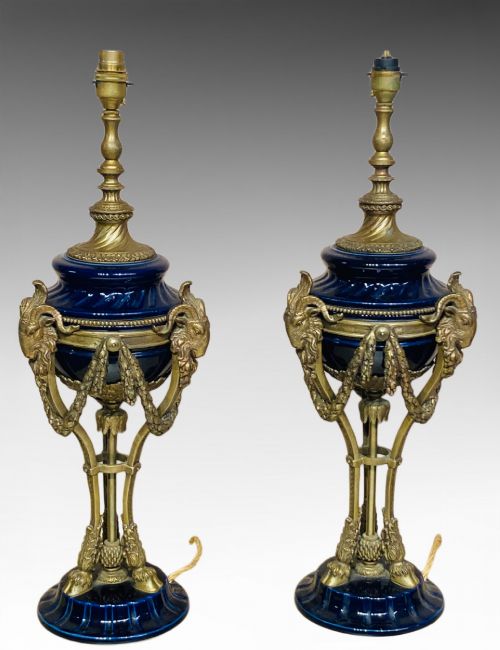
Blue Glazed Ceramic Urn
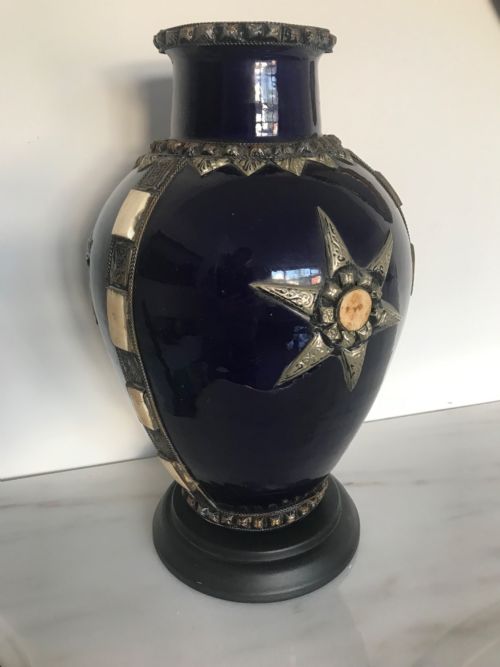
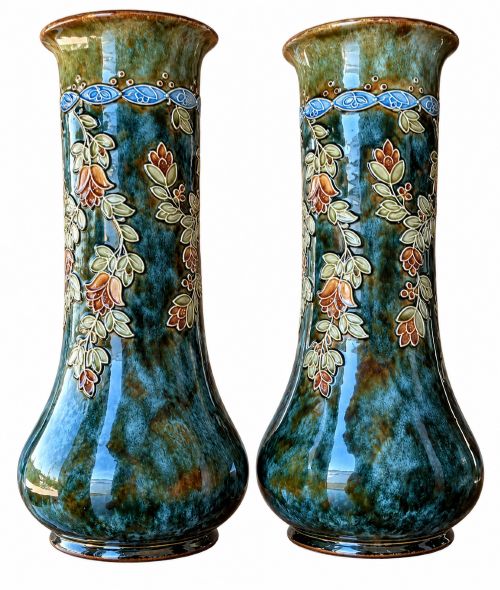
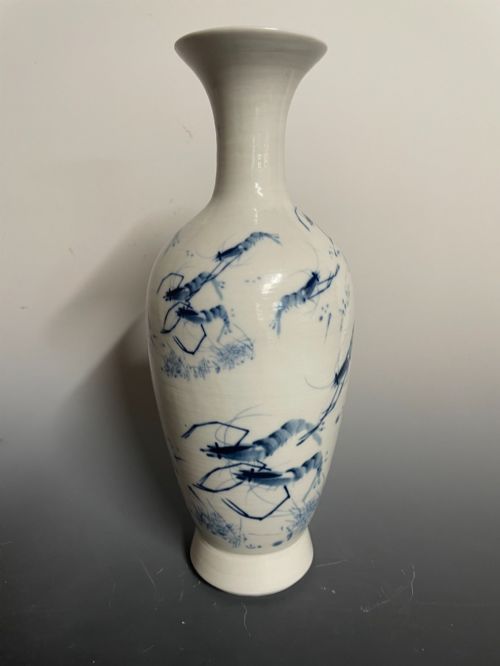
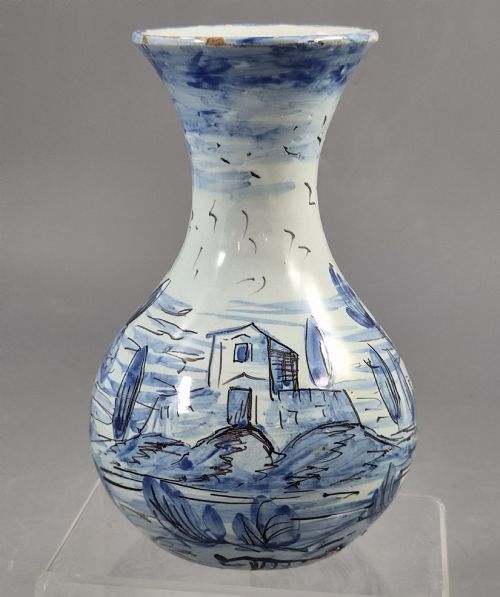
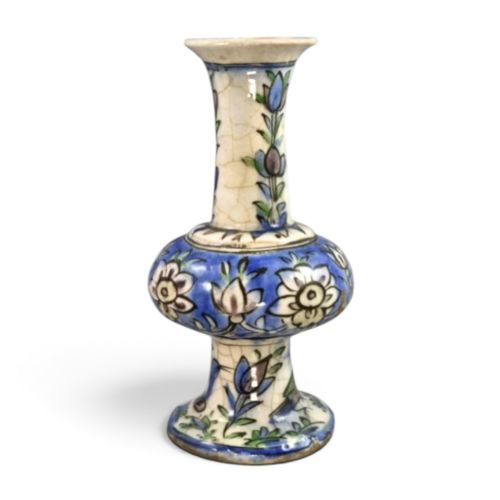
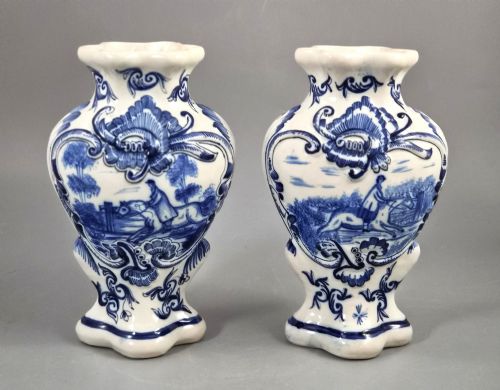
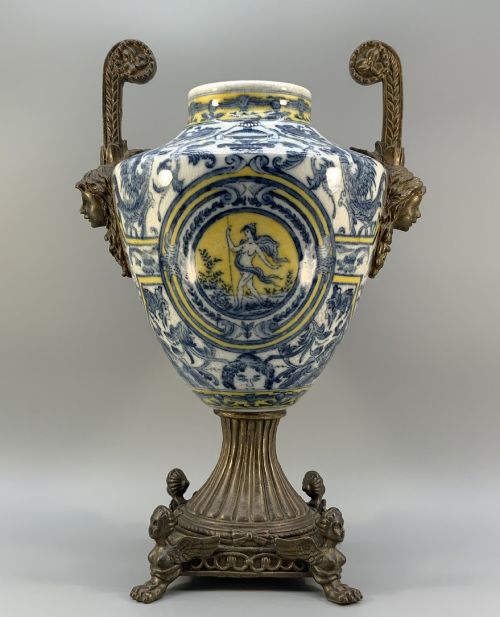
When you search for a blue glazed ceramic urn, you find vessels that bring rich cobalt and turquoise tones to interior display.
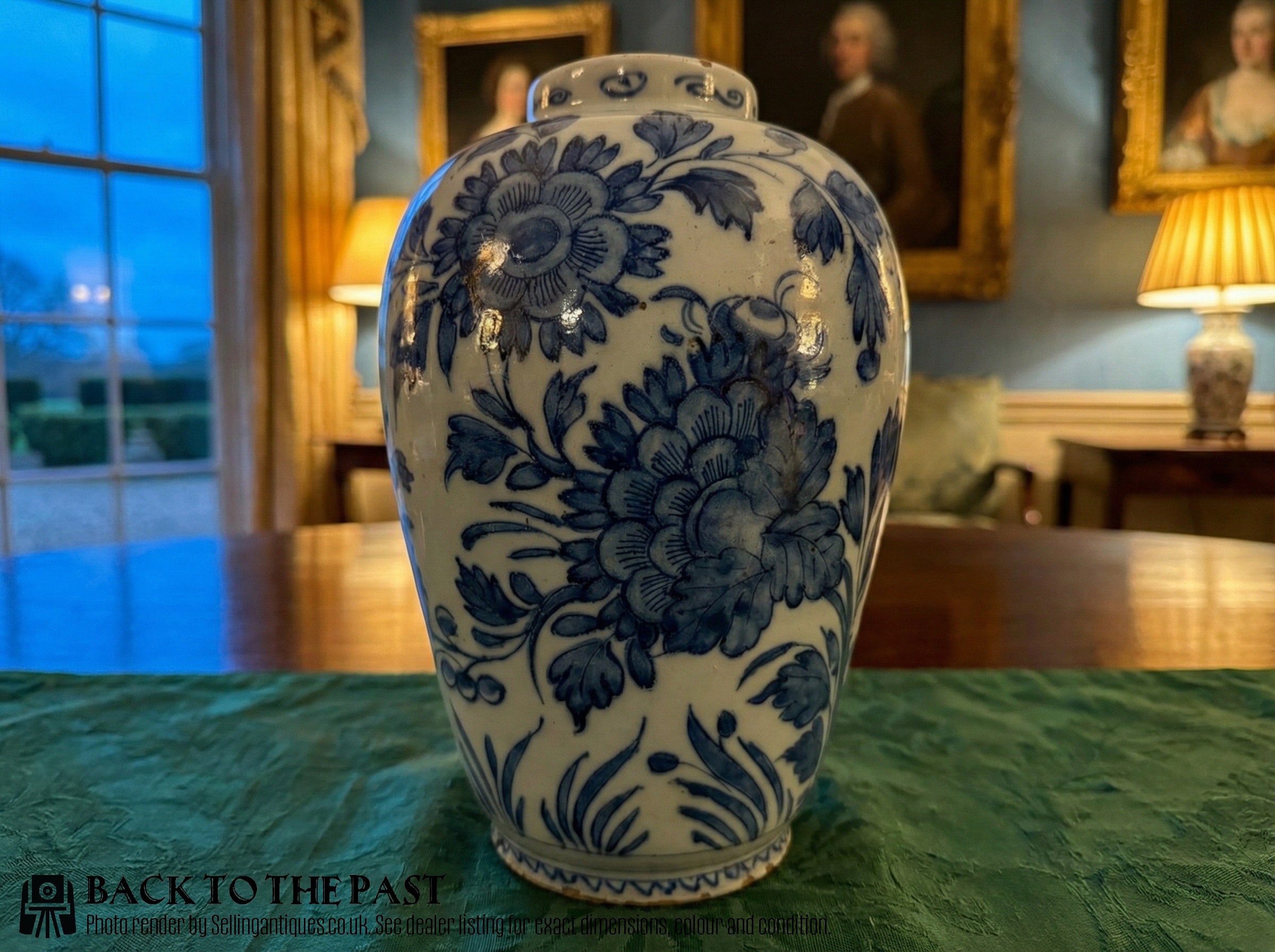
Blue Glazed Ceramic Urn
A blue glazed ceramic urn encompasses lidded jars, baluster vases, garden urns, and jardinieres originating across European, Asian, and Middle Eastern potteries. The pieces on this page span the eighteenth, nineteenth, and early twentieth centuries, reflecting diverse domestic and decorative functions.
Dutch Delftware and English stoneware dominate the selection, alongside French faience, Chinese porcelain, and Japanese earthenware. Buyers encounter both single cabinet pieces and matched pairs, often fitted with metal mounts or converted into table lamps.
Materials and Technique
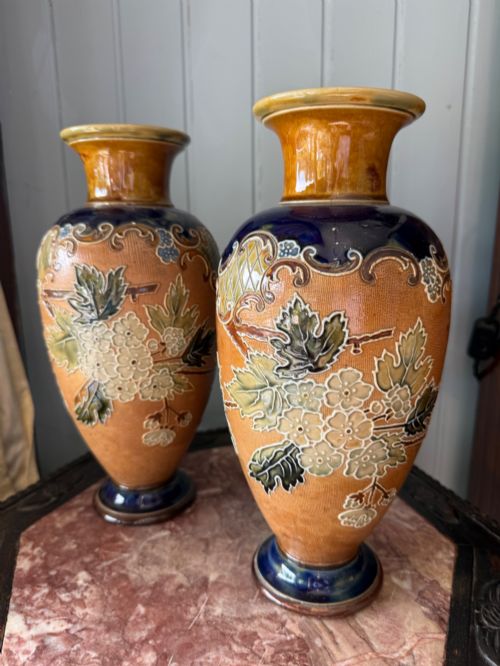
Potters shaped these bodies from earthenware, stoneware, and porcelain before applying tin-glazes, enamel, or underglaze blue pigments. Many incorporate hand-painted cobalt decoration, with some examples utilising metal mounts such as gilt bronze, ormolu, and silver cabochons.
Techniques range from traditional wheel-throwing and mould-pressing to specialised art pottery glazing methods developed by nineteenth-century factories.
Listings feature ceramics from the eighteenth, nineteenth, and early twentieth centuries, created in earthenware, stoneware, and porcelain.
Evaluating Execution
Quality rests in the crispness of the ceramic form, the depth and control of the blue glaze, and the precision of any hand-painted detail. Superior pieces show careful firing without extensive glaze pooling or distortion.
The integration of metal mounts, handles, and covers distinguishes standard production wares from works produced by notable potteries and skilled makers.
Royal Doulton·Fourmaintraux-Courquin·Cantagalli·Brannam·Wileman·Minton
The Blue Glazed Ceramic Urn Glossary
- Delftware
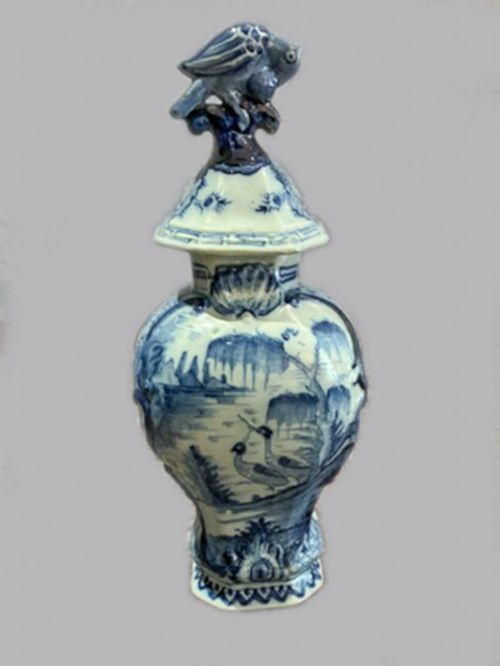
- Tin-glazed earthenware produced in the Netherlands, typically featuring blue and white painted decoration. This tradition dates back centuries and includes lidded jars and baluster vases.
- Faience
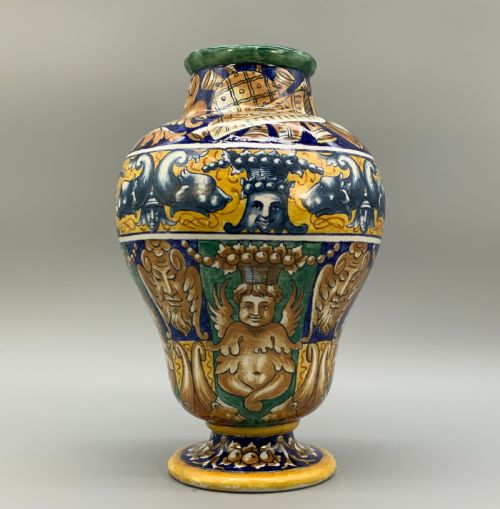
- European tin-glazed earthenware, closely associated with French and Italian workshops. It provides a smooth white ground for painted cobalt designs.
- Stoneware
- A dense, impermeable ceramic fired at high temperatures. It resists moisture and holds detailed moulded ornament securely.
- Majolica
- A type of earthenware coated with an opaque tin glaze and painted with coloured metal oxides. It yields vibrant polychrome and blue surfaces.
- Baluster
- A vase shape with a rounded lower body that tapers towards a narrow neck. This form provides a stable base for rich surface decoration.
Blue Glazed Ceramic Urn: Frequently Asked Questions
What periods do these pieces date from?
The selection spans from the eighteenth century through to the early twentieth century. Common eras include the Victorian period and the late nineteenth century.
Items range from traditional Dutch Delft jars to Art Nouveau stoneware and art pottery from British and continental European makers.
How were these urns used originally?
Many served as decorative display pieces on mantelpieces, side tables, and in cabinets. Lidded jars and urns also held dried botanicals or potpourri.
Larger forms functioned as garden planters or floor-standing jardinieres for indoor plants.
Are these pieces wired for electricity?
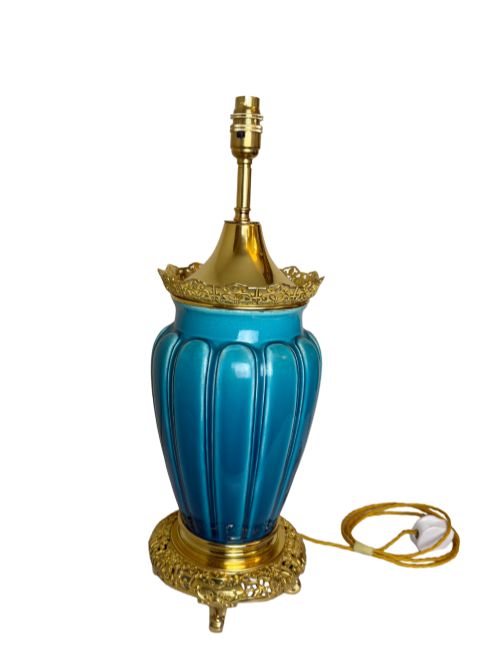
Several examples have been converted into table lamps with electrical wiring. This adaptation often incorporates gilt bronze or ormolu mounts.
Buyers should check individual listings to see whether a piece retains its original ceramic lid or has undergone conversion.
How do I care for antique glazed ceramics?
Display these vessels away from direct sunlight to protect surface glazes and painted details. Dust gently with a dry, soft cloth.
Avoid using water or cleaning agents on pieces with metal mounts, delicate enamels, or older lamp fittings.