
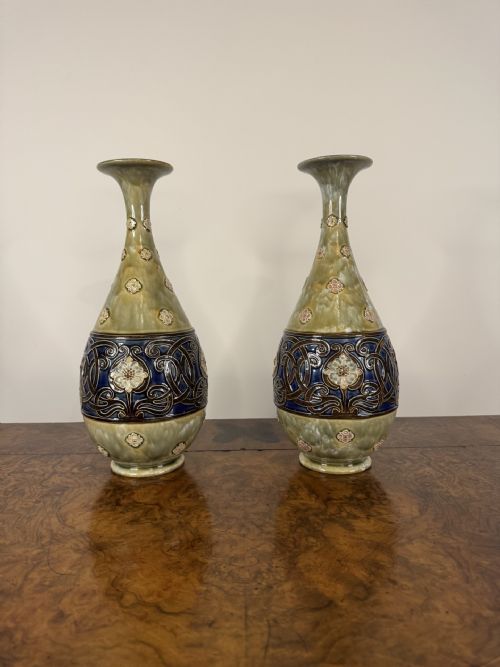
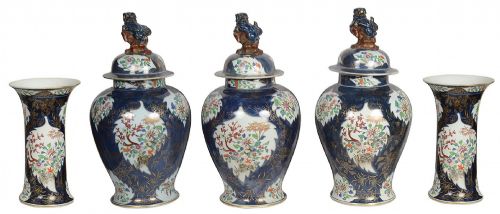


Blue Floral Baluster Vase
A blue floral baluster vase brings together swelling curves and hand-painted botanicals, offering a striking focal point for a mantelpiece or side table.
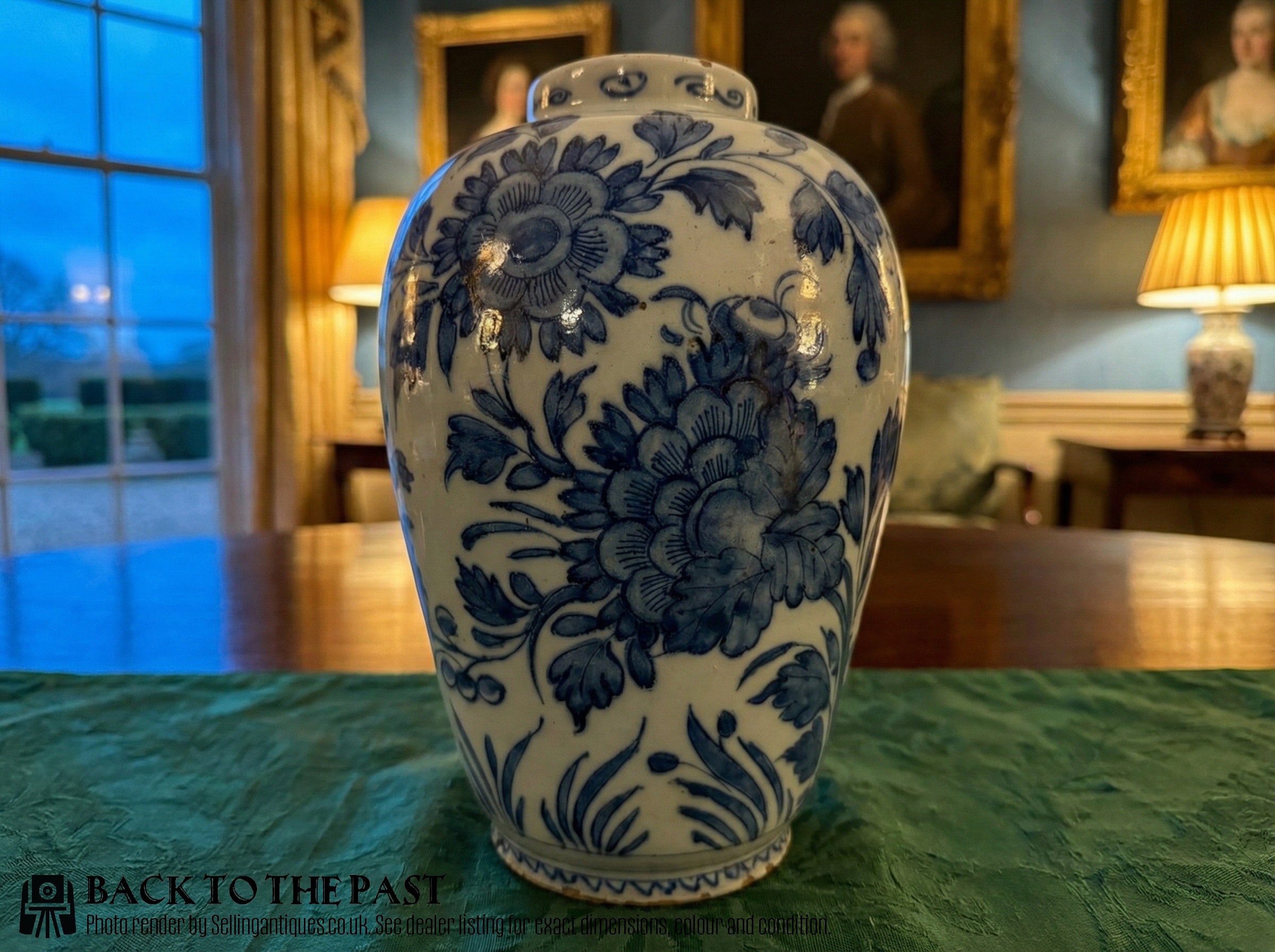
Blue Floral Baluster Vase
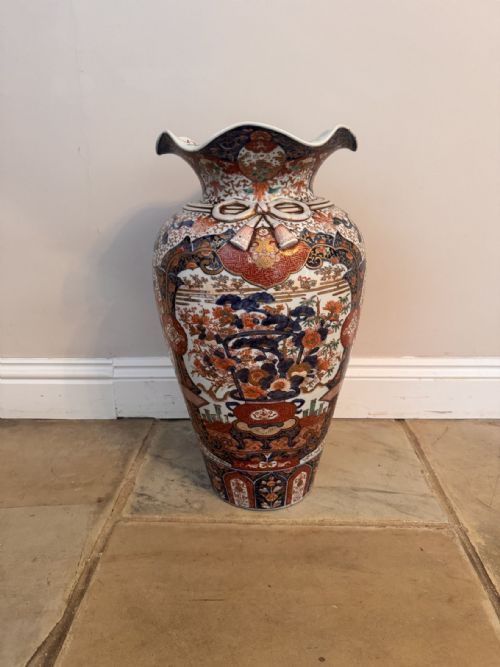
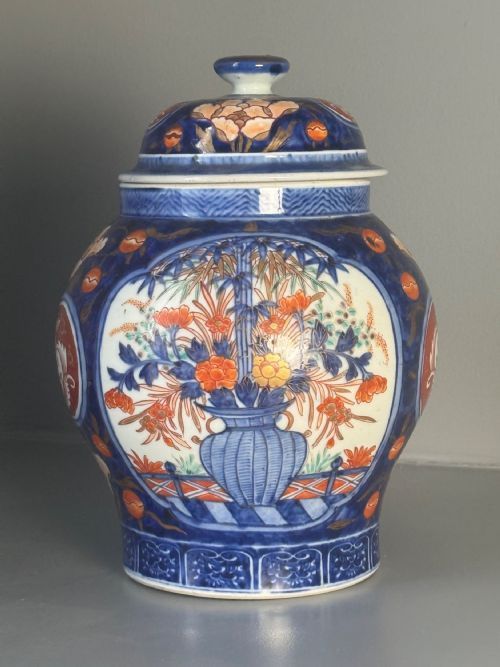
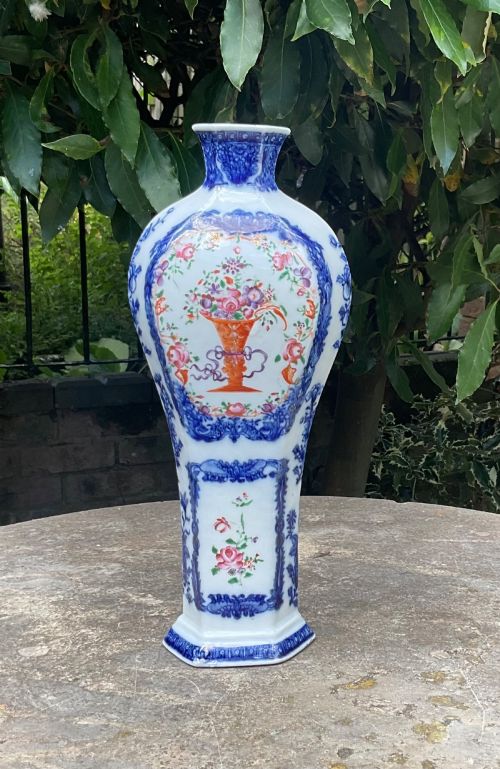
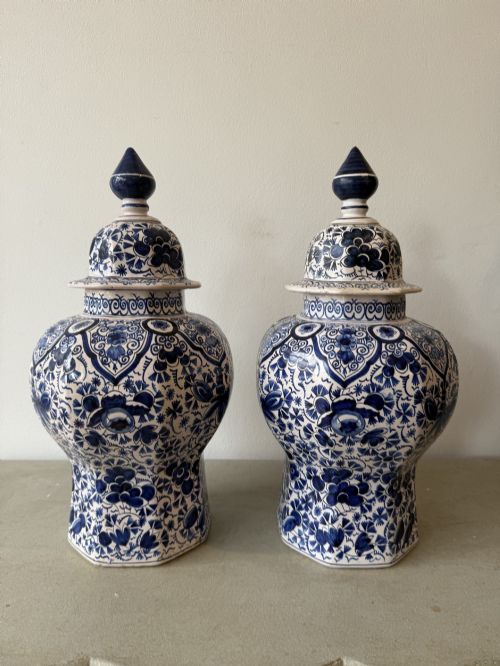
A blue floral baluster vase takes its name from its distinctive profile, which swells gently towards the base before tapering into a narrow neck. When searching for a blue floral baluster vase, buyers encounter items spanning several centuries, originating from British potteries, Chinese kilns, and Japanese workshops.
The selections available range from 18th-century earthenware and porcelain to late 19th-century stoneware and early 20th-century decorative pieces. Japanese Imari examples and Chinese export designs appear frequently alongside domestic British productions from makers such as Royal Doulton and Mason's.
These vessels served diverse historical purposes, functioning as standalone garniture sets, lidded jars for dried herbs, or later conversions into table lamps. The floral motifs vary considerably, shifting from traditional oriental blossoms to dense Victorian foliage and Art Nouveau interpretations.
Materials and Manufacture
Potters shaped these vessels primarily from ceramic, porcelain, earthenware, and ironstone, throwing the clay on a wheel to achieve the characteristic curving baluster silhouette. Artisans applied cobalt blue pigments directly to the unglazed body or over a white slip before the initial firing.
Many examples received supplementary decoration through hand-painted enamel, gilt highlights, and applied gold leaf to accentuate the floral patterns. Glaze was subsequently applied to seal the surface, followed by high-temperature kiln firings that vitrified the body and fixed the rich colours.
Several of these stately vessels have spent a second life quietly moonlighting as electrified table lamps.
Evaluating Quality and Execution
The distinction between standard commercial output and superior craftsmanship rests in the precision and depth of the hand-painted brushwork. Finer examples display meticulous control over the cobalt pigments and enamel detailing, whereas lesser pieces show rushed application and muddy colour separation.
The weight of the ceramic body and the balance of the silhouette also indicate the maker's skill during the throwing process. Superior pieces maintain crisp definition in moulded or carved relief elements, avoiding the softness and blurring seen in mass-produced alternatives.
Louisa Wakely·Royal Doulton·Kinkozan·William Moorcroft·Mason's
The Blue Floral Baluster Vase Glossary
- Baluster
- A vertical architectural form resembling a vase or pillar, characterised by a rounded lower body tapering to a narrower neck. This specific shape provides stability and visual balance.
- Imari
- A style of Japanese porcelain decorated in underglaze blue, iron red, and gold, named after the port from which these goods were shipped to Europe. The palette is typically rich and ornate.
- Champlevé
- An enamelling technique where troughs or cells are carved into a bronze or metal surface and filled with vitreous enamel paste before firing. This method creates vibrant coloured patterns embedded within the metal.
- Garniture
- A set of three, five, or seven matching vases and jars designed to be displayed together on a mantelpiece or shelf. These sets were popular in wealthy interiors during the eighteenth and nineteenth centuries.
- Ironstone
- A heavy, durable type of earthenware patented in the nineteenth century to imitate porcelain. It resists chipping and provides a reliable ground for transfer-printed or hand-painted botanical designs.
Blue Floral Baluster Vase: Frequently Asked Questions
What periods do these vases come from?
The pieces span multiple centuries, originating predominantly from the eighteenth, nineteenth, and early twentieth centuries. Specific periods represented include the Meiji era in Japan, the Victorian and Edwardian eras in Britain, and the Qing dynasty in China.
Craftsmanship and decorative styles shifted significantly across these periods, moving from hand-painted export porcelain to industrial stoneware and studio pottery.
How were these vases used historically?
Historically, these vessels served both decorative and practical functions in domestic interiors. Lidded versions held dry goods, potpourri, or spices, while open baluster forms displayed cut flowers or stood as decorative mantel ornaments.
Many later examples were manufactured or subsequently adapted to function as table lamps, reflecting changing interior lighting needs during the early twentieth century.
How do I identify Japanese Imari pieces?
Japanese Imari items are typically recognised by their distinctive colour palette, which combines deep cobalt blue underglaze with rusty iron-red enamel and gold leaf highlights. The decorative schemes frequently feature intricate floral arrangements, panels, and brocade motifs.
These pieces emerged from Japanese kilns during the Meiji period and earlier, intended heavily for export to Western markets where they gained immense popularity.
Can I use these vases for fresh flowers?
While many of these vessels were originally made to hold water and flowers, their age and ceramic composition require careful consideration. Older earthenware and porous bodies can be sensitive to moisture over extended periods.
Many collectors prefer to use modern glass liners inside antique vases or display them dry to preserve the interior glaze and prevent water damage.
What is the difference between porcelain and earthenware?
Porcelain is fired at much higher temperatures, resulting in a dense, vitrified body that is non-porous and often translucent when held to the light. Earthenware is fired at lower temperatures, producing a more porous and opaque material.
Ironstone sits between these categories as a particularly dense and robust form of earthenware designed to withstand heavy everyday use.