
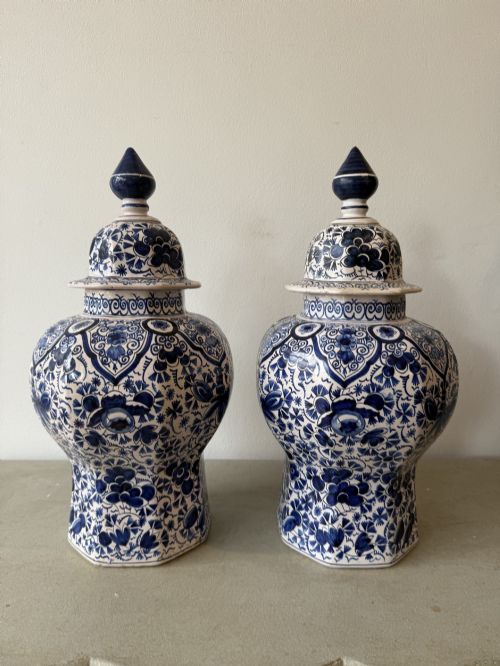


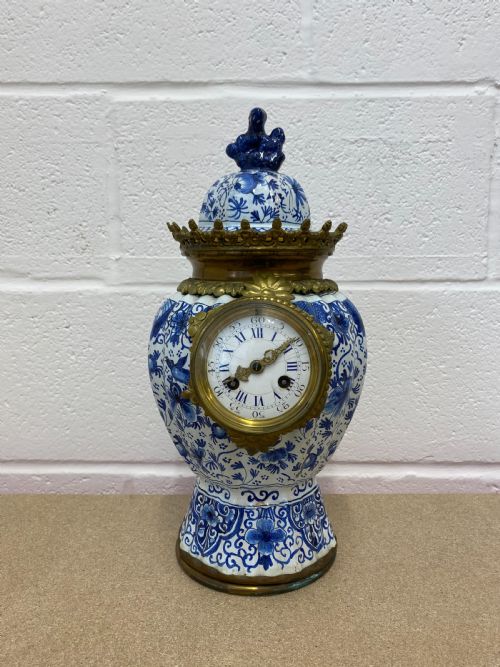
Delft Blue Pottery Jar
A delft blue pottery jar brings centuries of hand-painted maritime charm into a room, offering rich cobalt motifs across traditional tin-glazed earthenware.
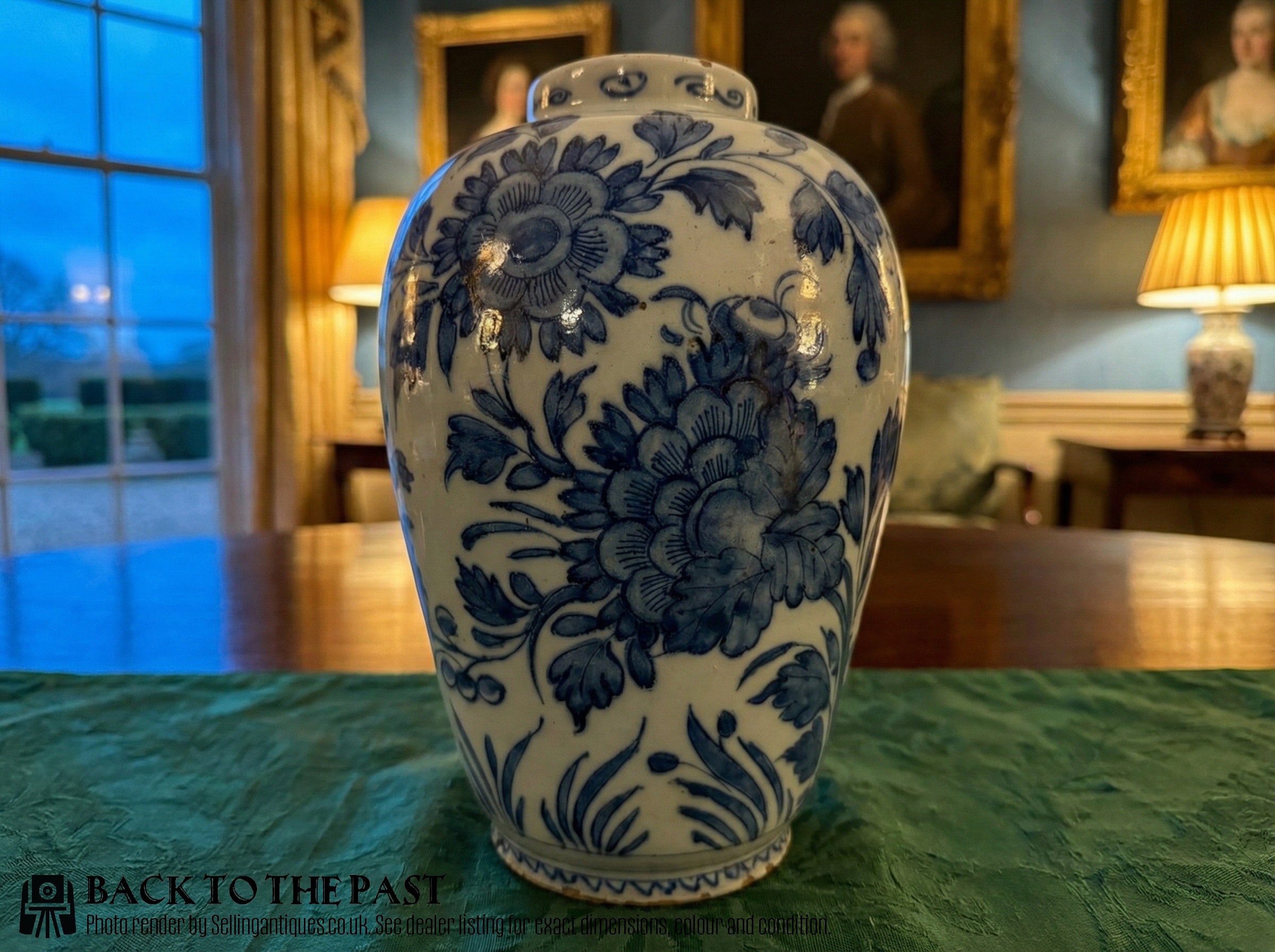
Delft Blue Pottery Jar
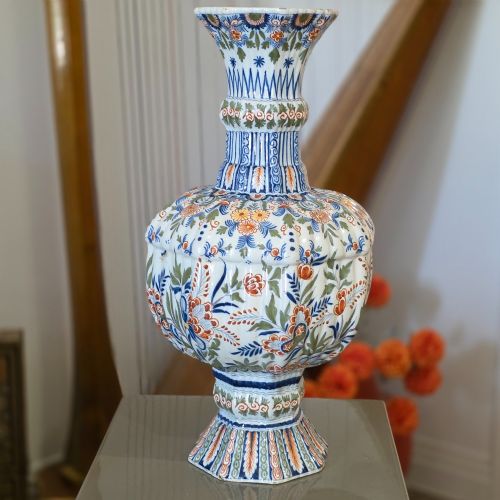
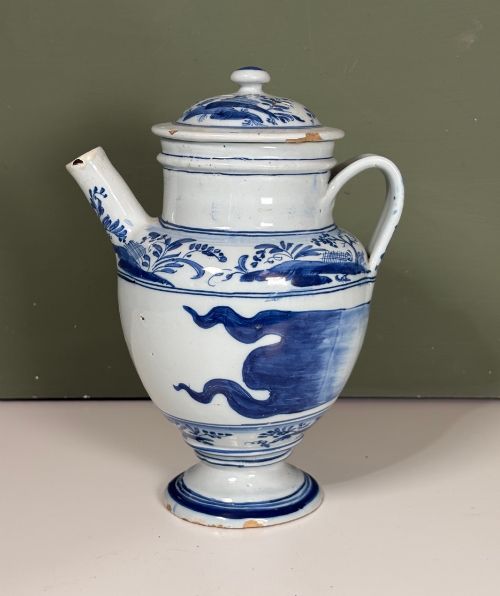
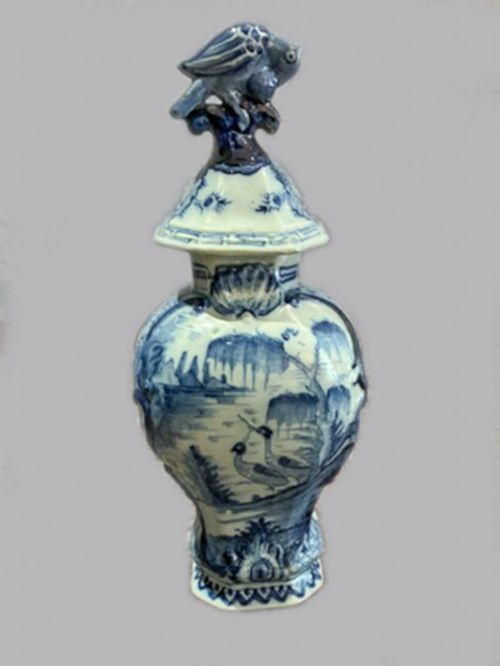
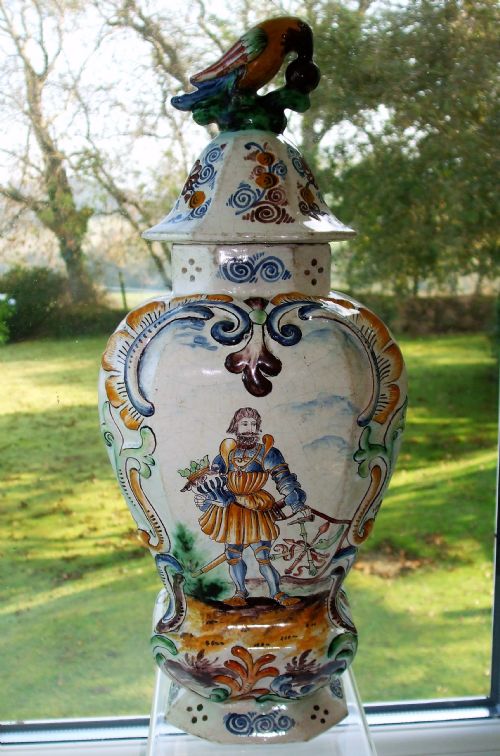
A delft blue pottery jar spans several centuries of ceramic history, appearing predominantly in eighteenth-century forms alongside seventeenth-century examples and nineteenth-century interpretations. These vessels range from utilitarian apothecary jars to lidded baluster vases and decorative urns.
Makers shaped these pieces across the Dutch tradition, frequently employing classical shapes combined with Chinoiserie scenes or botanical details. Buyers encounter lidded jars and table lamps adapted from earlier bodies, reflecting how these ceramics adapted to domestic interiors over time.
The aesthetic relies heavily on blue pigments brushed over a white tin glaze, creating a distinct visual contrast that defines the category. Pieces on this page represent the enduring appeal of traditional Dutch delftware and related tin-glazed earthenware forms.
Materials and Construction
Potters shaped these vessels from earthenware clay, applying an opaque tin glaze that provided a smooth white background for the painters. Cobalt pigment was then applied by hand before firing, reacting with the glaze to produce the characteristic deep blue tones.
Some examples incorporate additional fittings such as brass mounts or sit upon hardwood bases, demonstrating the integration of mixed materials in later adaptations. The combination of porous earthenware and tin glaze creates the historic surface texture recognizable in these jars.
Assessing Quality
Quality in a delft blue pottery jar rests primarily on the confidence and fluidity of the hand-painted cobalt brushwork. Crisp botanical motifs, detailed birds, and well-executed figurative scenes distinguish superior examples from simpler, more rigid decoration.
The preservation of the tin glaze also dictates the standing of a piece, as original surfaces often bear the expected softening and minor glaze flakes of centuries of handling. Well-matched lids and structural integrity across the earthenware body further separate standard decorative items from finer collector examples.
The Delft Blue Pottery Jar Glossary
- Tin-Glazed Earthenware
- Pottery fired with a lead glaze rendered opaque by the addition of tin oxide. This technique provides the white canvas essential for traditional delft painting.
- Cobalt Pigment
- A metallic colourant used to achieve deep blue decoration on ceramics. It withstands high firing temperatures without losing its intense hue.
- Baluster Vase
- A vessel form characterised by a swelling lower body tapering to a narrower neck. This shape appears frequently among lidded jars and urns.
- Chinoiserie
- European artistic styles reflecting Chinese motifs and landscapes. Painters often adapted these whimsical scenes onto Dutch delftware surfaces.
- Apothecary Jar
- A functional container originally designed to hold dried herbs, medicines, or ointments. Many surviving examples feature inscribed cartouches or labels.
Delft Blue Pottery Jar: Frequently Asked Questions
What were delft jars used for?
These jars served both practical storage roles in apothecary shops and purely decorative functions in domestic interiors. Lidded versions kept dry goods or medicines secure, while large urns stood on mantelpieces or cabinets.
Over time, many surviving vessels transitioned entirely into display objects, admired for their painted cobalt scenery rather than any utilitarian purpose.
How do I care for tin glaze?
Tin-glazed earthenware requires gentle handling because the ceramic body beneath is relatively soft and porous. Dusting with a dry, soft cloth is usually sufficient for routine maintenance.
Keep these pieces away from areas of high moisture and avoid using harsh cleaning agents that could compromise the historic glaze surface.
Are all blue and white jars Dutch?
While the tradition is heavily rooted in Dutch delftware production, similar tin-glazed techniques developed across other European ceramic centres. Regional variations appear in the specific shade of cobalt and the composition of the earthenware body.
Examining the glaze characteristics and painting style helps distinguish Dutch workshops from French faience or other continental potteries.
How can I tell the age?
Dating relies on observing the characteristics of the earthenware body, the tint of the tin glaze, and the style of the painted decoration. Seventeenth and eighteenth-century pieces often display thinner potting and distinct floral or Chinoiserie motifs.
Nineteenth-century examples frequently show heavier forms and brighter, more uniform blue pigments under closer inspection.