
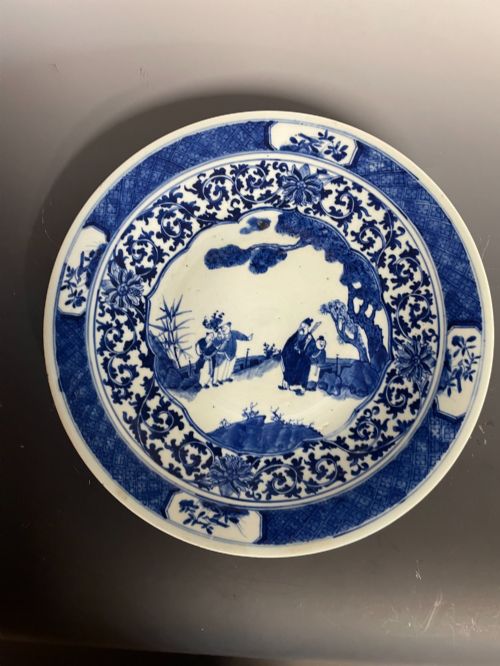



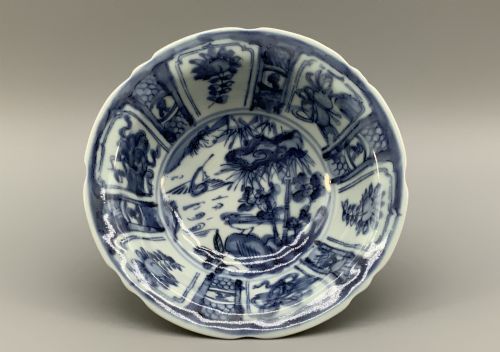
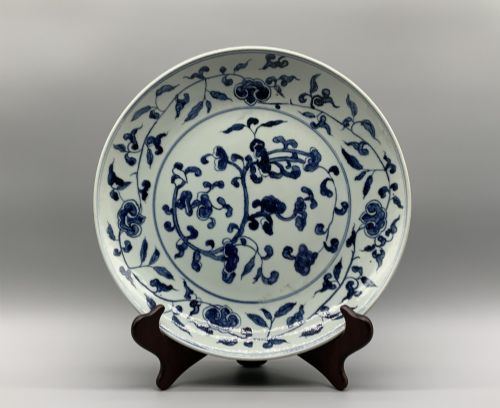
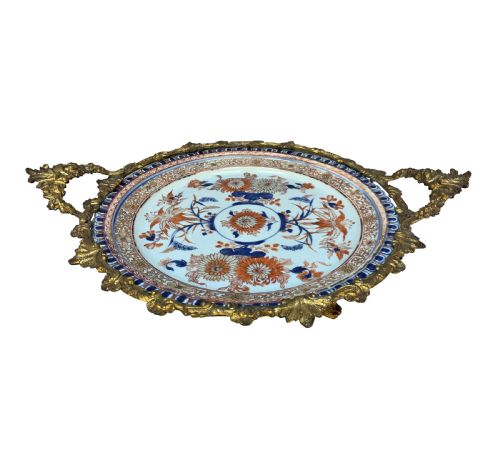



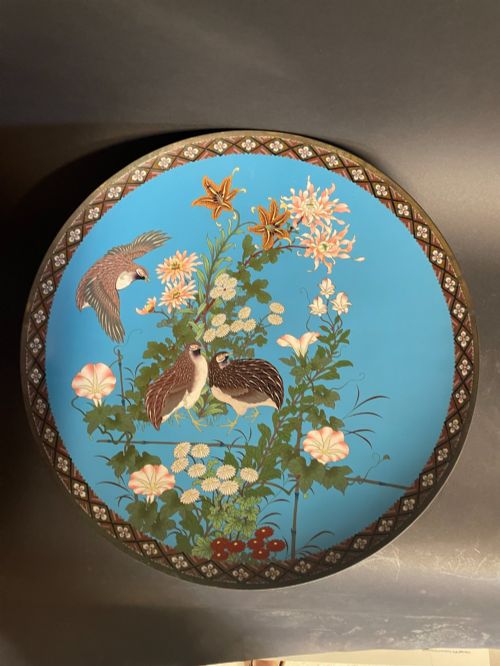

Blue Ceramic Charger
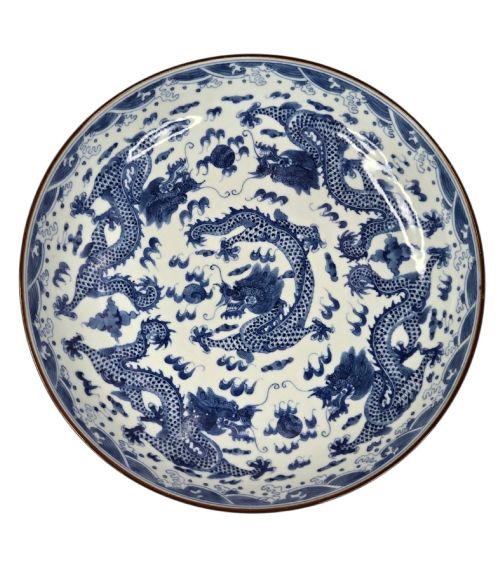
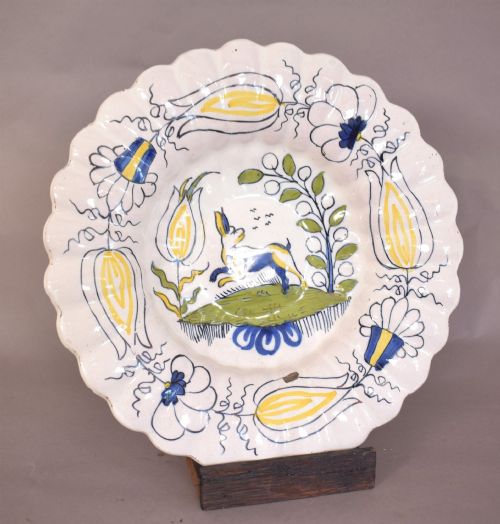
A blue ceramic charger brings depth and historic pattern to a room, spanning periods from seventeenth-century Delftware to twentieth-century factory production.
Blue Ceramic Charger
When you search for a blue ceramic charger, you encounter large decorative plates, platters, and dishes that were designed for display or ceremonial service rather than everyday dining.
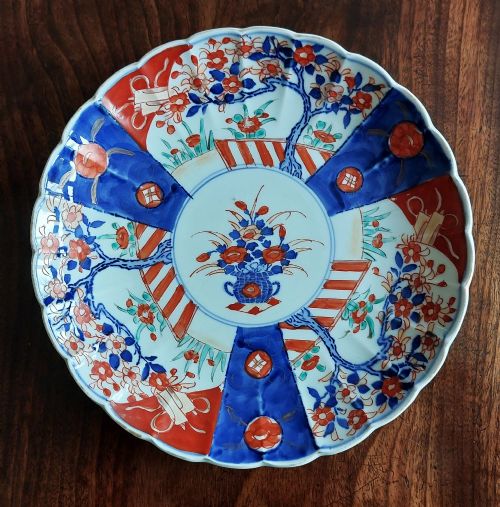
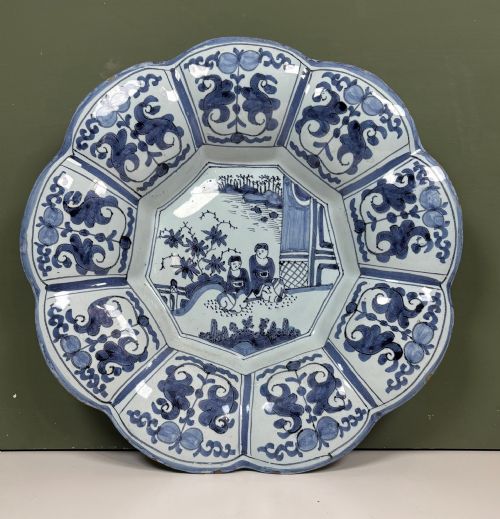
The selections on this page draw from several distinct traditions, ranging from seventeenth and eighteenth-century Dutch and English Delftware to nineteenth-century Japanese Imari porcelain and English transferware.
These items vary in form from flat circular chargers to lobed bowls, scalloped edge dishes, and scalloped plates.
How they were made
Potters shaped these pieces using earthenware, soft-paste porcelain, and ceramic bodies, often applying tin-glaze or opaque enamel to create a smooth white ground.
Cobalt pigment provides the dominant blue colour across these works, brushed onto the raw glaze before firing or transferred onto the surface using engraved patterns.
Certain exceptional examples incorporate gold leaf accents or mountings cast in ormolu to frame the ceramic body.
The listings on this page span from seventeenth-century Delftware to twentieth-century Worcester porcelain, incorporating earthenware, porcelain, and soft-paste ceramic bodies.
What varies in quality
The distinction between ordinary and superior pieces rests upon the crispness of the hand-painted brushwork or the precision of the transfer print, alongside the depth and clarity of the cobalt blue pigment.
Earlier examples derive their character from the thickness of the tin glaze and the subtle undulations of the fired earthenware body, whereas later porcelain pieces depend on the refinement of the paste and the complexity of the design layout.
Royal Bonn·Royal Crown Derby·Royal Worcester·John Rogers and Son·Ambroise Michel
The Blue Ceramic Charger Glossary
- Charger
- A large decorative plate or platter traditionally used for display or ceremonial service on a sideboard or table.
- Delftware
- Tin-glazed earthenware produced in the Netherlands and England, known for its opaque white surface and blue painted decoration.
- Imari
- Japanese porcelain decorated in underglaze blue and iron red, often supplemented with gilt details, following styles developed during the Edo period.
- Transferware
- Pottery patterned by pressing a paper design inked with cobalt pigment from an engraved copper plate onto the ceramic surface.
- Tin-Glazed Earthenware
- Pottery coated with a white glaze containing tin oxide, providing an absorbent opaque ground for painted pigments.
Blue Ceramic Charger: Frequently Asked Questions
What is a blue ceramic charger?
A blue ceramic charger is a large decorative plate or platter intended primarily for display rather than active dining use. These pieces often feature hand-painted or transfer-printed cobalt designs against a white tin-glazed or porcelain ground.
Such items have been produced across centuries in Europe and Asia, resulting in diverse regional forms ranging from Dutch Delftware to Japanese Imari porcelain.
How were chargers used historically?
Historically, large chargers served as centrepieces on sideboards or dining tables, sometimes holding food for communal gatherings or simply displaying wealth and artistic taste. Over time, their role shifted toward pure wall or cabinet display.
Their substantial surface area made them ideal canvases for narrative scenes, floral motifs, and complex Chinoiserie patterns.
How do I distinguish Delftware from Imari?
Delftware is typically an earthenware body covered in an opaque white tin glaze, painted predominantly in shades of blue with European interpretations of Asian motifs or local landscapes. Imari refers to Japanese porcelain featuring denser palettes that combine underglaze blue with iron red and often gilt highlights.
Examining the foot ring, weight, and ceramic paste beneath the glaze helps clarify the origin of each piece.
How do I display a charger safely?
Displaying a charger requires secure mounting, whether using a well-fitted wall hanger designed for heavy plates or a sturdy table stand with a supportive base. Placing pieces away from direct sunlight and high traffic areas protects the glaze and edges from accidental damage.
Ensuring the weight is evenly distributed across the support keeps the antique stable over time.